
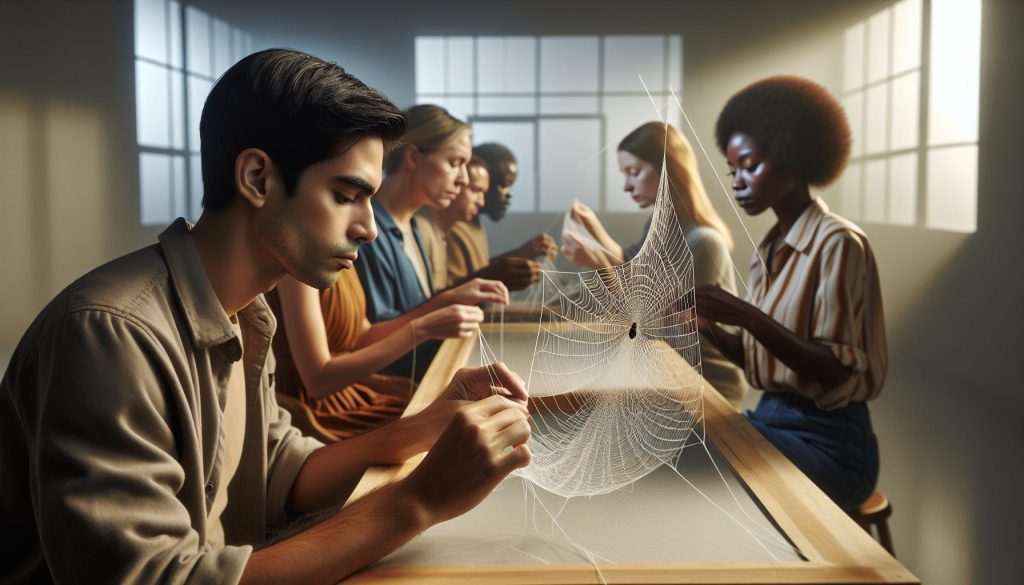
Imagine transforming your creative ideas into stunning spider web designs that captivate and inspire. In “Can You Craft Cobwebs: Spider Web Creation Methods,” we’ll delve into the various techniques to craft beautiful and intricate spider webs using different materials. Whether you’re looking to add a whimsical touch to your home decor, enhance your Halloween decorations, or explore a new crafting skill, this guide is here to help you succeed.
By breaking down the process step-by-step, I’ll show you that anyone can create stunning cobwebs, regardless of experience. From simple DIY methods to crocheted masterpieces, every craft has its charm and uniqueness. Plus, you will discover tips on materials and tricks to make your webs more realistic or creatively abstract. Get ready to unleash your inner artist and see the endless possibilities you can achieve with just a few basic supplies. Let’s dive in and make crafting cobwebs an enjoyable experience that leaves you excited to create more!
Understanding Spider Webs: Fascinating Facts

Did you know that spider silk is one of the strongest natural fibers known to humans? It’s both incredibly lightweight and surprisingly resilient, making it the ideal material for crafting intricate webs! Understanding how spiders create these mesmerizing structures can inspire you in your own crafting endeavors. Spider webs serve various purposes-from capturing prey to providing shelter and even being used for reproduction. The complexity of their designs, such as orb webs, funnel webs, and sheet webs, showcases their unique adaptations to different environments and hunting strategies.
When you think about web crafting, consider the diverse materials and techniques used by spiders. They produce silk through specialized glands, allowing them to create webs that can be fine and delicate or coarse and robust. This knowledge can empower your projects. For example, experimenting with different materials can mimic these qualities. You may want to explore synthetics, like fishing line or yarn, to capture that same enchanting look without the silk production process.
Another fascinating fact is that spider silk can stretch up to five times its original length before breaking. This elasticity enables spiders to create webs that withstand wind and weather. In your crafting, try incorporating flexible materials or layering techniques to achieve this quality. You’ll discover that you can create stunning, realistic representations of spider webs that enhance your decor, especially during spooky seasons or themed events. With a little creativity and the right approach, you’ll find crafting your own cobwebs to be a gratifying experience that brings the natural beauty of spider webs right into your home.
Basic Materials Needed for Web Crafting

Crafting your own cobwebs can be a thrilling project that adds a touch of whimsy or spookiness to your decor. To start creating these ephemeral structures, having the right materials will make all the difference. You don’t need an arsenal of high-end supplies; many effective components can be found right in your home or easily acquired at local craft stores.
To begin, consider these essential materials:
- Yarn or Thread: Choose thin, lightweight yarn or thread to mimic the delicate appearance of real spider silk. Options like embroidery floss can add a colorful twist if you’re aiming for a decorative look instead of a spooky one.
- Fishing Line: Clear fishing line is excellent for creating an invisible effect, making your webs appear almost magical. This option works well, especially outdoors or in well-lit areas.
- Hot Glue Gun and Glue Sticks: For a more permanent installation, using a glue gun can effectively create the framework of your web on surfaces. Once dry, it holds up beautifully.
- Spray Adhesive or Cotton Batting: If you’re looking to create a more textured cobweb, cotton batting can help achieve that fluffy, spooky aesthetic. You can also lightly spray it with adhesive to help it adhere to surfaces.
- Scissors: A good pair of sharp scissors is crucial for cutting your materials to the desired lengths and shapes.
You’ll also need a bit of creativity and a plan. Before starting, visualize where you want your webs to go-are they draping over furniture, hanging from ceilings, or framing doorways? Knowing your layout will guide you in selecting the right amount of materials. Depending on the complexity of your design, gather extra supplies to create variations or corrections as needed.
Now that you’re equipped with the basics, it’s time to dive into the enchanting world of web crafting! Embrace the joy of making and remember, the process is just as important as the final product. Happy crafting!
Different Techniques for Creating Cobwebs
Creating cobwebs can be an exciting way to enhance your decor, especially for themed events or Halloween decorations. You might be surprised to learn that crafting spider webs is not only for Halloween enthusiasts; various techniques can help you develop a skill set that elevates your crafting game. Let’s delve into different methods that can help you achieve stunning results.
Traditional Yarn Techniques
One of the simplest ways to create cobwebs is using yarn or embroidery floss. To start, gather a length of yarn and cut it to your desired size. Consider employing the “X” technique: tie the yarn in an X shape to anchor it in your space (think corners or furniture edges). Then, start looping strands around the anchored points, experimenting with varying tension to achieve a web-like look. This method typically takes about 15-30 minutes, making it a quick project. The result? A delicate-looking web that can bring a personal touch to your decor.
Hot Glue Gun Magic
If you’re looking for more permanence, using a hot glue gun is a fantastic option. Begin by sketching out where you want your webs to appear on a flat surface, such as a wall or a tabletop. With your glue gun, create a network of lines that resemble web strands. Be playful with layering; adding multiple strands can give your creation depth. Once dry, this type of web holds its shape well, making it ideal for long-term displays. This technique is slightly more advanced and may take longer, about 30-45 minutes, but the payoff is stunning!
Cotton Batting for Texture
For those aiming for a fluffier, more realistic appearance, cotton batting is your best friend. Start by tearing cotton batting into small strips. Lightly stretch these pieces to give them a wispy look and then adhere them to your chosen surfaces with spray adhesive. This method is great for creating a spooky, textured atmosphere and can easily be combined with other techniques to add layers and interest. Expect to spend about 20-30 minutes on this technique, allowing you to achieve a captivating effect effortlessly.
With these techniques at your disposal, it’s time to unleash your creativity! Remember, crafting should be fun and rewarding. You can tailor your webs to suit any occasion, inviting those around you to admire your handmade touches. Happy crafting!
How to Make Spider Webs with Yarn

Making spider webs with yarn can be both a delightful craft and a unique way to add a spooky touch to your decor. With just a few materials and a little creativity, you can transform plain spaces into whimsical, web-infested corners. The beauty of this technique lies in its simplicity and adaptability; whether you’re gearing up for a Halloween party or just want to embrace your inner crafter, you can do this!
To start, gather your supplies: you’ll need yarn (any color will do, but black, white, or gray are classic choices), scissors, and some adhesive tape or pushpins to hold your yarn in place. Aim for a quick project time of about 15-30 minutes. Here’s how you can create your own spider web using yarn:
Step-by-Step Guide
- Choose Your Location: Pick a place to display your web, like a room corner, on furniture, or even across a doorway.
- Anchor Your Yarn: Start by cutting a piece of yarn about 2-3 feet long. Use tape or a pushpin to secure one end to the surface where you want to create your web.
- Twist and Loop: Take another piece of yarn and create an “X” shape around your anchor point. Continue adding lines, looping yarn around your anchor points at varying angles to give it that authentic web look.
- Experiment and Layer: Play with the tension of your strands-tight loops create tighter webs, while loose ones give a more airy feel. Layering different lengths of yarn can add depth and make your web stand out.
- Finish Up: Once you’re satisfied with your creation, trim any excess yarn. Use extra strands to add smaller webs or accents around your main piece for added detail!
This method is forgiving, allowing you to redesign as you go. Don’t worry if it doesn’t look perfect at first-embrace the crafty vibe and let your creativity shine. You can also involve family or friends, making it a fun group activity. Building yarn spider webs can turn a simple crafting session into a memorable experience, perfect for creating festive atmospheres or just enjoying a bit of art at home. So grab your yarn and get started-your masterpiece awaits!
DIY Methods for Crafting Realistic Webs
Crafting realistic spider webs is a fun, rewarding project that can add a delightful touch to your home decor, especially during festive seasons like Halloween. The great news is you don’t need to be a crafting expert to achieve impressive results. With a few materials and techniques, you can create webs that look just like the real deal! Here’s how you can do it-let’s unleash your creativity!
One popular method involves using cotton balls or batting to create web-like structures. This approach is beginner-friendly and perfect for all ages. To start, gather materials such as cotton balls, scissors, and optionally some black spray paint if you want a spookier effect. Here’s a quick guide:
Crafting with Cotton Balls
- Prepare the Cotton: Take a few cotton balls and gently pull them apart to create thin, stringy pieces. Don’t worry about making them perfect-irregular shapes add to the realism!
- Shape Your Web: Use your fingers to stretch and twist the cotton into thin strands, forming a tangled web across your chosen area. Stick the ends down with tape or simply shape them into nooks and crannies in furniture or corners.
- Enhance the Look: For a more eerie vibe, lightly spray the web with black paint. It will create shadows and depth, making your web look more authentic. Just be sure to do this in a well-ventilated area.
Another exciting method is using hot glue to design webs directly on surfaces or craft boards. This method allows for more structured designs and can even double as wall art. Here’s how you can dive into this glue-based technique:
Hot Glue Webs
- Gather Your Tools: You’ll need a hot glue gun, glue sticks, and a surface to craft your web on-this could be a piece of cardboard, a canvas, or even an old picture frame.
- Start Glueing: Begin by squeezing a dot of hot glue onto your surface, then drag the tip away to form strands. Create a central hub and pull out lines in a radiating pattern. Connect smaller lines between them to mimic a spider web.
- Finish Up: Once your design is complete, you can leave the web as-is for a glossy finish or dust it with a bit of fake spider webbing for an added layer of detail.
Each of these methods celebrates the joy of crafting and allows you to customize your project according to your preference. Whether you choose the soft texture of cotton or the structural integrity of hot glue, remember to have fun and experiment! You can absolutely do this, and your uniquely crafted webs will surely impress anyone who sees them. Happy crafting!
Using Technology to Create Cobwebs

There’s something incredibly engaging about blending technology with traditional crafting to create spider webs. Imagine using digital tools to enhance your crafting experience-whether for planning intricate designs or even simulating cobweb effects. You can do this! With a bit of creativity and the right resources, technology can elevate your cobweb creation game, making it easier and more fun.
Start by exploring design software, such as Adobe Illustrator or free options like Canva. These tools can help you sketch out your desired web design before you ever pick up a pair of scissors or hot glue gun. You can play with different shapes, sizes, and densities to determine what will look best in your space. Once you’re satisfied with your digital creation, print it out as a template to guide your hands-on work. If you have a cutting machine like a Cricut, you can even use it to cut intricate web patterns from various materials like paper or vinyl, giving you perfect shapes without the hassle of freehand cutting.
For those who love a high-tech approach, consider incorporating augmented reality (AR) applications. Some apps allow you to visualize how your cobwebs will look in your home before you actually craft them. You can see your 3D web in your living room or porch and adjust the design as needed. This not only helps with planning but also adds a layer of fun to the crafting project. Pair this with some LED lights to achieve a glowing effect in your webs-perfect for spooky decor!
Finally, don’t forget about online communities and social media platforms! Join crafting groups on Facebook or Instagram where you can share your projects and get feedback. You can find tutorials or even challenges that encourage you to experiment with new techniques, ensuring you learn while enjoying the creative process. Remember, whether you’re crafting a spooky display for Halloween or just enjoying the art of making, technology can make your web crafting experience more efficient and enjoyable. So grab your supplies, fire up your devices, and let’s get crafting!
Fun Projects: Incorporating Cobwebs in Decor
Transforming your home into a cozy, welcoming space-or perhaps a spooky haven for Halloween-can be as simple as incorporating crafted cobwebs into your decor. Adding these delicate, spider-like elements can create a whimsical atmosphere or add an eerie touch to your space. Whether you’re preparing for a festive gathering or just looking to add a unique DIY flair, you can easily create enchanting cobweb decorations that fit any occasion.
To get started, here are some fun projects that you can incorporate cobwebs into your decor:
Macramé and Cobwebs
Consider combining the art of macramé with cobweb crafting. Using thin, white rope or yarn, you can create intricate macramé hangings that mimic spider webs. This project requires:
- Materials: White macramé cord, scissors, and a wooden dowel or branch.
- Time: Approximately 2-3 hours.
- Difficulty: Beginner to intermediate.
You can find plenty of tutorials online for basic macramé knots. Once you’ve made your piece, hang it vibrantly in a corner of your home or intertwine it with artificial spiders for a spooky effect!
Cobweb Table Centerpiece
Sprucing up your dining table can be as easy as creating a cobweb centerpiece. Here’s what you’ll need:
- Materials: Black or white gauzy fabric, scissors, LED tea lights, and decorative elements like plastic spiders or fall leaves.
- Time: About 1 hour.
- Difficulty: Easy.
To create this centerpiece, cut the gauzy fabric into oval or circular shapes and layer them in the center of your table. Place battery-operated tea lights beneath the fabric to create a glowing effect, topped off with a few creepy crawlies for added flair.
Cobweb Wreath for the Door
A cobweb wreath can greet guests and set the tone for what’s inside. It’s a simple project that only requires a few supplies:
- Materials: A foam wreath base, cotton batting or spider webbing, a hot glue gun, and decorative spiders or seasonal flowers.
- Time: 1-2 hours.
- Difficulty: Easy to moderate.
Start by wrapping the cotton batting around the wreath base, adhering it with hot glue to secure it. Then, decorate with the spiders and any other embellishments you desire. Hang it on your front door, and you’ll welcome guests with a touch of crafty charm!
These projects are not only engaging but also allow you to express your creativity. You can easily tailor each one to match your style and the season, making cobwebs a versatile addition to your decorating toolkit. Remember, crafting should be fun, and you can do this! Each project is an opportunity to let your imagination shine while adding a unique touch to your decor. Happy crafting!
Safety Tips for Crafting Spider Webs
Crafting cobwebs can be a delightful and creative undertaking, transforming everyday spaces into enchanting scenes. However, it’s essential to keep safety in mind as you dive into your crafting projects. Whether you’re working with yarn, fabric, or other materials, following a few simple guidelines will ensure a fun and safe experience.
To get started, consider the materials you are using. Many crafting projects involve sharp tools. If you’re cutting fabric or rope, always use scissors appropriate for the material and keep your hands clear of the blades. When using a hot glue gun, remember that the glue can cause burns. Use the tool carefully and allow any hot glue to cool before touching it. Here are some additional safety tips:
- Workspace: Set up a clean, organized workspace. Remove any clutter that could cause accidents.
- Ventilation: If you’re using spray adhesives or paints, work in a well-ventilated area to avoid inhaling fumes.
- Kids and Pets: If crafting with children or pets around, supervise closely and keep hazardous materials and tools out of reach.
- Protective Gear: Consider wearing safety goggles and gloves, especially if your project involves cutting or gluing.
Lastly, trust your instincts. If something feels off or unsafe, stop and reassess. Crafting should be an enjoyable and relaxing activity, so take it slow and make adjustments as needed. Remember, every crafter starts somewhere, and with these safety tips in hand, you can confidently create gorgeous cobweb decorations for any occasion. You’ve got this! Happy crafting!
Common Mistakes to Avoid in Web Creation
When diving into the enchanting world of cobweb crafting, it’s essential to be mindful of common pitfalls that can turn your creative project into a frustrating experience. Even the most seasoned crafters can stumble upon mistakes that can be easily avoided with a little awareness and preparation. Knowing what to watch out for not only saves time but also enhances your crafting journey, making it more enjoyable and rewarding.
One of the most frequent missteps is choosing the wrong materials. Many beginners might rush in with whatever they have on hand, but selecting the right kind of yarn, fabric, or adhesive can make all the difference. For instance, heavy yarn or fabric can be cumbersome for delicate web designs, while flimsy materials might not hold the structure you desire. Always consider the final look you aim to achieve and choose your materials accordingly. Don’t forget to test different combinations to see what works best for your creative vision!
Another common mistake is miscalculating the amount of material needed. It’s disheartening to run out of supplies halfway through a project, particularly if you’re striving for a cohesive look or trying to match a particular color. To avoid this, take the time to plan your project. Sketch out your design and estimate the amount of material you’ll need. If you’re unsure, it’s better to err on the side of caution and buy a little extra-trust me, you can always use leftover materials in future projects!
Finally, many crafters overlook proper technique and assembly. Rushing through this process can lead to uneven designs or even structural failures in your cobwebs. Always take a moment to ensure that your adhesive is applied evenly and that your materials are aligned correctly. For added security, consider layering your materials rather than sticking everything down in one go. This approach not only strengthens the webs but also allows for adjustments as you go. Remember, crafting is a journey, and each step contributes to the final masterpiece. Embrace the process and take your time-you’ve got this! Happy crafting!
Advanced Techniques for Professional-Looking Cobwebs
Crafting professional-looking cobwebs doesn’t have to be a daunting task. With a few advanced techniques, you can elevate your spider web creations from simple to spectacular. Whether you’re preparing for a themed event, Halloween decor, or an artistic project, employing these methods will ensure your cobwebs are the star of the show!
Start by considering your foundational materials. While traditional yarn is a great base, incorporating fishing line or tulle can add an ethereal quality. Fishing lines create a nearly invisible web, perfect for making your cobwebs appear as if they’re floating in the air. On the other hand, tulle’s delicate texture mimics real spider silk and can be cut into various shapes for added detail.
Techniques for Crafting Professional-Looking Cobwebs
Here are some steps to refine your cobweb crafting:
- Layering: Instead of a single layer of material, use multiple layers to create depth. Begin with a base layer of tulle, then add strands of yarn or fishing line on top. This not only gives your web a fuller look but also strengthens the structure.
- Color Variation: Enhance realism by incorporating various shades of white, gray, or even slight hints of color to mimic the look of weathered cobwebs. Use a mix of materials dyed in different tones for a natural effect.
- Suspension Techniques: For an added touch, consider how you hang your webs. Using clear fishing line can suspend your webs mid-air for a floating illusion. This technique is excellent for haunted house settings or when you want to create a three-dimensional effect.
- Textured Additions: Add elements like glitter, beads, or small ornaments to your web. This step can transform your cobweb from basic to stunning, allowing light to reflect off surfaces and create a magical ambiance.
- Final Touch: For an authentic, aged appearance, lightly spray the webbing with a bit of water and dust with talcum powder or flour. This technique will help achieve that dusty, cobweb look seen in old attics or abandoned spaces.
Real-World Inspiration
Imagine crafting a spooky corner for a Halloween party filled with these intricate webs. By following the layering technique, you could create a wall draped in cobwebs that appear to shimmer under dim lighting. Guests will be amazed by the artistry involved and the eerily beautiful atmosphere you’ve created.
Remember, the key to crafting professional-looking cobwebs is to experiment with different materials and techniques. Don’t shy away from making mistakes; each one is a stepping stone toward mastering your craft. Keep your enthusiasm alive, and soon you’ll find that you can create stunningly realistic cobwebs that will cause jaws to drop! Enjoy the process, and happy crafting!
Exploring Themed Events: Using Cobwebs Creatively
When planning themed events, the aesthetic touch of cobwebs can elevate the ambiance from ordinary to truly enchanting. Whether you’re hosting a Halloween bash, an eerie movie night, or a whimsical themed birthday party, incorporating creatively crafted cobwebs into your decor can enhance the atmosphere and delight your guests. The versatility of cobwebs allows for various styles, from spooky and haunting to charming and whimsical. Let your imagination run wild!
To get started, gather some basic materials that you can easily find at craft stores or even around your home. For a spooky Halloween vibe, consider using black tulle, fishing line, or cheesecloth to create delicate, ghostly webs that appear as if they came straight from a haunted house. For something softer and more whimsical, white yarn paired with touches of pastel colors can bring a delightful charm to a fairy-themed gathering. The key is to choose materials that match the tone of your event.
Here are a few practical ideas for integrating cobwebs into your themed decor:
1. Spooky Vibes for Halloween
- Webbed Corners: Stretch black tulle or faux spider silk in corners of the room, letting it hang loosely for a haunted look.
- Floating Illusions: Use clear fishing line to suspend small webs in mid-air, creating an enchanting floating effect that will amaze your guests.
- Spider Accents: Add plastic spiders or glittering ornaments within your web for added detail and a surprising touch.
2. Whimsical Themes
- Playful Party Tables: Drape pastel yarn cobwebs over tables for a light-hearted fairy atmosphere. Mix in faux flowers or butterflies for a playful touch.
- Photo Booth Backdrop: Create a stunning backdrop with layered webs made from white yarn and colorful accents, perfect for guest selfies.
Each crafting project can be tailored to fit your event’s theme, making your decor one-of-a-kind. As you embark on these creative ventures, don’t be afraid to experiment with different colors, textures, and arrangements. Remember, the joy of crafting is in the process, and trying out new ideas is part of the fun. So gather your materials, unleash your creativity, and have a blast transforming your space into a captivating showcase that will leave a lasting impression on all your guests!
Showcase: Inspiring Cobweb Craft Examples
Crafting cobwebs can transform your space into a captivating realm of wonder, perfect for themed events or seasonal décor. Whether you’re planning a spooky Halloween celebration or want a whimsical touch for a birthday party, there’s no limit to the creative projects you can undertake. Here are some inspiring examples to spark your imagination and set you on a crafting adventure!
Simple Yarn Cobwebs
Yarn cobwebs are a fantastic project for beginners. You need just white yarn, scissors, and a little creativity. Start by cutting varying lengths of yarn, around 1-3 feet long, and then randomly weave them together to form chaotic patterns reminiscent of real spider webs. You can secure the ends to a wall or ceiling with tape or pushpins. For added effect, mix in some glitter or pastel-colored yarn for a whimsical touch! This project takes about 30 minutes and is perfect for all skill levels.
Halloween Tulle Webs
For a spookier atmosphere, black tulle can create an eerie ambiance that’s great for fright nights. You’ll need black tulle, scissors, and some adhesive hooks or tape. Cut the tulle into strips and stretch them across corners of a room, allowing them to cascade downwards. For a twist, you can attach plastic spiders within the tulle for a startling surprise. This project is quick-ideal for a last-minute decoration-and can be completed in under an hour!
Floating Webs with Fishing Line
For a truly magical look, create floating webs using clear fishing line. Gather some lightweight cobweb material, like cotton batting or really fine netting. Use the fishing line to suspend your cobwebs from the ceiling, allowing them to hang mid-air. This effect can be stunning, especially when combined with soft lighting. You can craft these in under an hour, making them a perfect evening project while watching a scary movie.
Interactive Cobweb Art
For a unique twist, consider making interactive cobweb art! Start with a large canvas and a frame. Using a hot glue gun, create a 3D web effect with string or yarn. Once dried, let kids or guests paint within and around the web. This hands-on project fosters creativity, and the end result can double as a fantastic piece of decor. This can take a couple of hours, but the outcome is worth the effort, and everyone can join in on the fun!
Incorporating these cobweb ideas into your crafting arsenal can enhance your events and unleash your creative potential. Each project allows for personalization, so feel free to mix and match techniques and materials. Remember, the goal is to enjoy the process. Happy crafting!
Frequently Asked Questions
Q: What materials can I use to create homemade cobwebs for Halloween decorations?
A: You can use cotton batting, string, or yarn to craft realistic cobwebs for Halloween. Cut the materials into small pieces and stretch them out to mimic the look of real spider webs. Glue can also be employed to secure the strands in place. For more detailed techniques, check the “Basic Materials Needed for Web Crafting” section in the article.
Q: How can I make artificial spider webs that are durable for outdoor use?
A: To create durable artificial spider webs, opt for synthetic materials like polyester or nylon thread. These materials resist weather conditions better than natural fibers. Consider using a hot glue gun to attach your webs to surfaces securely, ensuring they withstand the elements. Explore “DIY Methods for Crafting Realistic Webs” for more tips.
Q: What is the easiest way to weave a spider web from yarn?
A: The easiest method to weave a spider web from yarn involves starting with a circular base. Use a wooden hoop or a similar object, wrap the yarn around it, and create a star pattern. Finish by connecting the yarn strings toward the center. For detailed steps, refer to “How to Make Spider Webs with Yarn.”
Q: Can I use technology to create spider webs, and how?
A: Yes, technology can be used to create spider webs! You can use a laser cutter to etch designs into materials like acrylic or wood, mimicking spider web patterns. This method allows for precision and creativity. Discover more in the “Using Technology to Create Cobwebs” section for innovative ideas.
Q: What are the benefits of incorporating cobwebs in home décor?
A: Incorporating cobwebs in home décor adds an eerie charm and enhances the atmosphere for themed events like Halloween. They can be used to create focal points or set a mood in various spaces. For fun project ideas, check the “Fun Projects: Incorporating Cobwebs in Decor” section.
Q: How do I avoid common mistakes when crafting spider webs?
A: To avoid mistakes while crafting spider webs, start with a clear plan and gather your materials before beginning. Ensure your adhesive isn’t too strong, as it can tear delicate materials. Refer to “Common Mistakes to Avoid in Web Creation” for further guidance to ensure a successful crafting experience.
Q: What are advanced techniques for creating professional-looking cobwebs?
A: Advanced techniques include using air-dried sugar glue for texture and layering multiple materials for depth. Techniques like twisting and shaping your chosen material can create intricate designs. Check “Advanced Techniques for Professional-Looking Cobwebs” for comprehensive methods.
Q: When is the best time to start crafting cobwebs for Halloween?
A: The best time to start crafting cobwebs for Halloween is two to three weeks before the holiday. This allows ample time for creating elaborate designs and integrating them into your decorations. For themed event ideas, see “Exploring Themed Events: Using Cobwebs Creatively.”
Future Outlook
Now that you’ve explored the art of crafting cobwebs through various methods, it’s time to put your skills to the test! Whether you’re crocheting, DIYing, or gaming, creating realistic spider webs can be a fun project that boosts your confidence and creativity. Remember, you’ve got this-the techniques covered are accessible for any skill level!
If you’re ready to dive deeper, check out our related guides on DIY Halloween decorations and advanced crochet techniques to take your crafting to the next level. Also, be sure to leave a comment sharing your cobweb creations; we love seeing what our community makes! Don’t forget to subscribe to our newsletter for more crafty tips and inspiration coming your way. Your crafting journey is just beginning, so let’s keep it going!


