

Did you know that those beautiful oyster shells can be transformed into stunning crafts with just a little cleaning? Whether you’re looking to create unique decorations or personalized gifts, cleaning oyster shells is the first step to unlocking their creative potential. Many crafters feel intimidated by the idea of preparing shells, but with the right techniques, it’s easy and fun! In this guide, you’ll learn simple, effective methods to clean oyster shells, ensuring they’re ready for paint, embellishments, or natural displays. Embrace your inner maker-no matter your skill level, you’ll find that with a little patience and these straightforward tips, you can create beautiful projects that showcase your unique style. Let’s dive into the wonderful world of oyster shell crafts!
Choosing the Right Oyster Shells for Your Craft Project
When embarking on a crafting adventure with oyster shells, the first step is to select the right type. Not all oyster shells are created equal, and the choice you make can significantly impact your project’s success and aesthetic appeal. Look for shells that are intact and have interesting shapes or textures-these qualities will enhance your final art piece. Larger shells often work well for display items, while smaller shells can be perfect for jewelry or decorative accents. If possible, visit local seafood markets or restaurants where you can source fresh shells, ensuring they are properly cleaned beforehand.
Next, consider the condition of the shells. Ideal oyster shells should be free from cracks and excessive organic residue. A little ocean grit can add character, but too much will complicate your crafting process down the line. If you’re planning on painting or decorating them, smoother shells will give you a better surface to work with. Choose shells that have vibrant colors or unique patterns, as these natural features can serve as the canvas for your creations. Remember, your choice of shells will be a key foundation for your craft, helping you express your creativity while ensuring that the project is enjoyable and fulfilling.
Incorporate different sizes and shapes to create a visually appealing collection. For instance, if you are making a mobile, you could mix large and small shells to add dimension. Don’t shy away from mixing oyster shells with other materials like driftwood, beads, or even glass to create unique textures and visual interest. The possibilities are endless, and the act of selecting your materials is the first step toward creating a masterpiece that reflects your personal style. Happy crafting!
Essential Materials for Cleaning Oyster Shells

Cleaning oyster shells can be a rewarding project that opens the door to countless creative possibilities. To get started, it’s essential to gather the right materials, ensuring that your shell cleaning process is efficient and effective. The tools you choose to work with can make all the difference, whether you’re preparing shells for crafts or decorative displays.
First off, you’ll need a pair of sturdy gloves. Cleaning oyster shells can sometimes be a bit messy, and gloves will protect your hands from any sharp edges or gritty residue. A scrubbing brush or an old toothbrush is also crucial, as these will help you effectively remove the organic material and any stubborn debris lodged in the grooves of the shells. If you have access to a hose or sink, this can greatly facilitate the rinsing process, making it easier to wash off the grime and oyster liquor.
It’s also helpful to have a bucket or large basin on hand. This can be used for soaking the shells in warm, soapy water, which softens any residue and makes scrubbing much easier. For those particularly stubborn cases, consider a solution of white vinegar mixed with water; this not only aids in cleaning but can also help to brighten and enhance the natural colors of the shells.
Don’t forget a good drying surface, such as clean towels or paper towels, where you can lay out the cleaned shells. This step is vital, and having a dedicated space will keep your workspace organized while allowing the shells to dry thoroughly before you move on to the next phase of your crafting project.
With these materials at your disposal, you’ll be well-equipped to dive into the cleaning process. This not only sets the foundation for beautiful creations but also nurtures the satisfying feeling that comes from transforming something natural into a piece of art. Happy cleaning and crafting!
Step-by-Step Guide: How to Clean Oyster Shells
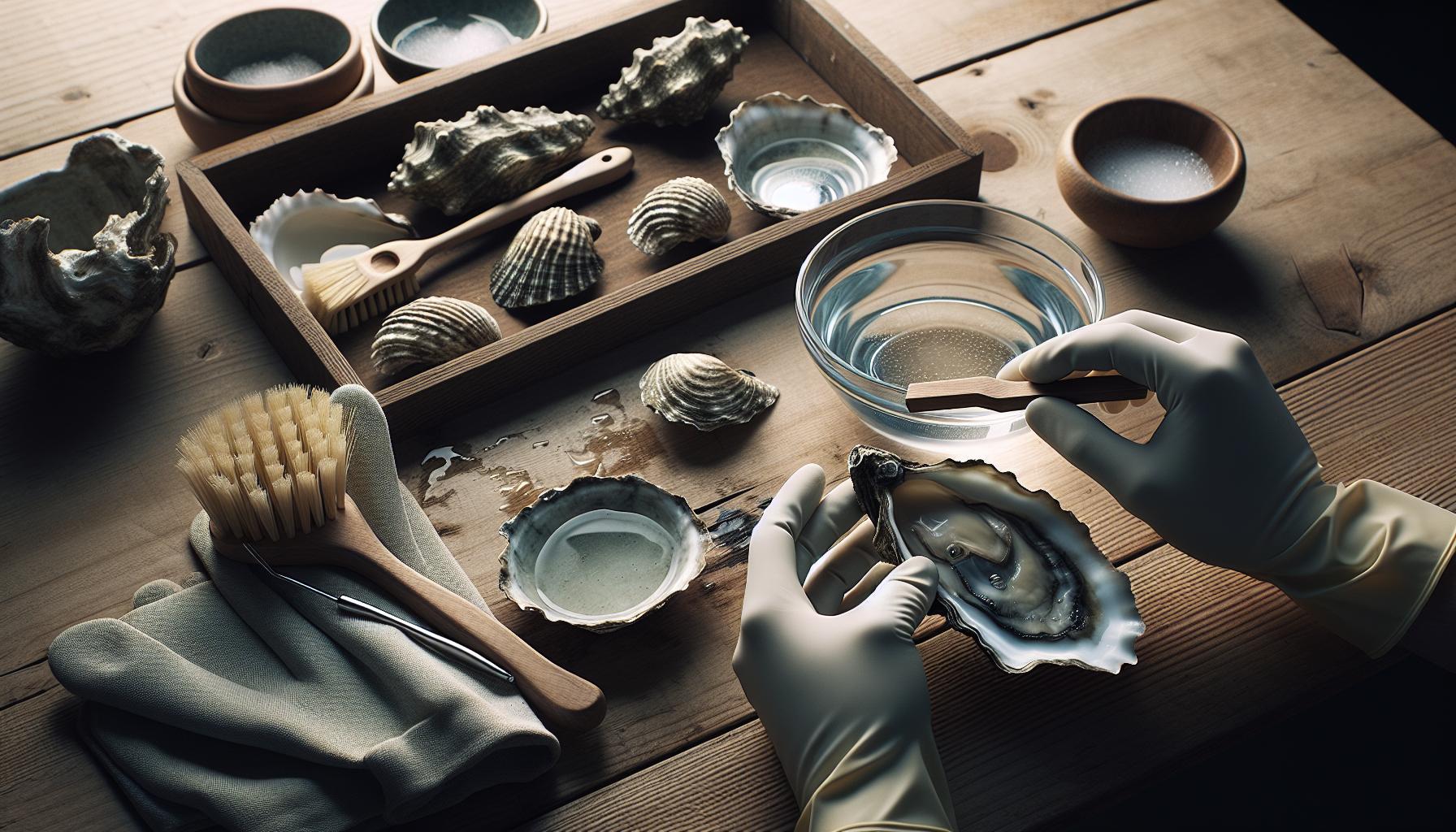
To get those beautiful oyster shells ready for your next crafting project, follow this straightforward cleaning guide. You’ll discover how to transform something that was once part of a meal into a stunning piece of decor or art. Cleaning oyster shells is not just a chore; it’s a creative journey that can lead to lots of fun projects down the line!
Start by gathering your materials. Here’s what you’ll need: sturdy gloves to protect your hands, a scrubbing brush or an old toothbrush for those tricky crevices, and a bucket or bowl for soaking your shells. Warm, soapy water is great for loosening any stuck bits. If you encounter stubborn residue, a vinegar-water solution will come to the rescue.
Once you have your supplies, follow these simple steps:
- Rinse the Shells: Give your oyster shells a good rinse under running water to remove any surface dirt and grime.
- Soak: Fill your bucket with warm, soapy water and place the shells inside. Let them soak for about 10-15 minutes to soften any remaining debris.
- Scrub: Take your brush and gently scrub each shell, focusing on any areas with barnacles or stubborn residue. You’ll want to get into each groove to ensure a thorough clean.
- Rinse Again: Rinse off all the soap and loosened debris under running water, ensuring each shell looks fresh and clean.
- Vinegar Treatment (if needed): For particularly dirty shells, soak them again in a mixture of equal parts vinegar and water for another 10 minutes, followed by a good scrub.
- Dry: Place the cleaned shells on a drying rack or towel, and allow them to dry completely. Make sure they are thoroughly dried to avoid any moisture that could lead to mold later on.
Embrace the process-each shell is unique and brings its character to your project. You’re not just cleaning; you’re preparing your crafting tools for something special. Let your imagination run wild and think of the fabulous ways you can use your cleaned oyster shells! You can do this! Happy crafting!
Best Techniques for Removing Organic Residue

To tackle organic residue on oyster shells, you’re going to want to be methodical and gentle. These shells are treasures from the sea, and each piece tells a story. Successfully removing stubborn remnants-like dried food particles or barnacles-allows you to bring out the beauty of the shell, making it an ideal canvas for your next craft project.
Start with a soak in warm soapy water, as this initial step does wonders for loosening any stuck-on material. After giving the shells about 10-15 minutes, grab your scrubbing brush or old toothbrush. Focus your effort on areas with visible residue. For tougher spots, a little more elbow grease might be required. A gentle yet firm scrubbing action will typically do the trick without damaging the shell.
If you still see some residue hanging on after your initial scrub, don’t fret! Here’s where vinegar shines. Create a vinegar-water solution-mix equal parts-and let the shells soak for an additional 10 minutes. The acidity of the vinegar breaks down organic materials effectively. After soaking, give them another scrub and rinse thoroughly. You’ll be amazed at how clean they can get, transforming from grimy souvenirs of a meal into pristine crafting materials!
Lastly, be patient with the drying process. Once clean, place them on a towel or drying rack and allow them to air out completely before your creative spark strikes. Moisture can lead to mold, so this part is crucial. Remember, each shell’s individuality is part of its charm. You’re not just cleaning; you’re opening the door to endless possibilities for artistic creation. You can do this-embrace the joy of transforming nature’s remnants into something unique!
Drying and Preparing Shells for Crafting

Once you’ve successfully cleaned your oyster shells, the next exciting step is to dry and prepare them for crafting. Proper drying is essential, as it not only prevents mold but also helps preserve the natural beauty of each shell, accentuating its unique curves and textures. With a little care, these shells can transform into stunning pieces for your next DIY project!
First, after rinsing your cleaned shells, give them a gentle shake to remove excess water and lay them on a clean towel. Air drying is the best method; place the shells in a well-ventilated area out of direct sunlight. Depending on the humidity levels, drying can take anywhere from a few hours to a full day. Patience is key here – resist the urge to rush this step, as moisture left in the shells can lead to unwanted discoloration or mold growth.
Finishing Touches
As your shells dry, take this opportunity to refine their appearance. You might consider lightly sanding the edges with fine-grit sandpaper to smoothen any rough areas. This not only enhances their aesthetic but also makes handling easier during crafting. Another great tip is to apply a clear sealant or a coat of acrylic spray – this can provide a lovely shine and add durability, especially if your project will see frequent handling or exposure to elements.
Ready for Crafting
Once dry and prepped, your oyster shells are ready to shine in your creative projects! Whether you’re transforming them into elegant decor, unique jewelry, or thoughtful gifts, the possibilities are endless. Just remember, each shell carries its own personality; embrace their variations as part of your creative journey. You can do this! Let your imagination run wild and celebrate the beauty of these natural treasures.
Creative Ideas for Using Cleaned Oyster Shells
Transforming cleaned oyster shells into beautiful crafts is a delightful way to embrace your creativity while repurposing natural materials. Whether you find yourself by the ocean or at your local market, these shells offer endless opportunities to create unique and personalized items. Here are some inspiring ideas to get you started!
One fantastic project is to create oyster shell candle holders. They make stunning decor and are perfect for gatherings or quiet evenings. Simply take a cleaned and dried shell and place a small tealight candle inside. For an extra touch, you can paint the edges with metallic paint or glue sand around the base for a beachy vibe. This project takes less than 30 minutes and is suitable for all skill levels.
Another option is making statement jewelry. Oyster shells, especially the smaller ones, can be transformed into earrings or pendants. Use wire to wrap around a shell to create a pendant or simply attach hooks to the top of half shells to make earrings. This project can take around an hour, including drying time if you decide to add a layer of paint or sealant.
If you’re seeking something a bit more ambitious, consider creating a decorative mirror frame adorned with oyster shells. First, find a basic wooden frame from a craft store. Glue cleaned and dried oyster shells around the edges, mixing sizes and orientations for an organic look. This project requires some patience, but the finished piece makes a beautiful statement in any room and is worth the effort.
Lastly, don’t forget that oyster shells can also serve as natural color palettes for painting or crafting. Use them as mixing bowls for paints, dyes, or even materials like glitter, ensuring that you elevate your crafting game with this eco-friendly approach. The possibilities are truly endless when you start thinking creatively about the materials at hand. Dive into these projects with confidence-you’ve got this!
Tips for Storing Cleaned Oyster Shells
Organizing and storing your cleaned oyster shells properly can make a huge difference in your crafting process. An easy way to keep them safe and accessible is by using clear plastic containers with lids. This allows you to see your collection at a glance while protecting the shells from dust and potential breakage. Make sure to label each container if you have different types or sizes of shells. It’s a simple yet effective method that keeps everything tidy and ready for your next creative project.
Another great tip is to nest smaller shells inside larger ones to save space. This technique not only maximizes your storage area but also minimizes movement, reducing the chances of chips and cracks. When nesting, ensure that the smaller shells fit snugly, and consider wrapping particularly delicate ones in soft cloth or bubble wrap for added protection.
For long-term storage, think about using silicone baking mats or foam trays. These materials can prevent shells from sliding around and getting damaged. Place a layer of soft fabric between the shells and the storage surface, especially if you’re stacking multiple layers. This way, when you need a specific shell, you can easily access it without disturbing the entire collection.
Lastly, if you plan to keep your oyster shells for a more extended period, consider placing silica gel packets in your storage containers. Silica gel helps absorb moisture and prevents mold growth, ensuring your shells remain in pristine condition. Keeping your shells dry is crucial, especially if you live in a humid area, so adding silica gel is a clever move to maintain their natural beauty over time. With these tips, you’ll not only protect your cleaned oyster shells but also be well-organized and ready to unleash your creative flair whenever inspiration strikes!
Common Mistakes to Avoid When Cleaning Shells
When delving into the world of crafting with oyster shells, it’s crucial to avoid common pitfalls that can leave your shells less than perfect. One of the biggest mistakes many crafters make is not thoroughly cleaning the shells before starting their projects. Neglecting this step can result in bits of organic matter remaining, leading to unpleasant odors and unwanted mold growth over time. Always start by soaking your shells in warm, soapy water to loosen any debris, using a soft brush to reach into nooks and crannies while being gentle to avoid breakage.
Another frequent error is overlooking the drying process. After washing, failing to dry your shells properly can cause moisture to linger, which not only risks mold but also affects the integrity of any finishes or glues you’ll apply later. Ensure your shells are completely dry by laying them out in a single layer, preferably in a sunny spot. This can significantly enhance your crafting outcome and longevity of the finished product.
Don’t underestimate the importance of appropriate tools. Using harsh chemicals or abrasive materials can scratch the shell’s surface, dulling its natural beauty. Opt for gentle cleaning agents, like vinegar or baking soda, as they are effective yet safe. Additionally, a common mistake is moving too quickly through each step of the cleaning process. Patience is your friend here! Take your time to achieve that perfect shine-your future projects will truly shine with your thorough approach to preparation.
Lastly, remember that creativity often flourishes in the unexpected, so while following guidelines is essential, don’t shy away from experimenting. If you do encounter setbacks, like stubborn residue, share these challenges with your crafting community; you’ll find that many have navigated similar issues and can offer invaluable solutions. Happy crafting!
Safety Precautions While Cleaning Oyster Shells
When diving into the wonderful world of crafting with oyster shells, safety should always be at the forefront. These beautiful shells can add unique flair to your projects, but cleaning them can pose some challenges if you’re not careful. The last thing you want is to get cuts from sharp edges or accidentally inhale dust or harmful residues. So, let’s get into some essential safety precautions that will keep your crafting experience enjoyable and hazard-free!
First, always wear gloves when handling oyster shells. The edges can be sharp, and you want to protect your hands from potential scrapes or cuts. A simple pair of latex or nitrile gloves will do just fine, allowing you to grip securely while preventing any accidental injuries. Pairing gloves with a sturdy apron can protect your clothes from splashes if you’re using a cleaning solution or soap during the process.
Additionally, make sure to clean your shells in a well-ventilated area. If you’re using cleaning agents, such as vinegar or baking soda, the last thing you want is to breathe in strong scents or harmful vapors. If you’re working indoors, open windows or set up a fan to ensure good airflow. It’s also a good practice to wear a mask, particularly if you’re sanding or grinding the shells, as fine particles can become airborne, and you don’t want to inhale any dust.
Lastly, always have a first-aid kit on hand. Accidents happen, and having quick access to band-aids or antiseptic wipes can save a crafting session from turning sour. Make sure to keep it stocked and within reach-it’s a small step that provides great peace of mind. Remember, crafting is all about the joy of creating, so by prioritizing your safety, you’ll be free to focus on what you love most-bringing your creative ideas to life! Happy crafting!
Exploring Eco-Friendly Alternatives for Shell Cleaning
Cleaning oyster shells for your crafting projects can be a delightful endeavor, and opting for eco-friendly cleaning methods not only protects the environment but also ensures the shells retain their beauty without harsh chemicals. It’s easier than you think to go green while effectively preparing your shells for your creative pursuits. Here are some tried-and-true methods that will leave your shells sparkling and ready for crafting.
One of the simplest eco-friendly methods involves using natural ingredients like baking soda and vinegar. Begin by soaking your shells in a mixture of warm water and a generous amount of baking soda for a few hours. This will help loosen any stubborn organic residue. Once soaked, scrub the shells gently with an old toothbrush or a soft sponge; the baking soda acts as a mild abrasive that aids in removing dirt without scratching the shells. After scrubbing, rinse the shells well and then soak them in a solution of equal parts vinegar and water. This second soak will help eliminate any remaining odors and provide a natural shine.
Another fantastic option is to use lemon juice. Not only does it have antibacterial properties, but its acidity is effective in breaking down tough grime. Simply sprinkle salt on the shells and then squeeze fresh lemon juice over them. Let this mixture sit for about 20 minutes; then scrub gently and rinse thoroughly. The result is clean, fresh-smelling shells that are perfect for any craft project, from decorative centerpieces to chic jewelry.
For those looking for an even more sustainable approach, consider using steam. This method requires a little more equipment, such as a steamer or a pot with a steaming basket. Place your shells in the basket, add water to the pot (but not so much that it touches the shells), and bring it to a boil. The steam will help lift away any residue while also sanitizing the shells. Once the shells are steamed, you can wipe them down with a cloth, and they’ll be ready for crafting without any harsh chemicals.
Using these eco-friendly alternatives not only keeps your hands clean but also aligns your crafting with a more sustainable lifestyle. By incorporating methods like baking soda, vinegar, lemon juice, or steam, you’ll contribute to a healthier planet while creating beautiful projects. Remember, the joy of crafting comes from not just the finished product but also the process. You can do this! Happy crafting!
Inspiration: Unique Projects Using Oyster Shells
Did you know that oyster shells can be transformed into stunning and functional art pieces? Once cleaned and prepped, these natural beauties offer endless crafting possibilities. Whether you’re a beginner or a seasoned crafter, here are some unique projects you can dive into using your cleaned oyster shells.
Decorative Centerpieces
Create a breathtaking centerpiece for your dining table or sideboard. Gather several cleaned oyster shells and arrange them in a shallow bowl or on a wooden tray. Fill each shell with small votive candles or succulent plants. This project is simple and requires minimal materials-just shells, some candles or plants, and a decorative holder. It’ll add a coastal flair and a touch of elegance to any space.
Jewelry and Accessories
Why not turn oyster shells into beautiful jewelry pieces? Utilize the shell’s natural shape to create pendants or earrings. Simply drill small holes in cleaned shells and attach jump rings to weave them onto chains or earring hooks. Pair the shells with colorful beads for a pop of color. This project is great for all skill levels and can be completed in about an hour, making it perfect for a weekend crafting session.
Artistic Wall Displays
Enhance your wall decor by crafting a unique piece of wall art using oyster shells. You can create a stunning display by arranging shells in a circular pattern on a canvas or wooden board. Use glue to secure them in place, and consider adding embellishments like seashells or sea glass for added texture. Once finished, hang your art piece in a hallway or above a mantel to captivate your guests.
Garden Markers
Take your love of gardening to a crafty level with DIY garden markers made from oyster shells. Paint or label the shells with the names of your plants and place them in your garden or potted plants. This project is not only functional but also adds a charming rustic touch to your outdoor space. The best part? It’s completely customizable, so you can use vibrant colors or natural tones depending on your style!
These projects are not just an excellent way to recycle shells but are also a fun outlet for your creativity. Remember, no two shells are alike, which means your designs will be uniquely yours. So gather your cleaned oyster shells, unleash your imagination, and enjoy the crafting process-because you can do this! Happy crafting!
FAQ
Q: What is the best way to remove stubborn stains from oyster shells?
A: To effectively remove stubborn stains from oyster shells, soak them in a mixture of equal parts vinegar and water for about 30 minutes. Then, scrub gently with a soft brush. Rinse thoroughly with water afterward to ensure no residue remains. This method is effective for preparing shells for crafts.
Q: How long does it take to clean oyster shells for crafts?
A: Cleaning oyster shells typically takes around 1-2 hours, depending on the number of shells and the level of residue. After soaking them in water, scrubbing, and rinsing, allow additional time for drying, which can take several hours or overnight, depending on the humidity.
Q: Can I use bleach to clean oyster shells?
A: While bleach can be used to disinfect oyster shells, it is not recommended for cleaning them for crafts due to its potential to damage the shells. Instead, opt for natural solutions like vinegar or baking soda, which are gentler and eco-friendly.
Q: Are there any eco-friendly methods for cleaning oyster shells?
A: Yes, an eco-friendly method to clean oyster shells involves using a mixture of baking soda and water. Create a paste, apply it to the shells, let it sit for 10-15 minutes, and then scrub gently. This method effectively removes residue while being safe for the environment.
Q: How can I preserve the shine on cleaned oyster shells?
A: To preserve the shine on cleaned oyster shells, apply a thin layer of mineral oil or clear acrylic spray after they are completely dry. This adds a protective finish that enhances their natural beauty and prevents dullness over time.
Q: What are some common mistakes to avoid when cleaning oyster shells?
A: Common mistakes include using harsh chemicals that can damage the shells and not thoroughly rinsing after cleaning, which may leave residues. Additionally, guesswork in drying time can lead to mold; ensure shells are completely dry before storage. Refer to the section “Common Mistakes to Avoid When Cleaning Shells” for more insights.
Q: How should I safely dispose of cleaning waste from oyster shells?
A: Safely dispose of cleaning waste by pouring liquid down a sink with running water and discarding solid waste in a compost bin, if applicable, or in the trash. Avoid pouring waste into natural waterways to protect the environment.
Q: What tools do I need to clean oyster shells effectively?
A: Essential tools for cleaning oyster shells include a soft brush, bucket for soaking, gentle cleaning agents like vinegar or baking soda, and a drying rack or cloth. Refer to the “Essential Materials for Cleaning Oyster Shells” section for a detailed list of tools.
In Conclusion
Now that you have the steps to clean oyster shells for your DIY crafts, it’s time to put your newfound skills into action! Whether you’re looking to create a stunning centerpiece or charming accents, these shells can elevate your projects. Remember, preparation is key-don’t skip any steps, and soon you’ll feel confident in your crafting capabilities.
If you enjoyed this guide, check out our related posts on upcycling ideas and crafting with natural materials. And don’t forget to subscribe to our newsletter for more tips and inspiration straight to your inbox! Got questions or project ideas of your own? We’d love to hear from you in the comments below. Keep crafting, and embrace the joy of creating something beautiful with your own hands!
Get our latest guides, news, and insights highlighted in your Google Search & AI Overviews.