
Did you know that even the simplest compass can guide you through uncharted territories? Crafting your own compass isn’t just a fun DIY project; it’s an essential skill for anyone interested in outdoor adventures or survival. By making your own navigation tool, you’ll gain a deeper understanding of how compasses work while enhancing your confidence in finding your way, whether in the wilderness or your day-to-day life. This guide will walk you through the straightforward steps of crafting a functional compass, no fancy tools or expert skills required. Get ready to tap into your creativity and embark on a journey that not only equips you with a practical tool but also connects you to the age-old art of navigation. So, grab your materials, and let’s dive into the world of compass crafting-where you can create something truly useful and learn a skill that lasts a lifetime!
Choosing the Right Materials for Your Compass Project
When embarking on your compass crafting journey, choosing the right materials is crucial for both functionality and durability. The good news? You don’t need a lot of fancy tools or supplies to make an effective compass that can guide you on your next adventure. Start with the basics: a magnet (preferably a small bar magnet or a neodymium magnet), a lightweight container (like a small plastic cup or a piece of wood), some water to float your magnet, and a toothpick or needle to pivot your compass. You can even include decorative elements like paints or carvings for a personalized touch!
One of the most important components is the magnet. It’s best to use a strong magnet that can easily orient itself with the Earth’s magnetic field. Neodymium magnets are highly effective for this purpose. For the floatation device, ensure it’s something that can hold water, as the magnet will need to pivot freely. If you’re feeling creative, you might use a cork as your float, which can add a rustic charm to your DIY compass.
Once you gather your materials, you’ll want to assemble them thoughtfully. Place the magnet on the float in the water-filled container. This allows it to move freely and point toward magnetic north. Remember, the accuracy of your compass relies on a stable pivot point, so ensure your float is stable and balanced in the water.
With your materials selected and assembled, get ready to enjoy the rewarding experience of creating something functional and personal! Remember that crafting a compass is not just about accuracy; it’s also about the joy of making it yourself. Whether you’re a seasoned crafter or a complete beginner, you can do this-and once you’ve made your compass, you’ll have a fantastic tool for your outdoor explorations!
Step-by-Step Guide to Crafting a Basic Compass
Creating your own compass is not only a fun DIY project, but it’s also a fantastic way to gain a deeper appreciation for navigation. Did you know that a simple compass can be made with just a few everyday materials? This guide will walk you through the easy steps to craft your own basic compass that will point you toward magnetic north, giving you a sense of direction on your adventures.
To get started, gather the following materials: a strong magnet (such as a neodymium magnet works best), a lightweight container (a small plastic cup or a cork will do), water (to allow the magnet to float), and a toothpick or needle (to act as the pivot). This project is simple enough for beginners and shouldn’t take more than 30 minutes to complete.
Step-by-Step Process
- Prepare the Float: If you’re using a cork, cut it into a small piece that’ll provide good buoyancy. It should be light enough to stay afloat when placed in water.
- Magnetization: If you’re using a magnet that needs to be magnetized, rub it with a strong magnet in one direction. This step strengthens its magnetic field.
- Assembly: Fill your container with water and gently place your float in it. Then, take your magnet and secure it on top of the float. If using a cork, you can insert the toothpick through the cork, allowing the magnet to sit atop it.
- Creating the Pivot: Once your magnet is stable on the float, ensure it can rotate freely. The magnet should align itself north-south once you set it in the water.
- Testing Your Compass: Wait for a moment to see if the magnet stabilizes, pointing towards magnetic north. You can test its accuracy by comparing it with a standard compass.
Remember, this compass works best when away from electronic devices or metal objects that may interfere with its reading. As you craft, enjoy the process! Each step provides a chance to learn something new about how compasses work and how to adapt them for different uses in various outdoor activities. You can do this, and before long, you’ll have a practical tool for your next exploration!
Exploring Advanced Techniques for Accurate Navigation

Unlocking the secrets to accurate navigation can transform your outdoor adventures, turning simple hikes into explorations filled with confidence. Once you’ve mastered the basics of crafting a compass, it’s time to delve into advanced techniques that can refine your skills and enhance the usability of your handmade navigation tools. These methods will elevate your compass from a basic DIY project to an essential companion for outdoor journeys.
One effective technique involves the use of additional materials to increase the precision of your compass. For instance, instead of just a cork, consider using a small piece of balsa wood as your float. Balsa’s lightweight nature helps it remain stable, minimizing interference from the surrounding water, leading to quicker stabilization of the magnet’s pointing direction. Another tip is to use a tiny fishing bobber which is designed to float easily, ensuring the magnet can rotate freely without any resistance.
In addition to enhancing your float, adjusting the environment in which you’re using your compass can significantly impact its accuracy. Conduct your tests in an open area, away from metal structures and electronic devices, which can distort magnetic readings. For extra accuracy, consider calibrating your compass against a known accurate compass in a still location, this will help you to determine discrepancies and make adjustments if necessary. This practice fosters a deeper understanding of your compass and how it interacts with the Earth’s magnetic field.
Lastly, to bridge the gap between any inconsistencies, you might explore the use of a GPS device alongside your handmade compass. To enhance your navigation skills, take a few trips to practice analyzing both tools in tandem. Use your compass to set a course, then check the GPS for confirmation. This mixed-method approach helps build confidence in using your compass while allowing you to appreciate the unique insights each navigation tool provides. Don’t forget-every adventure is an opportunity to learn, and with these techniques at your disposal, you can tackle even the most challenging trails with style and accuracy.
You can do this! Embrace the joy of crafting and refining your compass creations, and you’ll deepen your connection to the natural world and your navigation skills.
Common Mistakes When Making a Compass and How to Fix Them
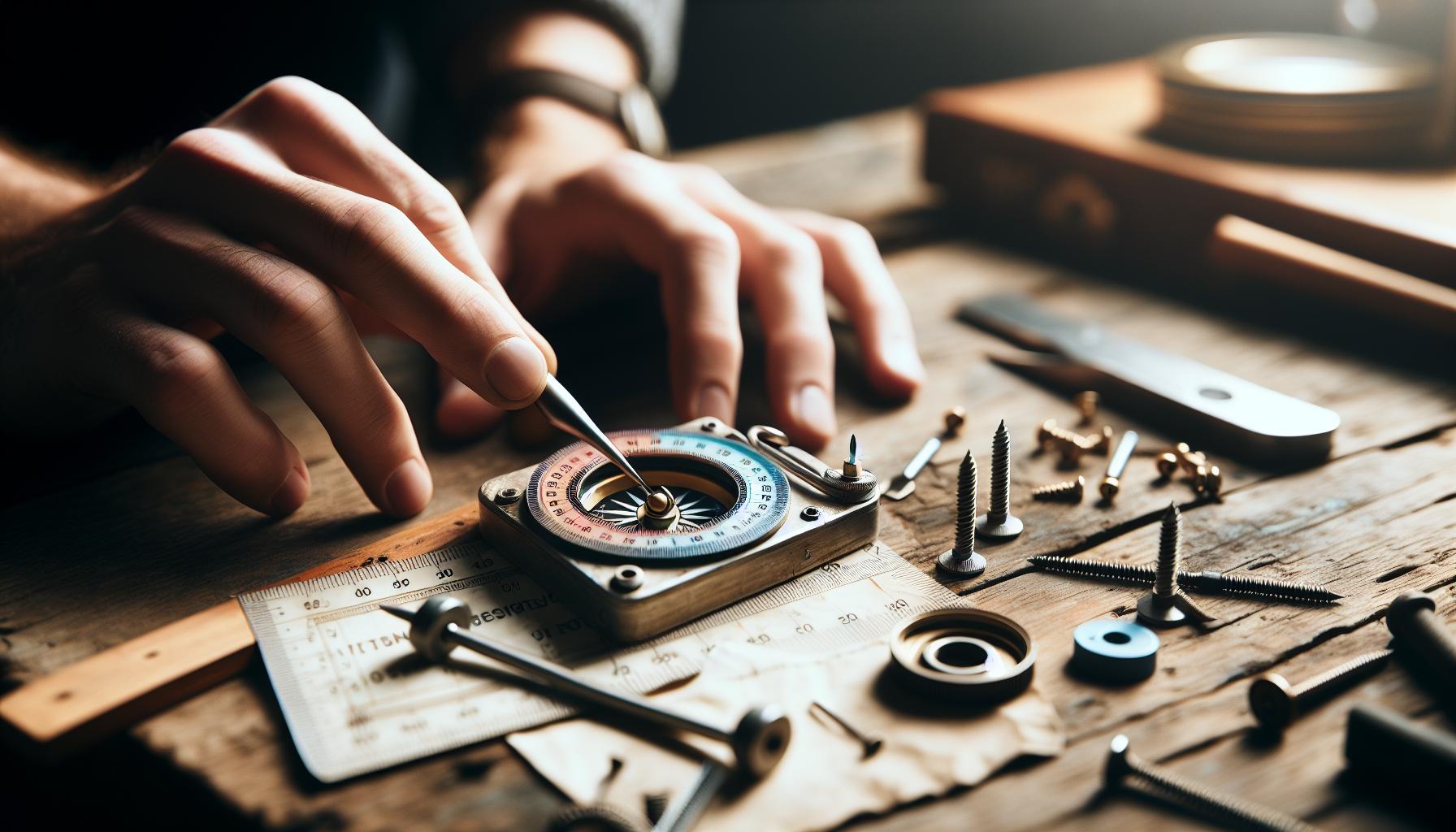
Crafting your own compass can be a fun and educational project, but it’s easy to encounter some common pitfalls along the way. Here’s a guide to help you navigate these bumps in the road and ensure your compass project is a success. One of the biggest mistakes is neglecting the importance of balance in your compass float. If you’re using materials like cork or balsa wood, make sure they are perfectly balanced. If not, your needle may get stuck or give inaccurate readings.
Another frequent issue arises when it comes to the orientation of the compass needle. Many beginners assume it will point north without considering their setup. If your compass isn’t moving freely, it might be due to friction within its housing or the float being too heavy. To fix this, try reducing the weight of your float or ensuring that the needle is adequately lubricated with a small amount of clean oil. This can allow it to swing freely in response to the Earth’s magnetic field.
Environmental Interference
It’s crucial to test your compass in the right environment. A common error is not accounting for magnetic interference, which can come from electronic devices or metal structures nearby. For reliable testing, take your compass to an open space free from these distractions. If you find that your compass still isn’t working as expected, try taking it to different locations and observe if there are discrepancies in its readings. This step will help you understand how location impacts the compass’s functionality.
Remember, persistence is key! As you refine your compass-making skills, don’t hesitate to experiment with different materials and designs. If something doesn’t work initially, think of it as a learning opportunity rather than a setback. You’ll gain valuable insights that will enhance your crafting experience. With each attempt, you’re not just making a tool; you’re developing your navigation expertise and connection to the great outdoors. Keep going-you can do this!
Integrating Your Compass into Outdoor Adventures
Getting into outdoor adventures with your handmade compass can transform a simple excursion into a thrilling exploration! Imagine the excitement of setting out on a hike, not just following trails but navigating through the landscape using the very tool you crafted. It’s about more than just knowing where north is; it’s about connecting with nature and honing your skills along the way. Whether you are trekking in the mountains or wandering in a local park, your compass can be your best companion.
First, let’s make sure you know how to use your compass effectively. Here are a few steps to integrate your compass seamlessly into your outdoor adventures:
- Familiarize Yourself: Before heading out, practice using your compass in your backyard or a familiar area. Understand how to find your direction and how terrain features can affect your navigation.
- Plan Your Route: Mark key points on your map. Use your compass to take bearings on these landmarks, noting the angles associated with each point you’ll navigate toward.
- Stay Aware of the Environment: Always check your surroundings. Look for distinct features like rivers, hills, or towers. Align what you see with your compass readings to ensure you are on the right path.
- Practice Triangulation: If you find yourself unsure of your location, you can use a technique called triangulation. Take a bearing on two visible landmarks, plot them on your map, and the intersection will give you your position.
Incorporating your compass into various outdoor activities adds an element of adventure. For instance, consider a geocaching outing where you can use precise coordinates and your compass to locate hidden treasures. If you’re into camping, ensure you know how to navigate back to your campsite at night with just your compass and the stars. It’s all about building your confidence in navigation, so don’t shy away from trying different environments and conditions. Each adventure will sharpen your skills!
Lastly, remember that crafting your compass is just the beginning. As you venture outside, embrace the spirit of discovery. Keep a small journal of your journeys, noting compass readings, observations, and reflections. This not only enhances your skills but also deepens your connection to the natural world. And always remind yourself: each step into the wild is a chance to learn and grow. You’ve got this, and amazing adventures are waiting for you out there!
How to Personalize Your Compass for Style and Function
Personalizing your compass adds a unique touch that both reflects your personality and enhances its functionality. The process can be as simple or as intricate as you desire, allowing your creativity to shine. A customized compass not only helps you navigate but also becomes a cherished companion on your outdoor adventures. Imagine holding a compass that not only points to magnetic north but also embodies your style-it’s an exciting project that anyone can tackle!
Start with the basics. Choose your materials wisely! You can use natural wood, acrylic, or even metal. For a rustic feel, consider carving designs into a wooden casing using a whittling knife or wood burner. If you’re going for something modern, acrylic can be cut and shaped easily with a laser cutter. Once you’ve decided on your base material, think about the finish. Stains, paints, or clear sealants can enhance the look while protecting your compass. A matte finish gives a vintage vibe, whereas a glossy topcoat can make the colors pop!
Next, consider adding functional enhancements to your design. A wrist strap or a lanyard makes your compass easier to carry, and you can craft these from paracord for durability. Some adventurous souls even integrate a small survival kit into the compass casing-think of including a whistle or a tiny fishing line! Additionally, customizing the compass face with personal markers or initials can make it truly yours. Use paint or a permanent marker for a quick and easy personalization.
Finally, don’t shy away from decorative elements. Sequins, stickers, or nature-inspired embellishments like pressed flowers or leaves can be applied around the base. If you’re feeling particularly crafty, creating a compass pouch from fabric or leather adds a touch of elegance while protecting your tool. Remember, the goal is to celebrate your creativity while keeping the compass functional. Enjoy every step of this process, knowing that you’ve crafted something unique that will aid you in your adventures. You can definitely do this!
Understanding the Science Behind Compass Navigation
Using a compass can feel like a magical experience; after all, it’s not just a simple tool but a fascinating intersection of science and nature! At its core, a compass relies on the Earth’s magnetic field to help you find your way. The Earth acts like a giant magnet, with magnetic poles that create a magnetic field surrounding the planet. A well-crafted compass uses a magnetized needle that aligns itself with this magnetic field, pointing toward magnetic north. Understanding this principle of magnetism is essential for anyone looking to navigate effectively.
When crafting your own compass, it’s important to recognize how factors like declination- the angle difference between true north and magnetic north- can affect readings. Depending on where you are in the world, this angle changes. For instance, if you’re in the United States, this declination can range from several degrees east to several degrees west, so be sure to adjust your compass for accuracy. You can find declination values for your specific location through various online resources, which can help ensure that you’re not just navigating with the compass you crafted but truly finding your way!
In addition, consider the materials you choose for your compass. The type of casing can influence the accuracy of your navigation tool. Non-magnetic materials like wood or plastic work best, as metals can distort the magnetic field and lead your readings astray. When constructing your compass, make sure the needle can move freely and isn’t overly influenced by surrounding objects. Creating a small platform for your needle, perhaps by using a lightweight cork or a similar non-metallic base, can significantly improve its reliability.
As you embark on crafting your compass, it’s also beneficial to test it in various environments and under different conditions. Take it outdoors, away from magnetic interference (like electronics or metal structures), to see how it performs. Remember, practice makes perfect; the more you familiarize yourself with using your compass, the better you’ll navigate in the wild! Embrace the journey of crafting and learning, and remember: you can absolutely do this! Your handmade compass will not only be functional but a fantastic conversation starter and a tool to enhance your outdoor adventures.
Essential Tips for Using Your Handmade Compass
Using your handmade compass can be an exhilarating experience, connecting you with nature and the art of navigation. Here are some essential tips to help you make the most out of your compass, navigate confidently, and enjoy the journey ahead.
First, always hold your compass level. If the compass tilts, the magnetic needle may not align properly with the Earth’s magnetic field, leading to inaccurate readings. To keep it steady, find a flat surface or hold it in front of you with both hands at eye level. This maximizes accuracy and allows for smooth operation.
Next, familiarize yourself with the compass features. Most compasses have a rotating bezel with degree markings. Use this to set a bearing before you head out; align the bezel’s index line with your intended direction, ensuring your compass needle points to magnetic north. By “following the needle,” you can confidently navigate toward your destination. If you’re unsure about your heading, simply rotate your body until the needle aligns with the north marking on the compass, then proceed forward.
When outdoors, be aware of your surroundings to avoid magnetic interference. Metals, electronics, or even large geological formations can disrupt how your compass reads. Ensure you are at least 10 feet away from these influences when taking a reading. Also, it’s wise to test your compass against a known landmark or a GPS device before relying solely on it for navigation. This real-world calibration can help you understand how your compass functions in different environments.
Lastly, practice makes perfect! Take your compass on short hikes or walks in your neighborhood to build confidence in using it. Experiment with various terrains and weather conditions to see how your readings might vary. As you gain more experience, you’ll find that using your handmade compass becomes second nature, enhancing your outdoor adventures and your connection to the natural world. Enjoy the process, and remember: with practice, you can navigate anywhere!
The History of Compass Making: A Brief Overview
The compass, a simple yet essential tool for navigation, has a fascinating history that adds depth to your crafting experience. The earliest known compasses originated in China during the Han Dynasty (around the 2nd century BC) and were primarily used for divination and geomancy, rather than navigation. These early compasses were made from magnetic lodestones that naturally aligned with Earth’s magnetic field. As trade routes expanded and exploration became crucial, the compass became a vital instrument for sailors and adventurers seeking to navigate uncharted waters.
As the compass evolved, innovations transformed its design and functionality. By the 11th century, the magnetic compass was adapted for maritime navigation in China and soon spread to Europe. The design incorporated a magnetic needle suspended over a pivot point, allowing it to rotate freely and point toward magnetic north. This breakthrough was revolutionary, enabling sailors to embark on longer voyages across oceans, confidently knowing they could find their way even on cloudy days or in unfamiliar waters.
Modern Developments
In the 18th and 19th centuries, improvements like the liquid-filled compass were introduced, which significantly reduced errors caused by ship movement. This innovation brought unparalleled accuracy to sea navigation and is a great reminder of how crafting tools has continuously adapted to our needs. Today’s compasses may include additional features like gyroscopic stabilization or GPS integration, merging traditional methods with modern technology. For your compass-making project, understanding this evolution not only enriches your appreciation for the tool but also inspires creativity in crafting your version.
In crafting your own compass, you’re part of a long-standing tradition of makers and explorers. You can experiment with various designs and materials, some reminiscent of the simple, natural forms of the earliest compasses, or choose to innovate using modern techniques. Crafting isn’t solely about the final product; it’s about embracing the journey and learning from the past-your handmade compass isn’t just a tool; it’s a connection to the history of exploration and navigation. So gather your materials, and remember, this project is as much about the story you create as it is about the compass you’ll use on your next outdoor adventure. You can do this!
Frequently Asked Questions About Crafting Compasses
Curious minds often have questions when diving into the world of compass crafting, and you’re not alone! Whether you’re a beginner or honing your skills, it’s essential to address common queries that pop up during your crafting journey. Remember, crafting is about exploration and creativity, so there’s no such thing as a silly question!
One frequent question is about the materials needed. For a basic compass, you’ll want a simple set of supplies: a magnetic needle (or a sewing needle), a small piece of cork or foam, a shallow dish of water, and a magnet to magnetize your needle. If you’re feeling adventurous, you can add a decorative casing or fancy markings to the compass face once you’re comfortable with the basics. These simple tools make it accessible for anyone-seriously, you can do this!
Another common inquiry revolves around accuracy. Many crafters worry that their handmade compass won’t work well. The secret lies in how you prepare your magnetic needle. After magnetizing it by rubbing a magnet along the needle in one direction (about 30 strokes), let it float on the cork in water. A calm surface is key; any disturbance can throw off its orientation. If your compass isn’t pointing north at first, try recalibrating by allowing it to settle again or adjusting the needle’s position with a gentle nudge.
Finally, you’ve got questions about integrating your compass into outdoor adventures. Once you’ve crafted your compass, practice using it in your backyard or a local park. Create a simple course and challenge yourself to navigate from one point to another. This exercise builds confidence and familiarity, making your compass crafting experience rewarding. It’s all about encouraging you to step into the outdoors-after all, your handmade compass isn’t just about the end result; it’s about enjoying the process and discovering the world around you. So gear up, get crafting, and remember: you’ve got this!
Inspiring Compass Projects to Try at Home
Creating your own compass can be an exciting journey into the world of navigation and crafting. Not only does it deepen your understanding of how compasses work, but it also allows you to experiment with materials and designs that reflect your personal style. Here are some inspiring projects you can try at home, each offering a unique twist on traditional compass crafting.
One fun project is crafting a decorative compass that integrates your artistic flair. Gather materials like cardstock, a small container of clear resin, and colored markers. Start by designing a compass face on the cardstock, ensuring to include all cardinal points and embellishments like stars or decorative borders. Once your design is ready, pour a thin layer of resin to encase it. This not only protects your artwork but also gives a professional finish. Allow it to cure as per manufacturer instructions, and then assemble your compass using a needle and cork as detailed in previous sections. This project not only helps you understand the mechanics of a compass but also results in a beautiful piece of art for your desk or as a thoughtful gift.
Another engaging project is making a survival compass from readily available materials. For this, you’ll need a plastic bottle cap, a magnetized needle, and a leaf or piece of cork. Simply fill the cap with water and float the cork or leaf on the surface. Poke a hole in the center and insert your magnetized needle. This DIY compass is lightweight and perfect for taking on hiking trips or camping adventures. Challenge yourself to test its accuracy against a standard compass during your next outing – you have the added bonus of getting outside and practicing your navigation skills!
If you’re looking to involve kids in the process, consider a themed compass project inspired by nature, like creating a compass that features local flora or fauna. Collect small twigs, leaves, and flowers during a nature walk, and use these to decorate the compass casing. Using clear tape or resin, seal the natural elements onto your compass base, transforming it into a beautiful, functional piece. This not only enhances the crafting experience but also helps children develop an appreciation for nature while learning practical skills.
Inspiration can also come from exploring historical designs. Try to recreate a medieval-style compass using brass fittings or distressed wood to evoke a sense of adventure and history. Look into how these compasses were built and their materials, which can drive your crafting decisions. This type of project encourages research and greater knowledge of navigation tools throughout history while giving a satisfying hands-on crafting experience.
Remember, the key is to enjoy the process and make it your own. Whether you’re chasing accuracy or beauty, crafting a compass is not merely about the finished product; it’s about the joy of creating something functional and personal. So grab your materials, unleash your creativity, and dive into these inspiring projects-you got this!
Benefits of Crafting Your Own Navigation Tools
Crafting your own navigation tools, like a compass, can be a rewarding journey that combines creativity, practicality, and a dash of adventure. When you make your own compass, you not only gain a deeper understanding of navigation principles but also create a tool that is uniquely yours. The satisfaction of relying on an item you’ve crafted with your own hands can enrich your outdoor experiences and boost your confidence in navigating unfamiliar terrain.
Creating a DIY compass offers several benefits that go beyond just having a functional tool. First, it fosters a hands-on learning experience. By engaging with the materials and assembling the components, you’ll learn how a compass works and how to interpret its readings. This knowledge enhances your skills as an outdoor adventurer, making you more resilient and self-sufficient. Moreover, crafting your own tools can be a cost-effective alternative to purchasing commercial navigation instruments, allowing you to explore your creativity without breaking the bank.
When it comes to the crafting process, you can tailor your compass to fit your preferences and needs. Choose materials that resonate with you, such as natural elements found during a hike or upcycled items from around the house. This customization empowers you to create something that reflects your personal style and is suited to your intended use, whether that’s hiking, camping, or simply exploring your backyard. Plus, sharing your crafting journey with family or friends can lead to wonderful bonding experiences, as you teach others how to make their own navigation tools.
Practical Skills and Creative Expression
Crafting your own compass is not only about building a tool; it’s also about developing practical skills. Working with your hands can enhance your problem-solving abilities and boost your confidence, especially if you’re a beginner. Simple projects like these cultivate patience and attention to detail as you experiment with materials and techniques.
As you navigate this crafty endeavor, remember that every mistake can teach you something valuable. Perhaps your first attempt at making a compass doesn’t point north perfectly-that’s okay! It’s all part of the learning curve. Embrace the process, adjust your techniques, and keep going. You have the freedom to refine your projects and strive for improvement with each new creation, making your journey even more rewarding.
So gather your materials, stir your creativity, and dive into the craft of making your own compass. Remember, you can do this! Whether you’re a novice maker or an experienced crafter, each compass you create will bring you one step closer to mastering navigation-and you might just discover a newfound love for crafting along the way.
Frequently asked questions
Q: What materials do I need to craft a compass at home?
A: To craft a compass at home, you’ll need a few essential materials: a needle, a small magnet, a cork or piece of foam, a shallow dish of water, and a permanent marker. These items will help you create a basic but functional compass kit. For detailed guidance, check the section on Choosing the Right Materials in the article.
Q: How does a compass work in navigation?
A: A compass works by aligning a needle, magnetized by the Earth’s magnetic field, with the magnetic north. This allows users to determine cardinal directions. Understanding the science behind this process is crucial; consult the article’s section on Understanding the Science Behind Compass Navigation for more insights.
Q: What are common mistakes people make when crafting a compass?
A: Common mistakes include using non-magnetic materials or not allowing the needle to stabilize before taking readings. To avoid these issues, refer to the article section on Common Mistakes When Making a Compass and How to Fix Them for practical tips on ensuring accuracy.
Q: Can I personalize my handmade compass for style?
A: Yes, you can personalize your handmade compass! Consider painting the casing or adding decorative elements like beads or carvings. Unique modifications not only enhance aesthetics but can also improve functionality. Explore ways to personalize in the article’s section on Personalizing Your Compass for Style and Function.
Q: How can I integrate my compass into outdoor adventures?
A: Integrating your compass into outdoor adventures involves learning basic navigation skills and using it alongside a map. Start by planning a simple hike where you can practice orienteering. Check out the article’s section on Integrating Your Compass into Outdoor Adventures for helpful tips.
Q: What should I do if my compass isn’t working correctly?
A: If your compass isn’t working correctly, first ensure it’s away from any magnetic interference, like metal objects. Check if the needle is freely moving and hasn’t become stuck. Further troubleshooting advice can be found in the article’s section on Common Mistakes When Making a Compass and How to Fix Them.
Q: Is it difficult to make an accurate compass?
A: Making an accurate compass can be challenging for beginners, but with the right materials and techniques outlined in the guide, it becomes much more manageable. The article provides a detailed Step-by-Step Guide to Crafting a Basic Compass, which can make the process easier.
Q: What are some inspiring projects involving compasses?
A: Inspiring compass projects include creating a decorative compass rose or customizing compasses for gifts. These creative ventures allow you to showcase your craftsmanship and navigation skills. For more ideas, see the section on Inspiring Compass Projects to Try at Home in the article.
To Wrap It Up
Now that you’ve learned how to craft a compass, you’re equipped to navigate your adventures with confidence! Remember, this simple DIY project empowers you to find your way, whether you’re exploring new trails or just learning the basics of navigation. Don’t let uncertainty hold you back-grab those materials and start your crafting journey today!
Interested in expanding your skills? Check out our guides on DIY Navigation Tools or Outdoor Survival Skills for more engaging projects. And don’t forget to subscribe to our newsletter for tips, tricks, and exclusive content that will keep your exploration spirit alive.
We want to hear from you! Share your compass-making experiences in the comments, ask questions, or showcase your projects. Let’s build a community of makers that inspires each other. Your adventure begins here-happy crafting!
Get our latest guides, news, and insights highlighted in your Google Search & AI Overviews.