
Crafting a mace might sound daunting, but it’s a rewarding DIY project that anyone can tackle! A mace, often depicted in games and stories as a powerful weapon, can be crafted using basic materials and simple tools. Whether you’re interested in historical reenactment, cosplay, or just want to make a unique piece for display, building your own mace allows you to express creativity and enjoy the satisfaction of making something from scratch.
In this guide, we’ll walk you through easy-to-follow steps, highlight the materials you’ll need, and share tips to boost your confidence as a maker. No matter your skill level, from absolute beginner to experienced craftsman, you’ll find valuable insights that will empower you to take on this exciting project. So, gather your supplies and get ready to bring your vision to life-let’s get crafting!
Choosing the Right Materials for Your Mace
is crucial in crafting a durable and functional weapon. The combination of the handle and the striking head significantly affects balance, weight, and ease of use. Generally, you’ll want to select materials that can withstand impact while still being manageable for your skill level and intended use.
For the handle, hardwoods such as oak or ash are excellent choices due to their strength and resilience. These materials provide a sturdy grip and can absorb shock well. Alternatively, if you’re looking for something lighter, you might consider metals like aluminum, which offers durability without excessive weight. If you prefer a softer touch, wrapped handles using leather or cord for added grip can enhance comfort during use.
When it comes to the striking head, many crafters opt for materials like steel or brass for their durability and ability to withstand heavy impacts. If you prefer a more homemade approach, you can experiment with dense woods or even resin composites, although these may not provide the same level of durability as metal.
It’s also worth considering the overall design of your mace. For example, a weighted head might require a more robust handle to support the load, while a lighter mace may allow for a more decorative or less dense handle. In your crafting journey, pay close attention to the weight distribution and balance-test various combinations to find what feels right for you. Remember, the right materials not only enhance functionality but also express your personal style in your handmade weapon. You’ve got this, and with a bit of experimentation, you’ll create something both powerful and uniquely yours!
Step-by-Step Guide to Mace Construction
Crafting your own mace can be a rewarding project that not only gives you a sense of accomplishment but also results in a unique piece that reflects your creativity. Let’s dive into the process, breaking it down into manageable steps to ensure you feel confident and enthusiastic as you work on this powerful weapon.
First, gather your materials. Depending on your design, you’ll need a sturdy handle (such as hardwood like oak or ash) and a striking head, which can be made from steel, brass, or even dense wood. Plan for about 2-5 hours for this project, depending on your experience and the complexity of your mace. Begin by choosing a length for your handle, generally somewhere between 36 to 48 inches is standard. Once you have your materials ready, move on to shaping the handle.
Construction Steps
- Step 1: Cut the Handle – Using a saw, cut your handle material to your desired length. Remember, this is where comfort meets function, so make sure it feels right in your hands.
- Step 2: Shape the Handle – Use a wood rasp or sandpaper to shape the handle for a comfortable grip. Consider angling the grip or adding grooves for better control.
- Step 3: Create the Striking Head – For metal heads, use a shaping tool or forge. If using wood, carve out the desired shape. This could be a rounded end or something more elaborate depending on your design.
- Step 4: Attach the Head – If you’re using a detachable head, drill a hole through both the handle and the striking head for a secure fit. You can use bolts or a dowel to fasten them together.
- Step 5: Finish the Mace – Sand down any rough edges and apply a finish or sealant to protect your mace. You could also add leather or cord wraps around the handle for improved grip.
Once you’ve completed these steps, take some time to inspect your work. Make sure everything is secure and that you’re happy with the feel and aesthetics of your creation. This initial investment of time and care in crafting will pay off when you wield a mace that truly reflects your personal touch. Remember, crafting is a journey-each step you take is a chance to express yourself and develop your skills. Enjoy the process, and don’t hesitate to iterate on your design as your technique improves!
Essential Tools for Crafting a Mace
Crafting your own mace is not just about creativity; it’s about utilizing the right tools to bring your vision to life. The process can seem daunting, but with the proper equipment on hand, you can tackle it confidently, regardless of your skill level. Whether you’re a seasoned maker or just starting out, having the right tools makes all the difference in the world.
To begin, you’ll want basic woodworking tools that are reliable and versatile. A saw is essential for cutting your handle to the desired length. Depending on the material you’re using, a handsaw or a jigsaw will do the job effectively. Next, you’ll need a wood rasp or files to shape and smooth the handle for a comfortable grip. Sandpaper is your best friend here, too-start with a rough grit to remove any major splinters, followed by a finer grit to finish off your handle.
Once you have the handle set, creating the striking head is crucial. If you’re opting for a metal head, tools like a hammer, anvil, and forge will be instrumental. For wood, carving tools such as a whittling knife or chisel will allow you to shape the head according to your design. Additionally, a drill with appropriate bits is necessary for making holes to attach the head to the handle securely.
Finally, don’t overlook finishing tools! A good wood finish or sealant will not only protect your mace from wear but also enhance its aesthetics. If you want to add extra flair, consider leather for a wrap around the handle-this can be applied neatly with a utility knife and strong adhesive. Remember, each tool plays a role in crafting a unique and effective mace. Embrace the process and enjoy every moment as you create something truly yours!
Understanding Mace Design: Shapes and Styles
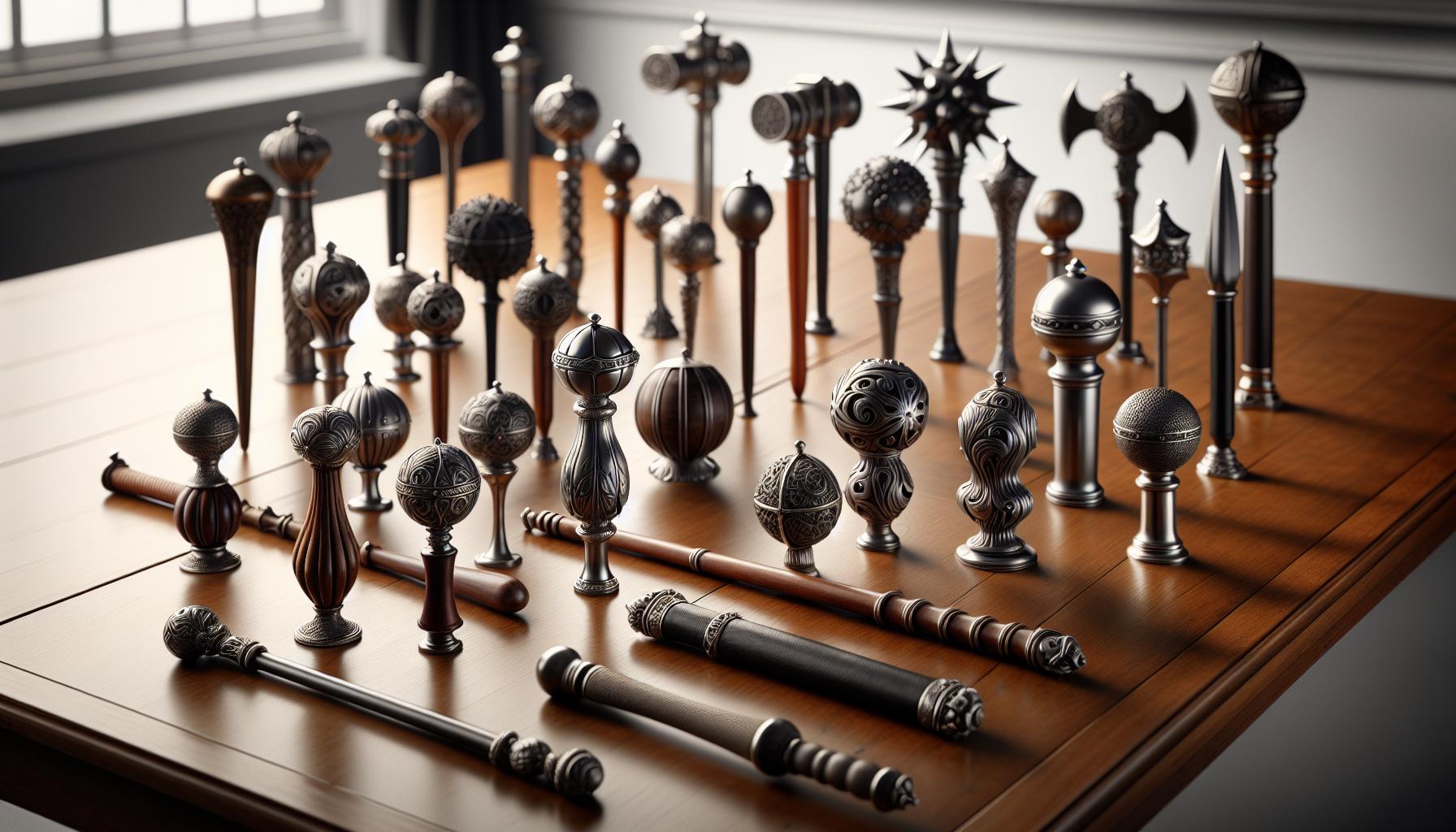
Creating a mace is not just about assembling a weapon; it’s about embracing a rich legacy and understanding the nuances of design that can greatly influence its effectiveness and aesthetics. The shape and style of your mace can vary widely, drawing inspiration from historical models or allowing for innovative personal twists. These factors play a crucial role in how the mace performs and feels in your hand, making this an exciting aspect of the crafting process.
One of the key considerations in mace design is the head shape. Traditional maces often feature a rounded or flanged head, which can deliver powerful strikes. For instance, a flanged head can provide increased impact with less material, while a spiked design can add an intimidating element. Think about what you want your mace to communicate-whether it’s raw power, elegance, or a blend of both. The choice of head style will help you achieve that visual impact.
The handle is equally important. A well-designed handle not only contributes to balance but also affects how the mace feels during use. A longer handle can allow for greater leverage and reach, while a shorter one can provide more control and quick maneuvers. Additionally, consider material selection: wood offers a classic, traditional feel, while metal can give an imposing, modern edge. Experiment with different shapes like tapered or contoured designs to enhance grip comfort.
When you combine these elements thoughtfully, you’re crafting more than just a weapon-you’re creating a piece of art that’s a joy to wield. Take the time to sketch out your ideas, play with various shapes, and even prototype different designs using less expensive materials. Remember, the design process is all about exploration, so don’t hesitate to make adjustments as you bring your vision to life. You’ve got this!
Safety Tips for Building Your Mace
When diving into the exciting world of mace crafting, safety should be at the forefront of your mind. Building a mace can involve sharp tools and heavy materials, which makes it essential to take some precautions. Let’s explore some crucial safety tips to keep you safe and make your crafting experience enjoyable.
First things first, always wear protective gear. This includes safety goggles to shield your eyes from flying debris and a dust mask if you’re working with materials that can produce fine particles. Additionally, sturdy gloves can help protect your hands from cuts and splinters. Choose gloves that allow for dexterity too; you want to be able to manipulate tools easily while staying protected.
Next, keep your workspace organized and free of clutter. A clean environment not only reduces the risk of accidents but also helps you focus better on your project. Make sure to have adequate lighting to spot any potential hazards quickly. Use a dedicated surface for your crafting, like a sturdy workbench, rather than working on surfaces that could be unstable or cluttered.
Be mindful of how you handle tools and materials. Always use the correct tool for each task: for example, don’t attempt to use a chisel for a job better suited for a hammer. When cutting or shaping materials, maintain a stable grip and cut away from your body. If you’re using power tools, ensure they’re in good condition and be sure to read the safety manual beforehand. It’s always better to take a moment to double-check than to rush and risk injury.
Lastly, take breaks when needed. Overworking can lead to fatigue, which increases the likelihood of accidents. If you feel your concentration fading, step away for a short while. Remember, this project is about creativity and enjoyment-so embrace the process, keep safety in mind, and you’ll craft a mace that you not only love but also feel proud to wield!
Finishing Techniques to Enhance Your Mace
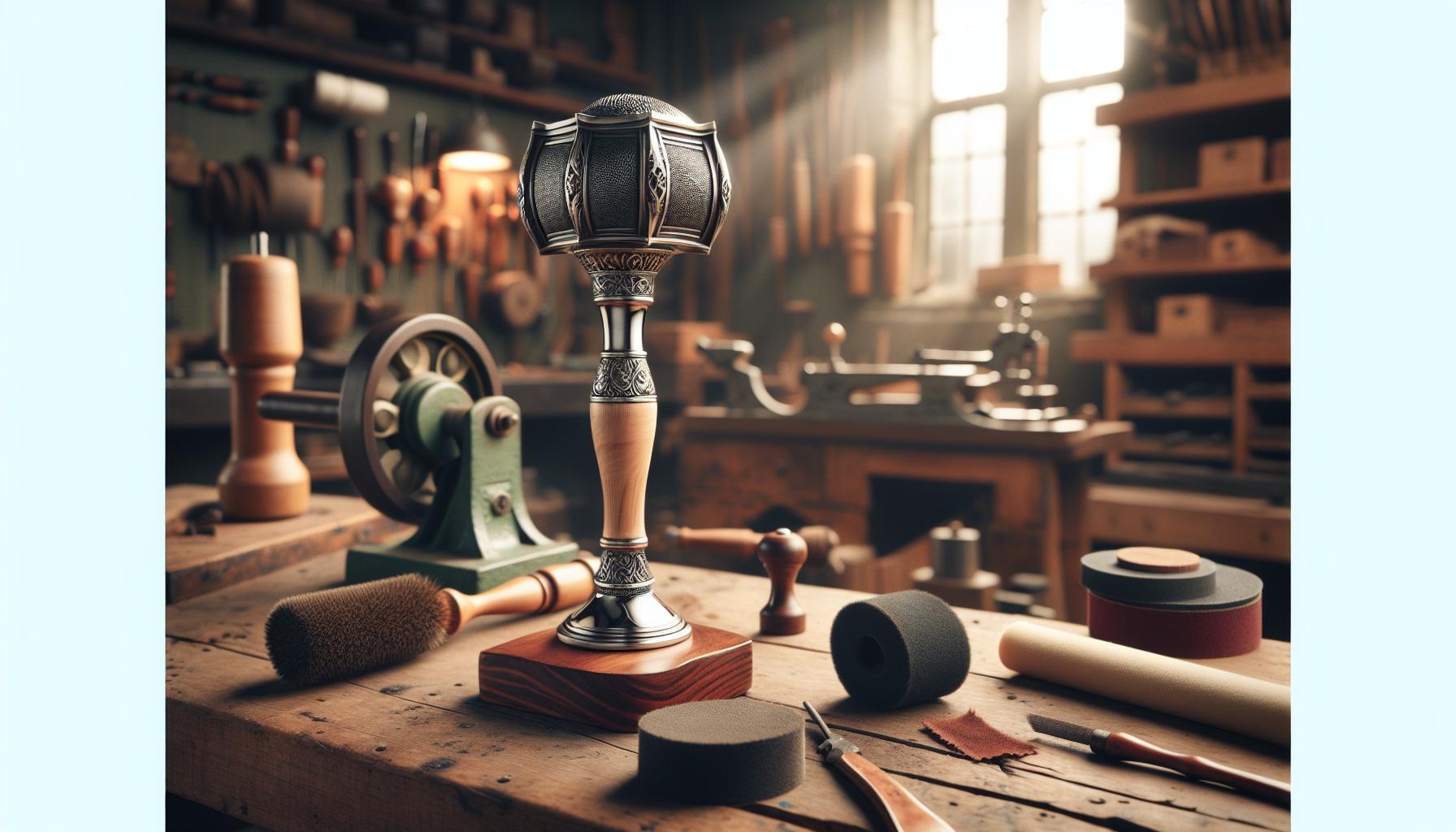
To make your handcrafted mace not only effective but also aesthetically pleasing, mastering the finishing techniques is key. The final touches enhance both function and appearance, allowing your unique creation to shine. Whether you’re aiming for an ancient warrior vibe or a sleek modern look, there are several techniques to elevate your mace to the next level.
Start with a thorough sanding process. Begin using coarse sandpaper to smooth out any rough edges, then progressively move to finer grits. This step is crucial for creating a comfortable grip and ensuring that the mace feels good in your hands. For wooden maces, consider applying a wood conditioner before finishing, as it helps the wood to absorb the finish evenly. This can enhance the natural beauty of the grain and provide a more professional look.
Next, think about staining or painting your mace. If you choose to stain, select a color that enhances the wood’s natural tones while providing a protective seal. For paint, consider using a high-quality spray paint designed for the material of your mace. A multi-colored design can add personality, so don’t hesitate to experiment with patterns or artistic motifs. Just remember to apply a protective clear coat after you’ve achieved your desired look, which adds durability to your finish and helps withstand the wear and tear of use.
Adding Textural Elements
Consider incorporating textural elements for additional grip and stylistic flair. Wrapping the handle with paracord or leather can provide a great grip while adding a rustic touch. Alternatively, you could use rubber grips, sourced from bicycle handlebar tape, for extra comfort and functionality.
Finally, don’t forget about decorative elements like engraving or inlays. A personal touch, such as your initials or a meaningful symbol, can make your mace uniquely yours. These small details not only enhance the visual appeal but also give your mace a story.
With these finishing techniques, you’ll transform your crafted mace from a simple construct into a stunning and functional work of art. The joy of crafting lies in the personal touches you bring to each project-so embrace your creativity and enjoy the process! You can do this!
Maintaining and Caring for Your Handmade Mace
Crafting your own mace is a rewarding experience, but keeping it in great shape is essential for both functionality and aesthetics. Regular maintenance and care will not only preserve the look of your handmade weapon but also ensure it stands the test of time. Think of your mace as a piece of art, and like any artwork, it deserves the best environment to flourish.
Begin by cleaning your mace after each use. For wooden maces, a simple wipe with a damp cloth will do wonders, removing dust and grime. Avoid soaking it in water as this can warp the wood. For metal components, a soft cloth and a gentle polish can help maintain their shine. If you made your mace with different materials, make sure to follow specific cleaning guidelines for each type. Regular inspections are a must; check for any signs of wear or damage, such as cracks or dents, as early detection can prevent further issues.
Next, storage is key. Store your mace in a cool, dry place. If you’re using wood, keeping it out of direct sunlight will prevent warping and fading. Consider using a display rack that showcases your craftsmanship while keeping the mace protected. If your mace is metal, ensure it is not in an extremely humid environment to avoid rust.
Lastly, don’t forget to refinish your mace periodically. If the wood starts to look dry or dull, apply a wood conditioner or varnish to rehydrate and protect it. For any painted or stained surfaces, touch-ups can help preserve the vividness of colors and designs. Your attention to detail in these maintenance steps will enhance the longevity of your mace, allowing you to enjoy using and displaying it for years to come.
With these simple yet effective care tips, your handmade mace can maintain its beauty and functionality, making every practice session or display feel even more satisfying. Get out there, take pride in your work, and remember: you can do this!
Testing Your Mace: Ensuring Durability and Function
Testing your mace is an essential step to ensure both its durability and functionality. After all the hard work you put into crafting your weapon, you want to be sure it can withstand the forces of practice and potential use. Here’s how to effectively test your creation while ensuring it meets your standards.
Start with visual inspections to look for any obvious defects. Check for cracks, splinters, or uneven surfaces, particularly if your mace is made from wood. For metal components, look for rust or structural weaknesses. Given how different materials handle stress, ensure that the handle is firmly attached, and there are no loose parts. Periodically examining your mace not only gives you peace of mind but helps in identifying issues early, allowing for repairs before they escalate.
Next, consider functional tests. If your mace is for martial practice, gently strike a heavy bag or a padded surface to test its weight distribution and balance. Aim for controlled strikes to evaluate how it feels in use. Ask yourself: Does it feel comfortable? Is it easy to maneuver? Make adjustments accordingly; shifting weight or altering the grip can greatly enhance the ease of use. For instance, if the head feels too heavy, you might consider reducing the mass or repositioning some weight.
When testing is complete, make sure to also perform stress tests with varying levels of force. Gradually increase the intensity of your strikes on an appropriate surface. For wooden maces, watch how the material responds; it should flex slightly without splintering. With metal, be cautious of dents or bends that may indicate weakness. Remember, it’s all about finding that balance between power and control. It may take a few practice sessions to truly get a feel for your mace’s capabilities.
By thoroughly testing your mace through inspections and functional trials, you ensure it’s not just a masterpiece in design but also a reliable tool in practice. Don’t shy away from making iterations based on your experience; this is all part of the crafting journey. You can do this, and with every test, you’re one step closer to mastering your creation!
Historical Context of Maces: A Brief Overview
The mace, a weapon carved from history, holds a fascinating place in martial tradition. This heavy club-like armament has origins that extend back to ancient civilizations, where it was often a symbol of power as much as a practical tool of warfare. Initially crafted from wood or reinforced with metals, maces were favored for their ability to deliver devastating blunt force, making them formidable against armed opponents, including those in armor.
Evolution Through Time
As you consider crafting your own mace, it’s inspiring to know that these weapons evolved alongside the engineering advancements of the times. In their early forms, maces were simple wooden sticks, but as metallurgy progressed, the integration of metals transformed them into more lethal devices. For example, by the medieval period, maces often featured a heavy, spiked head to pierce armor, showcasing the creative adaptations made to ensure effectiveness in battle
- Early maces: Simple wooden designs, effective against unarmored opponents.
- Medieval advancements: Introduction of metal heads and intricate designs for greater lethality.
- Modern interpretations: Used in various combat sports, maintaining the traditional focus on striking power.
Cultural Significance
Historically, maces were not just weapons; they were also markers of status and warriors’ honor. Kings and high-ranking officials often carried ornate maces as symbols of royal authority. As you create your own mace, think about how you might incorporate personal touches that reflect your values or aspirations. Perhaps adding engravings or selecting a unique wood can make your mace not only functional but also a testament to your personal journey.
Embracing the legacy of maces adds depth to your crafting endeavor. You are not merely building a weapon; you are creating a piece of history that connects you to generations of makers before you. Whether your goal is combat training, functional artistry, or historical reenactment, crafting a mace can be a fulfilling project. Remember, you can bring your vision to life with confidence, celebrating each strike of the hammer or cut of the saw as a tribute to this timeless weapon.
Inspiration: Unique Mace Designs from History
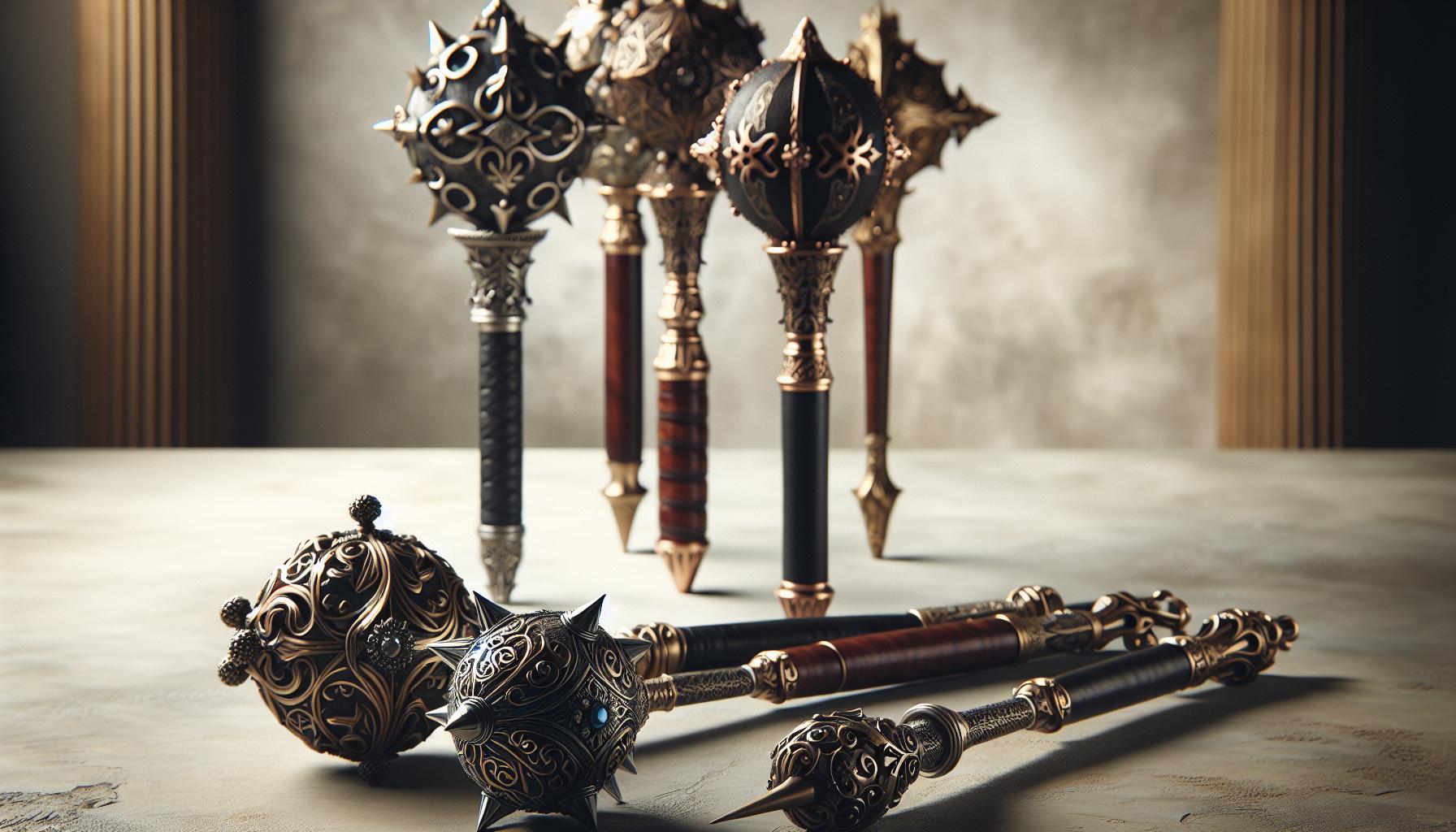
Exploring unique designs from history can ignite your creativity as you plan your own mace crafting project. The design of a mace has varied across cultures and eras, each reflecting the craftsmanship and tactical needs of its time. For instance, the flanged mace, common in the late medieval period, featured protruding “flanges” on its head, allowing it to deliver crushing blows while still being effective against armored foes. These artistic yet brutal designs not only serve a functional purpose but also inspire makers to visually express their craftsmanship through intricate detailing.
Another fascinating example is the mace of the Byzantine emperors, which was often adorned with religious symbolism and precious materials. These maces were not merely weapons but also symbols of authority and governance. When designing your mace, consider how you might integrate personal symbols or motifs that resonate with your own story or beliefs, much like the Byzantines did centuries ago. Perhaps you might engrave your initials or a significant emblem into the head or handle to make your weapon truly one-of-a-kind.
In more recent times, the evolution of the mace can also be seen in its usage in various combat sports. Modern interpretations often include padded heads and lighter materials, making them safer for training while still retaining the essence of their historical counterparts. This can be an excellent jumping-off point for your design. Consider experimenting with materials like fiberglass or foam in combination with wooden handles to achieve both authenticity and safety.
Lastly, engaging with these historical references can guide your choice of materials and techniques. Whether you opt for a simple wooden model inspired by early designs or a more elaborate version that pays homage to royal scepters, the important thing is to find inspiration that speaks to you. You’ve got the creative spirit and the tools-now you just need to embrace the process and enjoy every moment as you bring your unique design to life!
Exploring Modern Uses of Maces in Combat Sports
In the realm of combat sports, the mace has transformed from a fearsome weapon of the past into a versatile training tool that enhances physical fitness and skill. Mace training, often associated with the ancient weapon, focuses on developing strength, coordination, and overall body mechanics. This unique blend of history and modern fitness techniques has made the mace a popular choice among athletes and fitness enthusiasts alike.
Many practitioners appreciate the mace’s ability to engage multiple muscle groups, boosting functional strength and grip. Training with a mace often involves dynamic movements that require control and stability, making it an excellent addition to any workout regimen. Here are a few practical ways maces are used in contemporary combat sports training:
- Strength Training: Heavy maces can be swung, pressed, and lifted to build muscle, focusing on both the upper and lower body.
- Conditioning: Mace training often incorporates high-intensity interval training (HIIT) formats, enhancing endurance while keeping workouts engaging.
- Skill Development: The unique movements required to control a mace help athletes refine their coordination, balance, and timing-crucial skills in any combat sport.
The beauty of using a mace in combat sports is that you can easily adapt it to your fitness level. Beginners might start with lighter, padded versions to master basic techniques before progressing to heavier maces for strength training. You can create workout sessions that mix traditional combat training with contemporary fitness principles, allowing for creative and exciting routines.
For those who want to take it a step further, incorporating maces into partner drills or sparring can elevate training sessions. This not only provides a historical context to the use of maces but also reinforces teamwork and communication among training partners. Whether you’re swinging for cardio, balance, or strength, you’ll find that training with a mace can be a rewarding and powerful element of your combat sports journey.
Remember, the joy of crafting your own mace can greatly enhance the connection you have with this impactful training tool. So, as you make your own, envision the skills you’ll be honing and the strength you’ll be building-because each swing is a step toward your fitness goals!
Frequently Asked Questions About Mace Crafting
Creating your own mace can be an exciting and rewarding project. Whether you’re looking to train with a functional piece of equipment or simply want to explore your crafting skills, you probably have a few questions. Here are some of the most common inquiries about mace crafting:
To get started, understanding the materials is key. You can use wood, metal, or even PVC pipe to craft your mace. Newbies often find wooden maces easier to handle and shape. A common choice is a sturdy hardwood like oak; it’s strong yet workable. If you’re feeling adventurous, you can experiment with different weights and styles. Just ensure that whatever material you choose can withstand the stress of swinging.
When it comes to tools, many crafters wonder what they truly need. At a minimum, you’ll want a saw, sandpaper, and a drill. For advanced builders, consider investing in a lathe for perfecting the shape and a sander for a smooth finish. Don’t forget about safety gear! Gloves and goggles are essential, especially when cutting or sanding materials.
You might also be asking about design. There are various styles, from traditional maces with rounded ends to modern designs with weighted heads and ergonomic grips. Take a moment to sketch out your ideas! Looking at historical designs can provide invaluable inspiration. Plus, once you settle on a design, remember that personalizing your mace with painting or carving can make it truly yours.
Lastly, don’t shy away from testing your creation. After you build your mace, practice swinging it in a safe environment to assess its balance and durability. Adjust as needed-whether it’s sanding edges or adding weight-until it feels just right. The crafting process is as much about the journey as it is the destination, so enjoy every step of bringing your unique mace to life!
Q&A
Q: What materials are best for crafting a durable mace?
A: Selecting high-quality materials is crucial for durability. Common choices include hardwoods like oak or hickory for the handle and metals like steel for the head. Combining materials can enhance strength and weight distribution. For detailed material recommendations, refer to the Choosing the Right Materials for Your Mace section.
Q: How long does it typically take to craft a mace?
A: Crafting a mace can take anywhere from a few hours to a few days, depending on your experience and the complexity of the design. Factor in additional time for finishing and drying if you’re using paint or sealants. Ensure you allocate enough time in your schedule by planning ahead.
Q: What are the safety precautions when making a mace?
A: Always wear protective gear such as goggles and gloves to prevent injuries. Make sure your workspace is tidy to avoid accidents. Refer to the Safety Tips for Building Your Mace section for a comprehensive list of precautions to ensure your crafting experience is safe.
Q: Can I use recycled materials to craft a mace?
A: Yes, you can use recycled materials like old tools or furniture. This approach not only saves money but can also add unique character to your mace. Just make sure the materials are suitable for strength and durability to withstand potential use.
Q: How can I improve the aesthetics of my mace?
A: To enhance aesthetics, consider finishing techniques like staining, painting, or engravings. You can also add decorative elements such as leather wraps or unique head shapes. Explore the Finishing Techniques to Enhance Your Mace section for ideas on improving your mace’s visual appeal.
Q: What should I consider when designing the shape of my mace?
A: Consider functional aspects, such as balance and grip, alongside visual appeal when designing your mace shape. A well-designed mace should allow for comfortable handling while maintaining its striking power. For more insights, check out the Understanding Mace Design: Shapes and Styles section.
Q: What are common issues when crafting a mace and how can I troubleshoot them?
A: Common issues include imbalanced weight distribution and ineffective joining of components. If you notice instability, adjust the materials or reinforce joints. For detailed troubleshooting tips, refer to the Essential Tools for Crafting a Mace section.
Q: Are there historical designs of maces that I can use as inspiration?
A: Absolutely! Many historical designs provide excellent inspiration, such as the flanged mace and the studded mace. Research various cultures to find designs that appeal to you. For more specific examples, see the Inspiration: Unique Mace Designs from History section.
In Retrospect
Congratulations on taking the bold step to craft your very own mace! Remember, this powerful weapon isn’t just about strength; it’s also about the skill and creativity you bring to the process. As you gather your materials and begin assembling, think about the unique design elements you can include to make your mace truly your own. Don’t forget to check out our detailed guides on “Weapon Finishing Techniques” and “Essential Tools for DIY Crafts” to elevate your crafting game even further.
Ready to wield your new creation? Make sure to share your progress and any questions in the comments below-we’d love to see your designs and help you troubleshoot any challenges. If you found this blueprint helpful, consider signing up for our newsletter for more expert tips and exclusive content straight to your inbox. Your journey as a maker is just beginning, and we can’t wait to see where it takes you!
Get our latest guides, news, and insights highlighted in your Google Search & AI Overviews.