
Crafting with sticks is not just a nostalgic pastime; it’s an enriching way to engage with nature and explore your creativity. Sticks, as a fundamental building material, are versatile and abundant, making them perfect for countless projects-from rustic decor to functional tools. Whether you’re a beginner or a seasoned crafter, learning how to effectively gather and manipulate sticks allows you to transform simple materials into unique creations that reflect your personality and skills. You’ll discover that crafting with sticks can be both fun and rewarding, providing a perfect outlet for those seeking to reconnect with their hands and the environment. So, let’s dive into the art of stick crafting together, where you’ll gain practical tips and inspiring project ideas to ignite your imagination. You can do this!
How to Select the Perfect Stick for Your Project
Choosing the right stick for your project can make all the difference between a good craft and a great one. Whether you’re creating a simple walking stick, a stunning wooden sculpture, or a practical garden stake, the characteristics of the stick you select will affect both the aesthetics and functionality of your project. Begin by considering the purpose of your stick. Do you need something sturdy for support, or are you looking for a delicate piece to complement a decorative item? This initial decision will guide you in selecting the appropriate type of wood and size.
Once you have a clear idea of your project’s purpose, delve into the specific qualities of different types of wood. For example, hardwoods like oak and maple are incredibly strong and durable, making them ideal for functional projects. In contrast, softer woods like pine or cedar are lighter and easier to carve, which might be a better fit for intricate designs or crafts that require a bit more artistic flair. Also, consider the finish and texture-some woods are more prone to splintering than others, which could influence how you handle and shape your stick.
It’s also vital to assess the stick’s dimensions, as length and diameter can drastically affect usability. For walking sticks, a generally accepted height is around your wrist when your arms hang at your sides. If you’re crafting something decorative, such as a wall hanging, let the natural form of the stick guide your design. Each stick has its own unique quirks and beauty, so don’t shy away from selecting one that speaks to you, even if it slightly deviates from the standard specifications.
In summary, take a moment to visualize your project, consider the wood’s type, and embrace the uniqueness of each stick you encounter. The perfect stick is waiting out there, ready to be transformed into something wonderful with just a little creativity and effort. Happy crafting!
Essential Tools for Crafting Sticks at Home
Crafting sticks at home can unleash your creativity and transform simple materials into beautiful, functional pieces. To get started on your stick crafting journey, having the right tools can make all the difference. Here’s a handy list of essential items you’ll want to gather before you begin.
Basic Tools for Successful Stick Crafting
- Hand Saw: A good-quality hand saw is crucial for cutting sticks to your desired length. If you’re working with thicker branches, consider a pruning saw for more power.
- Knife or Whittling Tool: A sharp knife will help you carve and shape your stick. Whittling tools are specifically designed for this purpose and are a great option for detailed carving.
- Sandpaper: A few different grits of sandpaper are essential for smoothing the surface of your stick. Start with a coarser grit (like 80) for rough shaping, then move to a finer grit (like 220) for finishing touches.
- Drill: If you’re adding features like hooks or other attachments, a drill with a wood drill bit will get the job done. Make sure to select the right size for your project!
- Wood Glue: Great for securing joints or attaching additional elements to your stick, wood glue is your best friend for ensuring durability.
- Measuring Tape: Precision matters! A measuring tape helps ensure your stick is the right length for your project, especially for functional items like walking sticks.
- Protective Gear: Safety glasses and gloves will keep you protected while crafting. It’s always best to be prepared, even for simple projects.
Crafting Materials
Beyond tools, you may want to consider materials to enhance your stick projects. Some fun examples include:
- Paints or Stains: Personalize your sticks with colors that pop or stains that highlight the natural grain.
- Decorative Elements: Think beads, twine, or even feathers that can add a unique touch to your stick creations.
- Finishes: A clear wood finish can protect your completed project while adding a glossy or matte effect depending on your style preference.
With these tools at your fingertips, you’re ready to get crafty! Don’t hesitate to experiment and think outside the box. Remember, each stick you work with is an opportunity for creativity and personalization. Happy crafting!
Must-Know Techniques for Shaping Sticks Effectively
Shaping sticks is where your creativity can truly take flight, allowing you to transform raw materials into something uniquely yours. Start by selecting a stick that speaks to you. Look for ones with interesting twists, knots, or natural tapering, which can add character to your project. As you embark on this shaping journey, remember that patience and practice are key-each cut and carve brings you closer to your vision.
Begin shaping your stick by using a quality hand saw or pruning saw to trim it down to your desired length. Take your time, and don’t rush the cutting process. Once you have your stick at the right length, it’s time to refine its overall shape. A sharp knife or whittling tool will be your best friend here. Start by removing excess bark and rough spots, being cautious around knots or any weak sections. This is where you can truly personalize your stick, bringing out its natural beauty.
After rough shaping, focus on contouring the stick to fit your design. If you’re creating a walking stick, consider how it feels in your hand. Sandpaper comes into play for smoothing out the surface-start with a coarse grit (around 80) to eliminate roughness, then gradually move to finer grits (up to 220 or higher). This gradual process not only enhances the feel of the stick but also prepares it for any finishes you might add later.
To add unique features, like carved designs or grooves, use your knife to carefully create patterns or textures that resonate with you. Remember, the key is to enjoy the process and embrace the imperfections along the way; these will add character to your finished piece. With every cut and smooth, you’re uncovering the potential of your stick, transforming it into a cherished item that reflects your personal style. Happy crafting!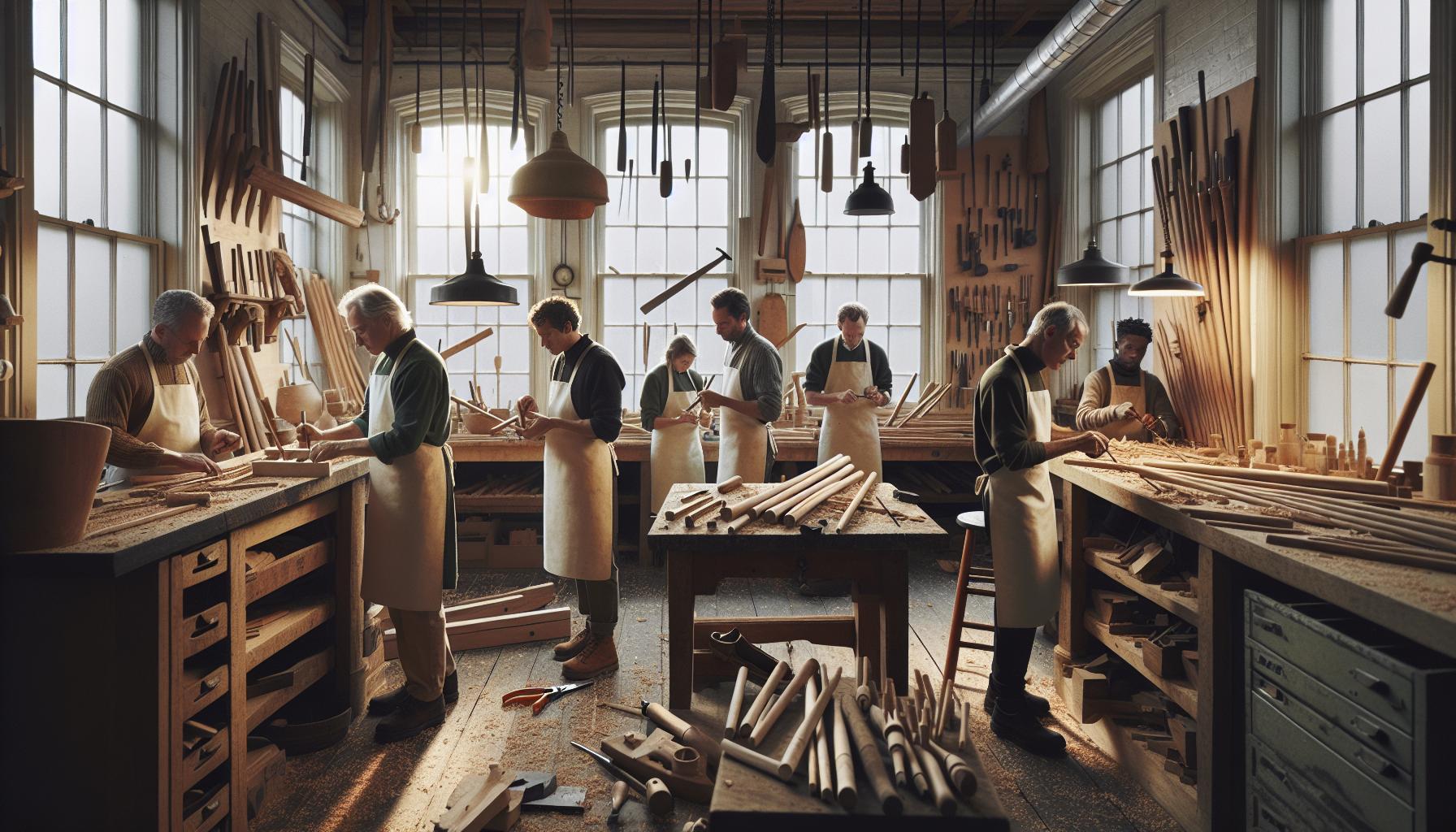
Top Tips for Smoothing and Finishing Your Sticks
Smoothing and finishing your stick can turn a rough piece of nature into a polished work of art. With the right approach, you’ll not only enhance its natural beauty but also ensure that it feels great in your hands. Here are some tried-and-true tips to help you achieve that professional look and finish.
Start with coarse sandpaper (around 80 grit) to tackle any rough edges or bumps. Working with the grain of the wood is crucial; this ensures that your strokes enhance the natural flow of the stick rather than disrupt it. Wrap the sandpaper around a piece of scrap wood to create a sanding block, which allows for better control and an even surface. Once the heavy sanding is done, switch to finer grits (120 and then 220) to smooth out the surface even further. This step is essential for preparing the stick for any finishes you plan to apply.
Choosing Your Finish
Deciding how to finish your stick can be as personal as the style you choose for it. If you want a natural look, a clear wood finish or mineral oil can enhance the wood grain while protecting it from moisture. Alternatively, if you’re aiming for a splash of color, consider using a wood stain. Apply this with a clean cloth, working it into the wood and wiping away any excess. Always test your chosen finish on a small, inconspicuous area first to see how it reacts with the wood.
Finally, after your finish has dried according to the product instructions, buff the stick lightly with a soft cloth to bring out a shine that feels good to hold. Embrace any imperfections; they tell the story of your stick’s journey. Remember, this process isn’t just about making something perfect but about enjoying the creative experience. You’ve got this!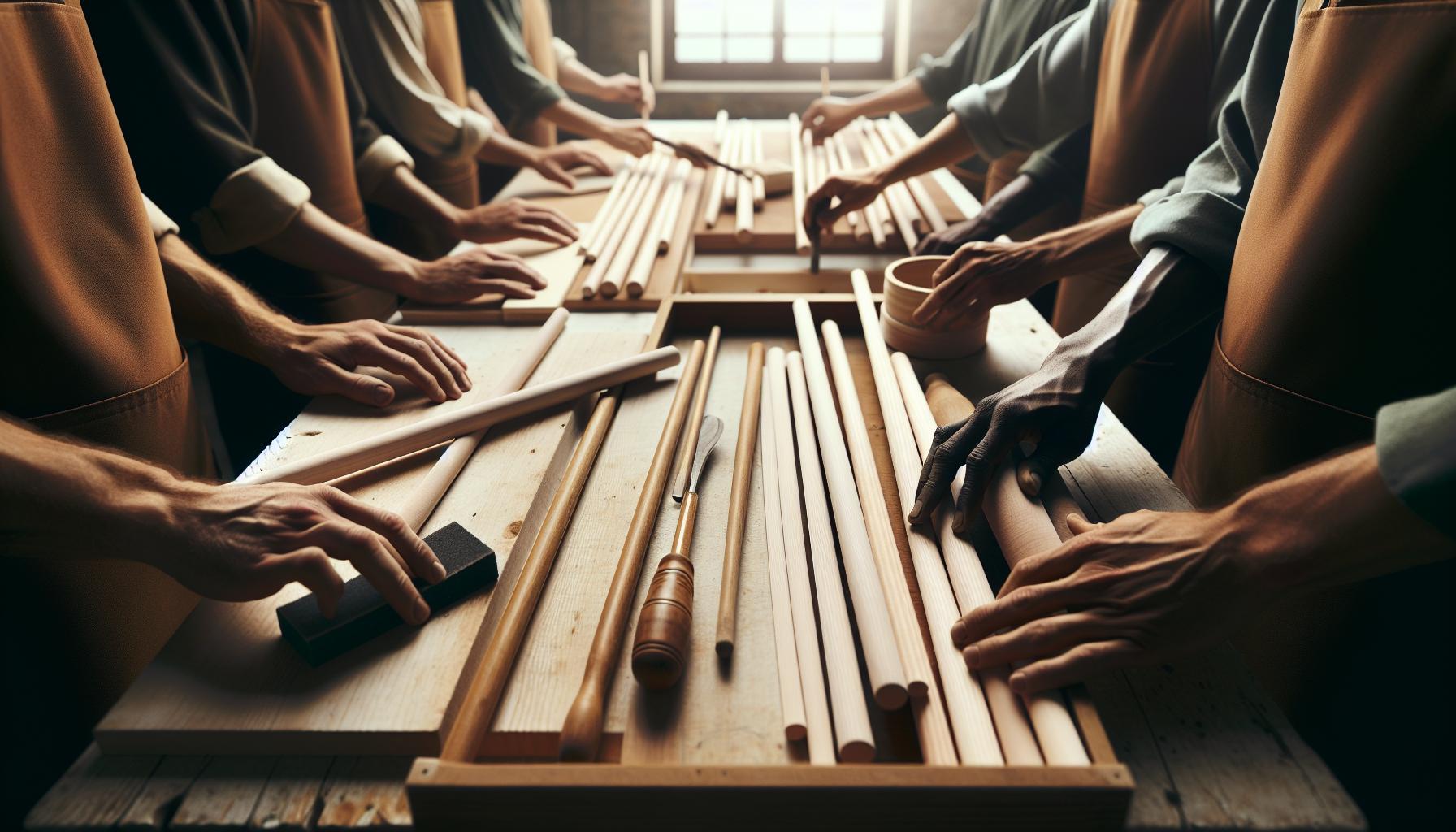
Creative Uses for Sticks in DIY Projects
Crafting with sticks opens up a world of creative possibilities. Whether you find joy in rustic decor or practical everyday items, sticks can transform into stunning pieces that brighten your space. From simple projects to more intricate designs, the versatility of sticks makes them a beloved choice among DIY enthusiasts.
One exciting way to utilize sticks is in creating wall art. You can gather sticks of varying lengths and arrange them in a visually appealing pattern. Just a few tools are needed-a saw, some twine, and a sturdy backing like cardboard or wood. Cut the sticks to your desired lengths and glue them onto your backing. For a cohesive look, consider painting the sticks in complementary colors or leaving them in their natural state for a rustic vibe. This project is perfect for beginners and can typically be completed in an afternoon, giving you a unique art piece for your wall that proudly showcases your crafting skills.
Furniture and Functional Items
Sticks can also serve a practical purpose in furniture projects. One innovative idea is to build a stick chair or stool. By utilizing thicker branches for the legs and backrest, you can create a sturdy yet stylish piece. This project requires some basic woodworking skills but can lead to an impressive addition to your home. To get started, gather strong, straight sticks, and secure them with wood glue or screws for durability. Finish it off with sanding for comfort and a natural oil or stain to enhance the wood grain. You can do this!
In addition to furniture, consider making garden trellises or plant markers. Sticks work wonderfully for supporting climbing plants or delineating garden beds. Simply drive a sturdy stick into the ground at the base of your plants, or tie several sticks together into a trellis framework. You can even paint the tops of smaller sticks for a colorful way to label your plant varieties in the garden. These projects require minimal time and materials, making them accessible even for those just starting out in crafting.
Your imagination is the limit when it comes to the . Each stick tells a story, and with a little bit of craftsmanship, you can weave those stories into beautiful, functional art. Remember, every project is a chance to express yourself-jump in, and have fun with it!
A Beginner’s Guide to Basic Stick Crafting Projects
Getting started with stick crafting can be a rewarding and fun experience. With just a handful of materials and a pinch of imagination, you can create beautiful and functional items right in your home. The best part? You don’t need to be a seasoned crafter to dive in; everyone can enjoy this creative outlet. So grab some sticks and let’s get crafting!
To kick things off, start with simple projects that require minimal supplies and time. Here are a few easy ideas to spark your creativity:
- Stick Picture Frames: Collect several sticks of similar lengths. Arrange them in a square and use glue to affix the corners. Let dry, then add a backboard to hold a picture in place. This rustic frame is perfect for displaying cherished memories.
- Nature-Inspired Wall Decor: Gather sticks of varying lengths and glue them onto a canvas or sturdy board to create a unique wall piece. You can paint the sticks in bright colors for a modern look or keep them natural for a rustic feel.
- Stick Coasters: Slice thin rounds from a sturdy stick or use whole sticks to create a coaster set. Arrange them in circular or square patterns and bind them with twine for a charming set of coasters.
Once you feel comfortable with those beginner crafts, you can branch out into slightly more advanced projects. Consider building a stick candle holder. All you need are some straight, sturdy sticks, a small jar or glass base, and a bit of glue. Position the sticks around the jar, adhering them one by one until they form a beautiful natural surround for your candle.
Throughout your crafting journey, embrace the trial-and-error process. Not everything will turn out perfect, but each project is an opportunity to learn and grow. You have the ability to transform simple sticks into delightful creations that reflect your personal style. Remember, every craft tells a story, and with your unique touch, they will be stories worth sharing! You can do this!
Advanced Stick Crafting: Techniques for Experts
Crafting with sticks can elevate your DIY projects from basic to breathtaking. For those looking to take their stick crafting skills to the next level, it’s all about mastering advanced techniques that introduce complexity and depth to your creations. Think about blending styles and incorporating various materials to make stunning pieces that not only serve as decor but also showcase your creativity.
One technique to explore is lamination, where you glue together thin strips of wood or bark to create a thicker, more robust stick. This process allows you to experiment with different textures and colors, giving your projects a unique flair. For instance, you can create a multi-colored bow for a rustic wreath by layering different painted or stained strips, maintaining about a quarter-inch space between each layer for an eye-catching design. Remember to clamp the strips together while the glue dries to ensure a strong bond.
Joinery Techniques
Utilizing joinery techniques such as dowel joints or mortise and tenon joints can create a breathtaking finish that highlights your craftsmanship. These methods offer strong connections between sticks and can add a clean, professional touch to your projects. The basics of a dowel joint include drilling holes in two pieces of stick, inserting a wooden dowel into the holes, and then securing it with wood glue. This technique is great for creating furniture-like pieces such as stick tables or even benches.
Mixed Media Crafting
Don’t shy away from mixing sticks with other materials! Combine sticks with fabric, textiles, or even metal to enhance your design. For instance, you could wrap jute twine around a stick frame before attaching fabric scraps to create a rustic-style wall hanging. You can also use metallic paints or finishes to achieve a modern twist on traditional stick crafting, turning simple materials into artistic statements.
As you push the boundaries of your creativity, remember that each advanced project offers an opportunity to learn and grow. With practice and patience, you can create remarkable pieces that not only reflect your personality but will also inspire others. Embrace the journey, and don’t hesitate to share your creations along the way-because you can do this, and your skills will only get better with time! Happy crafting!
How to Decorate Your Sticks for Unique Flair
Transforming plain sticks into stunning decorative pieces can elevate your crafting game and add a personal touch to your DIY projects. With just a few creative techniques, you can infuse life and personality into your sticks, making them stand out as beautiful accents in your home or as thoughtful gifts. Decorating sticks is not only about aesthetics; it’s also a delightful way to engage your imagination and showcase your crafting skills.
One of the simplest yet most effective decoration methods is painting. You can easily morph a stick into a vibrant piece of art with just a few supplies. Choose acrylic paints for bright colors and durability. Start by gathering your materials: sticks, paintbrushes, and a palette for color mixing. Once your space is set, follow these steps:
- Clean your sticks: Removal of dirt and moisture will help the paint adhere better.
- Apply a base coat: This layer serves as a foundation. Neutral colors like white or cream work well, but feel free to choose any base that suits your style.
- Get creative: After the base coat dries, let your imagination run wild! Use sponges or brushes to apply different colors, patterns, or even designs like stripes, dots, or floral motifs.
- Seal your art: Once wet paint is dry, apply a clear acrylic sealant to protect your artwork from scratches and wear.
Another fun way to decorate your sticks is via wrapping. Using jute twine, ribbon, or colorful yarn, you can easily add texture and warmth. This technique can be particularly good for creating rustic or bohemian vibes. Here’s how you can do it:
- Choose your materials: Select twine or yarn that complements your home décor or the intended project.
- Start at one end: Secure the end of your twine with a dot of glue or a small knot to keep it in place.
- Wrap tightly: Neatly wrap the twine or yarn around the stick, maintaining tension for a uniform look. You can mix colors or even add beads for extra flair.
- Finish with flair: Once you near the end, secure the last section with glue or simply tie off with a knot.
For those looking to unleash their artistic side, consider adding embellishments like feathers, beads, or small charms. This mixed media approach allows for endless combinations. Attach these additional elements using glue or by incorporating them into your wrapping process. The key is to balance the embellishments so that they accentuate the stick without overwhelming it.
Whatever decorations you choose, remember that this is about expressing your style and having fun. Think about your projects as ongoing conversations between your ideas and the materials. You can do this! With each decorated stick, you’ll grow your skills and confidence as a crafter. The only limit is your imagination, so gather your materials and let your creativity flow! Happy crafting!
Common Mistakes to Avoid When Crafting Sticks
When diving into stick crafting, it’s easy to overlook some fundamental details that can impact the overall outcome of your project. Crafting is meant to be enjoyable, but common mistakes can lead to frustration. Let’s shine a light on some pitfalls to avoid, ensuring your stick crafting journey is as smooth as possible.
One of the most frequent errors is not selecting the right type of stick for your project. Choosing sticks that are too thin or too brittle can result in breakage, especially if your project requires structural integrity, like creating a frame or a support for something else. Always assess the strength of your materials based on the intended use. For instance, sticks collected from sturdy trees like oak or maple make excellent choices for functional items, while lighter sticks might be better for decoration.
Another misstep is neglecting the preparation of your sticks before use. This can include failing to clean them, which might leave residue that interferes with paint adhesion or glue. It’s essential to wash off dirt and debris and, if possible, sand down rough edges to create a smooth surface. Turning your sticks into beautiful creations begins with this crucial first step.
Additionally, many crafters forget to plan their projects ahead of time. Sketching out your design or at least having a clear idea of what you want to achieve can save you time and headaches. It helps to prevent you from cutting too short or misplacing where holes for hanging should be. Start with a basic outline, which can be as simple as a list of materials and a step-by-step process of how you envision your stick craft evolving.
Finally, rushing the drying time of paint or glue is a big no-no. We all get excited to see our projects completed, but impatience can lead to smudges or parts coming undone. Make sure to give your finishes ample time to cure between steps. Not only will this enhance the durability of your pieces, but it will also save you from needing to start over because of a simple oversight.
By keeping these tips in mind, you’ll not only improve your stick crafting skills but also boost your confidence as a creator. Remember, crafting is a journey filled with learning experiences, and every project is a chance to grow. So gather your materials and enjoy the process-you can do this! Happy crafting!
Exploring Natural Materials: Types of Sticks to Use
When embarking on your stick crafting adventure, the type of sticks you choose can make all the difference. Not all sticks are created equal, and understanding the strengths and characteristics of various natural materials will elevate your projects from good to fantastic. Nature provides an array of options, each with unique qualities ideal for different crafting needs.
The most common materials used in stick crafting include sticks from hardwood trees like oak, maple, and birch. These woods are known for their strength and durability, making them perfect for structural projects such as furniture frames or sturdy decorative items. Oak, in particular, boasts remarkable hardness, which is why it’s often used in high-quality woodworking. Conversely, softer woods like pine and cedar are great for lighter projects and decorative crafts, such as wall hangings or small sculptures. Their easier-to-work nature allows for simple cutting and shaping, welcoming both beginners and seasoned crafters alike.
When selecting sticks, keep in mind the environment from which they come. Freshly fallen branches are generally preferable; however, ensure they are dry enough to work with and free from mold or rot. Getting creative with your stick choices can also bring a playful touch to your crafts. For instance, willow branches are known for their flexibility, making them fantastic for weaving or creating curved shapes, while bamboo is lightweight yet sturdy, ideal for projects where you need an element of flexibility.
Lastly, never underestimate the aesthetic qualities of different woods. The natural variations in color and texture can enhance your projects significantly. Consider mixing different types of sticks to create contrast; for example, pairing a dark walnut stick with lighter aspen can produce captivating visual effects. Remember, as you explore the world of natural materials, embrace the imperfections and uniqueness of each stick you find. You can do this! Happy crafting!
Safety Tips for Crafting with Sticks
When it comes to working with sticks, safety should always be your top priority. Whether you’re whittling, carving, or assembling, a few straightforward practices can ensure your crafting experience is enjoyable and injury-free. It’s easy to get caught up in the excitement, but taking a moment for safety can make all the difference.
First, always equip yourself with the right protective gear. A simple pair of gloves can prevent splinters, while safety goggles will protect your eyes from flying debris, especially if you’re using power tools. If you’re cutting or shaping wood, consider using a dust mask to avoid inhaling wood particles. Taking these precautions is not just smart-it’s essential for a safe crafting environment.
Proper Tools Are Your Friends
Investing time in understanding your tools can also significantly enhance your safety. Ensure your tools are sharp and well-maintained; dull tools can slip and cause accidents. When using knives or cutting tools, always cut away from your body and keep your fingers clear of the blade’s path. A stable workspace is crucial too; use a secure surface such as a sturdy table or a cutting board to minimize risks during your creative process.
Environmental Awareness
Furthermore, be aware of your surroundings. If you’re crafting outdoors, watch for uneven ground, overhanging branches, or other hazards. If you’re on a workbench, keep your workspace tidy-this not only boosts creativity but reduces the chances of tripping or knocking over tools. As you collect and prepare your sticks, inspect them carefully for sharp edges or potential hazards like insects or mold.
By following these simple yet effective safety tips, you can embrace your stick crafting journey confidently. Equip yourself with the right materials, protect yourself, and maintain a clean working area. Remember, crafting should be fun, so take these precautions to ensure your focus is on creativity rather than accidents. You’ve got this-happy crafting!
Inspiring Stick Craft Projects to Try Today
Crafting with sticks opens a world of creativity! From simple home decor to fun toys, the possibilities are endless. Chances are you have some sticks lying around your home or yard just waiting to be transformed into something spectacular. Here are a few inspiring projects to get your creative juices flowing and to help you explore the joy of stick crafting.
One delightful project you can tackle is creating a rustic stick frame for your favorite photos. This project is beginner-friendly and can be completed in under an hour. Here’s how to do it:
- Materials Needed:
– Sticks (cut to your desired length)
– A wooden or cardboard backing
– Hot glue gun or wood glue
– Scissors or craft knife
- Step-by-Step Instructions:
– Start by laying out your sticks in the shape of a frame on the backing. Adjust the arrangement as you like.
– Once satisfied, glue the sticks at the corners for stability.
– Let the glue dry before attaching a photo using more glue or clips.
This project enables you to personalize your frame with natural elements, adding a cozy touch to any space.
Another exciting idea is crafting a stick puppet for storytelling fun! This project is perfect for children and can be completed in just 30 minutes.
- Materials Needed:
– Sticks (about 6 inches long)
– Scraps of fabric or paper
– Markers or paint
– Glue
– Scissors
- Step-by-Step Instructions:
– Choose a stick for your puppet’s body.
– Use fabric or paper to create clothing, and glue it onto the stick.
– Decorate the stick with markers or paint to add facial features.
– Create arms using shorter sticks glued to the sides.
Your kids will love putting on shows with their new stick puppets, fostering their creativity and storytelling skills.
Sticks don’t just serve as a crafting material but also as a medium for art. Consider building a stick sculpture garden in your backyard! This project is a bit more advanced, but totally worth the effort.
- Materials Needed:
– Various sticks (different lengths and thicknesses)
– Twine or wire
– Basic tools (saw, gloves)
- Step-by-Step Instructions:
– Begin with a vision-decide on the type of sculpture you want to create.
– Use longer sticks as the base, securing shorter sticks at various angles with twine or wire.
– Continue building and layering until you reach the desired height and shape.
This project will not only beautify your garden but also serve as a personal statement piece.
These stick projects highlight the versatility of using sticks in your crafting. Whether you’re making simple decor or engaging toys, stick crafting allows for creativity and exploration across all skill levels. Embrace the fun and get started on your stick journey today-you can do this!
Frequently Asked Questions
Q: What types of wood are best for crafting sticks?
A: The best types of wood for crafting sticks include hardwoods like oak or maple for durability, and softwoods like pine or cedar for ease of shaping. Consider using locally sourced sticks to ensure sustainability and uniqueness in your projects. Explore more about selecting the perfect stick for your project in the article.
Q: How do I keep my sticks from cracking during shaping?
A: To prevent cracking while shaping sticks, moisten the wood slightly before working on it. Use a damp cloth or spray bottle to lightly mist the surface. This keeps the wood pliable and reduces the risk of damage. Check out our smoothing and finishing tips for more insights.
Q: What techniques can I use to creatively join sticks together?
A: You can join sticks using techniques like notching, lashing with twine, or glueing. Notching provides a secure joint, while lashing offers flexibility for movable pieces. For detailed methods, refer to our section on must-know techniques for shaping sticks.
Q: When is the best time of year to collect sticks for crafting?
A: The best time to collect sticks is during the late fall or winter. During these seasons, trees shed leaves, making it easier to spot fallen sticks. Additionally, the wood is typically drier and easier to work with. For tips on exploring natural materials, visit our article.
Q: How can I safely use tools while crafting sticks?
A: Always wear safety gear, such as goggles and gloves, when using sharp tools. Ensure your workspace is well-lit and organized. Familiarize yourself with each tool’s operation as discussed in our essential tools for crafting sticks at home section.
Q: Why should I consider decorating my finished sticks?
A: Decorating your finished sticks adds personal flair and uniqueness to your projects. This can enhance their aesthetic appeal and make them perfect for gifts or home decor. Learn more about how to decorate your sticks for unique flair in our dedicated section.
Q: What are common mistakes beginners make when crafting with sticks?
A: Beginners often overlook preparing the wood, such as drying and sanding, leading to poor finishes. Additionally, not using the right tools for the job can make crafting more difficult. Our segment on common mistakes to avoid provides essential tips to enhance your stick crafting experience.
Q: Can I use sticks for functional household items, and if so, what are some examples?
A: Yes, sticks are great for creating functional household items! Popular projects include picture frames, coat racks, or garden trellises. Explore more inspiring ideas in our inspiring stick craft projects to try today section.
Insights and Conclusions
Congratulations on taking the first step in crafting your own stick, a fundamental building material for countless projects! Remember, whether you’re a beginner or a seasoned crafter, the key takeaways from this guide empower you to explore and create with confidence. You can use sticks for DIY projects, gaming accessories, or even as natural decor. The possibilities are endless!
If you’re inspired to dive deeper, check out our step-by-step guide on “DIY Crafting Essentials” and “Sustainable Materials for Creative Projects.” Don’t hesitate to join our newsletter for tips, tricks, and exclusive content to enhance your crafting journey. Share your stick-crafting experiences in the comments below-your story could inspire others to start their own projects! Keep exploring, and remember: every crafting adventure begins with a single step, and you’ve already made yours. Happy crafting!
Get our latest guides, news, and insights highlighted in your Google Search & AI Overviews.