
Crafting your own hammer is not just a rewarding project; it’s an empowering experience that connects you to the art of making. Whether you’re a budding blacksmith or a DIY enthusiast, understanding the essential materials needed for this classic tool is crucial. A well-crafted hammer can elevate your projects and enhance your skills, making this guide invaluable for anyone ready to embark on a crafting journey.
Imagine the satisfaction of swinging a hammer you’ve crafted with your own hands! This guide will walk you through the necessary materials, tools, and steps to create a hammer that fits your personal style and needs. You’ll find that with a little preparation and creativity, you can tackle this project with confidence. So, let’s dive into the essentials you need, ensuring you’re fully equipped to bring your hammer-making vision to life!
Essential Materials for Crafting Your Hammer
Crafting your own hammer is not just an impressive skill; it’s a rewarding experience that lets you create a tool tailored to your needs. Using the right materials is crucial to ensure your hammer is functional, durable, and comfortable to use. Let’s dive into the essential components you’ll need for your hammer-making project.
Choosing the Right Metal for Hammer Heads
The hammer head is where most of the action happens, so picking the right metal is fundamental. Common choices include:
- Steel: This is the most popular material due to its strength and durability. High-carbon steel has excellent impact resistance.
- Brass: Often used for soft hammers, brass is gentle on surfaces and perfect for striking without marring.
- Copper: If you’re looking to create a non-marring hammer for delicate work, copper is an excellent option. Its weight helps deliver a good impact without the hardness of steel.
Selecting the right metal not only influences the hammer’s effectiveness but also how it performs based on the tasks you plan to tackle.
Selecting Wood for Hammer Handles
The handle material can dramatically affect the comfort and usability of your hammer. Wood is commonly used due to its natural shock-absorbing qualities. Here are some favorite types:
- Hickory: Known for its resilience, hickory is a top choice among woodworkers for handles. It offers great shock absorption and a sturdy grip.
- Maple: This hardwood is slightly lighter than hickory but still provides a strong handle. It’s less shock-absorbing but very smooth.
- Ash: Another good option, ash is lightweight and flexible, giving you an enjoyable striking experience.
Choosing wood that feels good in your hands will make your crafting experience even more enjoyable.
Gathering Additional Materials
Aside from metal and wood, you’ll need a few more items to successfully craft your hammer:
- Epoxy or Wood Glue: For securely attaching the handle to the head.
- Finishing Oil or Varnish: To protect the wood and enhance its appearance.
- Sandpaper: For smoothing down rough edges on the handle.
By gathering these materials beforehand, you set yourself up for a seamless crafting experience. The joy of hammer-making lies not just in the finished product but in the process itself-so let’s get started! You can absolutely do this!
Choosing the Right Metal for Hammer Heads
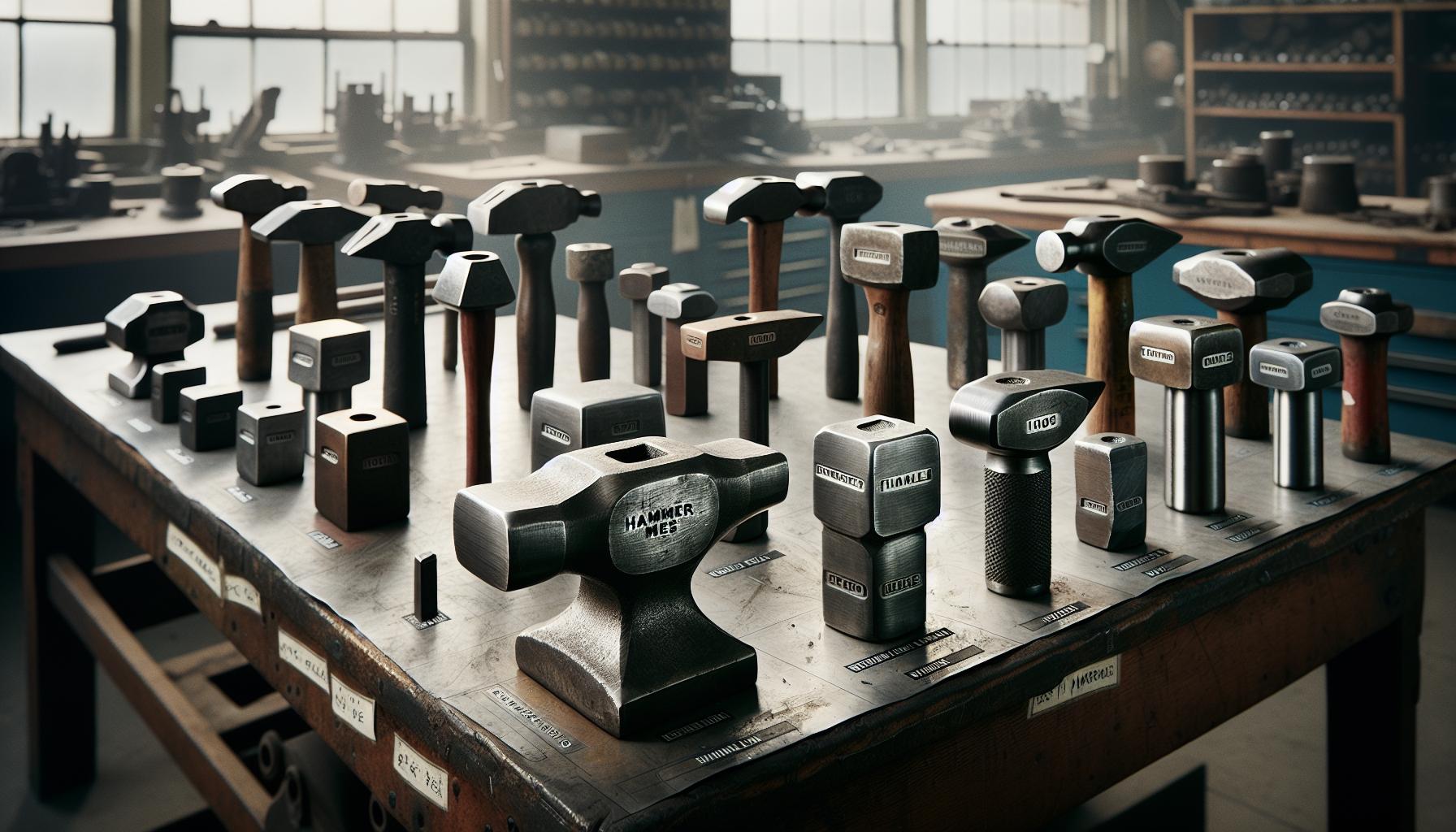
When crafting a hammer, the choice of metal for the head can make all the difference in how effectively your tool performs. The hammer head needs to endure significant impact, so selecting a metal that is both durable and appropriate for your intended use is essential. Let’s explore some of the most popular options, their benefits, and how they can enhance your hammer-making project.
One of the most commonly used metals for hammer heads is steel, particularly high-carbon steel. Known for its incredible strength and durability, high-carbon steel is excellent for wielding heavy blows. This type of steel can resist deformation, which means that your hammer will maintain its shape even after repeated use. If you’re planning on tackling heavy-duty projects, steel is your go-to choice.
For those who need a gentler touch, consider using brass. This metal is softer, making it an ideal option for soft hammers used in delicate work, like tapping joints without marring the surface. Brass hammers are perfect for tasks that require precision, such as working with softer materials like wood or metal that needs to avoid dents and scratches.
Another fantastic alternative is copper, which boasts similar benefits to brass but with a bit more heft. Copper hammers are particularly useful for artisans working with fine materials. The weight of copper allows for effective striking without the risk of causing damage, making it a favorite for anyone who values precision in their craft.
- Steel: Best for heavy-duty tasks; offers strength and durability.
- Brass: Ideal for soft hammers; prevents marring on surfaces.
- Copper: Excellent for delicate work; combines good weight with gentleness.
In summary, selecting the right metal for your hammer head not only influences the tool’s functionality but also aligns it with the specific tasks at hand. Whether you choose steel for its robustness or brass and copper for their gentler applications, you are well on your way to crafting a hammer that will serve you well for years to come. Remember, enjoy the crafting process-you can absolutely do this!
Selecting Wood for Hammer Handles
Choosing the right wood for the handle of your hammer is essential for comfort, durability, and control. The handle is often the most important part of the hammer because it connects you to the striking force of the tool. A well-chosen wood can absorb shock, provide a good grip, and feel comfortable in your hand during extended use.
When it comes to hammer handles, hickory is a popular choice among woodworkers and craftsmen. This type of wood is renowned for its excellent shock absorption and resilience, making it able to withstand the rigors of heavy impact. Hickory handles can also be comfortable to grip and reduce vibration, allowing for a smoother experience during use. If you’re looking for a traditional wood that can handle a lot of pounding without breaking, hickory is your best bet.
Another excellent option is ash, which is slightly lighter than hickory but still provides good shock absorption and strength. Ash is known for its flexibility, allowing it to bend slightly upon impact without breaking. This quality makes it particularly suitable for hammer handles where control and maneuverability are crucial, such as in woodworking or metalworking projects.
If you’re interested in a more unique look or a sustainable choice, consider maple. This hardwood is aesthetically pleasing and offers a strong, durable handle. While it may not absorb shock as effectively as hickory or ash, its density provides a very solid feel, and the smooth texture can be comfortable in hand. It’s perfect for smaller hammers or those intended for light-duty work.
- Hickory: Best for strength and shock absorption; ideal for heavy-duty hammers.
- Ash: Lighter and flexible; great for control in precision work.
- Maple: Visually appealing; offers good durability for light to medium tasks.
In summary, selecting the right wood for your hammer handle plays a pivotal role in your crafting experience. Each type of wood has its unique benefits, and understanding these can help you tailor your hammer to your specific needs and preferences. Remember, you can absolutely do this, and the joy of creating your own tools is rewarding! Choose your wood wisely and enjoy the process!
Tools You Need for Hammer Crafting
To embark on your hammer-making journey, having the right tools at your disposal can make all the difference. This not only simplifies the crafting process but also enhances the quality of your final product. Don’t worry if you’re new to crafting-gathering these essential tools is a straightforward task that even beginners can tackle with confidence!
- Forge or Anvil: If you’re working with metal hammer heads, having access to a forge or an anvil is crucial. A portable forge can be a great investment, while anvils provide the solid surface needed for shaping hot metal.
- Hammering Tools: You’ll need a variety of hammers, such as a ball peen hammer for shaping and forming metal, and a sledgehammer for heavier tasks, making the crafting process smoother and more efficient.
- Metalworking Tools: If you’re crafting a metal hammer head, tools like files, a hacksaw, and pliers are essential for shaping and finishing. A bench grinder can also help refine your hammer head’s shape and edges.
- Woodworking Tools: For wooden handles, a saw, chisels, and sandpaper will help you cut and shape your handle to fit perfectly in your hand. A lathe can help achieve a uniform shape, adding a professional touch.
- Measuring Tools: Precision is key, so have calipers and measuring tapes on hand to ensure your components fit together perfectly. A square can help check angles and ensure things line up correctly.
- Safety Gear: Never overlook safety! Protective eyewear, gloves, and a dust mask are must-haves to keep yourself safe from flying debris and harmful particles.
A great project starter is to dive into customizing your hammer handles. Begin with a piece of hickory or ash, and use your woodworking tools to create a comfortable grip. Measure twice-cut once! This will guarantee a great user experience. If you’re crafting a metal head, remember to heat the metal until it’s red hot; this makes shaping it much easier. The rewarding part? When you swing your newly crafted hammer, it’s not just a tool-it’s a piece of you, crafted with care and effort.
With every tool in place, the excitement of creating your own hammer only grows. You’ve got this! Embrace the process, and let your creativity shine as you craft something uniquely yours.
Understanding Hammer Design: Shape and Balance
To craft a hammer that feels right in your hand and performs well with every swing, understanding the design principles behind *shape* and *balance* is essential. The shape of the hammer head varies widely depending on its intended use, whether you’re looking for a claw hammer for nail pulling or a sledgehammer for heavy-duty work. Each design element influences both effectiveness and user comfort. A well-designed hammer will have a head geometry that maximizes force transfer and impacts the material without excessive shock to the handle.
When considering balance, aim for a hammer that feels good in your hand. A general guideline is that the center of gravity of the hammer should be around the perfect balance point for your grip style. Too heavy at the head can lead to fatigue, while a handle that’s too light can result in a lack of power transfer. You can achieve a good balance by selecting the right proportions of head and handle, ensuring they work in harmony. An example of this is the classic baseball bat-shaped handle, giving you both control and strength.
Key Design Elements
- Head Shape: Different tasks require different shapes. A flat face is ideal for driving nails, while rounded faces are better for shaping metal.
- Weight Distribution: A hammer’s weight should feel comfortable during use. Experiment by holding hammers in your hand to find what feels best.
- Handle Length: A longer handle can give more leverage, but it may also require more strength. Consider your size and the tasks you will perform when choosing length.
Constructing your hammer with these factors in mind will not only enhance your crafting experience but also improve the tool’s overall functionality. So gather your materials, think about how you want your hammer to feel, and remember: this is your personal project. You can choose every detail to suit your crafting style. Whether you’re a beginner or an experienced maker, building a hammer designed with shape and balance in mind will empower you, making every swing a joy.
Step-by-Step Guide to Crafting a Hammer
Crafting your very own hammer is an empowering experience that not only gives you a practical tool but also a sense of accomplishment. Imagine sculpting a hammer that fits perfectly in your hand and serves your unique needs, all while honing your crafting skills. Whether you’re a beginner or a seasoned maker, following a step-by-step approach can help turn this project into a fulfilling craft session.
Start by gathering the essential materials you’ll need: metal (for the head), wood (for the handle), and various tools. A strong choice for the hammer head could be steel, which provides durability, while hardwood like hickory is excellent for the handle, offering both strength and shock absorption. Set aside some time, ideally a few hours, to complete this project, depending on your skill level and the complexity of your design.
Step-by-Step Process
- Design Your Hammer
Sketch out your hammer’s design on paper, taking note of the head’s shape and the handle’s length. Make sure to incorporate the right proportions for balance.
- Cut the Metal for the Head
Using a saw or a grinder, cut out the metal to form the hammer’s head according to your design. Smooth out any sharp edges to ensure safety during use.
- Shape the Handle
Cut the wood to your desired handle length using a saw. Sand it down to create a comfortable grip, focusing on creating a slight taper for ergonomic handling.
- Attach the Head to the Handle
Drill a hole in the head and the handle to create a snug fit. Use metal adhesive or hammer the head onto the handle and secure it in place with a wedge for additional support.
- Finishing Touches
Sand both the head and handle to eliminate any rough spots. Apply a protective finish to the wood to extend its life and prevent wear and tear.
Celebrate Your Creation
Congratulations! You now have a custom hammer built with your own hands. This process not only enhances your crafting toolkit but also allows you to take pride in something uniquely yours. Embrace this craft as a way to explore further, perhaps experimenting with different materials or styles in future projects. Remember, with every swing, you’re not just using a tool; you’re showcasing your creativity and effort!
Common Mistakes to Avoid When Crafting

Crafting a hammer can be an immensely rewarding project, but it’s easy to stumble into pitfalls that could affect your final product. By avoiding some common mistakes, you can ensure that your DIY hammer not only looks great but also functions effectively. A little forethought can save you time and frustration, leading to a more enjoyable crafting experience.
One of the most prevalent errors is misjudging the balance between the head and the handle. This is essential for a hammer’s performance. If the head is too heavy for the handle, it can make the hammer unwieldy and unsafe to use. To avoid this, plan your design meticulously: sketch out your hammer proportions and consider the materials you’re using. Ensuring that the weight distribution is just right will lead to a more efficient tool that feels good in your hand.
Another mistake to watch out for involves cooking your metal head too long during shaping or cutting processes, which might weaken it. Always keep an eye on your heating times if you’re forging or shaping metal components. Use a thermometer if necessary, and remember that when in doubt, it’s better to underheat than to overheat. Your goal is to soften the metal enough to work with it without losing its structural integrity.
When it comes to attaching the head to the handle, many makers overlook the importance of a secure fit. Failing to drill holes accurately can lead to a loose connection that risks the head coming off during use. Before drilling, double-check your measurements and mark your points carefully. Using a snug fit with wood wedges can add extra security. Lastly, be patient and don’t rush the final sanding and finishing touches. Taking the time to smooth out rough edges and applying a protective finish will not only improve the aesthetics of your hammer but also extend its lifespan.
Celebrate the little victories as you craft! By sidestepping these common mistakes, you’ll not only create a functional tool but also develop your skills further. Remember, every seasoned crafter has faced their share of challenges-learn from them, adapt, and enjoy the process!
Maintaining Your Hammer: Tips and Tricks
Your hammer is not just a tool; it’s an extension of your creativity and craftsmanship. To ensure it remains in top condition and serves you well for years to come, establishing a maintenance routine is essential. Regular care not only prolongs your hammer’s life but also maintains its effectiveness and safety during use. Here are some tips to keep your handmade hammer in pristine condition.
Cleaning Your Hammer
After each use, take a moment to clean your hammer. Built-up debris can impact performance. For most materials, a simple wipe with a damp cloth will do the trick. If your hammer has a metal head, be sure to dry it thoroughly to prevent rust. You can also use a wire brush for stubborn dirt. For wooden handles, a gentle sanding with fine-grit sandpaper can remove any rough spots and splinters.
Inspecting for Damage
Regularly check your hammer for signs of wear and tear. Look for cracks in the handle, loosening of the head, or any signs of rust on metal parts. If you notice the head is becoming loose, it might be time to re-secure it. You can achieve this by removing the head and applying a wood glue before reattaching it. This not only secures the fit but also prevents further damage.
Storing Your Hammer
Proper storage is crucial for keeping your hammer in great shape. Store it in a dry place to avoid moisture, which can lead to rust and deterioration of the wooden handle. Consider hanging your hammer on a pegboard or using a designated toolbox. This keeps it accessible and protects it from potential damage.
Maintaining your hammer doesn’t have to be an arduous task. By integrating these simple practices into your routine, you’ll enhance both the longevity and performance of your tool. Celebrate the process of caring for your creations; after all, each maintenance session is an opportunity to connect with your craftsmanship and keep your love for making strong!
Exploring Different Types of Hammers and Their Uses
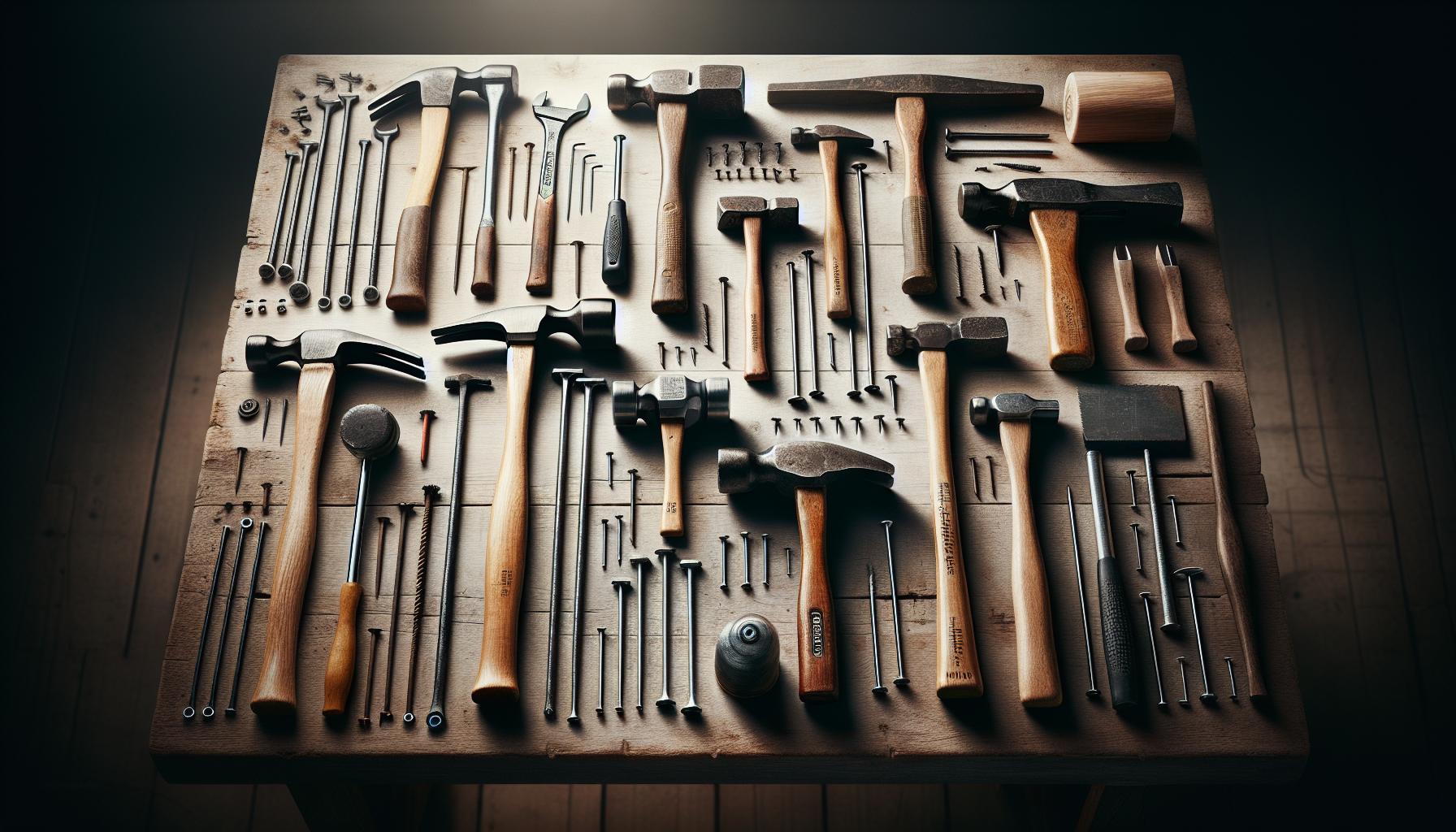
You might be surprised to learn just how many different types of hammers are out there, each designed with a specific purpose in mind! Understanding the various hammers available not only helps you choose the right one for your next project but also enhances your woodworking, metalworking, or crafting skills. Let’s explore some common types of hammers and their respective uses so you can select the perfect tool for your needs.
Common Types of Hammers
- Claw Hammer: This classic design is ideal for driving nails and pulling them out. It features a flat striking surface on one side and two curved claws on the other for pulling out nails. Perfect for general woodworking projects!
- Sledgehammer: With a heavy, broad head, this hammer is used for demolition and driving stakes. It’s powerful and best suited for heavy-duty tasks.
- Mallet: Often made from wood or rubber, this hammer is perfect for gentle blows needed when working with chisels or assembling delicate pieces to avoid damage.
- Ball Peen Hammer: Commonly used in metalworking, this hammer has a rounded end that’s great for shaping metal and a flat end for striking.
- Dead Blow Hammer: Filled with sand or shot, this hammer delivers a powerful strike while minimizing rebound, making it ideal for installing materials without marring surfaces.
- Framing Hammer: This heavy-duty hammer has a longer handle and typically features a milled face to grip nails better. It’s essential for building frameworks in construction projects.
Choosing the Right Hammer for Your Project
When selecting a hammer, consider the materials you’re working with and the tasks at hand. For example, if you’re woodworking, a claw hammer is a classic choice. But if you’re into metalwork, a ball peen hammer is invaluable for shaping metals and driving punches. Here are a few tips to guide your selection:
- Material Matters: Harder materials like steel might require a heavier hammer like a sledgehammer, while lighter tasks can be accomplished with a lighter mallet.
- Comfort and Control: Ensure the hammer feels comfortable in your hand, allowing for a firm grip and precise strikes.
- Project Requirements: Match the hammer to the job. For example, a rubber mallet is perfect for assembling lightweight furniture without marring surfaces, while a framing hammer is necessary for heavy construction.
With so many hammers available, there’s one out there for every maker. Whether you’re a novice DIY-er or a seasoned pro, understanding these basic types prepares you to tackle any project confidently. So go ahead, find the right hammer, and dive into your next crafting adventure-you’ve got this!
Expanding Your Skills: Advanced Hammer-Making Techniques
Crafting your own hammer is not just about assembling a tool; it’s about expressing your creativity and enhancing your skill set. Whether you’re a hobbyist or a seasoned artisan, mastering advanced hammer-making techniques can elevate your projects to new heights. Imagine designing a hammer that feels perfect in your hand, tailored specifically to your crafting style! Let’s dive into some techniques that will help you create a hammer that’s not only functional but also uniquely yours.
To start, consider the heat treatment process for your hammer head. This technique involves heating the steel until it reaches a certain temperature (around 1,500°F for most carbon steels) and then quenching it rapidly in oil or water. This process hardens the metal, making it more durable and able to withstand the demands of your projects. Tip: Use a furnace or a propane torch to control the heat effectively-it’s easier than you think!
Once you have your metal ready, focus on shaping your hammer head. Use a forge or an anvil to create various shapes that suit your hammer’s purpose. For instance, if you want a sledgehammer, a broader face with a slight curve might suit your needs best. Conversely, for a ball peen hammer, a rounded end will be crucial for metalworking tasks. Experiment with different shapes and sizes on scrap metal until you find the design that works best for you. Remember: Each shape offers unique benefits, so don’t hesitate to be innovative!
Next up, let’s talk about custom handles. The handle is where comfort meets utility. When selecting wood or synthetic materials, look for options that provide a firm grip yet are lightweight. Trick: Try adding a contoured shape to the handle for better ergonomics. Use a lathe for a polished finish and to create unique patterns-this enhances both feel and aesthetics. Finishing your handle with linseed oil not only brings out the wood’s natural beauty but also provides protection against the elements.
Finally, take a moment to personalize your hammer. This could mean engraving your initials, adding a special finish, or even incorporating different materials into your design-like mixing wood with leather or metal accents. This step adds a personal touch to your hammer, making it a truly one-of-a-kind tool that you’ll love to use.
The joy of hammer-making lies in the details. With these advanced techniques, you’re not just creating a tool; you’re crafting an extension of yourself. Every time you pick up your custom hammer, you’ll feel the pride of having made something unique and functional. So gear up, unleash your creativity, and start hammering out your vision today!
DIY Hammer Projects to Spark Your Creativity
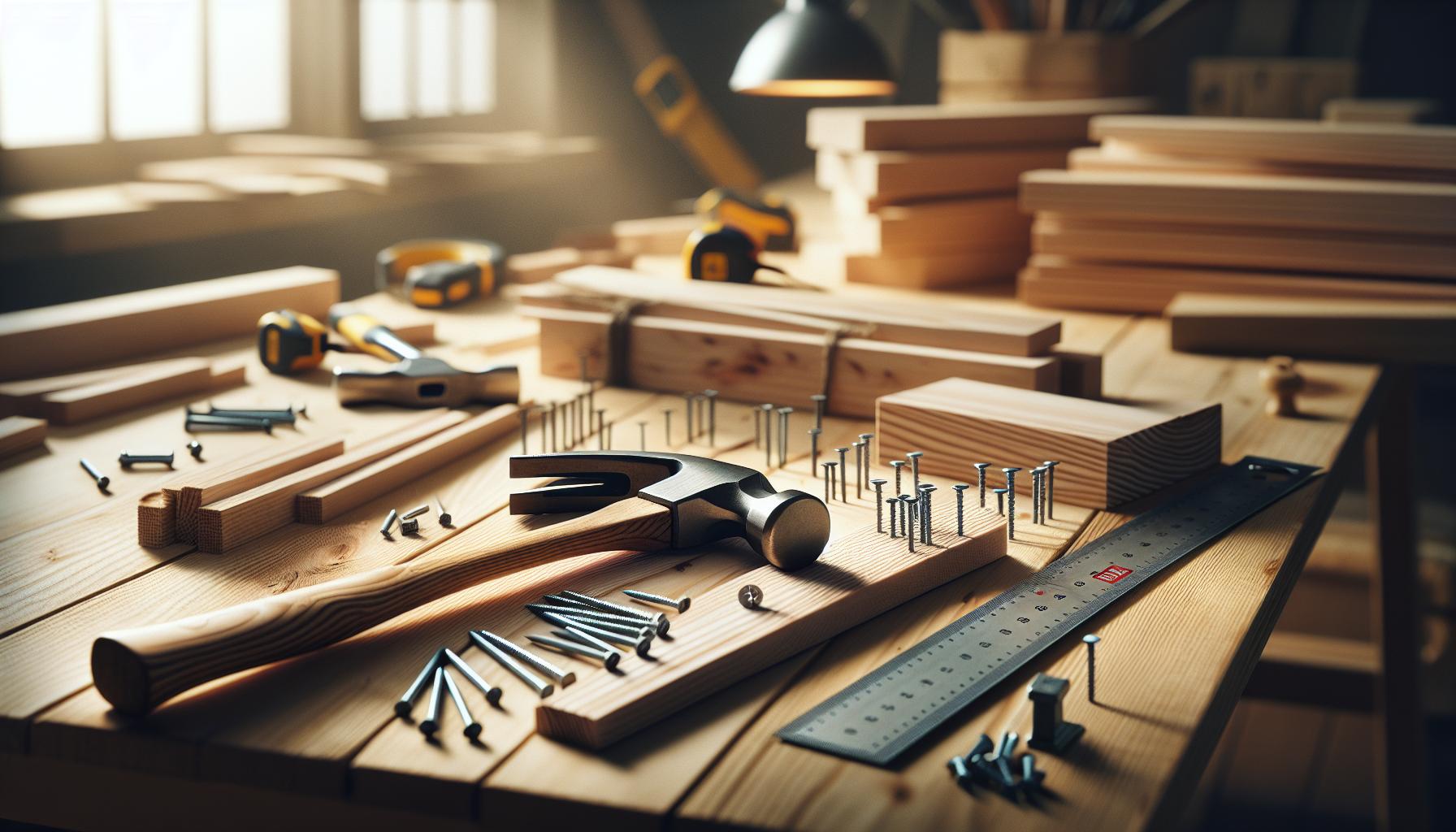
Creating your own hammer can be an exciting journey into the world of crafting, blending functionality with artistry. Whether you’re a beginner looking to explore new skills or an experienced maker wanting to personalize your tools, DIY hammer projects can ignite your creativity and lead to unique creations that cater to your specific needs. Here’s a selection of engaging projects that will inspire you to start hammering away!
Personalized Wooden Mallet
Creating a wooden mallet is a perfect starter project. Not only is it simple, but it’s also incredibly rewarding to use your own creation.
Materials Needed:
– Hardwood (maple or oak works best)
– Saw
– Sandpaper
– Wood finish (like linseed oil)
Steps:
- Cut a block of hardwood to your desired size (typically around 12-16 inches long).
- Shape the head into a cylinder or rectangle using your saw.
- Smooth the edges with sandpaper to avoid splinters.
- Finish with linseed oil for protection and an appealing shine.
This mallet is great for a range of projects, especially when you want to avoid damaging the surface of what you’re working on.
Miniature Claw Hammer
For those who want to level up their crafting skills, consider making a miniature claw hammer. It’s a fun challenge and makes a fantastic gift!
Materials Needed:
– Steel or iron for the head
– Wooden dowel for the handle
– Forge (or propane torch) for shaping metal
– Hammer and anvil
Steps:
- Heat a piece of steel in the forge until it’s malleable.
- Shape the head using the anvil, forming the claw and hammer face.
- Drill a hole through the head for the handle.
- Carve and sand the wooden dowel to create a comfortable grip.
- Assemble the hammer by inserting the handle into the head.
This project helps you practice both metalworking and woodworking skills, while the end result is both decorative and functional.
Decorative Leather-Wrapped Hammer
If you want to add a flair of style, try creating a decorative hammer with a leather-wrapped handle. It’s not only visually appealing but also comfortable to grip.
Materials Needed:
– Metal hammer head (purchased or fabricated)
– Wooden handle
– Leather strips
– Contact cement
Steps:
- Cut leather strips into manageable lengths.
- Apply contact cement to both the wood handle and the leather strips.
- Carefully wrap the leather around the handle, ensuring it adheres well.
- Finish off by sealing the leather with a leather conditioner.
This project brings together design and functionality, making your hammer not only a tool but a piece of art.
Embarking on these DIY hammer projects will boost your confidence and your crafting abilities. Remember, the key to successful crafting is patience and practice, so don’t be afraid to experiment with shapes, designs, and materials. Get inspired, have fun, and happy hammering!
Faq
Q: What materials do I need for crafting a hammer?
A: To craft a hammer, you will need high-quality metal for the head, sturdy wood for the handle, and tools like a forge and hammering equipment. For detailed guidance, refer to the Essential Materials for Crafting Your Hammer section of the article.
Q: How do I choose the right wood for a hammer handle?
A: The best wood for a hammer handle is strong and shock-absorbent, such as hickory or ash. These woods provide durability and comfort during use. Check the Selecting Wood for Hammer Handles section for in-depth insights.
Q: Why is hammer design important in crafting?
A: Hammer design affects its balance, weight distribution, and effectiveness. A well-designed hammer enhances performance and reduces user fatigue. For specifics, see the Understanding Hammer Design: Shape and Balance section.
Q: What tools do I need for hammer crafting?
A: Essential tools include a forge, anvil, hammer, and chisels. Additionally, clamps and safety gear are important. A full list can be found in the Tools You Need for Hammer Crafting section of the article.
Q: What common mistakes should I avoid when making a hammer?
A: Common mistakes include using inappropriate materials and neglecting safety precautions. Ensure your design matches the intended use of the hammer. For a detailed overview, check the Common Mistakes to Avoid When Crafting section.
Q: How do I maintain my crafted hammer?
A: Regular cleaning and proper storage are vital for maintaining your hammer. Avoid rust by drying it after use and applying oil to metal parts. Visit the Maintaining Your Hammer: Tips and Tricks section for more maintenance tips.
Q: Can I create different types of hammers for specific tasks?
A: Yes, you can craft various hammers tailored for specific tasks, like a sledgehammer for heavy work or a claw hammer for general carpentry. Explore the Exploring Different Types of Hammers and Their Uses section for inspiration.
Q: What advanced techniques can I learn for hammer crafting?
A: Advanced techniques include shaping the hammer head for specific applications and experimenting with different materials. Engaging with the Expanding Your Skills: Advanced Hammer-Making Techniques section can enhance your crafting skills.
Future Outlook
Now that you know what essential materials are required to craft your own hammer, it’s time to put your newfound knowledge into action! Remember, crafting isn’t just about the result; it’s about enjoying the journey and the sense of accomplishment that comes with creating something yourself. Whether you’re a novice or an experienced maker, gathering your materials and starting your project will empower you. Don’t forget to check out our guide on choosing the right tools for crafting and explore our DIY tips to elevate your projects even further.
Feeling inspired? We’d love to hear about your hammer crafting experiences! Drop a comment below to share your tips or any questions you have. And if you found this guide helpful, consider signing up for our newsletter for more crafting tips and exclusive content. Get ready to create, and remember: you’ve got this! Your next projects await-let’s keep the momentum going!
Get our latest guides, news, and insights highlighted in your Google Search & AI Overviews.