

Are you ready to make your first cozy crochet hat? Crochet is a fantastic way to express your creativity while crafting something practical and stylish. In this guide, we’ll explore beginner-friendly crochet hat patterns that you can tackle with just a few basic stitches.
Crocheting your own hat not only gives you a unique accessory but also offers a sense of accomplishment that comes from making something with your own hands. Whether you want to keep warm during chilly seasons or create a thoughtful gift for someone special, these patterns will guide you through every step. Don’t worry if you’re new to this craft-each project is designed to build your skills while ensuring you enjoy the process. Grab your yarn and hook, and let’s dive into the wonderful world of crochet hats! You can do this!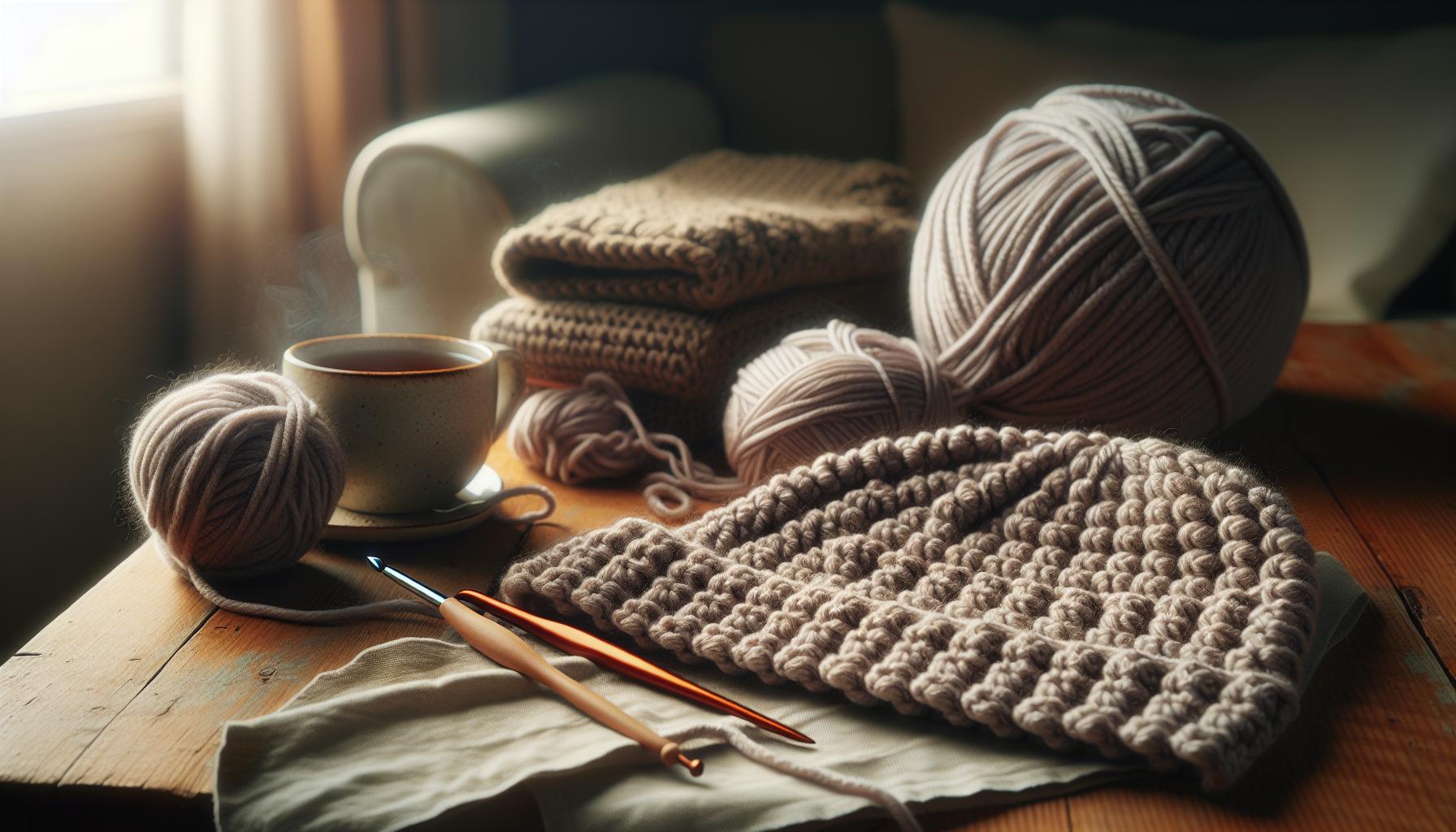
Choosing the Right Crochet Yarn for Your Hat
Choosing the right yarn for your crochet hat is crucial to ensure that your project turns out just as you envision. Did you know that the type of yarn you select can significantly affect the hat’s warmth, drape, and style? With so many options available, it might feel overwhelming, but don’t worry! Let’s break it down step by step.
First, consider the fiber content of the yarn. For hats, you’ll typically want something soft and warm. Natural fibers like wool or alpaca offer excellent warmth and breathability, making them great for winter hats. However, they may not be ideal for those with allergies or sensitivities. On the other hand, acrylic yarn is budget-friendly, easy to care for, and comes in countless colors, making it a fantastic choice for beginners.
Next, pay attention to the weight of the yarn. For a cozy hat, worsted weight (medium) yarn is commonly used, striking a balance between warmth and ease of handling. If you’re looking for a lighter, airy feel, consider using bulky yarn, which will work up quickly and create a snug fit. Just remember, thicker yarn means a chunkier look, which might not suit all styles.
Finally, think about the color and texture of the yarn. Choose a color that reflects your personality or matches your wardrobe. You might also want to consider variegated yarns, which can add fun patterns as you crochet. Experimenting with yarn textures, like boucles or chenilles, can also add unique flair to your hat.
In summary, selecting the right yarn involves understanding the fiber content, weight, and aesthetic qualities that will best suit your needs. Happy crocheting; you’re one step closer to creating a beautiful, handmade hat!
Essential Tools for Beginners in Crochet
Starting your journey into crochet can be both exciting and a bit daunting, especially when you’re eager to create your first hat. Fortunately, having the right tools can make all the difference, turning a potentially complex project into a fun and manageable one. Here’s a handy guide to the essential tools you’ll need, along with tips on how to use them.
One of the most important items you’ll need is a good crochet hook. For beginners, a straightforward *medium-sized hook* (like a size H/8 or 5 mm) is ideal for working with worsted weight yarn. If you’re unsure which to buy, consider getting a set of ergonomic hooks that feel comfortable in your hand; this will help you crochet for longer without discomfort. Alongside the hook, having a pair of sharp scissors is essential for snipping yarn ends cleanly. Lastly, get a yarn needle (also known as a tapestry needle) with a large eye for weaving in loose ends and securing your work.
Measuring and Organizing
To help you keep track of your project, a measuring tape is invaluable. This will help you ensure your hat fits perfectly! Many beginners find it useful to also have stitch markers on hand. These can be simple safety pins or specialized markers that help you keep track of where a round begins, especially in circular crocheting. It might seem small, but keeping everything organized with a simple project bag can make your crafting feel more enjoyable and less chaotic.
Another skill-enhancing tool is a set of stitch guides or pattern printouts. You can find tons of free crochet patterns online, perfect for beginners eager to create their first hat. For example, websites like Easy Crochet and AllFreeCrochet offer excellent resources tailored for your skill level that guide you through the basics and help building your confidence.
Remember, every crochet journey begins with these simple tools, and each stitch you make is a step toward becoming a more skilled and versatile crocheter. You can do this-grab your supplies, an inspiring pattern, and let the creativity flow!
Step-by-Step Guide to Crochet Your First Hat
Embarking on your first crochet hat project is a thrilling experience! Not only will you create something warm and cozy, but you’ll also gain essential skills that can lead to more advanced projects. Whether you’re looking to create a simple beanie or a fashionable slouchy hat, the process is straightforward and enjoyable. Let’s break down the steps and ensure your first hat is a success!
Materials Needed
Before you dive in, gather your supplies. You’ll need:
- Yarn: Choose a worsted weight yarn in a color you love-this makes the project more enjoyable!
- Crochet Hook: A size H/8 (5 mm) hook works great for beginners.
- Scissors: For snipping your yarn.
- Yarn Needle: To weave in ends later.
- Measuring Tape: To check the fit.
Step-by-Step Instructions
- Start with a Foundation Chain: Make a slip knot and create a chain of about 60-70 stitches (depending on your desired size).
- Join to Form a Ring: Be careful not to twist your chain. Join with a slip stitch to the first chain to form a loop.
- Begin the First Round: Chain 2 (this counts as your first double crochet). In each stitch around, work one double crochet. Slip stitch to join the round.
- Continue Crocheting: For the next rounds, keep adding double crochet stitches. You can use a stitch marker to mark the beginning of each round and keep track of your progress.
- Shape the Hat: As you work, you may want to decrease stitches every few rounds to create a shape that will fit snugly on your head. This can be done by crocheting two stitches together.
- Finish Off: When your hat reaches your desired length (approximately 9-10 inches for a beanie), fasten off your yarn and weave in any loose ends with your yarn needle.
Beware of Common Mistakes
Don’t worry if everything isn’t perfect. It’s typical for beginners to crochet too tightly or leave gaps. If your hat feels too small, loosen your grip on the yarn. For gaps, ensure your stitches are consistent and snug.
You’ve got this! Each stitch brings you closer to creating a cozy hat that reflects your unique style. Remember, the joy of crochet lies in the process just as much as the finished product. So relax, enjoy, and wear your new hat with pride!
Simple Crochet Hat Patterns to Get You Started
Getting started with crochet is a wonderful way to express your creativity, and crafting your very first hat is both achievable and rewarding. The beauty of crochet hats lies in their simplicity; they’re typically made with just a few stitches and a small number of materials. By choosing the right patterns, you can create stylish designs that will keep you warm or impress your friends. Whether you’re working on a beanie, a slouchy hat, or a simple beret, there’s a pattern out there that will suit your skill level and style.
For beginners, it’s best to start with basic shapes that allow you to familiarize yourself with your crochet hook and yarn. Here are a few simple hat patterns that are perfect for newbies:
Beginner-Friendly Patterns
- Basic Beanie: This classic hat is worked in rounds from the bottom up. You’ll use a double crochet stitch, and it typically takes about 1-2 hours to complete, depending on your speed. A worsted weight yarn in a solid color can make it even easier to see your stitches.
- Slouchy Hat: With a similar construction to the beanie, the slouchy hat has additional length at the back. This added dimension allows for fun fabric variations, like using a striped yarn or changing colors mid-project.
- Simple Cap: This easy cap is ideal for those who want to learn the basics of decrease stitches. It is a great step up from the beanie and adds technique without overwhelming detail.
Tips for Getting Started
Before you begin, make sure you have your tools ready, including your yarn, a size H/8 (5 mm) crochet hook, and some scissors. As you scroll through patterns, look for those labeled “easy” or “beginner,” as these usually provide clearer instructions and fewer complex techniques.
You can find a wealth of free crochet patterns online that can jumpstart your journey. Websites like Easy Crochet and LoveCrafts host extensive collections, making it simple to find a project that strikes your fancy. Finally, remember that the key to successful crocheting lies in practice-each stitch will bring you closer to your goal of being a confident crafter. Embrace the process, and don’t hesitate to experiment with different yarns and colors to make your hats truly your own. You’ve got this!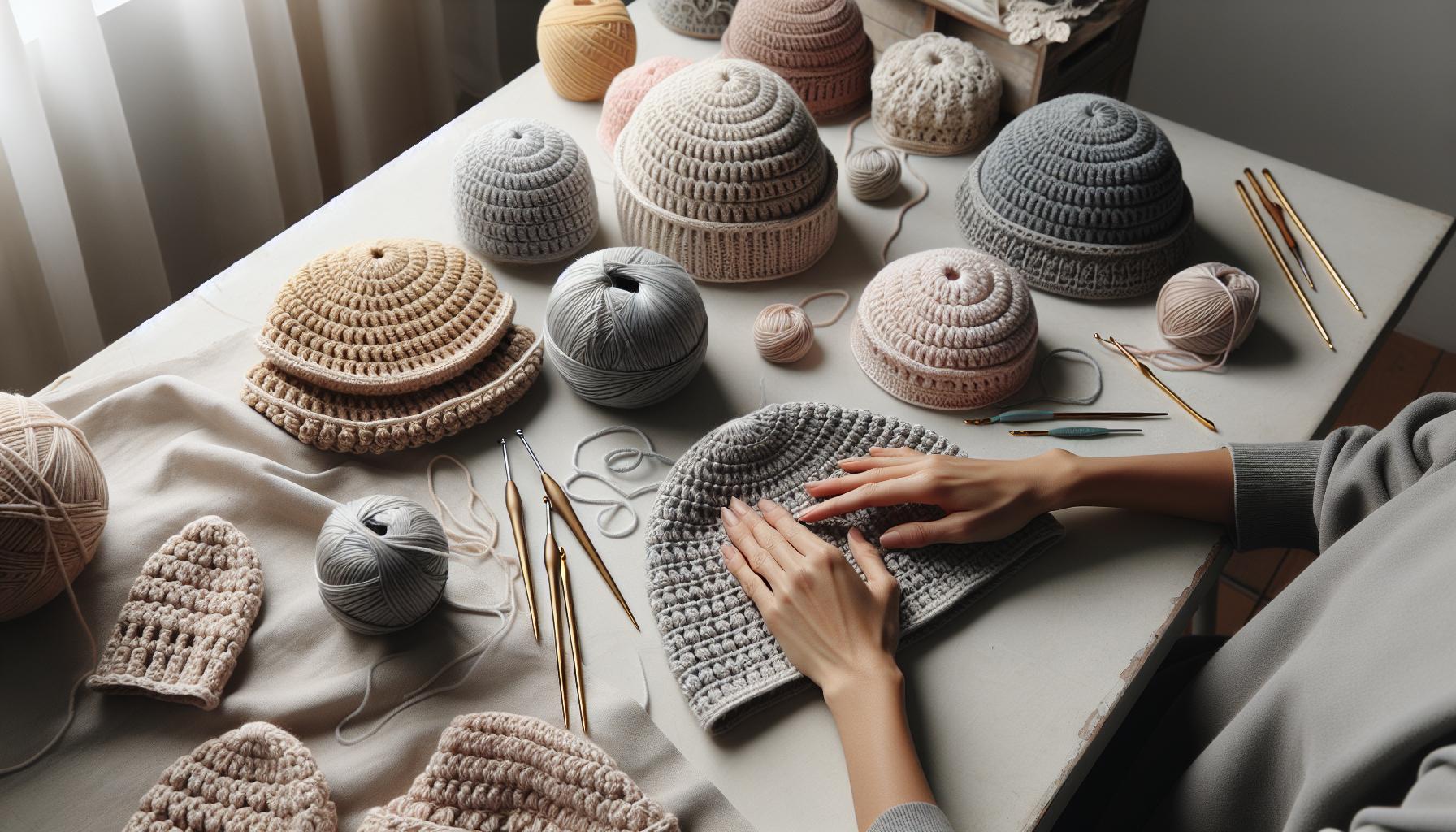
Understanding Basic Crochet Stitches for Hats
Understanding the basic crochet stitches is your gateway to creating beautiful hats and gaining confidence in your crochet journey. As a beginner, you’ll primarily work with a handful of stitches, each offering unique textures and looks that will make your hats truly special. The most common stitches you will encounter include chains, slip stitches, single crochet, half double crochet, and double crochet. Mastering these stitches will empower you to follow a variety of patterns and designs that suit your style.
To start, let’s break down your key stitches:
Essential Crochet Stitches
- Chain Stitch (ch): This is the foundational stitch for all crocheting. To create a chain, simply make a slip knot on your hook and yarn over. Pull through to create your first stitch, then repeat until you have the desired length. Chains are used to start almost every project.
- Slip Stitch (sl st): This stitch is mainly used to join stitches or to move your yarn to a different spot without adding height. Insert your hook into the next stitch, yarn over, and pull through all loops on your hook.
- Single Crochet (sc): A versatile stitch that’s perfect for beginners. Yarn over and insert your hook into the stitch, yarn over again and pull through. You’ll have two loops on your hook-yarn over and pull through both loops. This creates a tight, sturdy fabric, ideal for hats.
- Half Double Crochet (hdc): Slightly taller than a single crochet, this stitch gives your hat a bit more drape. Yarn over, insert your hook into the stitch, yarn over again to pull through (you now have three loops), and then yarn over and pull through all three loops in one go.
- Double Crochet (dc): This is a taller stitch that adds more stretch to your projects. Yarn over, insert your hook into the stitch, yarn over again and pull through (three loops on the hook), yarn over and pull through two loops, and finally yarn over and pull through the last two loops.
Each of these stitches plays a significant role in creating the texture and shape of your hat. For instance, a basic beanie might primarily use single and double crochet stitches, while a slouchy hat could incorporate all five stitches for variety. As you practice, try experimenting with different stitch combinations to see how they transform your work.
Don’t worry if you don’t get it perfect on the first try-crocheting is all about practice! As you get more comfortable with these stitches, you’ll find yourself adapting patterns and even creating your own designs. Remember, crochet is not just a craft; it’s a creative expression, so embrace the process and enjoy making something uniquely yours!
Tips for Mastering Tension in Your Crochet
Mastering tension in your crochet projects is essential, especially when crafting hats that need to fit just right. Tension refers to the tightness or looseness of your stitches, which greatly affects the overall size and shape of your finished piece. If you find that your stitches are inconsistent, your hat may end up too big or too small, and that’s a common struggle for beginners. However, keeping your stitches uniform is a skill that can be developed with practice and observation.
One of the simplest ways to improve your tension is to find a comfortable grip on your crochet hook and yarn. Experiment with holding the hook and yarn in different ways until you find what feels natural to you. Make sure you’re not holding the yarn too tightly, as this can cause your stitches to be very tight-resulting in a stiff fabric. If you’re too loose, the stitches can balloon out, making your piece larger than intended. A good rule of thumb is to maintain a relaxed grip that still allows for smooth movement of the yarn.
As you work on your hat, periodically check your tension by measuring the width or height against the pattern’s requirements. You can also use a gauge swatch before starting your hat, which is simply a small square of crochet that helps you determine whether you’re achieving the correct tension. If your gauge swatch matches the pattern, you’re likely on the right track! If it doesn’t, adjust your technique accordingly-try switching yarn brands, using a different hook size, or even adjusting how tightly you’re holding the yarn as you stitch.
Maintaining consistency will become more intuitive with practice. If you find your tension drifting as you crochet, take breaks and relax your hands. It’s perfectly okay to frog (rip out) a few stitches and redo them if you notice inconsistencies; this is part of the learning process. Remember, each crochet project is a chance to refine your skills, so celebrate the small victories along the way. You’ve got this, and soon enough, you’ll be crafting beautifully fitted hats that showcase your unique style!
Adding Personal Touches: Embellishments and Colors
Adding personal touches to your crochet hat can transform it from a simple project into a unique statement piece that reflects your individual style. Whether it’s the colors you choose or the embellishments you add, every detail matters. Crafting is all about expressing yourself, so don’t hesitate to infuse your creativity into your work!
Start by selecting colors that resonate with you. Consider the person who will wear the hat or the season you’ll be making it for. Bold and vibrant hues can evoke a joyful vibe, while softer shades can yield a more sophisticated look. Don’t be afraid to mix and match yarns of varying textures to create visual interest. For instance, a wool yarn alongside a cotton blend can result in a lovely contrast that elevates your hat’s aesthetic.
Embellishments to Consider
Embellishments can make your hat truly stand out. Here are some ideas to consider:
- Buttons: Sew on unique buttons to add flair or use them as decorative closures.
- Flowers: Crochet small flowers or other shapes and attach them to your hat for a whimsical touch.
- Pom-poms: Adding a pom-pom to the top of a beanie can give it a fun, playful look that is always in style.
- Appliqués: Use crochet techniques to create shapes or letters that can be attached to your hat, personalizing it even further.
These embellishments don’t require advanced skills, making them perfect for beginners eager to elevate their projects. A flower, for example, can be made in a few simple rounds and adds a lovely, feminine touch to any design.
Every stitch you take is a chance to showcase your creativity. Don’t shy away from experimenting with patterns or colors that speak to you. Remember, mistakes are merely stepping stones in your crafting journey. Embrace them as learning experiences. With every addition, you’re not just making a hat-you’re crafting a heartfelt piece that can bring joy to both the maker and the wearer. So grab your yarn, unleash your creativity, and enjoy the process of making a hat that is truly yours!
Common Mistakes Beginners Make in Crochet Hats
Starting your journey with crochet hats can be so much fun, but it’s easy to stumble along the way! Beginners often encounter a few common pitfalls that can lead to frustration. Understanding these mistakes not only helps your project flow more smoothly but also builds your confidence as a maker. Let’s explore what to watch out for and how to turn those learning moments into crafting victories.
One of the most frequent errors is not paying close attention to gauge. Gauge is critical because it ensures that your hat will fit properly. If your stitches are too tight, your hat might end up too small; if they’re too loose, it could be oversized. To avoid this, take the time to create a gauge swatch before diving into your project. It might feel tedious, but measuring your stitches and matching them to the pattern can save you from a frustrating unraveling later on.
Another common issue is the lack of consistent tension. Many beginners find themselves tightening their stitches as they get more excited about their project, leading to uneven sections that detract from the overall look. To maintain consistent tension, practice relaxing your grip on the yarn and keep it steady. If you realize one stitch is tighter than the others, don’t hesitate to adjust it as you go. Remember, practice makes perfect!
Lastly, forgetting to count stitches can lead to unexpected gaps or, worse, a project that doesn’t match the pattern. It’s easy to lose track when focused on perfecting your stitches, so develop a habit of counting each round and making notes, if necessary. Many crocheters find it helpful to use stitch markers to keep track of their rows or to denote increases and decreases. They are simple tools, yet they can make a significant difference!
By being mindful of these common mistakes and addressing them proactively, you’ll not only boost your skills but also enhance your enjoyment of this delightful craft. Embrace the learning curve, and remember: every stitch is a step closer to creating something wonderful! You’ve got this!
How to Fix Crochet Errors Like a Pro
Mistakes in crochet are a part of the learning experience, and they often lead to wonderful moments of growth and creativity! No need to panic when you notice something amiss while crafting your hat. With a few simple techniques, you can easily fix any errors and keep your project on track. Whether it’s missed stitches, uneven tension, or an unintended pattern change, knowing how to troubleshoot and correct these problems will make you feel like a pro in no time.
One of the first things to bear in mind is that unraveling has its merits! If you notice a mistake shortly after you’ve stitched it, don’t hesitate to rip back to where the error began. For instance, if you’ve accidentally skipped a stitch, simply pull out the stitches until you reach that point, and then re-crochet correctly. To make this process easier, always keep a few stitch markers handy. They can help you visually track row beginnings and significant changes, making it easier to identify where you need to fix mistakes.
If you find uneven tension-those pesky stitches that seem either too tight or too loose-remember that a little adjustment goes a long way. Focus on relaxing your grip on the yarn and strive for a rhythmic stitch pattern. If a section is noticeably tighter, you can often work additional stitches into that area. By practicing these techniques, you will enhance your skills and become more attuned to your crochet style.
Lastly, it’s crucial to maintain an encouraging mindset. Mistakes are simply opportunities for artistic flair. For example, if you accidentally use a different color partway through your project, embrace it! Consider making it a design feature, turning your hat into something uniquely yours. Celebrate each stitch, know that every crafter faces hurdles, and remember: with every fix, you’re moving one step closer to mastering the art of crochet! You’ve got this!
Exploring Different Hat Styles: Beanies, Slouchy, and More
When it comes to crafting your first crochet hat, the world of styles is wonderfully diverse! From snug beanies to relaxed slouchy designs, there’s something for everyone. Each style offers a unique look and can be tailored to suit your personal taste. Plus, experimenting with different hat styles is a fantastic way to enhance your skills while having fun.
Beanies are arguably the most popular choice for beginners. With their simple construction and cozy fit, they come together quickly and can be made in countless variations. A basic beanie typically requires just a few essential stitches, making it perfect for new crocheters. You can choose to make it in a single color for a classic look or mix and match colors for a playful vibe. Want a little extra flair? Try adding a pom-pom on top or a contrasting band!
Moving on to slouchy hats, these offer a more laid-back style that’s just as easy to create. They are designed to be looser and provide a relaxed fit, which can be particularly trendy. These hats often use lighter, softer yarn to give that comfy, oversized look. Virtually any basic beanie pattern can be transformed into a slouchy hat by simply making it longer. You can also play with stitch patterns, such as shells or half-double crochet, to give your slouchy hat some texture.
If you’re feeling adventurous, explore other styles like berets and newsboy caps. Berets have a charming, French flair, while newsboy caps provide a vintage touch. Both can be achieved using simple crochet techniques and are perfect projects as you develop your skills. They allow room for creativity, especially when it comes to embellishing them with flowers, buttons, or unique stitches.
Whichever style you choose, remember that the crochet community is full of inspiration! Don’t be afraid to experiment and make your hat truly your own. Whether you’re crocheting a warm beanie for winter or a light, stylish slouchy hat for those sunny days, you can do this! Enjoy the process of creating something special, and wear your handmade hat with pride.
Maintenance and Care for Your Crochet Hats
Taking care of your crochet hats is essential not only for maintaining their appearance but also for extending their lifespan. Whether you’ve lovingly crafted a cozy beanie, a chic slouchy hat, or a more adventurous style, these tips will help you keep your creations looking fresh and fabulous.
First and foremost, always check the yarn label for care instructions. Many yarns have specific washing methods or temperature recommendations. For most acrylic or cotton blends, a gentle hand wash in cold water is ideal. This preserves the shape and elasticity of your stitches. For wool or yarns with delicate fibers, follow these steps:
- Fill a basin with lukewarm water and a few drops of mild detergent.
- Gently submerge your hat, pressing it down without wringing or twisting.
- Let it soak for about 10-15 minutes.
- Rinse under cool water until all soap is removed.
- Lay your hat flat on a towel, roll it up to absorb excess water, then reshape and air dry.
Storage Tips
Proper storage can prevent unwanted stretching and distortion of your hats. When you’re not wearing them, store your hats in a cool, dry place, away from direct sunlight. Avoid hanging them; instead, consider neatly folding them and placing them in a drawer or on a shelf. For decorative hats that you want to display, use a hat stand or a mannequin to maintain their shape.
Dealing with Common Issues
If your hat starts to look a little wilted, don’t worry-you can revive it! Steam blocking is a great technique. Simply hold your hat above a steaming kettle (take care not to get too close!) to loosen the fibers, then reshape it with your hands. Allow it to cool completely in the shape you want. And if you notice pilling-a common issue with many yarns-gently shave off the pills with a fabric shaver or a clean razor to keep your hat looking smooth.
Taking these simple steps not only preserves your handcrafted treasures but also enhances your joy in wearing them. Remember, every time you care for your crochet hat, you’re also celebrating your creativity. You can do this! Enjoy crafting and nurturing your beautiful projects.
Inspiration: Show Off Your Finished Hat!
It’s incredibly rewarding to finish a crochet hat, and sharing it with others can elevate that joy even more! Taking the time to show off your finished project not only celebrates your creativity but can inspire others to pick up their hooks. Whether it’s a cozy beanie or a stylish slouchy hat, your handmade work deserves to be admired. There’s a whole community out there eager to cheer you on!
One fantastic way to display your hat is through social media. Share a picture of you wearing it, perhaps styled with your favorite outfit or in a cozy setting. Using hashtags like #CrochetHatChallenge, #YarnLove, or #HandmadeHat can connect you with crafters and enthusiasts alike, expanding your audience and support network. You might even discover a local crochet group or online community that appreciates the love and effort you put into your creation!
Don’t forget to consider showcasing your piece in a dedicated crafting space at home. A beautifully styled shelf or a decorative hat stand can highlight your hard work. Additionally, if you’re open to it, consider gifting a few hats to friends or family. Seeing their excitement when they receive something handmade by you is a heartwarming experience! Plus, it’s a great way to spread the joy of crochet and inspire others to start their own projects.
Whatever way you choose to display your crochet hats, remember that each piece is a reflection of your unique creativity and skill. Embrace that! Share your success, inspire others, and most importantly, celebrate your crafting journey. You absolutely can do this!
FAQ
Q: What are the easiest crochet hat patterns for beginners?
A: The easiest crochet hat patterns for beginners include simple beanies and slouchy hats. These typically use basic stitches like single crochet and double crochet, making them perfect for new crocheters. Check out the “Simple Crochet Hat Patterns to Get You Started” section for project ideas!
Q: How long does it take to crochet a beginner hat?
A: Crocheting a beginner hat usually takes around 2 to 4 hours, depending on your skill level and the complexity of the pattern. Choosing straightforward patterns can make the process quicker. For tips on time management, see “Step-by-Step Guide to Crochet Your First Hat.”
Q: What yarn is best for a beginner crochet hat?
A: For a beginner crochet hat, a medium-weight yarn (like worsted weight) is recommended. Acrylic yarns are also great since they are affordable and easy to work with. Refer to the “Choosing the Right Crochet Yarn for Your Hat” section for more details!
Q: How do I customize my crochet hat?
A: To customize your crochet hat, consider adding embellishments like pom-poms or flowers, or incorporate different colors in your design. The “Adding Personal Touches: Embellishments and Colors” section has great ideas to get started on personalizing your creation!
Q: Can I crochet a hat without a pattern?
A: Yes, you can crochet a hat without a pattern! Just measure your head, choose a basic stitch, and work in the round. Start with a flat circle and gradually increase stitches. For guidance, check out the “Understanding Basic Crochet Stitches for Hats” section.
Q: What tools do I need to start crocheting a hat?
A: To start crocheting a hat, you’ll need a crochet hook (size H-8 recommended), yarn, scissors, and a yarn needle for weaving in ends. For a complete list of essential tools, visit the “Essential Tools for Beginners in Crochet” section.
Q: What mistakes should beginners avoid when crocheting hats?
A: Beginners should avoid common mistakes such as using the wrong yarn weight, not counting stitches, and having inconsistent tension. The “Common Mistakes Beginners Make in Crochet Hats” section offers valuable tips on how to avoid these pitfalls.
Q: How can I fix mistakes in my crochet hat?
A: To fix mistakes in your crochet hat, you can unravel to the last good stitch or use a crochet hook to carefully manipulate stitches. If you’re unsure, the “How to Fix Crochet Errors Like a Pro” section provides clear strategies for troubleshooting your projects.
The Way Forward
Congratulations on taking your first steps into the world of crochet with our beginner-friendly hat patterns! You can absolutely do this-each stitch brings you closer to creating a cozy masterpiece. Now that you have the basics down, don’t stop here! Dive into related projects like our crochet scarf patterns or fun amigurumi figures to keep your creativity flowing.
Remember, every expert was once a beginner. If you’re feeling stuck or have questions, join our vibrant crafting community or check out resources on advanced techniques to boost your skills. We’d love to hear about your projects, so share your crocheted hats with us! For more patterns and tips, sign up for our newsletter to stay inspired. Keep crocheting, and let the joy of making things yourself motivate you today!
Get our latest guides, news, and insights highlighted in your Google Search & AI Overviews.