

Crocheting a hat is a rewarding project that anyone can tackle, regardless of skill level! Did you know that with just a few basic stitches and some yarn, you can create a cozy accessory that showcases your personal style? Whether you’re looking to keep warm in winter or give a thoughtful gift, understanding the skill level required and the time commitment involved can help you embark on this creative journey with confidence. In this guide, we’ll break down how hard it is to crochet a hat, outlining the materials you’ll need, the beginner-friendly techniques to try, and estimates of how long it might take you to complete this satisfying project. So, grab your hook and yarn-let’s explore the fun of crocheting your very own hat!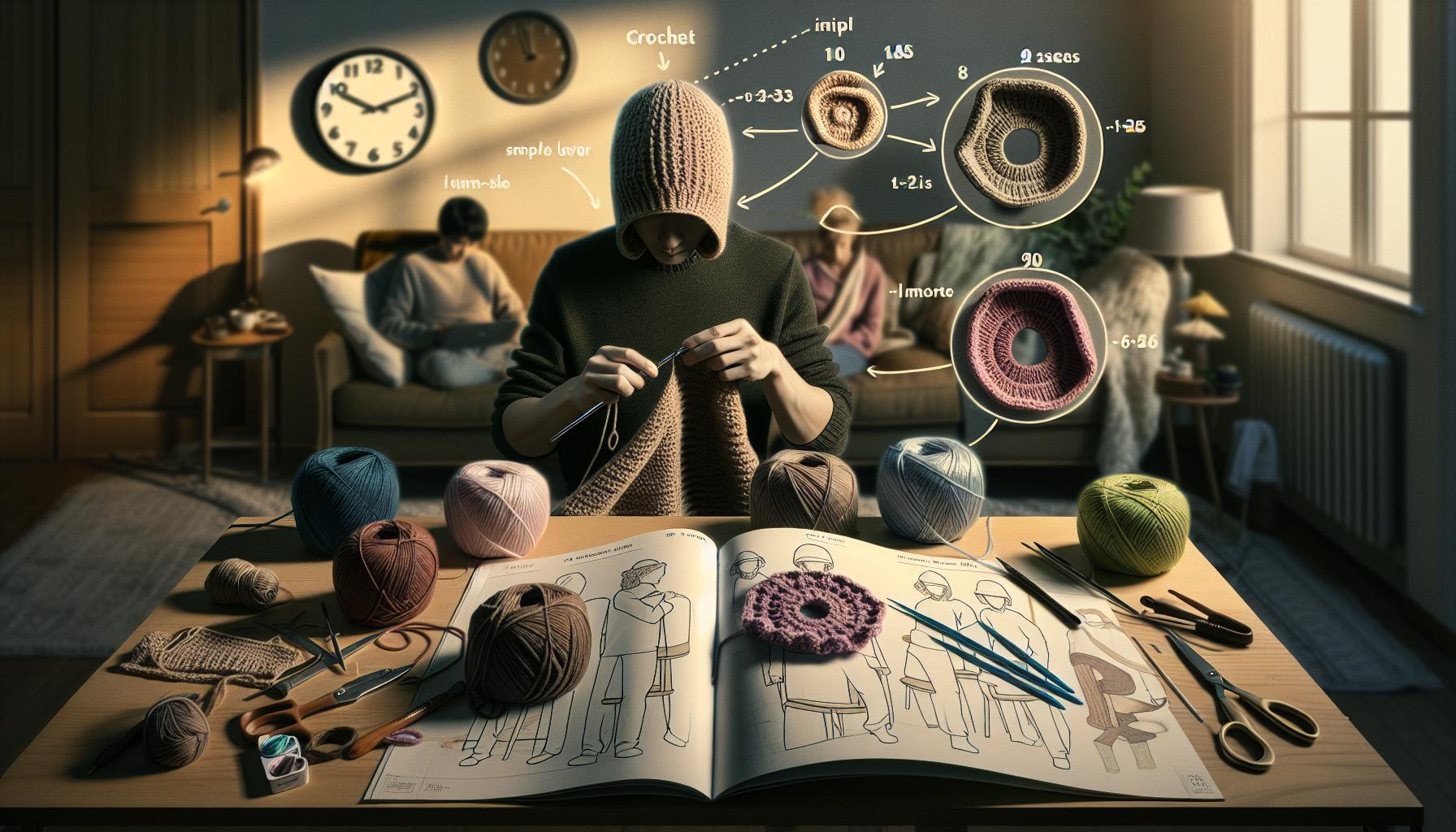
Understanding Crochet Skill Levels and Time Commitment
Understanding where you stand in your crochet journey can make all the difference when embarking on a new project, like crocheting a hat. Crochet skill levels typically fall into three categories: beginner, intermediate, and advanced. Beginners can expect to start with basic stitches and small projects, while those with some experience may tackle more intricate patterns and techniques. For advanced crocheters, the realm of complex patterns and unique stitches opens up endless possibilities. Remember, each level comes with its own challenges and learning opportunities, which makes the crafting experience so rewarding.
Time commitment is another vital aspect when planning your hat project. On average, a simple hat can take anywhere from a couple of hours to several days, depending on your skill level and the complexity of the design. For instance, a basic beanie made with chunky yarn may only take 2-4 hours for a confident beginner, while a more detailed pattern with intricate stitches could take several days as you master new techniques. Keeping a relaxed mindset and working at your own pace is key – crochet is as much about enjoying the process as it is about the final product.
Quick Reference on Skill Levels
- Beginner: Basic stitches, simple patterns (e.g., single crochet, double crochet).
- Intermediate: Moderate patterns incorporating more stitches, color changes, and shaping.
- Advanced: Complex designs, unique stitches, and larger projects.
With each of your projects, remember that progress comes with practice. You might not get it perfect on your first try, but with each stitch, you are gaining valuable skills. Celebrate the small wins and don’t hesitate to reach out to the crochet community for support! Whether you’re sharing your creations online or seeking advice, connecting with fellow crafters can enhance your learning experience and bring you even more joy in your crocheting adventures.
Essential Materials for Your Hat-Crocheting Journey
When you embark on the journey of crocheting your own hat, gathering the right materials is your first step toward success. Every craft project is more enjoyable and ultimately more successful when you’re equipped with the essentials. Whether you’re a novice or looking to refine your skills, knowing what to have on hand can make a significant difference in not just the outcome but also your overall experience.
To start, you’ll need yarn, which is your primary material. Opt for a soft, medium-weight yarn, such as acrylic or a wool blend, especially for your first few projects. These materials are not only easy to work with but also warm and cozy when turned into hats. Here’s a quick list of essential items you’ll want to gather:
- Yarn: Choose a weight suitable for hats (worsted-weight yarn is a great choice).
- Crochet hook: Check your yarn label for the recommended hook size-typically, a 5mm (H) or 6mm (J) hook works well for starters.
- Scissors: A good pair of craft scissors will help you snip your yarn ends cleanly.
- Tapestry needle: This is crucial for weaving in ends and sewing pieces together after you’ve finished crocheting.
- Measuring tape: Handy for checking the size of your hat as you go, ensuring it fits just right.
Once you have these essentials, think about any additional tools that might enhance your crafting process. Stitch markers are a wonderful addition, especially if you’re working in the round. They help keep track of your rounds and pattern changes. If you love the idea of personalizing your hat, consider additional yarn for embellishments or details, such as pom-poms or flowers.
As you gather these materials, keep in mind that the process of selecting them is part of the joy of crocheting. Selecting your colors and textures can ignite your creativity and set the stage for a fun and fulfilling project. Remember, no matter your skill level, each hat you crochet brings you one step closer to mastering your craft-so gather those essentials and get ready to create something beautiful!
Step-by-Step Guide: Basic Crochet Techniques
Getting started with crochet can feel like stepping into a magical world where you create cozy hats, scarves, and blankets with just a bit of yarn and a hook. Whether you’re a complete beginner or looking to refine your skills, mastering a few basic techniques will set you on the path to crafting your very own hat. In this guide, I’ll walk you through the essential steps, ensuring you feel confident in your abilities as you embark on this fun and creative journey.
To kick things off, familiarize yourself with the foundational crochet stitches. The most common stitches include the *chain stitch*, *single crochet*, and *double crochet*. Begin by making a slip knot with your yarn on the hook, which is the perfect starting point for any project. From there, here’s how you can create those pivotal stitches:
- Chain Stitch: Yarn over your hook and pull through the loop on your hook. Repeat to form a chain of desired length – this is your foundation.
- Single Crochet: Insert your hook into the second chain from the hook, yarn over, and pull through. You’ll have two loops on your hook. Yarn over again and pull through both loops.
- Double Crochet: Yarn over, insert your hook into a chain, yarn over again, pull through (three loops now), yarn over and pull through the first two loops, then yarn over once more and pull through the last two loops.
Once you’re comfortable with these stitches, you’ll be well on your way to constructing your hat. As you progress, practice combining these stitches to create more complex patterns, which is where the magic happens! For instance, working in the round will allow you to form the shape of the hat seamlessly.
Understand that tension is key to consistently sized stitches. Finding the perfect grip on your hook and yarn can take some practice, so don’t shy away from experimenting until you find what feels right for you. And remember, a little unevenness in your tension is completely normal, especially when you’re just starting out.
Now, let’s talk about understanding your pattern. Most hat patterns will specify the number of stitches and rounds needed, guiding you through the process from the brim to the crown. Take your time to read through it before you start-it helps to visualize the journey ahead. As you crochet, don’t forget to check the fit regularly; hats are meant to hug your head snugly, but not too tightly!
Embrace the small triumphs along the way. Each finished row brings you closer to completing your masterpiece. And remember, if something doesn’t look quite right, it’s totally okay to unravel and try again. Mistakes are part of the learning process, and with practice, your crochet skills will shine! You’ve got this, and your cozy hat is just a few yarn stitches away!
Choosing the Right Pattern: Simple to Advanced Options
Choosing the right crochet pattern can be the key to enjoying your crafting experience, especially when it comes to creating hats. Starting with a pattern that matches your skill level not only boosts your confidence but also ensures that you have a fun and fulfilling project ahead. For absolute beginners, opting for simple designs that utilize basic stitches-like the single crochet or double crochet-can make the learning process much smoother. Consider patterns like the classic beanie or a simple slouchy hat, where you can practice working in rows or rounds without getting overwhelmed.
As you gain confidence, you might want to experiment with more intricate patterns that introduce new techniques such as color changes, ribbing, or even texture stitches. These projects usually come with a bit more complexity, but fear not! You’ll find plenty of resources online that break down each step, which can make even the most daunting patterns feel manageable. For example, a basic ribbed beanie pattern not only teaches you essential shaping techniques but also allows for some play with color and texture, giving your project a unique flair.
If you’re feeling adventurous, you can delve into advanced patterns that incorporate advanced skills like cables or lacework. However, make sure to read through the pattern carefully before diving in. It’s beneficial to understand the stitch counts and construction method to avoid any surprises along the way. For advanced projects, time commitment can vary significantly; some may take a few hours while others might require several days to complete. Always choose a pattern that excites you and matches your current skills, ensuring that you feel empowered rather than frustrated. Remember, every crocheted hat starts with a single stitch, and with each project, you’re building your skills and creativity.
Here’s a quick overview of pattern options that can guide your choice:
| Skill Level | Pattern Suggestions | Time Commitment |
|---|---|---|
| Beginner | Basic Beanie, Simple Slouchy Hat | 1-2 hours |
| Intermediate | Ribbed Beanie, Colorful Granny Square Hat | 2-4 hours |
| Advanced | Cabled Hat, Knit-Look Crochet Pattern | 4+ hours |
Whichever pattern you choose, remember that the journey of creating is what matters most. Embrace the process, make it your own, and soon you’ll have a hat that not only keeps you warm but also showcases your hard work and creativity. Happy crocheting!
Evaluating Time: How Long It Takes to Crochet a Hat
When it comes to crocheting a hat, the time it takes can vary significantly depending on your skill level and the complexity of the pattern you choose. For beginners, simple designs like a basic beanie can often be completed in just 1 to 2 hours, allowing you to experience the joy of finishing a project without too much time commitment. These quick wins are essential for building your confidence and getting you hooked (pun intended!) on crocheting.
As you progress and take on more intermediate projects, you might find yourself spending around 2 to 4 hours on patterns like ribbed beanies or colorful granny square hats. These may include more intricate stitches or techniques that require extra time to perfect. Don’t shy away from enjoying the process; the longer you spend on a project, the more skilled you become in each stitch.
For those feeling adventurous and ready to tackle advanced designs such as cabled hats or knit-look crochet patterns, you’re looking at a commitment of 4 hours or more. These projects often involve more complex stitch combinations and may require you to pay close attention to your work. But don’t let that intimidate you! With practice and patience, these hats can serve as both a challenge and a rewarding experience.
To help clarify average time expectations for different skill levels and project complexities, here’s a quick snapshot:
| Skill Level | Pattern Examples | Estimated Time |
|---|---|---|
| Beginner | Basic Beanie, Simple Slouchy Hat | 1-2 hours |
| Intermediate | Ribbed Beanie, Colorful Granny Square Hat | 2-4 hours |
| Advanced | Cabled Hat, Knit-Look Crochet Pattern | 4+ hours |
Remember, these are just guidelines! Everyone crochets at their own pace, so focus on enjoying the process. Every stitch you take moves you closer to that cozy, handmade hat that not only keeps you warm but also showcases your creativity. You’ve got this!
Common Challenges When Crocheting a Hat
Crocheting a hat can be an incredibly rewarding project, but like any creative endeavor, it comes with its own set of challenges. Understanding these hurdles is part of the journey, and knowing how to navigate them can make your crocheting experience much more enjoyable.
One common issue many crocheters face is maintaining consistent tension throughout the project. If your stitches are too tight or too loose, it can affect the fit and overall appearance of your hat. To combat this, practice holding your yarn and hook in a way that feels comfortable to you, and always try to be consistent in your method. If you find yourself struggling, consider using a tension guide or practicing with a thicker yarn until you feel more confident.
Another challenge is the potential for pattern misunderstandings, especially for beginners tackling written instructions. Patterns can be filled with abbreviations and specialized language that might confuse you at first. To make this easier, take the time to familiarize yourself with common crochet terms and symbols. Websites like Bella Coco provide handy guides and videos that can clarify the steps for you. Remember, it’s perfectly okay to take it slow; reread instructions or watch tutorials as many times as needed to grasp the concept thoroughly.
When you add in varying skill levels and the complexities of different patterns, it can be easy to feel overwhelmed. Whether you’re trying a basic beanie or something more intricate like a cabled hat, don’t hesitate to start with simpler designs and build your skills gradually. This step-by-step approach not only enhances your abilities, but it also fortifies your confidence. Engage with the community-share your progress in forums or social media groups to get encouragement and advice from fellow crafters. You’re not alone in this journey; together, we can celebrate the small wins on the way to achieving our crochet goals.
So, embrace the challenges as part of the process. Each misstep is a chance to learn and grow, making the end result even more fulfilling. You’ve got the creativity and determination to conquer any obstacles that come your way!
Tips to Make Crocheting Your Hat Enjoyable
When it comes to crocheting hats, embracing the process can turn a potential frustration into a delightful experience. You might find yourself lost in the rhythm of your hook and yarn, creating something beautiful with your own hands. Here are some friendly tips to keep your crocheting journey enjoyable and fulfilling!
Start by setting the right environment for yourself. Find a cozy nook, grab your favorite beverage, and play some relaxing music or an engaging podcast while you crochet. The atmosphere can greatly impact your focus and enjoyment. Sometimes, a little background noise can make the time fly, allowing you to lose yourself in your project. Also, don’t forget to take regular breaks to stretch and avoid any discomfort; this keeps your energy up and your creative juices flowing!
Choosing a pattern that excites you can make a world of difference. If you’re a beginner, begin with simpler designs, like a basic beanie or a straightforward slouchy hat. As you build confidence, gradually challenge yourself with more complex patterns, such as those featuring stitches like front post or back post crochet. Websites like Easy Crochet offer a variety of projects across skill levels, ensuring there’s something perfect for your journey. Remember, each project you complete is a stepping stone in your crochet adventure!
When tackling a project, keep some handy resources nearby. Bookmark video tutorials or guides that explain any tricky stitches or techniques you might encounter. Engaging with online crochet communities can also enhance your experience! Share your progress on social media or join Facebook groups where you can exchange tips and celebrate your wins with fellow crafters. Being part of a supportive community can reignite your passion for crocheting and keep you motivated, especially when the going gets tough.
Enjoy every moment! Whether you’re crocheting at your kitchen table, in a park, or snuggled on your couch, savor the satisfaction of watching your hat take shape. Each stitch adds character to your piece and reminds you of the joy of creating something uniquely yours. Happy crocheting!
Creating Unique Hat Designs: Personalization Tips
When it comes to crafting a hat that reflects your unique style, the possibilities are truly endless. Personalizing your crochet hat not only elevates your creation but also makes it a special piece that represents your personality or the recipient’s tastes. Whether you’re adding embellishments, experimenting with colors, or playing with stitch patterns, here are some fun and creative ways to make your hat truly your own.
Get Creative with Colors
Color choice can dramatically alter the look and feel of your hat. Consider using a color palette that resonates with you or the intended wearer. For a playful pop, try a bright contrasting color for the band or brim of the hat. You can also explore gradient techniques by transitioning from one color to another using variegated yarns. Don’t be afraid to mix and match strands from your yarn stash-creating a hat with multiple colors not only adds visual interest but also showcases your creativity.
Incorporate Different Stitches
Don’t limit yourself to basic stitches! Hats are a great canvas to practice and showcase your crochet skills. Experiment with different stitch patterns like shell stitches, popcorn stitches, or ribbing to produce unique textures. For instance, adding a few rows of front post double crochet can create a beautiful raised pattern that adds depth to your design. If you want a twist, consider alternating stitches between your rows-this not only breaks monotony but also introduces a delightful surprise in the finished project.
Accessorize with Embellishments
Adding embellishments is a fantastic way to personalize your crochet hat. Think buttons, flowers, pom-poms, or even faux fur. For beginners, a simple crocheted flower can be sewn onto the side or front of your hat for a charming touch. If you’re feeling a bit bolder, try adding a striped band or a textured detail around the brim. Faux fur pom-poms are also very trendy and can be made with yarn or purchased pre-made for an easy, stylish finish.
Incorporate Functional Elements
Consider your lifestyle when designing your hat. If you plan to wear it outdoors, think about adding features like ear flaps for extra warmth or a foldable brim for versatility. If you love adventure, a hat with a hidden pocket for small essentials can be a fun twist. These personalized functional elements not only make your hat stand out but also enhance its usability.
By embracing these tips and weaving your personality into your crochet creation, your hat will not just be another item in your wardrobe, but a cherished reflection of your crafting journey. Remember, there are no rigid rules-your creativity is what will truly bring your unique hat design to life. Happy crocheting!
Exploring Different Yarn Types for Hats
Choosing the right yarn for your crochet hat can transform a simple project into a cozy masterpiece. With so many yarn options available, it can feel overwhelming to narrow it down, but don’t worry! Let’s explore different yarn types that will make your hat not only beautiful but also functional.
First up, consider acrylic yarn. This is a fantastic option for beginners because it’s affordable, widely available, and comes in a rainbow of colors. Acrylic yarn is also easy to care for, making it perfect for hats that may see a lot of wear. Plus, it offers a bit of stretch, which is great for snug-fitting hats. If you’re whipping up a hat for kids or yourself but want to keep it easy to clean, acrylic is the way to go.
Next, think about wool yarn. Wool is a tried-and-true choice for warmth, making it ideal for winter hats. It’s incredibly insulating and can wick away moisture, keeping your head warm even in cold and damp conditions. Merino wool, in particular, is super soft and minimizes itchiness, which is often a concern with traditional wool. Remember, though, that wool can be a bit more expensive and may require hand washing, so consider this if you’re gifting a hat to someone who might not enjoy managing delicate fibers.
If you’re ready to step outside the box, consider blends that mix fibers, such as cotton and acrylic. These blends can provide the best of both worlds-durability and comfort. For instance, a cotton-acrylic blend yarn can be perfect for spring and fall hats, offering breathability while also providing some warmth.
Finally, don’t shy away from using specialty yarns. Textured yarns, like boucle or chenille, can add a unique flair to your hat. These can be particularly fun for creating embellished or whimsical designs. Just keep in mind that these yarns might require a bit more practice to work with, but the results can be stunning!
When selecting yarn for your hat, consider the project’s purpose, the season, and who will wear it. Always pay attention to yarn labels for weight recommendations and care instructions to ensure your project turns out just right. With the right yarn in hand, you’re one step closer to creating a cozy and stylish hat that you’ll be proud to show off. Happy crocheting!
How to Fix Mistakes While Crocheting
Mistakes are a natural part of the crocheting journey and can often be fixed with a bit of patience and technique. Whether you’re a newbie tackling your first hat or an experienced crafter, embracing errors is part of the joy in creating. The best part? Most mistakes aren’t as daunting as they seem! Here’s a friendly guide to help you navigate those little hiccups that can occur while crocheting your hat.
First off, always keep an eye on your tension. If your stitches look uneven, don’t fret! You can easily adjust by pulling gently on the yarn to even things out. If you’ve dropped a stitch, you can usually pick it back up with your hook. Just look for the loop that went awry, and use your hook to pull it back through to the right place. If you find your pattern is misaligned, it’s perfectly okay to unravel your work one or two rows back to correct it. Just take your time-this is all part of the crafting process.
When using specialty or textured yarns, issues like snagging or uneven stitches can occur, especially if you’re new to those materials. If you notice a segment that just doesn’t look right, consider using a smaller hook if everything seems too loose. A hook size check can save you a lot of heartache on a gorgeous project! On the flip side, if your yarn is too tight and difficult to work with, you might need to try a larger hook for a swift and easier craft session.
Remember, preventing mistakes is often easier than fixing them. Keep a keen eye on your stitch count regularly; a quick count every few rows can help you catch issues early. If you ever feel stuck, don’t hesitate to seek support. Online crochet communities are bustling with friendly faces ready to lend a hand or share their fixes. So grab that yarn and hook, and let those creative juices flow-you’ve got this! Happy crocheting!
Advice for Mastering Crochet Techniques
Mastering crochet techniques can feel like a daunting task, but the journey is as rewarding as the finished product. Each stitch you learn expands your creative possibilities and enhances your skills, allowing you to tackle more complex projects like hats with ease and confidence. The key is to approach each technique patiently and playfully-remember, it’s about enjoying the process as much as it is about the final piece!
To start, focus on practice and consistency. Dedicate a little time each day to crochet, even if it’s just 10-15 minutes. This consistency helps solidify muscle memory, making stitches more familiar and easier to execute. Consider following along with video tutorials or sample patterns that demonstrate various techniques. For example, mastering the slip knot and chain stitch is essential for many projects, including hats. As you progress, try incorporating new stitches, such as single crochet and double crochet, into small swatches before committing to a larger project.
Don’t hesitate to embrace mistakes as part of your learning process. When you encounter a tricky stitch or an unexpected twist in your yarn, take a moment to analyze what went wrong. You can often fix minor mistakes by undoing a few stitches or using a yarn needle to weave in loose ends. Keep a notebook or digital document with notes from your projects-this can help you remember what worked well and what didn’t, as well as techniques you want to revisit later.
Lastly, community engagement can be a fantastic motivator. Join local crochet groups or online forums where you can share your projects and seek advice. Learning from others’ experiences can provide insight into techniques you might find challenging. Plus, sharing your successes-like completing your first hat-can be energizing and encouraging. Celebrate each achievement, no matter how small, and keep pushing your boundaries. Remember, with every loop and stitch, you are progressing on your crochet journey, and you absolutely can create beautiful, unique pieces!
Resources and Community Support for Crocheters
Finding a supportive community is one of the best ways to enrich your crochet experience, especially when tackling a project like a hat. Whether you’re a beginner experimenting with your first pattern or a seasoned crocheter looking to refine your skills, connecting with fellow crafters can provide motivation and inspiration. There are numerous resources available that cater to all skill levels, and exploring these can significantly enhance your hat-crocheting journey.
Online Communities and Forums
Joining online crochet communities can open a world of knowledge and support. Websites like Ravelry and various crochet-specific Facebook groups offer platforms to share your projects, ask for advice, and engage with others who share your passion. These communities frequently host challenges and events, which can motivate you to complete your hat and explore new techniques. For instance, participating in a month-long hat-making challenge can encourage consistent practice and introduce you to different styles and patterns.
YouTube Tutorials and Blogs
If you’re a visual learner, YouTube is an excellent resource. Many talented crocheters share detailed video tutorials that guide you through the process of crocheting hats step by step. These tutorials often break down stitches and indicate common pitfalls-making it easier for you to follow along. Additionally, crafting blogs like Easy Crochet provide a plethora of free patterns and detailed instructions perfect for any level of crafter [[1]](https://easycrochet.com/all-free-crochet-patterns/). Reading through different blogs can also introduce you to various techniques and designs, fueling your creativity.
Local Crochet Groups
Don’t overlook the value of local crochet groups or workshops. Many yarn shops or community centers host crochet nights or classes. Being in a physical space with others can provide hands-on help, immediate feedback, and the chance to share ideas. The camaraderie built in these settings can enhance your crafting experience, making the process of creating a hat not just a project, but also a social event. You may even find a mentor willing to share personal tips that aren’t covered in online resources.
By utilizing these resources, you create a well-rounded support system that not only aids in mastering the technical aspects of crocheting hats but also cultivates enjoyment in the process. Remember, every stitch is a step forward, and with the right support, you’ll find that crocheting a hat can be a fulfilling and achievable goal. So dive in, reach out, and celebrate the joy of creating together!
Faq
Q: What is the easiest crochet pattern for beginners to make a hat?
A: The easiest crochet pattern for beginners is a basic beanie using single crochet stitches. Start with a simple round shape and gradually increase stitches to create the crown, then work even for the body. This pattern offers a quick and gratifying project for novices, helping build confidence in their crochet skills.
Q: How long does it take to crochet a hat for the first time?
A: For a first-time crocheter, making a hat can take approximately 3-5 hours, depending on the pattern complexity and the individual’s pace. Focusing on a simple design and using thicker yarn will speed up the process, making it more enjoyable for beginners.
Q: Can I crochet a hat without a pattern?
A: Yes, you can crochet a hat without a formal pattern! Start by measuring your head circumference, then create a basic tube shape using single or double crochet. Adjust the stitch count by experimenting until you achieve your desired fit, allowing for personalization and creativity.
Q: What materials do I need to crochet a hat?
A: To crochet a hat, you’ll need yarn, a crochet hook (usually size I or J for worsted weight yarn), and scissors. A yarn needle is also essential for weaving in ends. Choose yarn that suits your style, like acrylic for durability or wool for warmth. Refer to the “Essential Materials for Your Hat-Crocheting Journey” section for more tips.
Q: Why is my crochet hat too small?
A: A crochet hat may be too small if you used a smaller hook than recommended or didn’t account for the stretch of the yarn. To avoid this, always measure your gauge before starting and ensure your stitch count matches the pattern’s requirements.
Q: What should I do if I make a mistake while crocheting a hat?
A: If you make a mistake while crocheting a hat, you can frog (unravel) your work to the last correct stitch and redo it. Alternatively, you can fix small errors by carefully adjusting stitches. For detailed strategies on fixing mistakes, check the “How to Fix Mistakes While Crocheting” section for guidance.
Q: What types of yarn are best for crocheting hats?
A: The best types of yarn for crocheting hats include acrylic for easy care and affordability, wool for warmth, and cotton for breathability in warmer climates. Choose a softness and weight that suits your comfort level, and refer to the “Exploring Different Yarn Types for Hats” section for more insights.
Q: How can I make my crochet hat unique?
A: You can make your crochet hat unique by incorporating color changes, using fun stitch patterns, or adding embellishments like pom-poms or flowers. Consider exploring different designs that reflect your style. For tips on personalizing hats, check out the “Creating Unique Hat Designs” section.
The Conclusion
Now that you know how to crochet a hat and what skill level you need, why not take the plunge and start your first project today? Remember, the process is all about enjoying the craft and embracing your creativity-each stitch you make brings you closer to a warm, cozy hat that you can proudly wear or gift!
If you’re eager to explore more, check out our tutorial on easy crochet patterns for beginners, or dive into our step-by-step guide on how to crochet for essential tips that will enhance your skills. Don’t forget to sign up for our newsletter for exclusive patterns and tips delivered straight to your inbox!
You can absolutely do this! Don’t hesitate to share your progress in the comments below. We’d love to hear your experiences and celebrate the joy of creating something beautiful with you. Happy crocheting!
Get our latest guides, news, and insights highlighted in your Google Search & AI Overviews.