
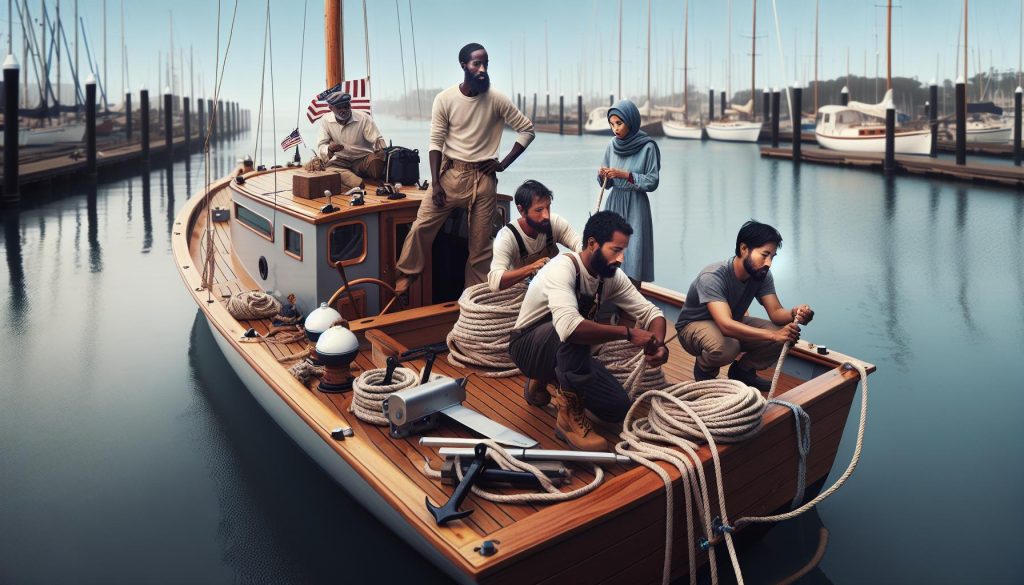
When stormy weather hits, the safety of your boat becomes a top priority. Did you know that a DIY storm bridle can be an effective way to secure your vessel against heavy winds and turbulent waters? Creating your own bridle not only helps prevent damage but can also save you money compared to professional solutions. Whether you’re a seasoned sailor or a weekend enthusiast, understanding how to craft this essential piece of equipment can empower you to protect your investment. In this guide, we’ll walk through the process step-by-step, ensuring you have everything you need to keep your boat safe. With just a few materials and a bit of your time, you can tackle this project-because your boat deserves the best protection, and you absolutely can do this!
DIY Storm Bridle Overview: Essential Protection for Your Boat
Creating a storm bridle for your boat is all about ensuring security and stability when heavy weather strikes. This essential tool acts like a safety net, redistributing the strain on your boat’s mooring lines and adding extra security when you need it most. When the skies turn dark and the winds begin to howl, having a DIY storm bridle can mean the difference between a well-preserved vessel and costly damage.
Constructing your own storm bridle is a rewarding project that celebrates the joys of DIY. You’ll need just a few materials and tools: sturdy rope or chain, shackles, and ideally, two strong points on your boat to attach your bridle. This project is perfect for a hands-on sailor, ranging from novice to experienced, and with a few simple steps, you can create a robust solution tailored for your specific boat size and needs.
To get started, gather your materials and set aside some time – an afternoon should be plenty. Connecting your storm bridle correctly will help you avoid common pitfalls, like uneven weight distribution or using subpar materials that might fail under strain. Remember, this isn’t just about protection; it’s about peace of mind knowing your boat is ready for whatever Mother Nature throws your way. With each knot tied and shackle secured, you’ll gain confidence in your ability to manage your boat in any situation. Stay tuned for the detailed steps and best practices to keep your storm bridle in top shape!
Materials You’ll Need for a DIY Storm Bridle
Creating a storm bridle is an empowering project that not only fortifies your boat during harsh weather but also allows you to customize it to your specific needs. To make this essential tool, you’ll need a few key materials that are durable and reliable. The most important item on your list is heavy-duty rope or chain. Look for materials that can withstand high tension, such as marine-grade nylon rope or stainless steel chain when you need added strength. A rope diameter of at least 3/8 inch is recommended for most small to medium-sized boats, while larger vessels may require heavier options.
Another crucial element is shackles. These versatile fasteners will help you secure your bridle to the boat effectively. Opt for galvanized or stainless-steel shackles to resist corrosion and ensure longevity. You’ll want at least two of these, and having a few extras on hand is never a bad idea. Additionally, consider including padding at the wear points where your bridle will connect to the boat. This can be as simple as sections of old hose or specialized padding designed for marine applications, which will reduce wear on both your bridle materials and your boat.
Additional Tools You May Need
While the primary materials are essential, a few tools will make the process smoother and enhance the overall quality of your build. Here’s a short list of what you might find helpful:
- Measuring Tape: To ensure everything fits perfectly.
- Scissors or a Rope Cutter: For clean cuts on your rope.
- Wrench: If you’re using chain and shackles, a wrench will help tighten everything securely.
- Work Gloves: Protect your hands while working with tough materials.
Lastly, gather a screwdriver to help with tightening any fittings. Don’t be intimidated-this project is totally doable, whether you’re a first-timer or a seasoned sailor. Just remember, with each piece you gather, you’re one step closer to creating a reliable safety measure for your boat that will serve you well in stormy weather. You can absolutely do this!
Step-by-Step Guide: How to Build Your Storm Bridle
Building a storm bridle for your boat isn’t just a practical project; it’s a chance to empower yourself and enhance your vessel’s safety during those unpredictable weather conditions. This guide will walk you through each step, ensuring you have fun while creating a reliable tool to protect your boat. Whether you’re a seasoned sailor or trying your hand at a DIY project for the first time, you can absolutely do this!
Gather Your Materials and Tools:
Start by laying out all your materials and tools to streamline the building process. You’ll need heavy-duty rope or chain (marine-grade preferred), at least two sturdy shackles, and some padding for wear points. Having your measuring tape, scissors (or a rope cutter), wrench, work gloves, and a screwdriver ready will make everything easier. Expect to spend around an hour on this project, depending on your pace.
Step-by-Step Assembly:
- Measure and Cut the Rope: First, measure the length of rope you’ll need. For small to medium boats, a length of around 15-20 feet should work, but adjust based on your specific design and boat size. Cut the rope cleanly to size, making sure the ends are neat to prevent fraying.
- Prepare the Shackles: If using chain, attach the shackles at both ends of the chain. For a rope bridle, the ends will need to be worked into loops or secured with additional knots to fit into the shackles.
- Create the Loops: For a rope bridle, fold both ends of your rope to create loops. Tie strong knots, like a double bowline, which are easy to untie yet secure enough to hold under tension. This is key, as yanking can loosen a poorly tied knot, jeopardizing your bridle.
- Attach Padding: Secure your padding around any points where the bridle attaches to the boat to prevent wear and tear. This simple addition can greatly extend the life of your bridle.
- Final Assembly: Once everything is tied and padded, it’s time to attach your bridle to the designated fittings on your boat. Make sure everything is tight and secure. Use your wrench to tighten the shackles if you’re working with chain.
Test Your Bridle:
Before facing a storm, it’s wise to give your bridle a test run. Put it under tension in calm conditions to ensure it holds firm and make any necessary adjustments. Remember, safety first!
Creating your storm bridle can be a gratifying experience and a vital preparation for safe boating in heavy weather. Embrace the crafting journey, knowing that every knot and loop contributes to your boat’s resilience against nature’s whims.
Choosing the Right Design for Your Boat Size
When it comes to protecting your boat in heavy weather, the design of your storm bridle plays a crucial role. With various sizes and types of boats, a one-size-fits-all approach just won’t cut it. Your bridle needs to be tailored to the specific dimensions and characteristics of your vessel, ensuring it can effectively distribute the forces of wind and waves. This is where understanding your boat’s size and how it interacts with harsh conditions becomes essential.
For smaller boats, a simple two-point bridle often suffices. This design connects to the bow and is extended to a secure anchoring point behind the boat. Aim for a bridle length that’s about 1.5 times the beam of your boat for optimal performance. On the other hand, larger vessels might benefit from a more complex design with additional points of attachment to enhance stability. Consider a three or four-point bridle that provides a wider base, distributing stress more evenly across the hull. Whichever design you choose, ensure that it is adjustable, as this flexibility will allow you to optimize the bridle’s tension based on changing conditions at sea.
Key Factors to Consider:
- Boat Size: The length, width, and weight of your boat are all critical factors in determining how long and how many attachment points your bridle should have.
- Type of Waters: Assess whether you will be in rough coastal waters or calmer inland lakes; this influences the robustness required for your bridle.
- Material Strength: Choose materials that can withstand the forces expected, such as marine-grade rope or chain specifically rated for your boat’s size.
Ultimately, the goal is to create a storm bridle that not only fits but enhances your boat’s resilience against the unpredictable forces of nature. You can do this! Take the measurements, sketch out a few design ideas, and remember that a little trial and error goes a long way in perfecting the bridle that will keep your boat safe. Happy crafting!
Understanding the Physics: How a Storm Bridle Works
Understanding how a storm bridle works is key to effectively protecting your boat from harsh conditions. At its core, a storm bridle acts like a safety net, distributing forces exerted by wind and waves across a broader area of the vessel. This clever engineering minimizes the strain on any single point, reducing the risk of damage that could jeopardize your adventure on the water.
In simple terms, when strong winds or turbulent waves hit your boat, they apply pressure that can lead to tipping or capsizing. A well-designed storm bridle connects multiple attachment points on your boat to sturdy moorings or anchors. By spreading the load, it helps keep your vessel stable and upright. For instance, if you employ a two-point bridle on a smaller craft, it forms a triangle with the bow and the anchor point, enhancing balance. Larger boats may require additional attachment points to further distribute forces, which can help them better withstand severe conditions.
To maximize the efficiency of your storm bridle, consider the following aspects as you design and deploy it:
- Angle of Pull: The angle at which the bridle lines extend will significantly influence performance. Ideally, aim for a 45-degree angle for optimal stability.
- Material Choice: Using strong, low-stretch materials reduces the likelihood of slack and allows your bridle to react more quickly to sudden changes in pressure.
- Adjustment: Incorporating adjustable components allows you to fine-tune the tension in your bridle, adapting it to the specific conditions you face.
Armed with this knowledge, you can craft a storm bridle that not only fits your boat perfectly but also enhances its resilience against whatever nature throws your way. Remember, testing different designs as you learn will lead to a more effective storm bridle over time. This is your moment to innovate and protect what you love, so get creative and enjoy the process! You can do this!
Common Mistakes to Avoid When Making a Storm Bridle
Creating a storm bridle can be an empowering project, but it’s crucial to navigate common pitfalls that could undermine your hard work and safety. One frequent mistake is using inappropriate materials. It’s tempting to repurpose old ropes or straps, but subpar or deteriorated materials can fail under pressure. Invest in high-quality, low-stretch lines designed for marine use. Not only will they handle rough conditions better, but they also minimize the risk of slack-keeping your vessel steadier when it matters most.
Another area where DIYers often go awry is misunderstanding the mechanics of load distribution. A storm bridle works best when properly secured to multiple attachment points; neglecting this can lead to concentrated loads that compromise stability. For instance, attaching your bridle solely to a single point can create treacherous tipping. Always consider the size and design of your boat. A smaller craft may only need two attachment points, while larger boats might require a more complex setup. Make sure to assess the distribution of forces thoroughly-this can save you from potential disaster.
Equally important is the angle of your bridle lines. Many makers underestimate how a suboptimal angle can diminish effectiveness. Aim for a 45-degree angle for the best balance; if the angle is too steep or too flat, your setup won’t stabilize your boat effectively against waves and wind. It’s all about creating a triangle that evenly spreads the stress across your vessel. Experiment with your designs until you find the sweet spot that enhances your boat’s ability to ride out rough weather.
Lastly, one of the most preventable errors is neglecting regular maintenance checks on your storm bridle. After fierce weather or a long sailing season, always inspect your bridle to ensure there’s no wear and tear. Addressing small issues before they worsen will keep your setup reliable when the skies turn dark. Remember, the goal is to protect your boat and enhance your adventures, so regularly maintaining your gear will ensure you’re always ready for whatever nature brings your way. Embrace the journey of making your storm bridle-it’s a rewarding process that can bolster your confidence on the water!
Best Practices for Storm Bridle Maintenance
Creating a storm bridle is an important step to protect your vessel, but maintaining it is just as vital. Regular maintenance ensures that your hard work doesn’t go to waste when the weather turns nasty. High-quality materials can last a long time, but they need your attention. Checking for wear and tear not only boosts your confidence in your setup but also keeps your boat safe.
Start by conducting a thorough inspection of your storm bridle at the beginning and end of every sailing season. Look for any signs of fraying, discoloration, or weakened areas in the lines and hardware. Make a checklist to help you remember every part to inspect. You might find things like:
- Ropes: Check for cuts or frays along the entire length.
- Shackles & clips: Inspect for rust or deformation.
- Attachment points: Ensure that areas connecting to the boat aren’t compromised.
After a heavy storm, or if you’ve noticed particularly choppy conditions during sailing, give your bridle another look. A good practice is to rinse the bridle in fresh water after any trip where it was exposed to seawater or sand. This simple step can significantly extend its life by preventing salt and grime from degrading the materials.
Don’t forget the importance of storage, too! When storing your storm bridle, coil it neatly and avoid cramming it into tight spaces, which can lead to kinks and stress points. Instead, consider keeping it in a dedicated storage bag to minimize exposure to UV rays and moisture when not in use. Remember, taking these extra steps might seem small, but they can make a huge difference in your boat’s performance and your peace of mind when facing rough weather.
By adhering to these maintenance practices, you’re not just protecting your investment; you’re also ensuring you’ll have peace of mind on the water knowing your storm bridle is in top shape to face whatever nature throws your way. Embrace this routine as part of your DIY experience and enjoy the confidence that comes from being a proactive boat owner!
How to Deploy Your Storm Bridle in Heavy Weather
When the forecast predicts rough seas, deploying your storm bridle effectively can make all the difference in protecting your boat and maintaining stability. This essential setup helps distribute forces across your vessel, preventing excessive strain on any single point. Whether you’re hunkered down in a marina or anchored in open water, knowing how to quickly and correctly deploy your bridle expands your confidence in facing the elements.
First, prepare by ensuring your storm bridle is in excellent condition-check for any wear or damage as detailed in your maintenance routine. Once you’re sure it’s ready, gather your materials: the storm bridle, additional ropes for securing the bridle points, and your trusty boat hook. This deployment method takes only about 10-15 minutes but can protect your investment on the water.
Steps to Deploy Your Storm Bridle
- Choose Your Connection Points: Identify and prepare the bow and stern attachment points. The goal is to create a stable triangular configuration that can absorb and distribute stress during heavy weather.
- Attach the Bridle: Securely fasten the bridle lines to the chosen points. Ensure the knots you use (like a bowline or cleat hitch) are tight and will hold under pressure.
- Adjust the Tension: It’s crucial for stability. Use your boat hook to pull on the lines and make sure they are taut, but avoid overtightening as it may cause unnecessary strain on the boat’s structure.
- Check After Deployment: Once the bridle is set, make one last inspection to confirm everything is secure. Check for any slack or movement and adjust as needed.
Alongside these steps, consider the direction of the wind and current. Position your boat to face into the waves to lessen the impact of incoming water. Real-life experiences shared by seasoned boat owners highlight that a few thoughtful minutes spent adjusting and securing your storm bridle can save hours of stress later. You’re not just preparing for a storm; you’re taking proactive steps to enjoy your time on the water with peace of mind, knowing your hard work is well protected.
By embracing these simple techniques and remaining aware of changing sea conditions, you’ll navigate through heavy weather with greater assurance. Remember, every sailor starts somewhere, and with practice, deploying a storm bridle will become second nature. You can do this!
Real-Life Examples: Successful Storm Bridle Uses
When it comes to ensuring your boat withstands fierce storms, real-life success stories can provide the encouragement you need to take action. Many boat owners have discovered firsthand the value of a well-deployed storm bridle. For instance, a seasoned sailor recounts a harrowing night anchored in a quiet bay when unexpected high winds swept through. Thanks to his proactive preparation and a solid storm bridle setup, his small sailboat remained stable and secure despite the tumultuous conditions. His bridle, adjusted according to the wind direction, allowed the vessel to ride the waves instead of succumbing to them. This practical application of a storm bridle not only saved his boat from potential damage but also afforded him peace of mind during a stressful situation.
Another inspiring example comes from a family who enjoys weekend sailing trips. On one such occasion, they found themselves caught off guard by an approaching storm. Relying on their DIY storm bridle, they quickly secured their boat by following the deployment steps they had practiced. Their preparation, including checking their equipment and understanding the anchoring strategy, allowed them to manage the elements effectively. They shared that the sense of accomplishment they felt knowing they helped safeguard their family’s safety and their boat was invaluable. These experiences highlight how taking the time to set up a storm bridle can be the difference between disaster and a successfully weathered storm.
You can also find success stories in forums where fellow boaters share their storm bridle strategies. Many report that by simply taking the time to invest in a robust storm bridle system, they were able to trust in the capabilities of their setup when facing rough seas. Common feedback includes the satisfaction of seeing their boats holding steady without undue strain on any single point, showcasing the importance of both design and execution. Through these community stories, you’ll learn that no matter your experience level, creating and deploying an effective storm bridle is absolutely within your reach. Embrace these moments of DIY triumph as you prepare yourself for any weather Mother Nature may throw your way; you can do this!
Upgrading Your Storm Bridle: Advanced Techniques
Upgrading your storm bridle can mean the difference between a setup that merely holds your boat in place and one that actively contributes to its stability during turbulent weather. As you take the leap into advanced techniques, remember that the goal is to enhance your bridle’s efficiency and effectiveness. With some creative modifications, you can create a setup that works smarter, offering you peace of mind when the winds pick up.
One effective upgrade is to incorporate shock-absorbing elements into your storm bridle. Using bungee cords or elastic rope can help absorb sudden movements caused by waves and winds, preventing excessive strain on your bridle and anchoring points. This can be a simple addition; just attach the shock cord between your bridle lines and the anchor points on your boat. Not only does this reduce the risk of breakage, but it also contributes to a more gentle handling of the boat during heavy swells.
Another technique involves double-bridding. This method allows you to create an additional layer of security by using a second bridle in parallel with the first. If one bridle fails, the other can take up the load, effectively distributing forces across multiple points. To implement this, you’ll need to measure and cut another set of lines that mirrors your original bridle setup, attaching it to the same point on your boat. This not only enhances safety but can also help balance the boat’s position in challenging conditions, allowing it to ride out storms more steadily.
Lastly, explore the idea of customizing the length and material of your bridle lines. Experimenting with different materials, like high-strength Dyneema or heavy-duty nylon, can vastly improve your bridle’s resilience. Shortening or lengthening the lines based on your specific anchoring scenario can optimize their performance. While testing, be sure to record your findings-note the conditions and outcomes-which can help you refine your approach for future storms. Remember, every boat is unique, and what works for one may be less effective for another-you can absolutely tailor your storm bridle to fit your exact needs!
With these upgrades, you’re not just protecting your boat-you’re enhancing your boating experience. Embrace the process of tweaking and experimenting. With just a bit of effort and creativity, you can build a storm bridle that is as robust and resilient as your adventurous spirit. Happy sailing!
Inspiring Stories: Boat Owners Share Their Experiences
The best stories often come from the moments that challenge us the most, and that’s especially true for boat owners who have weathered storms thanks to their DIY storm bridles. One captain, Sarah, swears by her custom bridle, which saved her sailboat from severe damage during a sudden squall. “I remember being thankful I took the time to build a double-bridding system,” she shares. “When the winds picked up, my boat rode the waves effortlessly. It felt like I had an extra layer of confidence knowing I wasn’t just relying on a single point of failure.”
Mike, another avid sailor, emphasizes the importance of shock absorption. After incorporating bungee cords into his storm bridle, he experienced significantly less strain on his equipment during turbulent weather. He recounts, “Before I made the change, I lost a couple of anchors to strong winds. Once I added those shock-absorbing elements, I knew my bridle could handle the unexpected without putting additional stress on my boat.” His experience highlights how small tweaks can lead to monumental improvements.
For those unsure about their DIY skills, Elizabeth’s story serves as a perfect encouragement. A self-described beginner, she approached her storm bridle with trepidation but found the process enjoyable and straightforward. “I started with just a few basic materials, and before I knew it, I had built a strong and reliable bridle. The satisfaction of knowing I protected my boat through a storm made the effort feel worthwhile,” she shares with a gleam in her eyes.
As you embark on your own journey towards creating a reliable storm bridle, remember that every story begins with a single step. Whether you’re worried about material choices or the complexity of design, take heart in knowing that many have walked the same path-and they came out with newfound confidence and protection for their beloved boats. You can do this! Embrace the joy of crafting and share your own experiences as you ride the waves.
Additional Resources for DIY Boat Protectors
Creating a storm bridle is not just about assembling materials; it’s about understanding the nuances of boat protection during heavy weather. Having the right resources can elevate your DIY project from good to great, making your bridle not only effective but also a source of personal pride. Dive into these valuable materials and community resources that are perfect for enhancing your DIY storm bridle experience.
Online Guides and Tutorials
Many boaters have shared their experiences and techniques in tutorials that break down the complexities of storm bridles. Websites like YouTube host countless videos that showcase various building methods, materials, and design adaptations tailored to different boat sizes. Watching these tutorials can provide you with the confidence needed to start your project and navigate any challenges along the way.
- DIY Boat Builders Community: Platforms like Reddit and Facebook groups centered on boating and DIY projects are excellent places to ask questions, share ideas, and gain insights from fellow boaters.
- Marine Supply Retailers: Websites of marine supply stores often provide advice on material selection, as well as specific recommendations for storm bridle components that withstand harsh weather conditions.
Books and Manuals
Consider investing in books that cover essential boating skills, including storm preparedness and equipment maintenance. Titles focusing on sailing techniques can provide deeper insights into the physics of how bridles work and how to modify designs to cater to your vessel’s unique needs. A suggested resource is “The Complete Sailor” by A. B. C. D. Sailer, which not only covers storm bridles but also offers a wealth of sailing wisdom.
Workshops and Courses
If you’re looking for hands-on experience, local marine centers or sailing clubs often host workshops on boat maintenance and storm preparation. Participating in these can connect you with seasoned boaters who are eager to share their knowledge and techniques. Moreover, these settings foster a supportive environment where you can learn with others who share your passion for boating and DIY projects.
Remember, building your storm bridle is a journey-one that can be supported by robust resources and a welcoming community. With the right tools and a little perseverance, you can craft a bridle that not only protects your boat but also reflects your creativity and skills. Embrace the process, and before you know it, you’ll be ready to face any storm that comes your way!
FAQ
Q: What is a storm bridle and why is it important for boat safety?
A: A storm bridle is a nautical tool designed to secure a boat during heavy weather. It distributes the force of waves and wind evenly across multiple points, preventing capsizing and minimizing damage. This protective measure is essential for maintaining stability and safety in rough conditions.
Q: How do I choose the right materials for building a storm bridle?
A: When selecting materials for a storm bridle, opt for high-strength, weather-resistant lines such as dacron or nylon. Ensure the hardware, like shackles and connectors, are made from durable materials, preferably stainless steel, to withstand harsh marine environments. Always prioritize strength and corrosion resistance.
Q: How long should the lines be for a DIY storm bridle?
A: The length of your storm bridle lines depends on your boat size and design but generally should be at least 1.5 to 2 times the width of the boat. This allows enough slack to adjust during severe weather. Make sure to refer to the Choosing the Right Design for Your Boat Size section for tailored advice.
Q: What are common mistakes to avoid when installing a storm bridle?
A: Common mistakes include using undersized materials, improper line lengths, and neglecting to test the setup in calm conditions first. Ensuring proper attachment points and avoiding knot slippage are also critical to successful deployment in heavy weather.
Q: How can I effectively maintain my storm bridle for longevity?
A: Regular maintenance includes checking lines for frays, inspecting hardware for corrosion, and cleaning equipment after use in saltwater. Store your storm bridle in a dry place when not in use and reassess its condition before each season to ensure safety.
Q: Can a storm bridle be used on any type of boat?
A: Yes, a storm bridle can be adapted for various boat types, including powerboats and sailboats. However, ensure the design fits your specific boat size and style, prioritizing attachment points to enhance stability. Refer to the section on Choosing the Right Design for Your Boat Size for further guidance.
Q: Why is it necessary to test my storm bridle setup before bad weather arrives?
A: Testing your storm bridle ensures that all components function correctly under pressure. It helps identify any possible weaknesses in your setup, allowing you to make necessary adjustments for safety. Conduct trials in calm conditions to verify effectiveness before facing challenging weather.
Q: What should I do if my storm bridle fails during a storm?
A: If your storm bridle fails, prioritize keeping the boat steady by using alternative securing methods, such as deploying emergency anchors or adjusting sails to reduce windage. Always stay calm and prepared, recalling your emergency procedures. Review the Real-Life Examples: Successful Storm Bridle Uses section for further insights on handling storm scenarios.
In Conclusion
Now that you’ve learned how to construct a DIY storm bridle to protect your boat from heavy weather, you might feel empowered to tackle more boating projects. Remember, keeping your boat secure is crucial, especially as storm seasons approach. Don’t wait-gather your materials today and ensure your boat is ready for anything Mother Nature throws its way!
If you’re interested in enhancing your boating experience further, check out our guides on “Essential Boat Maintenance Tips” and “DIY Boat Winterization” to keep your vessel in prime condition year-round. Also, consider signing up for our newsletter for regular updates packed with valuable DIY tips and project ideas right in your inbox.
We’d love to hear about your experience-share your thoughts or questions in the comments below! You’ve got this, and each project is a step toward becoming more confident in your DIY skills. Happy crafting!


