

Are you tired of clutter taking over your yard or garage? A DIY lean-to shed could be the perfect solution! This smart, space-saving project can help you organize your tools, gardening supplies, or outdoor gear-all in just one weekend. With simple materials and easy-to-follow steps, anyone can tackle this build, regardless of skill level. Imagine looking out at a clean, tidy space where everything has its place. Not only will you reclaim valuable outdoor area, but you’ll also gain a sense of accomplishment from crafting something with your own hands. Ready to transform your storage situation? Let’s dive into the plans and get started on your lean-to shed today!
DIY Lean To Shed Overview: Why It’s Perfect for You
Building a lean-to shed isn’t just a weekend project; it’s an opportunity to unleash your creativity while tackling a practical problem: storage. Whether you’re looking to organize your garden tools, stash away seasonal decorations, or create a cozy workshop, a lean-to shed is a straightforward and cost-effective solution. With its simple structure, it complements many types of homes and outdoor spaces. Best of all, you can achieve this satisfying DIY project without needing advanced skills or expensive equipment.
The design of a lean-to shed offers unparalleled ease. With a single slope roof and one wall attached to an existing structure, it requires fewer materials and less complicated framing than other shed types. This means you can focus on the fun parts-like personalizing the space-rather than getting bogged down in complex calculations and cuts. Most lean-to designs can be built in just one weekend, allowing you to make a tangible change to your space without a long-term commitment.
To get started, gather your basic materials: plywood for the walls, a sturdy frame made from treated lumber, roofing materials, and tools like a circular saw, drill, and level. You’ll find that the hardest part might just be choosing the best location! Think about accessibility, sunlight, and aesthetics as you plan where to place your shed. As you embark on this journey, remember: every step you take is a small victory that adds to your growing set of skills and confidence. Don’t be afraid to add your personal touch-paint, hanging planters, or decorative hardware can transform your shed into a unique reflection of your style while meeting your storage needs. Embrace the challenge; you can absolutely do this!
Essential Tools and Materials You’ll Need
Building your own lean-to shed is an exciting project that opens the door to not only increased storage but also a sense of accomplishment. To make this venture smooth and enjoyable, having the right tools and materials at your fingertips is crucial. Let’s dive into what you’ll need to turn your shed-building dreams into reality.
Start with essential tools that will make the construction process easier and safer. Here’s a handy list:
- Circular Saw: For cutting plywood and lumber accurately.
- Drill: Perfect for making holes for screws and attaching materials.
- Level: Ensures your structure is balanced and sturdy.
- Tape Measure: Vital for precise measurements.
- Hammer: A classic tool for driving nails.
- Screwdriver: For assembling your shed components.
- Safety Gear: Always include goggles and gloves to protect yourself during the build.
Once you have your tools sorted, it’s time to gather materials that form the backbone of your shed. Below are the primary materials you’ll need:
Materials for Your Lean-To Shed
- Plywood: Use for the walls; it provides strength and durability.
- Framing Lumber: Treated lumber works best for the frame and base.
- Roofing Material: This could be shingles, corrugated metal, or any weather-resistant covering of your choice.
- Hardware: Stock up on screws, nails, and brackets to hold everything together securely.
- Waterproof Sealant: Essential for ensuring your shed withstands the elements.
You might wonder how much time you need for this project. Most lean-to sheds can be completed over a weekend, which means with a little planning, you can have a functional storage solution in just two days!
Remember, you don’t need to be a pro to tackle this project. Each tool and material plays a key role, and every step you take brings you closer to that finished product. So gear up, gather your supplies, and get ready to enjoy the satisfaction of creating your own space! You can absolutely do this!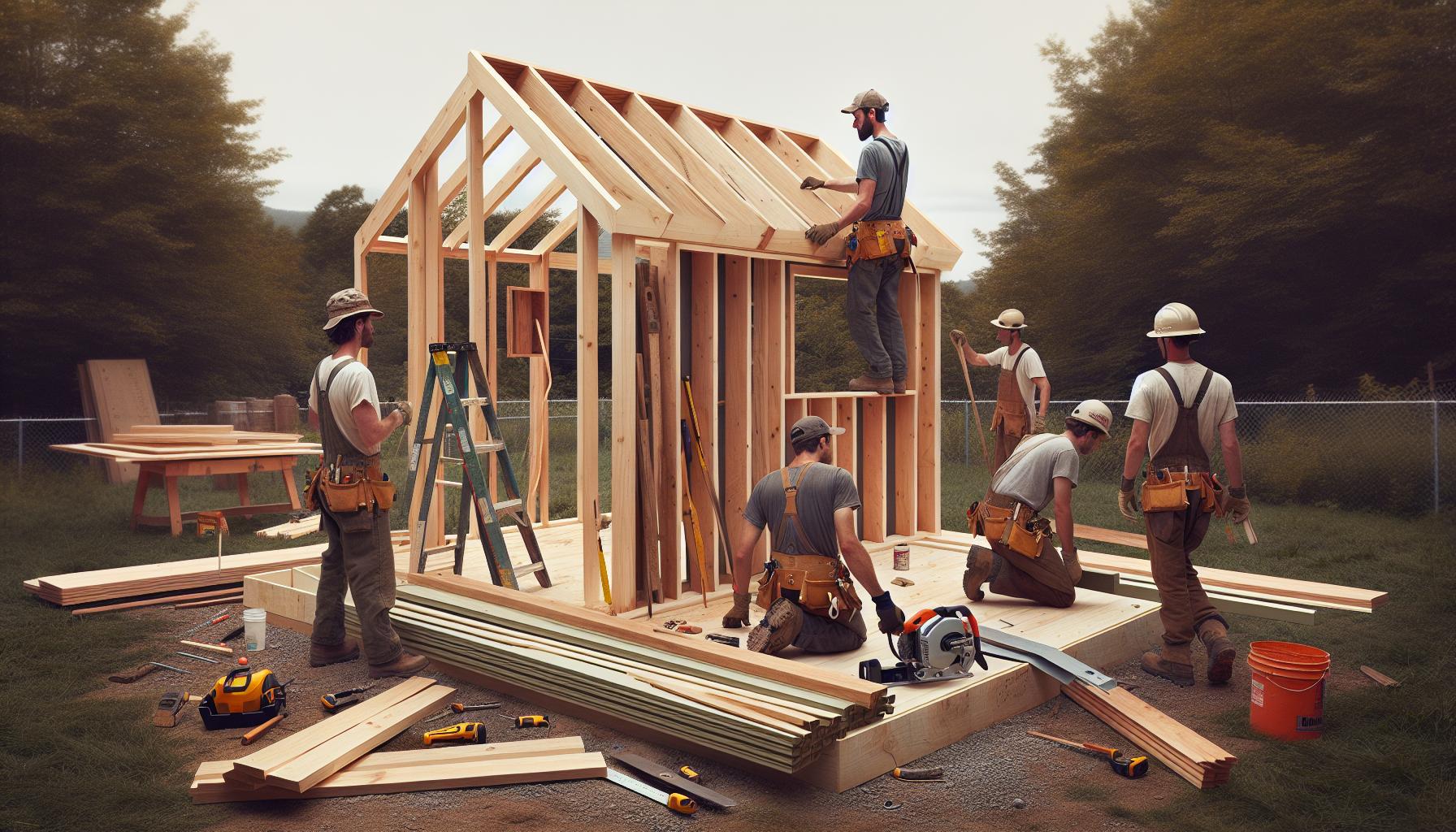
Step-by-Step Guide: Building Your Lean To Shed
Building your very own lean-to shed is more than just a weekend project; it’s a rewarding journey into DIY that not only enhances your outdoor space but also boosts your practical storage solutions. Imagine being able to clear clutter from your garage or shed and neatly store garden tools, bikes, or seasonal decorations within easy reach! With a little planning and the right guidance, you can create a functional and attractive shed that fits snugly against your home, maximizing your yard’s potential.
To get started, begin with a solid foundation. Lay out a concrete slab or level the ground where your shed will rest. This step is crucial as it keeps your structure stable and resistant to moisture. Move on to constructing the frame using treated lumber, ensuring everything is level and square. The key here is to take your time with measurements-accurate framing is vital for a tidy look and sturdy construction. As you frame, use a level frequently to check that everything aligns correctly.
Next, it’s time to add the walls. Cut your plywood panels to size and fasten them securely to the frame with your drill and screws. This part is where your shed really starts to take shape, so be proud of your progress! Once all four walls are up, it’s time to crown your creation with a roof. Depending on your materials, you might opt for lightweight corrugated metal or traditional shingles. Attach your roofing material, ensuring it’s well-sealed against the elements-remember, a watertight roof is essential for the longevity of your shed!
Finally, don’t forget the finishing touches. Apply a waterproof sealant to protect your shed from rain and snow. Once everything is in place, personalize your space with paint or decorative trim to make it uniquely yours. Place shelves or hooks inside to maximize storage efficiency. The satisfaction of stepping back to admire your handiwork will make all the effort worthwhile. You can absolutely do this, and once you’re done, you’ll feel the immense pride that comes from creating something useful and beautiful with your own hands!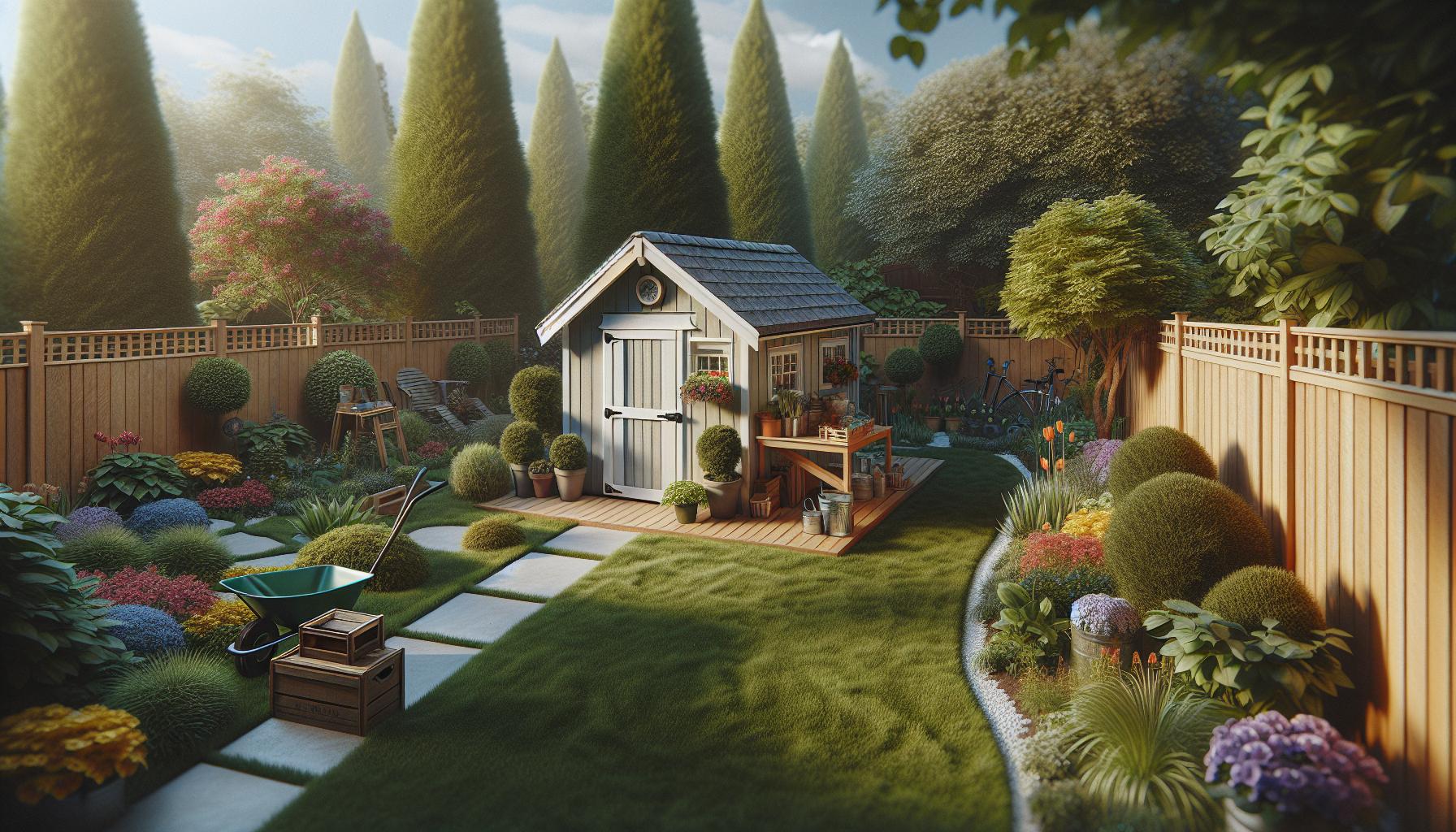
Choosing the Right Location for Your Shed
Choosing the perfect spot for your lean-to shed is fundamental to your project’s overall success, and it’s often an overlooked step that can save you a lot of hassle later. The right location not only enhances the functionality of your shed but also complements your landscape, ensuring it integrates seamlessly with your home and garden. Imagine walking out to a beautifully organized space where tools are easy to find and clutter is kept at bay-that’s the dream!
There are a few key aspects to consider when selecting your shed’s site. First off, think about accessibility: you want a location that’s easy to reach, especially if you’ll be moving larger items in and out. Finding a balanced spot that’s close enough to the house for convenience yet far enough to keep your yard looking tidy is ideal. Sunlight exposure is another important factor. If you’ll use your shed for gardening tools, a spot with morning sun can help dry out any damp tools. Conversely, if you’re storing things that may warp or degrade in the heat, a shaded area could work better.
Next, it’s time to assess the ground conditions. You’ll want a flat, level surface to lay a solid foundation; if your yard has sloping terrain, you might need to do a bit of grading. Good drainage is also critical-avoid low spots where water might pool after rain. Additionally, consider the proximity to mature trees; while they provide shade, their roots can disrupt your shed’s foundation, and falling branches could cause damage.
Lastly, check with your local regulations regarding setback requirements from property lines and any necessary permits. Planning ahead can save you headaches down the road. Mark out your chosen area with stakes and string to visualize the dimensions; this simple method allows you to see how the structure will fit in your yard before you commit to building. Remember, you can do this! By thoughtfully choosing your location, you set the stage for a DIY shed that serves your needs perfectly while enhancing your outdoor space.
Design Considerations for Your Dream Shed
Designing your lean-to shed is where the magic truly begins! With a little creativity and planning, you can craft a space that not only serves its practical purpose but also reflects your personal style. Whether you’re an enthusiastic gardener, a DIY hobbyist, or simply in need of extra storage, the decisions you make here can significantly enhance both functionality and aesthetics.
Start by considering the size and layout. Think about what you’ll store and how often you’ll use these items. If your shed will hold gardening tools, outdoor furniture, or seasonal decorations, allocate adequate space for organization or even a potting bench. A common layout includes shelves, hooks, and designated zones for different categories of items, which can help maintain order. Try sketching out a rough design-this visual will help you organize your thoughts and determine what’s feasible within your chosen dimensions.
Next, focus on materials and style. The beauty of DIY is that you get to choose your materials! Consider using weather-resistant wood or composite materials to ensure longevity. You might opt for a rustic look with reclaimed wood or go sleek with metal siding; both styles offer unique charms. Don’t forget about the roof-if you’re in a snowy area, a sloped design can prevent heavy snow accumulation, whereas a flat roof might work well in a milder climate. Integrating larger windows or skylights will also brighten the interior, making it a more inviting workspace.
Color and finish can further enhance your shed’s appeal. A bright color can make your shed a cheery focal point in your yard, while earth tones can help it blend seamlessly into the landscape. Use quality outdoor paint or wood stain that can withstand the elements. Adding personal touches like decorative hinges, a stylish door, or rustic handles can elevate the overall look. Remember, this is your space-make it one that you love to visit!
By taking these design considerations into account, you’re setting yourself up for a successful build. You can do this! Enjoy the process and let your creativity shine through every nail and board you place. Each decision brings you closer to a functional and beautiful lean-to shed that truly meets your needs. Happy building!
Budgeting Your Lean To Shed Project
When it comes to taking on a new build like a lean-to shed, understanding your budget is absolutely essential. It’s not just about how much you can spend, but how to allocate your resources effectively for both quality and value. After all, a well-planned budget paves the way for a more enjoyable building experience. Let’s dive into some practical strategies to help you keep your costs in check while still crafting a gorgeous and functional storage solution.
To begin with, outline the key components of your shed project. These typically include materials, tools, and any additional features you want to incorporate. Here’s a helpful approach:
- Materials: Consider the main materials needed-wood, roofing, nails, paint, and any hardware. The type of wood will significantly impact your budget; for instance, treated lumber lasts longer but costs more than untreated options.
- Tools: Do you have the essential tools? A power saw, drill, and level are fundamental, but if you need to rent or buy tools, factor those costs in.
- Extras: Don’t forget any finishing touches like paint or shelving. These little details can enhance your shed’s utility and look.
Next, set a realistic budget for each category. You might want to create a simple table to break down costs, which makes tracking expenses easier. Here’s an example:
| Item | Estimated Cost |
|---|---|
| Wood (2x4s, plywood, etc.) | $300 |
| Roofing material | $150 |
| Hardware (nails, screws, etc.) | $50 |
| Paint and finishes | $75 |
| Tools (if not owned) | $100 |
| Total | $675 |
Keep in mind, you can often reduce costs by opting for second-hand materials, joining a local DIY community for shared resources, or even borrowing tools from friends and family. There’s also a wealth of online marketplaces where you can find bargains.
Budgeting isn’t just about pinching pennies; it’s also about understanding the value of your investment in both time and materials. Every dollar spent on quality supplies today will save you from potential repairs or replacements down the line.
Stay flexible throughout your building process. If you find a material that’s more suited to your needs or a great deal on a particular item, adjust your budget accordingly. Planning a bit of extra padding for unexpected expenses can ensure you won’t lose momentum due to unforeseen costs.
Remember, embarking on this building adventure is a chance to express your creativity and build practical skills. With thoughtful budgeting, you’ll not only stay within your financial limits but also enjoy the satisfaction of completing a project that’s uniquely yours. So grab your tools and get ready-the shed of your dreams is within reach! You can do this!
Tips for Efficient Weekend Building
Building a lean-to shed over a weekend can be an invigorating and fulfilling project when approached with some planning and efficiency techniques. Did you know that the right preparation can help you save hours and cut down on frustration as you work? Here are some handy tips to ensure your building experience is smooth and enjoyable.
Begin by gathering all your materials and tools before you start. This goes beyond just having the right items on hand; it’s about creating a workspace that flows. Lay everything out in a way that makes sense for your workflow. For example, have your wood organized by size and your tools within easy reach. It might feel like an extra step, but this organization can turn a daunting project into a fun activity. You’ll be surprised how much smoother the process goes when you don’t have to keep running back and forth for something you forgot.
It’s also wise to enlist a buddy to help. A second pair of hands can make a significant difference, especially when it comes to holding pieces in place or moving heavier materials. Plus, having someone to share in the effort means you can celebrate the small wins together, making the experience more enjoyable. If you don’t have a friend handy, consider joining an online DIY community where you can seek advice or find someone passionate about building.
Work Smart, Not Hard
Stay focused on the tasks at hand. Break your build down into manageable chunks, and tackle one step at a time. For instance, you might start with laying the foundation on Saturday morning, followed by constructing the frame in the afternoon. This method helps you see progress quickly and keeps your motivation high. Be sure to take short, regular breaks, as they can sharpen your focus and keep energy levels up throughout the day.
Finally, embrace the unexpected. Not every weekend building project goes exactly according to plan-and that’s okay! If you run into a snag, take a deep breath and remember you can adapt your approach on the fly. For example, if you find that a piece of wood doesn’t fit as planned, you can easily adjust your measurements rather than stress over it. Each minor setback is actually a learning opportunity.
By preparing diligently, working smart, and remaining adaptable, you’ll not only complete your lean-to shed in a weekend, but you’ll also enjoy the process. Remember, this is your project, and you can absolutely do this! Celebrate your accomplishments along the way, and soon enough, you’ll have a beautiful new storage space that you built with your own two hands.
Common Mistakes to Avoid When Planning
When diving into the exciting project of building your lean-to shed, keeping a few key pitfalls in mind can turn this endeavor into a successful and rewarding experience. One common mistake is underestimating the importance of accurate measurements. It’s crucial to measure twice and cut once! A small error in your measurements can lead to major adjustments later, possibly affecting the entire structure, so take your time with this foundational step.
Another frequent oversight is neglecting to take into account the local building codes and regulations. Each area has specific requirements for structures like sheds, and failing to comply can lead to complications, including fines or the need to dismantle your shed. Before you start your project, check local guidelines to ensure your plans are up to code.
Additionally, many DIYers often overcomplicate the design. It’s tempting to go for intricate features when a simple, functional design would work best. Stick to essential features and focus on practicality, especially if you’re aiming to complete the project in a weekend. Your lean-to shed should serve its purpose efficiently, so prioritize storage convenience over elaborate aesthetics.
Lastly, don’t forget about the weather! Planning your build for a day with clear skies is wise, but be ready for unexpected conditions. Having a weather plan ensures you won’t be caught off guard. If rain is in the forecast, consider easing into the project by setting up your workspace in a dry area or planning to work on parts of the shed that can be done indoors. Embracing flexibility will not only keep your project on track but also enhance your overall building experience. Remember, you can do this! With careful planning and attention to detail, your dream shed is within reach.
Personalization Ideas to Make It Unique
Adding a personal touch to your shed can transform it from a simple storage solution into a reflection of your style and needs. Whether you want a rustic charm, a modern vibe, or something entirely quirky, personalization is key. Start by choosing a color scheme that complements your home. A fresh coat of paint can do wonders! Think beyond standard shed colors; perhaps a vibrant teal or a classic barn red will add flare. You might consider adding a mural or stencils for an artistic touch.
Another fun idea is to incorporate functional decor. Think about installing a chalkboard on one side for notes or reminders, or mounting hooks for hanging tools that double as decoration. Add window boxes filled with flowers or herbs to bring a touch of nature – plus, they’ll make your shed inviting! If you’re keen on storage, add shelves in unique shapes or colors inside the shed to keep it organized yet stylish.
Creative Touches
You can also repurpose materials to give your shed a unique character. Old doors or windows can be used to create a distinct facade or a charming entrance. Pallets are incredibly versatile and can be used to craft rustic furniture or wall decor. Don’t forget to light up your space! String lights can easily create a cozy atmosphere, perfect for when you want to spend some evening hours organizing or working on a project.
Indoor Personalization
Inside your shed, consider creating zones for different activities. Use colorful bins for storing garden tools, craft supplies, or sports equipment. Label these bins for easy access, and don’t be afraid to use fun fonts or colors. This not only keeps your shed organized but adds personality to it.
These personalizations not only enhance the functionality of your lean-to shed but also make it a delightful space that you’ll cherish and enjoy. You can absolutely make this happen! Remember, this is your project, and every touch should reflect who you are. So roll up those sleeves and let your creativity shine!
Maximizing Storage in Your Lean To Shed
When it comes to organizing your lean-to shed, every square inch counts! This space can serve as a versatile storage solution for everything from gardening tools to outdoor furniture. The right storage tips can transform it into an efficient space where everything has a designated spot. Follow these practical strategies to maximize your storage and keep your shed clutter-free.
Utilize Vertical Space
One of the most effective ways to enhance storage is by looking upwards! Installing shelves is a fantastic way to free up floor space. Use sturdy brackets to hold wooden boards or pre-made shelving units. Make sure to store heavier items on lower shelves for easy access and stability. If you’re feeling crafty, you can even build floating shelves using reclaimed wood for a rustic touch that adds character.
Another great option is to install pegboards on the walls. This allows you to hang tools, hooks, and containers at eye level, making equipment easy to find while keeping the floor unobstructed. You can customize your pegboard layout as your needs change, offering flexibility that traditional cabinets simply can’t provide.
Create Multi-Functional Zones
Think about how you use your shed and create zones that cater to each activity. For instance, dedicate one area for gardening supplies, another for sports equipment, and a small workspace for DIY projects. Inside each zone, use bins, baskets, or labeled containers to keep similar items together. This not only makes finding what you need easier but also makes putting things away a breeze.
Consider using shelving units on wheels that you can roll around depending on your current project. These mobile solutions are especially handy for grabbing tools when you need them without permanently occupying valuable shed real estate.
Think Outside the Box
Don’t shy away from unconventional storage methods! Upcycling is a fun and eco-friendly way to add a personal touch to your shed. Old crates can function as stylish storage units. Stack them or hang them on walls for a chic display that doesn’t compromise on functionality. Even an old bicycle can find a new purpose as a plant holder or tool rack.
Lastly, consider using the shed’s exterior to your advantage. If your shed design allows for it, add exterior hooks or storage racks to hold larger items like ladders or garden hoses, keeping them out of the way but still accessible.
By implementing these ideas, you’ll transform your lean-to shed into an organized haven that not only stores items efficiently but also inspires creativity and productivity. Remember, the fun is in the making, so enjoy the process and your newfound space!
Maintaining Your Shed for Longevity
Maintaining your shed isn’t just about preserving the investment you’ve made; it’s also about extending its life and keeping it a reliable space for your projects. A well-cared-for shed can last years, providing a sturdy home for your tools, garden supplies, and everything in between. With a bit of regular upkeep, you can keep your lean-to shed looking great and functioning perfectly!
Start by inspecting the exterior for any signs of wear. Check for peeling paint or weathered wood that could invite moisture and pests. We recommend using a durable outdoor paint or wood sealant to protect against the elements. Aim to paint or seal your shed every few years, or sooner if you notice signs of damage. If you see any cracks or holes, fill them promptly to prevent water ingress and pest infestations.
Next, focus on the interior. Regularly clear out debris and reorganize your stored items. Consider a bi-annual “shed clean-out day” to take stock of what you have, discard what you don’t need, and tidy up your space. This ensures you’re not just keeping your shed clean but also maximizing its efficiency. A well-organized shed is not only more enjoyable to work in but also minimizes stress when you’re looking for specific tools or supplies. Don’t forget about ventilation! Ensure windows are clean and vents are clear to allow moisture to escape, discouraging mold growth.
Finally, pay attention to the foundation and flooring. Make sure there’s no pooling water around the base, which can rot the wood. Keep the floor clean and dry to prevent slipping and deterioration. Use mats or rugs in high-traffic areas to provide extra protection and comfort. By combining these practices, you’re setting yourself up for success with a resilient and functional shed. Remember, every bit of effort counts-your DIY spirit is what makes this project not just a task, but a rewarding journey!
Inspiration and Real-Life Project Examples
Building a lean-to shed is not only a practical storage solution but also a great way to flex your DIY muscles. Imagine completing a project that not only beautifies your yard but also organizes your tools and garden essentials-all in just one weekend! We’ve gathered inspiration from real-life projects that demonstrate how creativity and resourcefulness can elevate your shed design beyond the ordinary.
One impressive project resonates with many DIY enthusiasts: a lean-to shed that blends seamlessly with the existing home architecture. By matching the shed shingles and paint color to their house, the homeowner didn’t just create additional storage; they enhanced their property’s curb appeal. This shed features reclaimed wood for the walls, giving it a rustic charm while being environmentally friendly. It’s a reminder that sourcing materials wisely can result in a stunning end product without breaking the bank.
Another example involved a family who turned their lean-to shed into a multipurpose hub. Not only did they store tools and garden supplies, but they also created a cozy potting area. With a simple table made from pallets and plenty of shelving for pots and soil, this space became essential to their gardening hobby. The careful use of light paint helped to make the small area feel larger and more inviting. You can achieve this too: think about how your shed can serve multiple functions to maximize its utility.
### Key Takeaways for Your Project
- Incorporate Personal Touches: Use colors, materials, and designs that reflect your style.
- Think Outside the Box: Consider dual purposes for your shed, such as a workspace or craft zone.
- Be Resourceful: Look for reclaimed materials or second-hand finds that can be transformed.
Every project is a journey, and your lean-to shed can become a reflection of your personality and a practical space for all your needs. So gather your tools, share the excitement with friends or family, and dive into this rewarding DIY adventure-you’ve got this!
Frequently asked questions
Q: What materials are best for a DIY Lean To Shed?
A: The best materials for a DIY Lean To Shed include pressure-treated wood for the frame, plywood or OSB for the walls, and a weather-resistant roofing material like metal or shingles. Using quality materials helps ensure durability and longevity for your shed. Refer to the Essential Tools and Materials You’ll Need section for more details.
Q: How long does it take to build a Lean To Shed?
A: You can typically build a Lean To Shed in one weekend if you have all materials prepared and follow a structured plan. Most projects take 16 to 24 hours depending on your experience level and the complexity of the design.
Q: Can beginners build a Lean To Shed?
A: Yes, beginners can successfully build a Lean To Shed! With clear instructions, the right tools, and a positive attitude, you can create a functional storage space. Start with a simple design to boost your confidence. See the Step-by-Step Guide: Building Your Lean To Shed section for starter tips.
Q: What tools do I need for a Lean To Shed project?
A: Essential tools include a saw, drill, level, tape measure, and a square. You may also need a hammer, nails, and screws. Having these tools ready will help streamline your building process. Check the Essential Tools and Materials You’ll Need section for a complete list.
Q: What are the common mistakes to avoid when building a shed?
A: Common mistakes include poor planning, using incorrect measurements, and neglecting to account for local building codes. Ensure you plan carefully and follow guidelines to avoid costly errors. For more insights, see the Common Mistakes to Avoid When Planning section.
Q: How can I customize my Lean To Shed?
A: You can customize your Lean To Shed by adding windows for natural light, shelves for organized storage, or a painted finish for aesthetic appeal. Personalization allows you to tailor the shed to your needs and style preferences. Explore more ideas in the Personalization Ideas to Make It Unique section.
Q: How do I maintain my Lean To Shed for longevity?
A: To maintain your Lean To Shed, check for wood rot, apply waterproof sealant, and clean gutters to prevent water damage. Regular inspections and care will extend its lifespan. For detailed maintenance tips, visit the Maintaining Your Shed for Longevity section.
Concluding Remarks
Congratulations on your journey to creating your very own DIY Lean To Shed! In just one weekend, you can transform your outdoor space while finding a practical storage solution that fits your needs and style. Remember, the joy of crafting is in the ability to personalize each step, from selecting materials to painting your shed in a color that inspires you.
Ready to take your DIY skills to the next level? Explore more in-depth resources like our complete guide on building a garden shed or discover clever storage solutions with our collection of shed plans. Don’t forget to share your shed-building experience in the comments below or connect with us on social media. It’s time to start your project-let’s make that dream shed a reality!
Get our latest guides, news, and insights highlighted in your Google Search & AI Overviews.