

Are your furry friends getting bored with the same old toys? Keeping your kitty engaged is vital for their happiness and well-being-enter the Pet Teaser Replacement Lure DIY project! In just a few easy steps, you can create stimulating new lures for their favorite teaser wands, ensuring playtime is always exciting. This DIY project is not only budget-friendly but also allows you to customize lures that suit your cat’s play style and preferences. Plus, making your own toys can strengthen your bond with your pet as you watch them joyfully pounce and chase. With minimal materials and a bit of creativity, you’ll discover that pet toy crafting is a fun and fulfilling experience. Get ready to unleash your inner crafter and keep your feline friend happily entertained!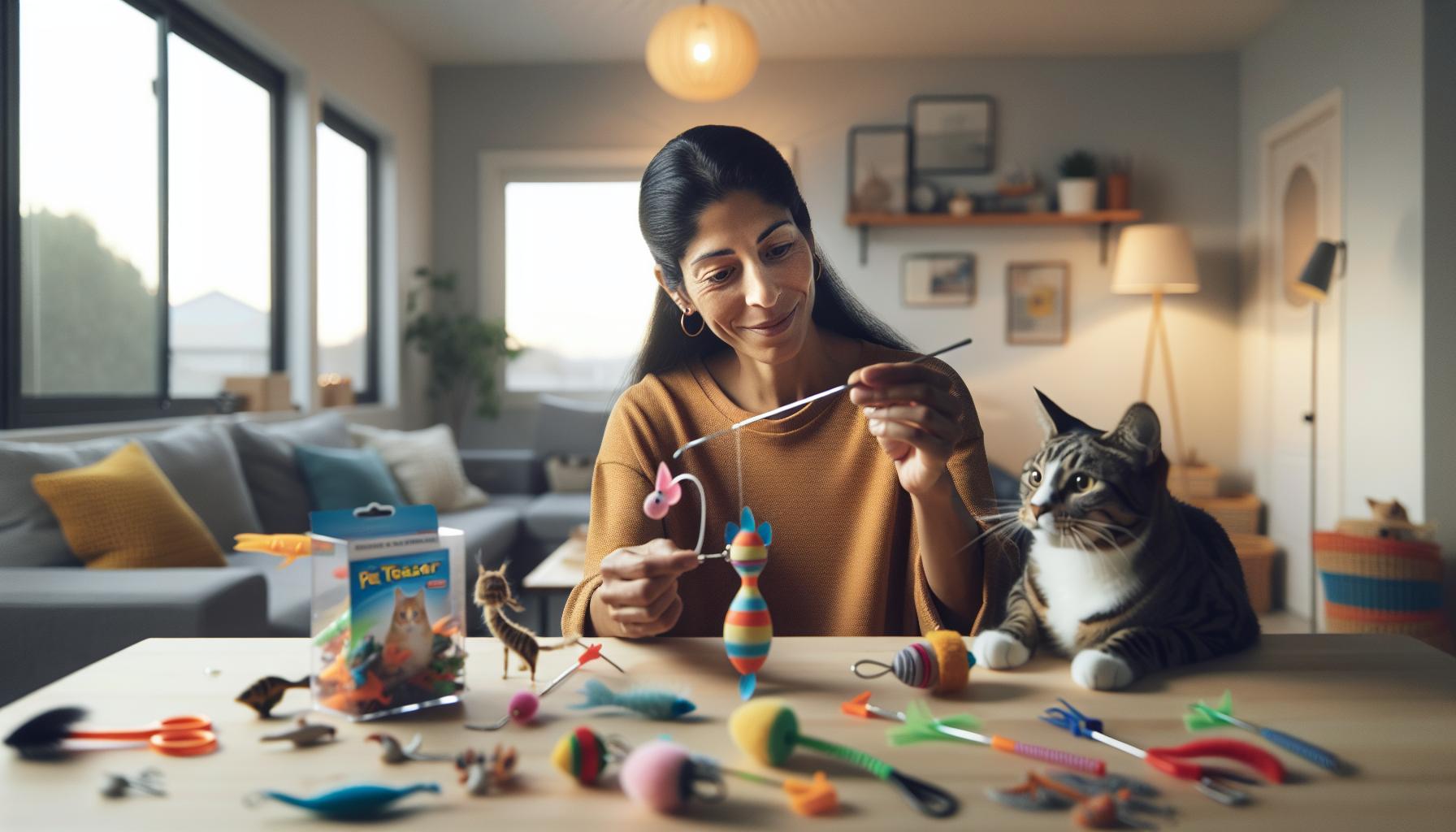
Understanding Pet Teaser Replacement Lures: A Guide for Cat Owners
Understanding pet teaser replacement lures can transform your cat’s playtime into an exciting adventure filled with stimulating fun. Cats are natural hunters, and teasing lures appeal to their instincts, making them perfect for engaging your feline friend. Creating your own lures not only saves you money but also allows you to customize the experience to suit your cat’s preferences. Whether your kitty loves to chase feathers, strings, or sparkly materials, you can craft a teaser that enhances their playtime and keeps them active.
When it comes to crafting your replacement lures, think about the materials you have on hand and what your cat enjoys most. Common options include feathers, bells, ribbons, and fabric scraps. For example, a simple feather attached to a sturdy stick can become an irresistible lure. Cats often prefer a combination of textures and colors, so don’t hesitate to experiment with various elements to see what catches their interest. Remember, the goal is to create something that mimics the movement of prey, so incorporating swaying or fluttering actions can mimic the chase.
One of the joys of DIY cat toys is the ability to personalize them. You might find that your cat loves a particular color or texture that you can easily incorporate into your design. Consider adding a bit of catnip to the mix-cats typically find it irresistible. When your homemade lures are engaging and tailored to your pet’s tastes, you’ll not only keep them entertained but also strengthen your bond through interactive play. Just remember to supervise playtime to ensure your kitty’s safety, especially with any small parts that could be ingested. With a little creativity and effort, you can keep your cat happily pouncing and engaged!
Essential Materials for Your DIY Lure Project
To create captivating DIY lures for your cat, having the right materials on hand is essential. One of the best parts about making these toys is that you can often use items you already have at home, making it an economical and environmentally friendly project. Think about textures, colors, and sounds that will entice your feline friend. Here’s a simple list of common materials that can help you craft engaging lures:
- Feathers: Birds’ feathers are irresistible to cats, mimicking the fluttering of real prey.
- Ribbons or String: These materials can create movement that excites your cat’s hunting instincts.
- Fabric Scraps: Soft or crinkly fabric can provide different textures for tactile stimulation.
- Bells: Adding a little jingle can capture your cat’s attention, turning playtime into an exciting hunt.
- Catnip: This is a game-changer! A sprinkle of catnip can make any toy more enticing.
- Sticks or Dowels: A sturdy base for your lures-these can form the handle of your teaser.
Crafting Tools and Extras: You’ll also need a few basic supplies to assemble your lures effectively. Consider keeping these tools handy:
- Glue Gun: Perfect for securing pieces together quickly and easily.
- Scissors: Essential for cutting ribbons, fabrics, and string to your desired lengths.
- Thread and Needle: For extra durability, sewing can be a great way to attach various materials.
Once you’ve gathered your materials, take a moment to explore what your cat enjoys most. You can involve them in the process too-watch how they react to different textures and incorporate those observations into your DIY projects. Remember, making toys is not just about the end product; it’s about the joy of engaging with your cat during playtime. It’s all about creating something unique that meets their playful instincts! You can absolutely do this, and have fun along the way!
Step-by-Step Instructions to Craft Your Teaser
Crafting a DIY pet teaser lure can be a gratifying project that not only keeps your cat entertained but also taps into your creative side. Best of all, the materials you need are often just lying around your home, turning this into an eco-friendly and budget-friendly venture. Let’s jump right into making a delightful teaser that your kitty will love!
Start by gathering your essential materials. You’ll need a sturdy stick or dowel for the handle, some colorful ribbons or strings for moving visuals, and enticing add-ons like feathers or bells to spark your cat’s interest. Once you have your items organized, the fun begins!
Here’s how to create your teaser lure:
- Prepare Your Handle: Take the stick or dowel. Make sure it’s a comfortable length-typically around 18 to 24 inches works well. Sand down any rough edges for safety.
- Attach the Strings or Ribbons: Cut a few lengths of ribbon or string, about 12 to 18 inches long. Use your glue gun to attach one end of each piece to the end of the stick. Varying the colors and lengths can add visual interest and movement.
- Add Teasing Elements: Attach feathers or bells to the ends of the ribbons for added excitement. If you’re using feathers, consider securing them with thread for durability. This mimics the sway and flutter of prey, captivating your cat’s attention.
- Personalize Your Teaser: This is where you can let your creativity shine! Have some fun with additional materials, like attaching small fabric scraps or even a toy at the end of the ribbons. Your cat will surely love an unexpected surprise.
- Final Touches: After everything is securely attached, give it a once-over to ensure there are no loose pieces that might pose a choking hazard. You can even spray a little catnip spray on the fabric or ribbons to make it irresistible.
You now have a custom-made teaser lure! Engage your cat right away to see how they respond-be patient as they explore their new toy. Remember, it’s all about making playtime fun and enriching for your feline friend. Celebrate your DIY success, and don’t hesitate to experiment with new designs and materials in the future. You can do this, and your kitty will thank you with joyful pounces and playful antics!
Fun Variations: Different Types of Lures You Can Make
Creating your own cat teaser lures opens up a world of fun and creativity, allowing you to customize playtime for your feline friends. There are countless variations you can explore, each designed to keep your cat engaged and entertained. Let’s dive into some exciting ideas that you can easily craft at home!
One delightful option is the feather wand. This classic cat toy takes advantage of visual stimulation to ignite your kitty’s natural hunting instincts. To make one, simply take a sturdy stick and attach several colorful feathers at varying heights and lengths using string or thread. The fluttering feathers mimic the movement of birds, keeping your cat happily pouncing and swatting. Add a few bells for auditory excitement, making each swoosh irresistibly intriguing.
Another creative variation is the ribbon teaser. Grab some bright, soft ribbons or strips of fabric and securely tie them to your stick. Consider mixing textures by using both satin and cotton material for added sensory appeal. For extra play, you can hang small toys or pom-poms at the end of the ribbons. As these dangle and sway, they invite your cat to leap and chase, making playtime a delightful challenge.
If you want something with a bit of a twist, try a crinkle lure. You can use a small fabric pouch filled with crinkly material (like cellophane or crinkly paper) attached to the end of a stick. The sound of crinkling will entice your cat’s curiosity as they bat and chase after it. This lure not only engages their sense of sight but also adds an exciting auditory element to their playtime.
Experimenting with different types of lures can provide your kitty with endless hours of fun! The beauty of crafting these toys is that you can customize each one to suit your cat’s unique personality and preferences. Get creative, mix and match materials, and most importantly, have fun in the process. Your feline companion will appreciate the extra effort and love you put into their playtime!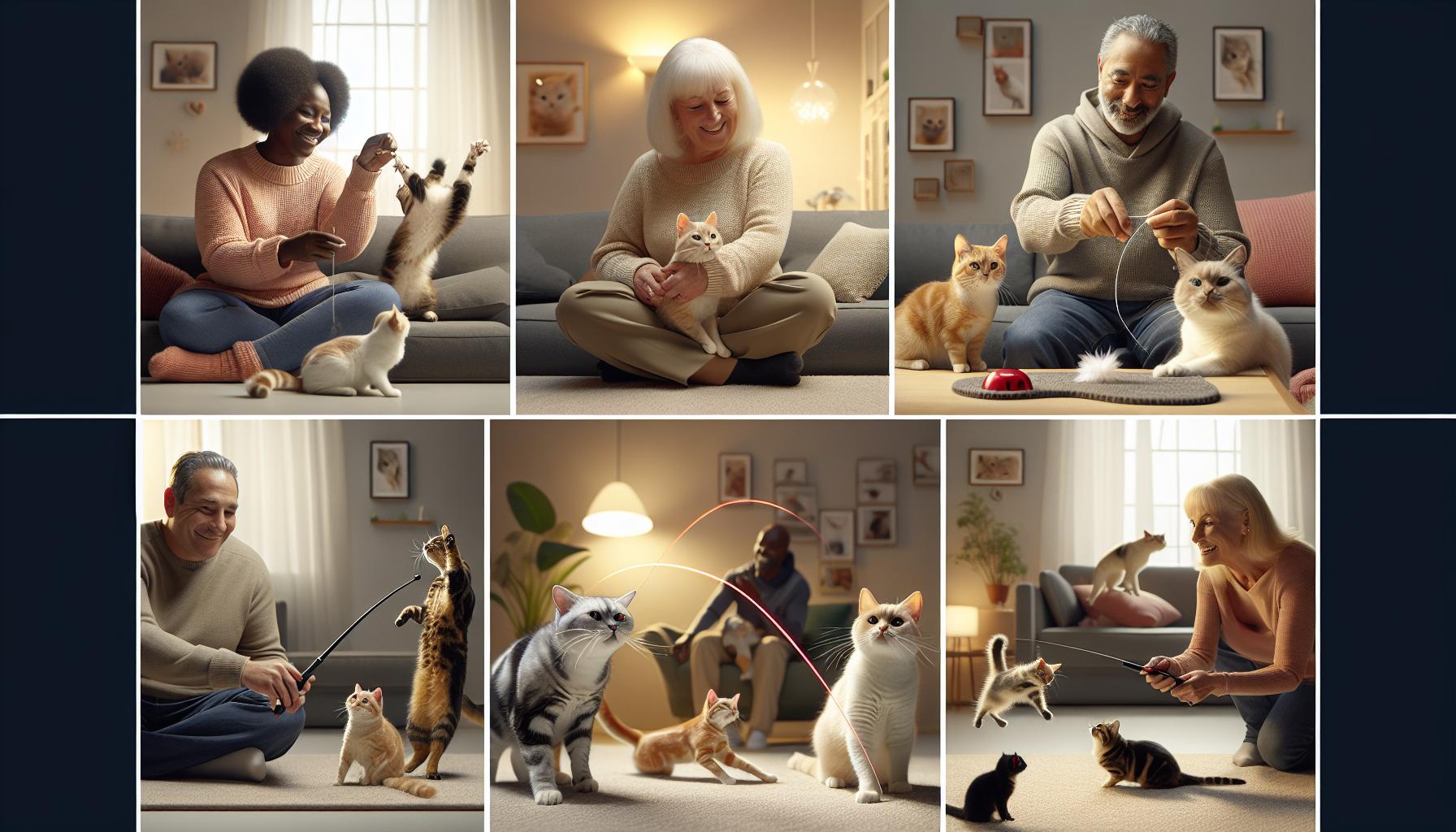
Choosing the Right Teasing Technique for Your Cat
Choosing the right technique to tease your cat can transform an ordinary play session into an action-packed adventure! Each kitty has its unique preferences, and experimenting with various techniques can help you discover what keeps your feline friend engaged and excited. Whether you opt for swift movements or gentle sweeps, a few basic principles can help you tailor your approach to your cat’s personality and playstyle.
- The Quick Flick: For the cat that loves to pounce, quick flicks can mimic the erratic movements of prey. Use a feather or crinkle lure and gently snap your wrist to make it dart side to side. This technique triggers their hunting instincts, encouraging leaps and swats.
- The Slow Drag: Some cats prefer a slower, more deliberate approach. Slowly dragging a ribbon lure along the ground invites them to chase without overwhelming them. Add occasional pauses to heighten curiosity and keep them on their toes.
- The Up and Down Dance: For those cats that love to jump, try raising and lowering the lure. This method is fantastic for engaging their vertical instincts, as they leap to catch it. Use a wand with feathers or a string tied to a small toy to create movement that mimics flying insects.
Adjust your technique based on your cat’s response. If they’re not as interested, switch it up and discover what excites them the most. Some cats thrive on a little unpredictability, so don’t hesitate to change direction or speed during play. Always pay attention to their body language-if they seem focused and attentive, you’re on the right track!
Feeling inspired? You can absolutely do this! Keep it fun and low-pressure. Your goal is to create an enjoyable interaction that strengthens the bond between you and your kitty while keeping their minds sharp and bodies active. Before you know it, you’ll both look forward to these playful sessions!
Tips for Keeping Your Cat Engaged During Playtime
Keeping your feline friend engaged during playtime is key to their happiness and well-being. Did you know that cats are natural hunters? They thrive on activities that stimulate their instincts, which makes DIY teaser toys an exciting choice! By creating your own lures, you not only save money but can also tailor them to your cat’s preferences. Here are some effective tips to ensure your cat stays captivated and active during play sessions.
To start, think about incorporating a variety of movements with your DIY toys. Cats can get bored quickly if the play is too repetitive. Alternate between quick flicks, slow drags, and vertical dances to mimic the unpredictability of prey. For instance, after a session of quick darting, try a gentle wave of the lure at a distance to re-engage their interest. If they seem unfocused, change your technique or introduce a new lure to reignite their excitement.
Using different materials can also add intrigue. Consider mixing textures-attach feathers, soft fabrics, or even crinkly paper to your lures. The variety keeps things fresh and can lead to unexpected interactions. Another fun idea is to incorporate scent; a little catnip can turn an ordinary plush lure into an irresistible toy. Just remember to use it sparingly to prevent overstimulation.
Lastly, timing is everything! Schedule play sessions when your cat is naturally most active, such as during dawn or dusk. This aligns with their instinctual hunting patterns and can lead to more engaging and energetic play. And don’t forget to follow your cat’s lead-if they show interest in a certain lure or play style, lean into that. Before you know it, you’ll both be enjoying many joyful moments together, strengthening your bond as you play and create. You can do this! Let your imaginations run wild, and watch as your kitty revels in the fun you’ve crafted just for them.
Safety Considerations When Making Cat Toys
When creating DIY cat toys, especially teaser lures, safety should always be your top priority. Cats are curious creatures and can be quite playful, which means they may chew, paw, or even swallow parts of their toys. To ensure a fun and safe playtime, focus on using materials that are non-toxic and sturdy enough to withstand vigorous play. Avoid small parts that could detach easily and become choking hazards. Instead, opt for securely attached items like feathers and fabric pieces, ensuring they’re well-fastened with safe adhesives or stitches.
It’s also crucial to consider the textures and components of your DIY toys. Some materials can be harmful if ingested, so steer clear of items that could splinter or break into sharp pieces. For example, while natural twine might seem like a great choice for a rustic look, it can be harmful if your cat decides to chew on it excessively. Instead, consider safer alternatives such as soft fabrics or felt that are less likely to pose a risk if your cat gets a bit too excited during play.
Maintaining a clean play environment is just as important as crafting safe toys. Regularly inspect your DIY lures for signs of wear and tear. If you notice any loose threads, fading colors, or frayed edges, it’s best to retire the toy to prevent accidents. Additionally, you can implement a rotation system for your homemade toys, allowing your cat to enjoy fresh options while keeping an eye on their condition.
Finally, always supervise your cat during playtime, especially when introducing new toys. This not only helps ensure their safety but also allows you to monitor their behavior and engagement levels with different lures. By taking these protective measures, you’re not just creating entertaining toys but also providing a safe and enjoyable play environment for your furry friend. Remember, the goal is for both you and your cat to have fun; safe, stimulating toys are the way to do it!
How to Personalize Your DIY Lure for Maximum Fun
To make your DIY teaser lure truly special, personalization is key! Cats have unique personalities and preferences, so tailoring your lures not only keeps them engaged but also adds an extra layer of fun. Start by considering your cat’s favorite colors, textures, and types of movement. Do they love chasing things that flutter and dangle, or are they more interested in things that roll? Choosing vibrant fabrics or materials that mimic their favorite prey can enhance the excitement and attract their curiosity.
One easy way to personalize your lures is by incorporating your cat’s favorite scents. Cats are highly influenced by smell, so consider adding catnip, valerian root, or even a sprinkle of dried fish flakes to your lure. For instance, if you are crafting a feathered teaser, you might attach a small pouch with catnip at the end, making it not just visually appealing but irresistibly aromatic! Additionally, you could use a mix of colorful threads and ribbons that cater to their playful instincts, creating a lure that’s lively and eye-catching.
Craft Ideas for Personalization
Here are a few fun ideas to get your creative juices flowing:
- Memory Maker: Use fabric scraps from your clothing or bedding to create lures that feel familiar to your cat. This not only adds a personal touch but also a unique texture they might love to chew and play with.
- Sound Additions: Incorporate jingling bells or crinkly materials inside your lures. Cats are attracted to sounds, and adding a little noise can enhance their playful experience.
- Texture Variety: Mix soft fabric with rougher textures like burlap or mesh. This combination will keep your cat intrigued as they explore different surfaces during play.
Remember, the process of crafting these personalized lures can be just as rewarding as the end product. Get your cat involved in the selection process-observing which textures and shapes they gravitate towards can provide invaluable insight for your next projects. This hands-on approach not only celebrates their preferences but also strengthens your bond as you engage in interactive play and creativity together. You can absolutely do this-unleash your inner crafter and let your imagination guide you to create a delightful experience for your furry friend!
Storing and Maintaining Your Homemade Lures
To keep your homemade cat lures in top shape for all those playful pounces, proper storage and maintenance are essential. Just like your feline friend doesn’t want to play with a shabby toy, you want to ensure your DIY creations remain enticing and safe. Here are some easy tips to help you maintain their quality and maximize playtime!
Start by storing your lures in a dry, cool place to prevent any moisture damage. A fabric box or a dedicated drawer works well for this purpose. Be sure to keep them out of reach of your cat when not in use to avoid any unsupervised chewing that could lead to a mess or potential hazards. For easy access during play, keep a fun basket or container in your living room where you can toss in a few of your DIY toys, making playtime spontaneous and exciting for both you and your cat.
Regular maintenance is just as crucial. Check your lures for any signs of wear and tear. If feathers have become detached or strings are frayed, it’s time to repair or replace them. A needle and thread can work wonders for sewing up small rips or reinforcing weak points. Remember, safety first! If a toy is too damaged, it’s better to retire it than risk your kitty’s safety.
Using scented materials like catnip? Replenish them regularly! If the scent fades, your cat may lose interest. Simply refresh them by reintroducing a small pouch of catnip or a new fragrance boost to reignite the excitement. Regular cleaning can also help; a quick wash and air dry can keep your toys fresh and appealing. Just ensure that the materials you use are washable and safe, as some fabrics or embellishments might not hold up well against water.
By committing to these simple storage and maintenance habits, you’ll ensure that your DIY lures stay engaging and safe, keeping your furry friend entertained for longer. Plus, it adds to the joy of crafting something special just for them! Embrace your maker-spirit and keep those tails wagging with creativity and care!
Incorporating Catnip: A Game Changer for Playtime
There’s something about catnip that ignites a spark in our feline friends! This aromatic herb is a game changer when it comes to keeping your kitty engaged during playtime, particularly with DIY lures. Catnip is known to stimulate playful behavior in many cats, making the experience of playing with your homemade teaser lures even more exciting. By incorporating catnip into your DIY projects, you not only add an enticing element to your creations but also increase the chances that your cat will enjoy them thoroughly.
To add catnip to your DIY lures, consider these simple methods that can easily fit into your crafting process:
- Infusion: If you’re using fabric, try infusing the material with catnip before you sew everything up. Simply place catnip in a mesh bag and stitch it into the lure. This keeps the catnip contained while still allowing the scent to escape.
- Pouches: Create small pouches filled with dried catnip and attach them to the lure. This offers a fun way for your cat to engage with the lure and allows you to replace the catnip easily when the scent fades.
- Sprinkling: For lures that are already made, you can sprinkle catnip onto feathered or textured parts of the toy. Just be careful to do this in moderation to avoid any mess!
Consider mixing different textures and types of catnip as well. Some cats love the dried version, while others might be attracted to catnip sprays or even catnip-infused fabric. Observing what your cat responds to best can be a fun experiment and will guide you in creating engaging toys that keep them happy. Don’t forget to periodically refresh the catnip to maintain that irresistible scent. A simple sprinkle or pouch replacement can make all the difference!
Incorporating catnip does more than just entice play; it can foster bonding moments between you and your cat. As you craft these lures, imagine the joy on your furry friend’s face as they pounce, chase, and swat at the enticing lure you’ve made. You can do this, and with each successful project, you’ll find that crafting not only enriches their playtime but deepens the bond you share with your delightful companion. Happy crafting!
Community Feedback: What Other Cat Owners Have Tried
Many cat owners have taken to sharing their experiences and tricks when it comes to crafting the perfect DIY teaser lures for their furry companions. The feedback has been overwhelmingly positive, with a common thread being the joy and excitement these homemade toys bring to their playtime. For instance, one participant noted that using colorful feathers not only made the lure visually appealing but also added an irresistible flopping motion that intrigued their cat for hours.
Creative Additions
A shared strategy among various cat parents involves incorporating different textures and materials. Many have experimented with items like crinkly paper or bells to attract their pets’ attention. One owner shared that they stitched a small pocket in their lure to hold a bell, creating an enticing sound whenever the toy moved. This simple addition has led to their cat becoming more actively engaged, chasing after the lure with delight.
Another fun tip is using recycled materials, such as old socks or fabric scraps. These items can be transformed into plush, cuddly toys that cats find irresistible. One crafter recounted how they filled a sock with catnip and tied it off securely, and their cat instantly loved it, spending countless hours tossing and pouncing. It’s a great way to reduce waste while creating something your pet will love!
Sharing Success Stories
Community forums highlight success stories and share useful tips, creating a supportive environment for DIY enthusiasts. Many cat owners encourage newcomers by sharing videos of their cats playing with the lures they’ve crafted, often giving praise to the DIY approach for sparking their pets’ playful instincts. This camaraderie fosters a sense of belonging and reassures novices that they can indeed succeed in making their own feline toys.
Incorporating feedback and ideas from fellow cat owners can significantly enhance your crafting journey. Remember, the key is to enjoy the process and not stress about perfection. As with any DIY project, creativity and enthusiasm will lead to the most satisfying results-just like weaving a little magic into your cat’s playtime!
Exploring the Benefits of DIY Cat Toys for Your Pet
When it comes to keeping your feline friend active and happy, DIY cat toys offer a plethora of benefits that are hard to ignore. These hand-crafted treasures not only save you money but also provide your cat with unique stimulation that store-bought toys often lack. Did you know that creating a personalized toy can significantly enhance your cat’s playtime experience? By incorporating your cat’s specific preferences into the design, you can elevate their enjoyment to a whole new level. From sensory engagement with different textures to the enticing aromas of catnip, the possibilities are endless.
One of the biggest advantages of making your own cat toys is the ability to customize them beyond what is available in stores. For instance, you can use colorful feathers, bells, or even crinkly materials to capture your cat’s interest. A simple DIY lure that features a bell sewn into the fabric can intrigue a curious kitty, encouraging them to leap and pounce with enthusiasm. The process of crafting these toys can also be a bonding experience; inviting your cat to participate by letting them observe or explore the materials you gather can strengthen your connection while stimulating their curiosity.
Additionally, DIY toys promote mental and physical exercise, which is crucial for a cat’s well-being. Engaging your pet with homemade lures can help combat boredom, reduce anxiety, and satisfy their natural hunting instincts. You might find that a lure made from an old sock stuffed with catnip becomes your cat’s new favorite plaything, incentivizing them to chase and pounce, and ultimately, stay active. This not only leads to healthier pets, but it also offers peace of mind knowing you are providing them with safe, enjoyable play options that you’ve crafted with care.
Incorporating DIY cat toys into your pet’s routine fosters creativity and innovation. As you experiment with different designs and materials, you may stumble upon new combinations that not only amuse your cat but also spark joy in your crafting journey. So grab some supplies, let your imagination flow, and rest assured that you’re giving your furry companion the joy of personalized play, all while enjoying the satisfaction of making something special just for them!
Faq
Q: How can I make a pet teaser replacement lure that my cat will love?
A: To create a pet teaser replacement lure, start with materials like feathers, string, and a stick. Combine these elements creatively! Personalize the lure to your cat’s preferences, using items that attract their interest, like catnip or shiny objects.
Q: What kind of materials are best for making DIY cat toys?
A: The best materials for DIY cat toys include natural fibers like cotton, feather strands, and non-toxic fur. Avoid synthetic materials that can be harmful. Refer to the section on Essential Materials in our article for more insights.
Q: Why should I use catnip in my DIY teaser lures?
A: Using catnip in your DIY teaser lures can significantly enhance your cat’s playtime experience. It stimulates their senses, encouraging them to engage more actively. Consider adding a pinch inside the lure for added appeal!
Q: How do I store homemade cat toys to keep them fresh?
A: To keep your homemade cat toys fresh, store them in a dry, airtight container. This helps preserve catnip potency and keeps the toys free from dust. Check the section on Storing and Maintaining Your Homemade Lures for detailed tips.
Q: What are some fun variations of cat teaser lures I can try?
A: Fun variations for cat teaser lures can include adding different textures like ribbons or bells, and variations in length. Explore the Fun Variations section of our article for creative ideas that can keep your cat entertained.
Q: When is the best time to play with my cat using the teaser lure?
A: The best time to play with your cat using a teaser lure is during their natural playful hours, typically early morning or late evening. Cats are most active during these times, making it ideal for engaging play sessions.
Q: What safety considerations should I keep in mind while making cat toys?
A: Always ensure that materials are non-toxic and check for any small parts that could pose a choking hazard. For comprehensive tips, look at the Safety Considerations section in our article to ensure your DIY lures are safe.
Q: How can I tell if my cat enjoys the DIY teaser lure?
A: Monitor your cat’s reaction during play. If they are actively engaging, pouncing, and showing excitement, it’s a good sign they enjoy the teaser. Regularly observe their body language for optimal playtime guidance.
The Conclusion
Now that you’ve got the inside scoop on creating your own Pet Teaser Replacement Lure, it’s time to unleash that crafty side! Remember, this DIY project is not only simple and budget-friendly, but it also guarantees hours of happy playtime for your beloved feline. You can do this! Don’t let the fun stop here-check out our other projects on homemade cat toys and tailor-made games for even more ways to keep your kitty entertained.
Feeling inspired? Share your creations with us in the comments below and let’s celebrate the joy of crafting together! And if you haven’t yet, make sure to sign up for our newsletter to stay updated on the latest DIY tips and tricks that make pet parenting a breeze. Your next great adventure in pet care is just a click away-explore more now! Your cat’s next favorite toy is waiting for you to make it!
Get our latest guides, news, and insights highlighted in your Google Search & AI Overviews.