
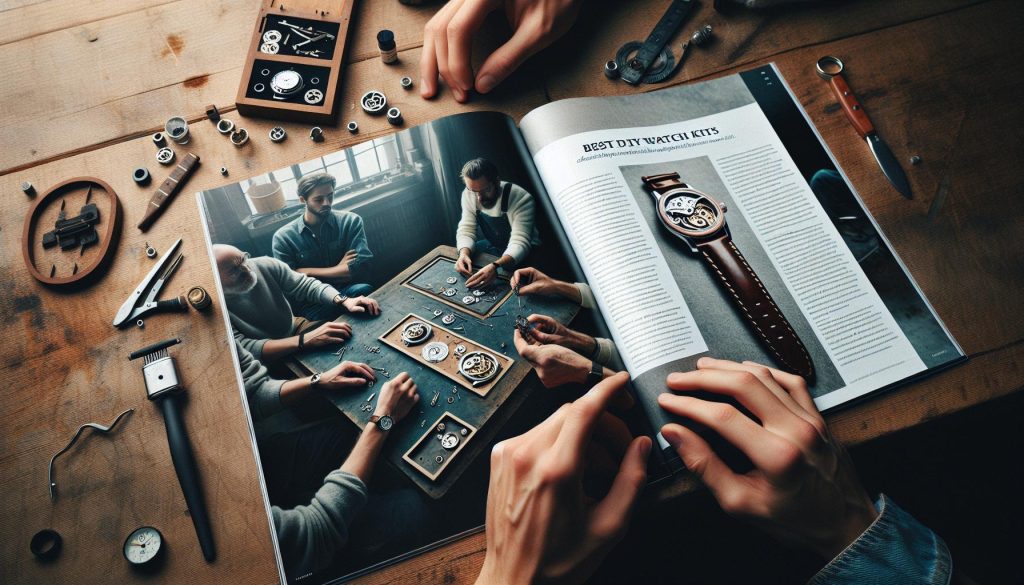
Have you ever considered crafting your own watch? With a DIY watch kit, you can transform this idea into reality, creating personalized timepieces that not only tell time but also tell your story. These kits empower you to learn new skills, boost your creativity, and gain a sense of accomplishment as you build something unique. Imagine the satisfaction of wearing a watch you meticulously assembled yourself, or gifting one to a loved one that reflects their personality. Whether you’re a beginner or an experienced maker, mastering the art of watchmaking is more achievable than you think. In this guide, we’ll explore the best DIY watch kits available, covering the essential tools and materials needed, along with tips for success. Join us on this exciting journey into the world of watchmaking, and discover how you can create a timepiece you’ll treasure for years to come!
Choosing the Right DIY Watch Kit for You
Choosing a watch kit is an exciting step in your journey toward creating a personal timepiece. With so many options available, it can feel overwhelming. Choosing the right DIY watch kit sets the tone for your entire watchmaking experience, as it influences the ease of construction and the enjoyment you’ll have during the process. Are you aiming for a sleek modern piece or a classic mechanical watch? Considering these questions can help narrow down your choices.
Start by evaluating your skill level. If you’re new to watchmaking, you might consider kits specifically designed for beginners. These usually come with detailed instructions and all the necessary tools, making it easier to grasp the basic concepts. More advanced crafters can explore kits that allow for greater customization or include premium materials. Pay attention to the components included: some kits focus on aesthetic appeal, while others prioritize functionality-like water resistance and durability.
In addition to skill level, think about the materials you’d like to work with. Common options include stainless steel, leather, or even wood for a more unique aesthetic. Each material can significantly impact the weight and look of your finished product. Lastly, don’t forget to check for community support around your chosen kit; many brands have active forums or social media groups where you can ask questions and share progress with other makers. This interaction can enhance your learning experience and provide you with motivational encouragement along the way. Remember, you can do this, and each choice you make brings you one step closer to wearing a timepiece that you’ve crafted yourself!
Essential Tools You’ll Need for Watchmaking
Crafting your own watch is an incredibly rewarding venture, filled with the thrill of creativity and the satisfaction of seeing a project come to life. To get started on this exciting journey, you’ll need some essential tools that make watchmaking not only possible but enjoyable. Whether you’re a novice eager to make your first timepiece or an experienced maker looking to refine your craft, having the right tools at hand is crucial.
One of the most important tools you’ll need is a watchmaker’s toolkit, which typically includes items like a screwdriver set, tweezers, and case openers. A good set of screwdrivers is vital for adjusting parts without stripping screws, while tweezers allow for precision handling of tiny components. You might also want to invest in a watch holder or bench vice, which will keep your watch steady while you work on it.
Additionally, think about a loupe or magnifying glass; this tool helps you see tiny details up close, ensuring accuracy in your assembly. A casing tool is also handy for securely placing the watch movement into the case without damaging it. Finally, a soft cloth is essential for protecting your watch from scratches during the building process. With these tools in your toolkit, you’re all set to take on the exciting world of watchmaking. Remember, starting your own watch is a journey filled with learning-embrace the process, and don’t hesitate to ask for help from the community or consult resources as you go along. You can do this!
Step-by-Step Guide to Building Your First Timepiece
Building your first timepiece is an exhilarating journey that combines patience, creativity, and precision. As you embark on this project, you’ll find that each step adds to the excitement, allowing you to connect more deeply with your handcrafted watch. With a little preparation and the right mindset, you’ll discover that creating a stunning, functional piece is not only achievable but incredibly rewarding!
Start by gathering your materials. For a basic watch kit, you will need the watch movement, hands, dial, case, and strap. Most DIY watch kits come with these components, saving you time and ensuring compatibility. Once you have your kit, set aside a dedicated workspace that is well-lit and free of distractions. This environment will help you concentrate on the delicate parts you’re working with.
Next, follow these straightforward steps:
- Prepare the Dial and Movement: Begin by placing the movement face-up on your workspace. Carefully attach the dial to the movement, making sure it aligns with any pins or notches specified in your kit instructions.
- Attach the Hands: Using your tweezers, gently position the hour hand, followed by the minute hand, and finally the second hand. Be cautious not to bend the hands as you secure them onto the movement.
- Secure the Movement in the Case: Once the hands are mounted, insert the movement into the case. Depending on your kit, you might need to use a casing tool to snap it into place securely.
- Attach the Strap: Lastly, connect the watch strap or band to the case. Ensure that all pins or attachments are secure to guarantee a snug fit on your wrist.
Throughout this process, take your time and enjoy the small victories as you see your watch come to life. Mistakes may happen, but remember-it’s all part of the learning experience. Whether you create a timepiece that’s a classic or a funky modern design, the satisfaction of crafting something with your own hands will make it truly special. With each tick of your new watch, you’ll feel the pride that emerges from your creativity. You can absolutely do this!
Exploring Different Watch Styles and Their Features
Exploring different watch styles can be as thrilling as crafting the watch itself. Each style not only has a unique aesthetic but also comes with its own set of features and functionalities, allowing you to tailor your project to your personal taste and lifestyle preferences. From classic elegance to sporty functionality, there’s a world of designs to explore that can inspire your DIY journey!
Classic Styles
A classic watch style often features a minimalist design with a simple dial, finely crafted case, and leather or metal straps. These watches are about timeless elegance and can easily transition from casual to formal settings. A common feature of classic watches is the use of Roman numerals or elegant markers to indicate the time, accompanied by a discreet date window. For instance, a classic round watch with a silver casing and a black leather strap is a versatile choice that complements almost any outfit. When choosing components for a classic watch, look for high-quality materials that evoke a sense of sophistication.
Sporty Styles
On the flip side, sporty watches are designed for functionality and durability. They often come with features such as water resistance, luminous hands, and even additional functionalities like a stopwatch or compass. When building a sporty timepiece, consider materials like rubber for the strap and a robust case to withstand the rigors of an active lifestyle. Opting for bold colors and larger dials can also enhance the sporty appeal. A diving watch with a unidirectional bezel and a sturdy silicone strap is a great project that emphasizes both style and utility.
Fashion-Forward Designs
If you’re aiming for something trendier, modern fashion watches often feature unique shapes, colors, and designs that make a bold statement. These watches might incorporate innovative materials like ceramic or silicone and can even feature interchangeable bands. When crafting a fashion-forward watch, you have the freedom to experiment! Consider styles with oversized faces or intricate patterns that can be both eye-catching and reflective of your personal style.
Ultimately, exploring these different watch styles is not just about aesthetics; it’s about creating a piece that resonates with who you are. You can certainly do this by choosing components that not only fit your vision but also offer the functionality you need. So dive in, experiment with various styles, and enjoy the captivating journey of watchmaking!
Understanding Watch Movements: Quartz vs. Mechanical
When embarking on your watchmaking journey, one of the most exciting decisions you’ll face revolves around the movement of your timepiece-whether to choose a quartz or mechanical movement. Understanding the differences between these two types is essential for crafting a watch that not only suits your style but also fits your practical needs. Both movements have their unique charms and challenges, making this a pivotal choice for any aspiring maker.
Quartz Movements are powered by battery and are known for their precision and ease of maintenance. These movements typically require fewer tools and time to assemble compared to mechanical options, making them a fantastic choice for beginners. The battery-powered mechanism drives a small motor that moves the hands of the watch with remarkable accuracy. If you’re aiming for a reliable everyday watch, a quartz movement is generally low-maintenance, requiring battery replacements every few years. You can also experiment with various dial designs and colors since quartz kits are often more accessible and available in diverse styles.
On the flip side, Mechanical Movements offer a romantic allure rooted in traditional craftsmanship. Powered entirely by the movement of gears and springs, these movements are intricate and often regarded as works of art. Building a mechanical watch is a rewarding challenge that can deepen your understanding of horology. While assembly can be more complex and might require more specialized tools, the satisfaction of winding a mechanical watch or watching its gears in action is truly unparalleled. Mechanical movements come in two varieties: manual, which you need to wind by hand, and automatic, which winds itself as you wear it. If you desire a watch that showcases craftsmanship and tradition, then a mechanical movement might be your ideal choice.
In deciding which movement to use, consider your personal preferences and how much time you want to invest in your project. For a sleek, hassle-free watch, quartz is your go-to. If your heart leans towards the feel of meticulous handcrafting and the charm of ticking gears, mechanical is the way to go. No matter your choice, you’re stepping into the fascinating world of watchmaking, where your creativity can truly shine!
Customizing Your Watch: Tips for Personal Touches
When it comes to creating a watch that truly reflects your personality, customization is key. Whether you’re new to watchmaking or a seasoned crafter, adding personal touches can elevate your timepiece from a simple build to a cherished keepsake. The beauty of crafting your own watch lies in the freedom to express your style, so let’s dive into how you can make your piece uniquely yours!
Start with the dial. This is the face of your watch and the first thing people notice. Consider experimenting with different colors, textures, or patterns. You can paint your own dial or order a unique one that fits your vision. Need some inspiration? Think about your favorite places, art styles, or even hobbies. You could use a photo or a design that resonates with you. Adding personalized markers or even engraving a special date can also enhance the emotional value of your watch.
Next up is the band. The strap can dramatically change the look and feel of your watch. Leather bands offer a classic touch, while silicone or fabric straps can contribute a more casual vibe. Don’t shy away from creativity here! You might want to dye a leather strap or weave a fabric band that matches your favorite colors. If you’re working with a quartz movement, look at different attachment styles, such as NATO, which allows you to switch easily between bands. This not only personalizes your watch but also extends its versatility.
To further customize your build, think about the case. Materials like stainless steel, titanium, or even wood can change the whole aesthetic. If you’re ambitious, consider engraving or embellishing the case to include your initials or a meaningful quote. For a more technical touch, explore options like a transparent case back that lets you showcase the movement inside, particularly if you’ve opted for a mechanical watch.
Lastly, always remember that your watch is not just a tool for telling time; it’s a canvas for your creativity. By personalizing every component, you transform your watch into a remarkable piece that tells your story. Whether it’s through colors, materials, or engravings, let your imagination lead the way. With a bit of patience and a whole lot of enthusiasm, your DIY watch will be more than just a timepiece; it’ll be a treasured reminder of your crafting journey!
Common Mistakes to Avoid When DIY Watchmaking
When embarking on your watchmaking journey, the excitement of building something unique can sometimes lead to common pitfalls that may dampen your joy. Many DIY watchmakers, both novice and experienced, encounter challenges that could easily be avoided with a little awareness and preparation. Here’s your guide to steering clear of these missteps, ensuring your project not only comes together but shines with your personal touch.
One frequent mistake is insufficient research before selecting your DIY watch kit. It can be tempting to jump straight in, but understanding the components and the intricacies of watchmaking is vital. Look for kits that come with comprehensive instructions and consider the complexity of the project based on your skill level. If you’re a beginner, choosing a simpler quartz movement will ease you into the craft, while advanced makers might prefer a mechanical movement with more intricate mechanics. Thorough research into these factors will save you frustration down the line.
Another common oversight is neglecting to prepare your workspace properly. Watchmaking involves tiny components that can easily get lost in a cluttered environment. Creating a dedicated space with appropriate lighting and organization can enhance your focus and efficiency dramatically. Use small containers for screws and parts, and consider a magnifying glass or lamp if you’re working on detailed tasks. A clean and organized workspace not only facilitates better work but also helps you maintain a positive mindset throughout your crafting process.
Finally, don’t underestimate the importance of patience. Rushing through the assembly or trying to skip steps can lead to mistakes that could ruin your precious project. Take your time to enjoy the process, double-check your work, and ensure everything fits perfectly before moving onto the next stage. Remember, crafting is about the journey just as much as it is about the end result. If you ever find yourself stuck or uncertain, reach out to the watchmaking community for support and advice. You’re not alone on this crafting adventure-embrace the experience, learn from it, and let it fuel your creativity for your next timepiece!
Maintaining and Caring for Your Handmade Watch
When you invest your time and creativity into crafting your own timepiece, it’s not just about the joy of making-it’s also about ensuring that your handmade watch continues to tell time beautifully for years to come. Just like any cherished possession, proper maintenance is key to keeping your watch in prime condition. Here are some practical tips to help you care for your creation and keep it running smoothly.
Start with the basics of cleanliness. Regularly dust your watch with a microfiber cloth to prevent dirt and oils from building up on the case and strap. If your watch has a leather band, consider using a leather conditioner occasionally to maintain its luster and prevent cracking. For metal bracelets, a gentle soap and water solution can help wipe away grime, but be sure to dry it thoroughly to avoid water spots. Remember, taking a few moments each week to clean your watch will help preserve its appearance and functionality.
Next, pay attention to the movement. If your handmade watch features a mechanical movement, remember that it may need regular winding or servicing every few years, depending on how frequently it’s worn. For quartz movements, simply changing the battery regularly should keep it ticking. It’s also wise to keep an eye on the accuracy of timekeeping; a few minutes off can indicate that it’s time for a professional tune-up. If you’re unsure about the maintenance schedule for your specific movement, consulting the watchmaking community or forums can provide personalized advice based on similar projects.
Lastly, secure your watch properly when it’s not in use. When you’re not wearing it, store your watch in a cool, dry place, away from direct sunlight. A watch box or case can protect it from dust and potential scratches. If your timepiece has a delicate face or intricate design, consider covering it with a soft cloth to avoid any accidental damage. By investing a bit of time in maintenance and proper storage, you’ll ensure that your handmade watch not only tells time but also serves as a lasting testament to your craftsmanship and creativity. Happy watchmaking!
Inspiring DIY Watch Projects to Spark Your Creativity
When it comes to the world of watchmaking, there’s an abundance of creativity just waiting to be tapped into. Whether you’re a seasoned DIY enthusiast or a complete newbie, diving into custom watch projects can be an incredibly fulfilling experience, allowing you to blend craftsmanship with your personal style. Let’s explore a few inspiring projects that will ignite your imagination and get you started on building your very own timepieces.
One exciting project to consider is creating a minimalist wooden watch. This project is perfect for those looking to showcase natural materials while keeping things sleek and modern. You’ll need a simple quartz movement kit, pieces of wood (such as walnut or maple), and a basic set of woodworking tools. Start by designing your watch face and cutting the wooden pieces to size. Assemble the components, and finish with a natural oil to enhance the wood’s grain. Not only will you have a stunning watch, but you’ll also gain experience working with wood.
Another creative avenue is experimenting with upcycling vintage watch parts. There’s a unique charm in reusing old components to craft something new. Scour thrift shops or watch repair stores for broken timepieces. Disassemble the watches and use the gears, cases, and straps to design your own one-of-a-kind piece. Imagine a steampunk-style watch featuring intricate gears visible through a glass case or a bracelet watch adorned with vintage charms. The materials are limitless, and each piece has its own story, transforming your watch into a conversation starter.
If you’re feeling ambitious, how about building a smartwatch? While this project may require a bit more technical know-how, it can be incredibly rewarding. Start with a DIY smartwatch kit that includes a programmable microcontroller, a touchscreen, and sensors. Design your watch’s features-like fitness tracking or notifications from your smartphone. This project not only challenges you technically but also allows for endless customization, ensuring your smartwatch meets your unique needs.
No matter which project you choose, remember that the key to enjoying the process lies in experimentation and creativity. Grab your tools, gather your materials, and let your imagination take the lead. Engaging in these inspiring DIY watch projects not only boosts your skills but also results in timepieces you’ll treasure for years to come. Every tick of your handmade creation will be a reminder of your journey in craft and creativity.
Where to Find the Best Watch Kits and Supplies
Finding the perfect watch kit and supplies can elevate your DIY watchmaking experience and ensure you have everything you need to create a stunning timepiece. Whether you’re crafting your first watch or are a seasoned creator, the right resources are essential. Luckily, there are various places to source high-quality watch kits and materials tailored for all skill levels.
One of the best places to start is online retailers specializing in DIY crafts. Websites such as Amazon or specialized craft stores like Watchmaking.com offer a variety of kits ranging from beginner to advanced levels. These kits often include all necessary components, such as movements, cases, and straps, making it easier for you to dive right into your project. For instance, a beginner kit typically includes simple tools and straightforward instructions, while advanced kits might feature intricate movements and a selection of premium materials.
Local craft stores or hobby shops can also be treasure troves for watchmaking supplies. Visiting these shops allows you to physically examine materials, ensuring the quality and aesthetic appeal of the parts you choose. Look for sections dedicated to jewelry making or model building, where you can find watch movements, tools, and decorative elements. Additionally, many of these stores host workshops, giving you a chance to learn directly from experienced makers.
Don’t overlook second-hand shops or online marketplaces like Etsy or eBay for unique components. Upcycling vintage watch parts can add character to your creation and make for a truly one-of-a-kind piece. Scouting for old watches can turn into a fun treasure hunt, where you find interesting gears and cases that can be repurposed for your own designs.
Whether you prefer the convenience of online shopping or the hands-on experience of visiting a local store, there’s no shortage of options to help you gather the materials you need. Remember, every piece you choose adds to the story of your handmade watch, so take your time, choose thoughtfully, and most importantly-have fun in the process!
Showcasing Your Finished Watch: Photography Tips
When it comes to showcasing the beautiful timepieces you’ve crafted, photography can be your best friend. A compelling photo not only highlights the craftsmanship of your watch but also tells a story about the journey of creating it. You don’t need a fancy camera; with a little creativity and attention to detail, you can capture stunning images that truly represent your work. Here are some practical tips to help you get those perfect shots.
Lighting is Key
Good lighting can make all the difference in photography. Natural light is often the best option; try to take your pictures near a window during the day. Avoid harsh midday sunlight that can cast strong shadows. Instead, aim for soft, diffused light, such as during the golden hour-just after sunrise or before sunset. If natural light isn’t available, consider using a lightbox to provide an even glow around your watch.
Background and Setup
Choosing the right background can enhance your watch’s features. Simple backgrounds work best. A solid color or a subtle texture like wood or marble can create a pleasing contrast with your watch. Experiment with different materials and see how they affect the overall look. Keep the focus on the watch. You can also use props that complement your watch’s style, like a piece of fabric matching the strap, to add interest without overwhelming the main subject.
Angle and Composition
Get creative with your angles! Take shots from multiple perspectives to showcase different features of your watch. A close-up shot focusing on the dial or movement can highlight intricate details that showcase your craftsmanship. Use the rule of thirds to make your composition more dynamic. Imagine your image is divided into three sections horizontally and vertically. Position the watch at one of the intersections to create a more balanced and visually appealing photo.
Editing Your Photos
Once you’ve taken your photos, don’t hesitate to do a little editing. Simple adjustments like cropping, increasing brightness, or enhancing colors can significantly improve your images. There are many free apps available, such as Snapseed or Lightroom Mobile, that offer intuitive tools for beginners. Just remember to keep your edits natural; you want your watch to look its best, but authenticity is important.
By following these tips, you’re on your way to showcasing your handmade watches in a way that captures their beauty and your personal touch. So grab your camera, set up your space, and start taking those stunning photos! You can do this-celebrate your craft and share your creations with pride!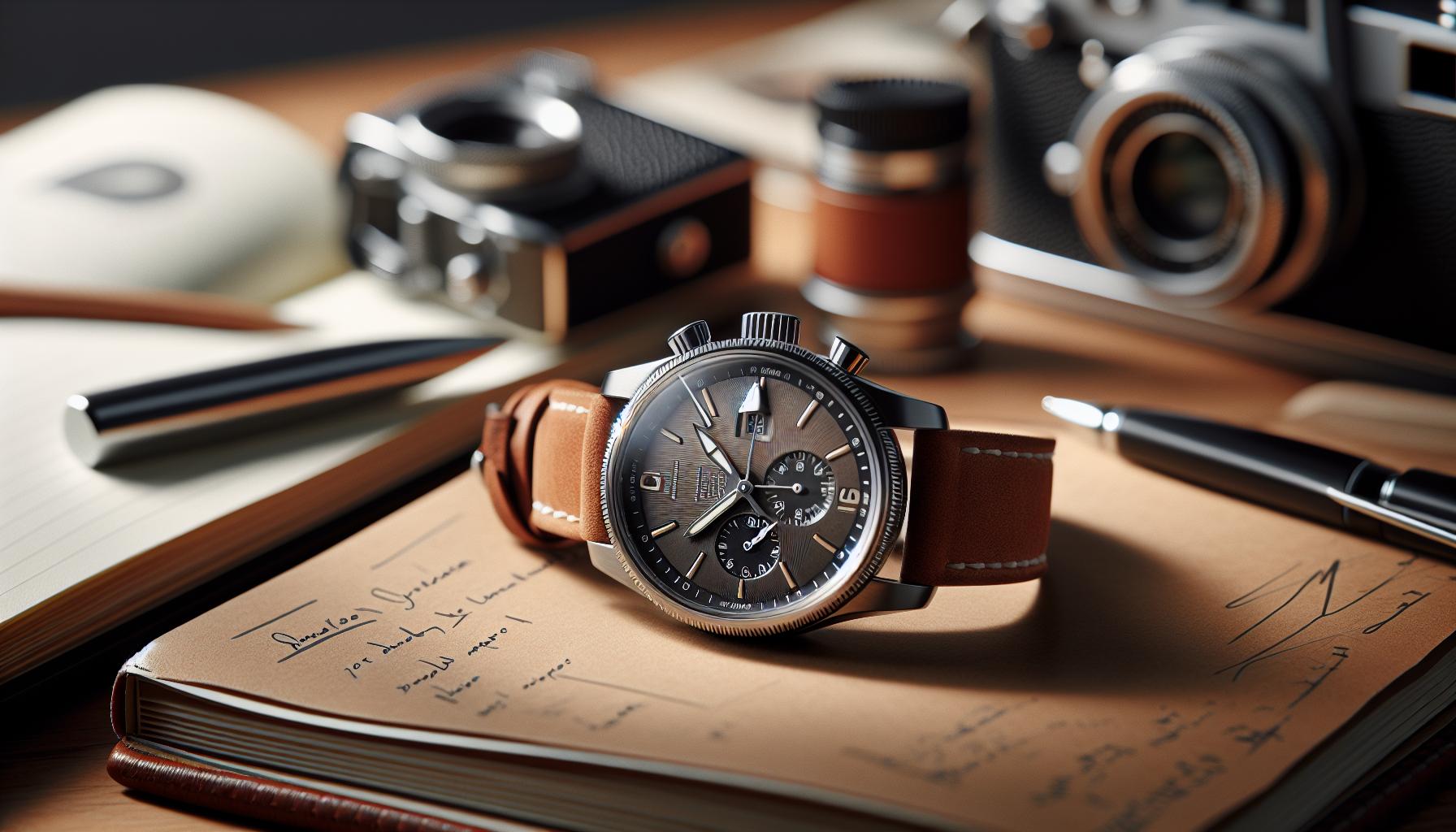
Connecting with the Watchmaking Community
Connecting with like-minded enthusiasts can elevate your watchmaking journey, turning a solitary project into a shared experience. Whether you’re a seasoned maker or just starting out, the watchmaking community is rich with opportunities to learn, share, and inspire one another. One of the best ways to connect is through online forums and social media platforms. These spaces are buzzing with questions, advice, and project showcases, allowing you to dive into discussions that resonate with your interests.
Join Online Communities
Online hubs like Reddit’s r/watches and dedicated watchmaking forums are fantastic places to ask questions, seek advice, and share your creations. They’ll often host “show and tell” threads where you can post photos of your latest project and receive feedback or compliments from peers. Don’t shy away from participating in these discussions; your input, even as a beginner, can help others, and reading about different experiences will enrich your own understanding.
Attend Local Meetups and Workshops
If you prefer face-to-face interactions, look for local watchmaking meetups or workshops. Community colleges or craft centers sometimes offer classes that can be a great way to gain hands-on experience while connecting with local enthusiasts. Participating in these workshops not only enhances your skills but also allows you to share tips and tricks with others who share your passion. Some groups even organize collaborative projects, giving you a chance to contribute to a larger watchmaking endeavor.
Participate in Contests and Challenges
Engaging in watchmaking contests can also be a fun way to connect with others. These challenges often come with specific themes or materials that push your creativity and technical skills. Winners can receive prizes or recognition, but the real reward lies in the experience and camaraderie with fellow makers. Sharing your progress on social media using relevant hashtags can also attract attention from the community.
Remember, is not just about enhancing your craft; it’s about celebrating the joy of creating something beautiful with others. You have a unique perspective, and by sharing your journey and engaging with others, you’ll foster a sense of belonging and inspiration that can fuel your passion for watchmaking even further. So reach out, share your work, ask questions, and most importantly, enjoy the process!
Frequently asked questions
Q: What is the best DIY watch kit for beginners?
A: The best DIY watch kit for beginners typically includes all essential tools and components, such as a quartz movement, watch case, and a step-by-step guide. Look for kits rated highly for ease of assembly and clear instructions to simplify the process and ensure a successful project.
Q: How much does a DIY watch kit cost?
A: A DIY watch kit can range from $30 to $200, depending on the quality of materials and complexity of the design. Budget-friendly kits typically offer basic tools and parts, while premium kits provide higher-end movements and customization options.
Q: Can I customize my DIY watch?
A: Yes, you can customize your DIY watch with different watch faces, straps, and finishes. Many kits also allow for personalization, such as engraving or choosing specific colors, enabling you to create a truly unique timepiece.
Q: What tools do I need to build a watch?
A: Essential tools for building a watch include a watchmaker’s screwdriver set, tweezers, a case knife, and a magnifying glass. Some kits come with these tools included, making it easier for beginners to start without additional purchases.
Q: Is watchmaking complicated for a beginner?
A: Watchmaking can seem complex, but with the right DIY kit and clear instructions, beginners can successfully assemble their first timepiece. Start with simple designs and gradually take on more advanced projects as your skills improve.
Q: Where can I find quality DIY watch kits online?
A: Quality DIY watch kits can be found at specialty craft stores, Amazon, and dedicated watchmaking websites. Be sure to read reviews and compare kits to find one that suits your skill level and preferences.
Q: What are common mistakes to avoid when making a DIY watch?
A: Common mistakes in DIY watchmaking include not reading instructions thoroughly, rushing the assembly process, or using incorrect tools. Take your time, follow each step carefully, and ensure all components are aligned correctly for the best results.
Q: How do I maintain my handmade watch?
A: To maintain your handmade watch, clean it regularly with a soft cloth, avoid exposing it to extreme temperatures or moisture, and service the movement every few years. Proper care ensures longevity and keeps your timepiece functioning well.
In Retrospect
You’ve learned how to create stunning timepieces with the best DIY watch kits out there! Now is the perfect time to take the plunge and start your own watch-making adventure-each kit is designed to cater to all skill levels, so you can dive in whether you’re a seasoned maker or a curious beginner. Remember, each watch you build carries a piece of you; it’s not just a timepiece but a treasure you’ll cherish forever.
Don’t stop here! Explore our related articles on essential watch-making tools and tips for maintaining your new creations to elevate your craft. If you’re ready to enhance your skills, consider signing up for our newsletter for exclusive DIY projects and tips. Share your watch-making journey in the comments below and connect with other passionate crafters; we love to hear your stories! Ready to start? Click here to browse our top-rated DIY kits and get crafting today!
Get our latest guides, news, and insights highlighted in your Google Search & AI Overviews.