

Crocheting a hat with an attached scarf, often called a hooded scarf, is a delightful way to combine fashion with functionality. Did you know that making your own cozy accessories not only saves money but also allows for personalized style? Whether you’re preparing for chilly seasons or looking for a thoughtful gift, this project is accessible for all skill levels. You’ll love the warmth and versatility of this design, perfect for both beginners and experienced crafters alike. As you follow this guide, you’ll see how simple materials and straightforward techniques can lead to a beautiful, wearable piece that showcases your creativity. Ready to dive in? Let’s explore the steps to create your own hooded scarf and elevate your crochet skills!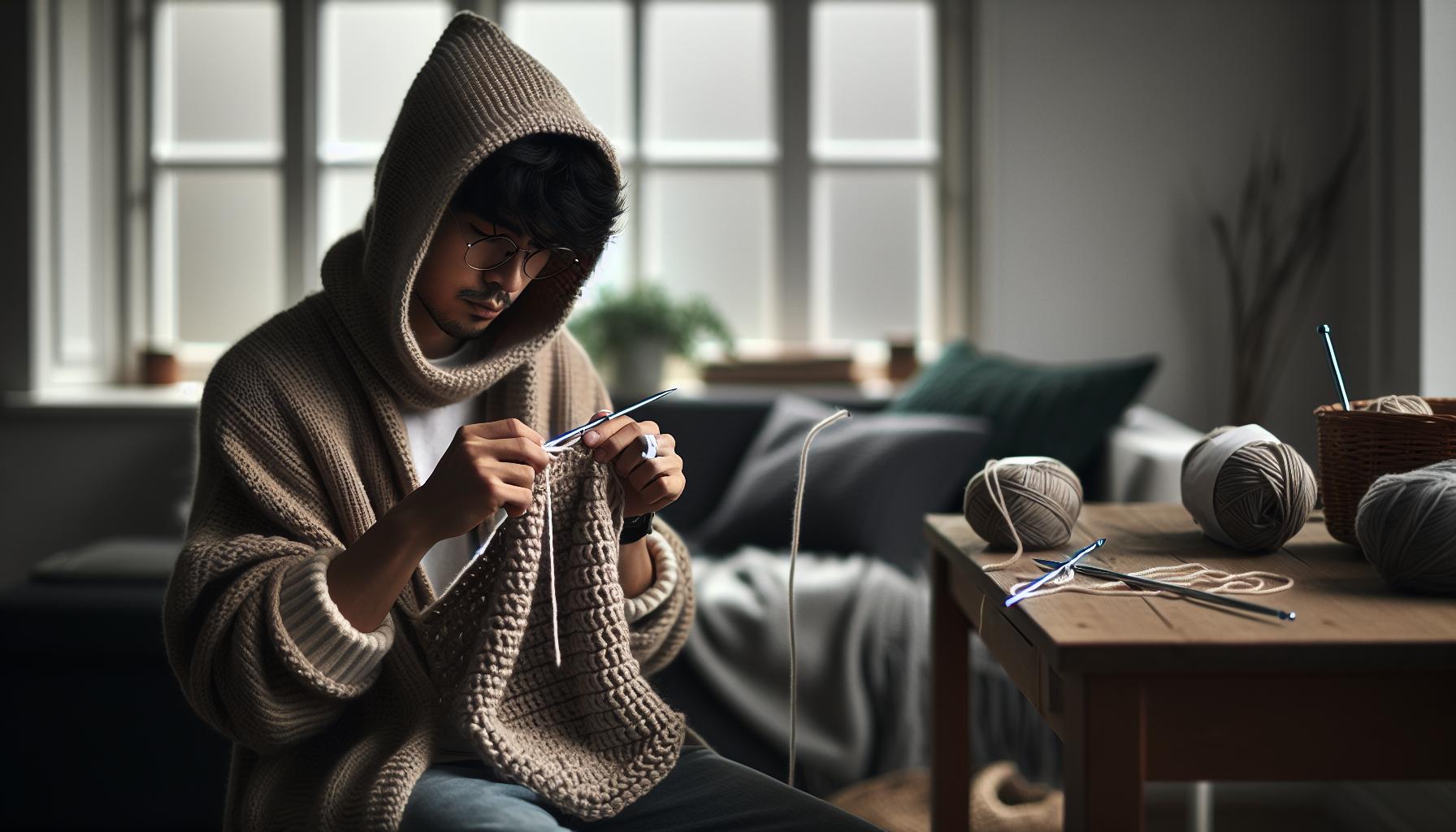
Choosing the Right Yarn and Tools for Your Hooded Scarf
can make all the difference in your crocheting experience and the final look of your project. Imagine wrapping yourself in a cozy, beautifully crafted scarf; it all starts with selecting the best materials. For a hooded scarf, you’ll want to focus on yarn that not only feels good against the skin but also holds its shape and warmth. A medium-weight yarn (like worsted weight) is ideal-it’s thick enough to keep you warm and lightweight enough to not be overly bulky. Consider soft acrylic or a blend with wool for warmth and softness, and check for easy care options to keep your creation looking great.
When it comes to tools, a comfortable crochet hook is essential. Most patterns will indicate the hook size, but for medium-weight yarn, a size H (5.0 mm) or I (5.5 mm) is a good starting point. Don’t forget to keep a pair of scissors and a yarn needle handy for weaving in ends. Stitch markers can also be super helpful to track your progress and differentiate between the first stitch of each row.
As you gather your materials, think about color and texture. If you’re feeling adventurous, try combining different yarns for a unique look or an ombre effect. Just remember, the texture of your yarn can affect how your stitches look; a smooth yarn gives a more defined stitch, while a fluffy yarn can offer a softer finish. Finally, grab a skein or two and get ready to create something you can be proud of-because you absolutely can do this! Happy crocheting!
Essential Techniques for Crocheting Hats and Scarves
Crocheting a hooded scarf is not just a practical project; it’s a creative adventure that merges style and warmth into one cozy accessory. The essential techniques for crafting this unique piece are simpler than you might think, and they lay the groundwork for not just functional items, but also for building your confidence as a crocheter. From mastering the basics to refining your skills, you’ll find that each stitch brings you closer to a beautiful, handmade creation that you can wear with pride.
To begin, it’s helpful to understand a few fundamental stitches that are commonly used in hat and scarf patterns. The most essential ones are the chain stitch, single crochet, and double crochet. Start your project by making a foundation chain, which is the base of your piece. From there, practice working into the chain with single crochets for a tighter, warmer fabric, or double crochets if you prefer a looser, more drapey texture. Utilizing a combination of these stitches can help you create interesting textures and designs, making your hooded scarf truly one-of-a-kind.
Maintaining even tension while working is crucial, especially in projects like this where uniformity affects both appearance and fit. If you find yourself pulling too tightly or having loose stitches, take a moment to slow down and adjust your grip. Another useful technique is to use stitch markers; they provide an easy way to keep track of the beginning of each row or any special stitch patterns. This handy tip can save you time and frustration, especially on larger projects where it’s easy to lose your place.
Once you’ve got the hang of the basic stitches, it’s time to think about shaping your hood. Many patterns call for increases and decreases, which create the contoured fit around the head. To increase, add extra stitches into a designated stitch; for decreases, use techniques such as the slip stitch to bring two stitches together. These shaping processes will provide the structure for your hood while allowing you to customize the fit based on your measurements. Remember, practice makes perfect, and with each row, you’re crafting something uniquely yours. Celebrate every little success along the way-you can do this!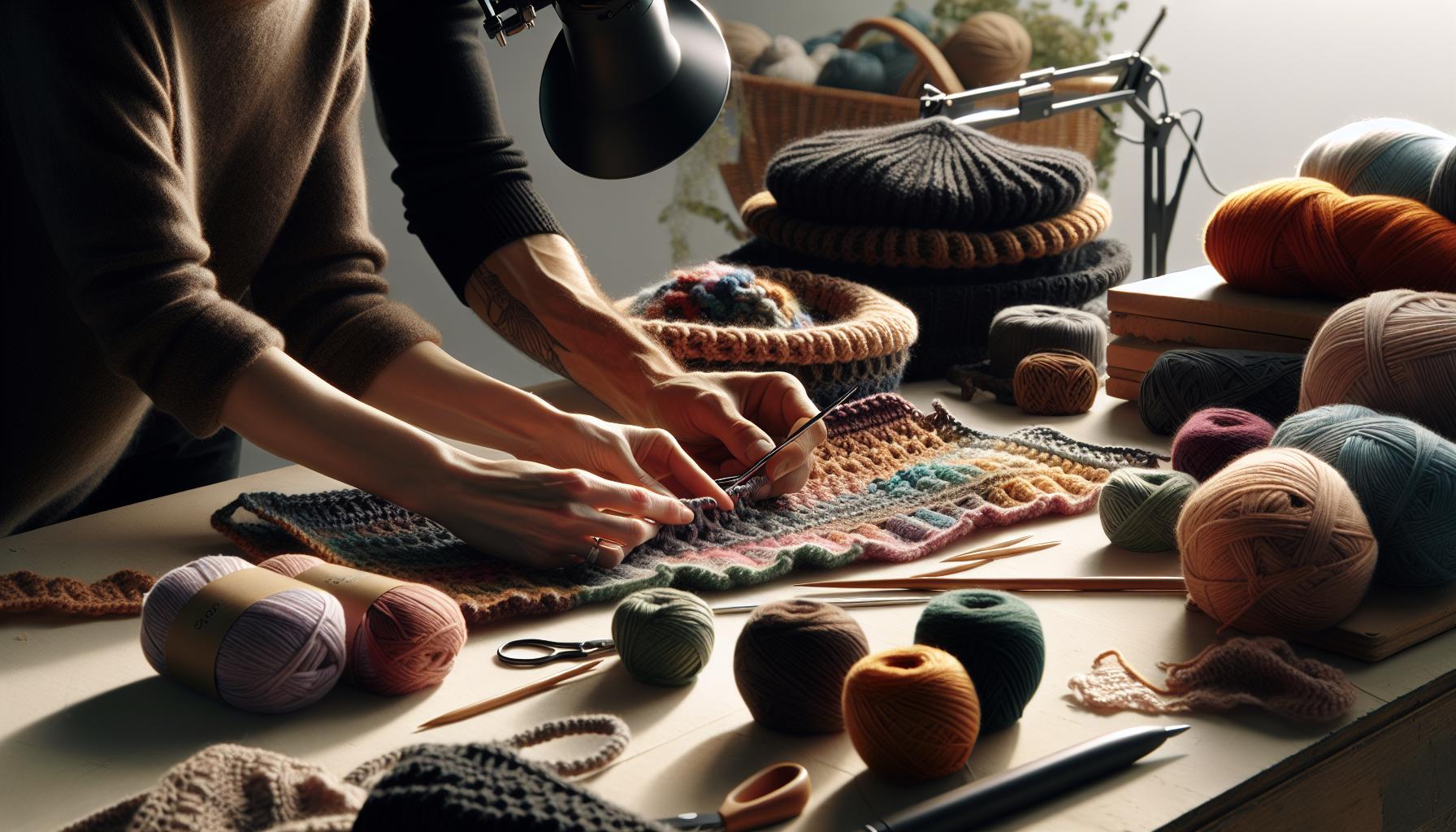
Step-by-Step Crochet Pattern for Your Hooded Scarf
Creating your own hooded scarf is a joyful project that combines creativity with functionality. This cozy accessory is perfect for keeping warm while showcasing your unique style. Whether you’re looking for a snug fit or a more oversized look, let’s dive into a simple, step-by-step pattern to guide you through the process of making a hooded scarf that’s sure to impress.
To get started, gather your materials. You’ll need a medium-weight yarn-think worsted or bulky-depending on how warm you want your scarf to be, along with a corresponding hook size (generally an I/9 to K/10.5 crochet hook). You’ll also need scissors, a yarn needle for weaving in ends, and optional stitch markers to help keep track of your progress. The total time for this project is about 4-6 hours, making it a perfect weekend endeavor.
Here’s a simple pattern you can follow:
- Foundation Chain: Begin by making a chain of 80-100 stitches, depending on the desired width of your scarf. This chain will also determine the size of your hood; more stitches will create a wider scarf and larger hood.
- First Row: Turn your work. In the second chain from the hook, make a single crochet. Continue to single crochet across the entire row. You should have a nice base row of tightly spaced stitches.
- Body of the Scarf: In the next rows, alternate between single crochet and double crochet to create a textured look. For example, make 1 single crochet in the first stitch, then 2 double crochets in the next stitch. Repeat this pattern until your scarf measures about 24-30 inches long, or your desired length.
- Shaping the Hood: Once the desired length is achieved, it’s time to form the hood. For this, chain 20-30 stitches to create the width of the hood and join it to your scarf by slip stitching into the last row of your scarf. This connects the hood to the scarf.
- Hood Rows: Work in the round (you might want to switch to a larger hook here for comfort) and make several rows of single crochet to build up the height of the hood, usually around 10-12 inches. Make sure to check for fit as you go along!
- Finishing Up: Once the hood reaches your preferred height, cut your yarn and weave in any loose ends using your yarn needle.
With your hooded scarf complete, you can take the time to add personal touches! Consider adding a contrasting color for a border or even adding fringe to the ends of your scarf for that extra flair. Remember, crafting is all about your personal style-so let your creativity shine! You’ve got this, and soon you’ll have a beautiful, handmade accessory that you’ll cherish for years to come.
Tips for Customizing Your Hooded Scarf Design
Creating a hooded scarf allows for endless customization, making it a fun and personal project. One of the best ways to elevate your scarf is by experimenting with different yarn types and colors. For instance, consider using variegated yarns that change color throughout the project. This not only adds visual interest but can also create beautiful gradient effects. If you’re feeling particularly adventurous, why not mix and match complementary colors? Use one yarn for the body of the scarf and another for the hood, or add stripes or patterns for a unique look.
Adding Texture and Patterns
For those who want to give their hooded scarf some added flair, incorporating various stitch patterns can make all the difference. You might want to try a ribbed stitch for a more snug and textured feel, or even a shell stitch for a more intricate appearance. Don’t hesitate to follow a stitch guide or a crochet pattern book for inspiration. Remember, you can always switch up the stitch halfway through the scarf for an unexpected yet stylish design.
Personalizing with Accessories
Don’t forget about embellishments! Adding fringes, buttons, or even crocheting flowers can take your hooded scarf from simple to stunning. If you opt for fringe, it can accentuate the ends beautifully. Buttons can serve both a functional purpose and add a decorative touch, so choose styles that reflect your personality. You can even create pockets on the scarf for added functionality-just a perfect cozy spot for your hands during chilly days!
In the end, the best part about crafting your hooded scarf is that you can tailor it to fit your style and needs. So, gather your materials, let your creativity flow, and enjoy the process! Each stitch brings you closer to a custom creation that is uniquely yours, and remember, this is all about having fun and expressing yourself through your craft. You can do this!
How to Properly Measure and Fit Your Hooded Scarf
When you’re crafting a hooded scarf, it’s essential to ensure that it fits perfectly for both comfort and style. A well-measured scarf can elevate your project, making it a cozy accessory you’ll love to wear or gift. Follow these practical steps to get the dimensions just right, so your creation not only looks great but also serves its purpose.
Start with the basics: determine the length of the scarf. For an average adult, a good length is between 60 to 70 inches, providing enough fabric to wrap comfortably around your neck. If you’re making it for a child, consider a shorter length-around 40 to 50 inches should suffice. Once you’ve picked a length, use a measuring tape and mark it clearly on your yarn, so you can easily keep track as you crochet.
Next, focus on the width of the scarf. A width of about 6 to 8 inches is typically ideal, allowing it to drape nicely without being too bulky. To fit your hood, you’ll need to measure the head as well. Most adult heads range from 22 to 24 inches in circumference. Make sure your hood is spacious enough to fit comfortably; around 12 to 14 inches in width works well for most. If you want the hood to be snug, consider adding an extra row or two of stitches to give it a snugger fit.
Final Adjustments
Don’t forget to factor in ease when measuring. If you prefer a looser fit, add an additional inch or so to your measurements. It’s always wise to take the time to try your scarf on while crocheting, adjusting your stitches if necessary. Remember, this process is about creating something unique and tailored specifically to you or the recipient. Each step brings you closer to that warm, stylish hooded scarf, and with some patience and excitement, you can absolutely do this!
Common Mistakes to Avoid When Crocheting
When diving into the world of crocheting a hooded scarf, it’s easy to get caught up in the excitement and overlook some common pitfalls that can turn your crafting experience into a frustrating one. One of the most frequent mistakes is skipping the swatch test. This small sample of your project allows you to check your tension and gauge if you’re using the right hook size and yarn for your desired result. It may seem tedious, but it can save you from an ill-fitting scarf later on. Remember, getting your gauge right can make the difference between a cozy accessory and one that’s too tight or loose.
Another common issue is ignoring the pattern instructions. Patterns come with a specific set of directions for a reason-following them carefully is key to achieving the look and fit you want. If you find yourself making changes, jot down notes as you go along. This practice helps ensure you can replicate your success or troubleshoot any challenges in future projects, establishing a solid foundation for your crochet repertoire.
Paying attention to your yarn count is also crucial. Running out of yarn halfway through your project can be disheartening. Always buy a little more than you think you’ll need, especially if you’re working with variegated yarns or colors that may be discontinued. Additionally, be mindful of the yarn weight and texture-mixing different types can lead to a scarf that doesn’t lay or drape well, so keep consistency in mind for a polished finish.
Finally, don’t hesitate to take breaks! Crocheting for long periods can lead to mistakes due to fatigue, whether those mistakes are accidental missed stitches or miscounted rows. A fresh pair of eyes can be invaluable, allowing you to see your work from a new perspective and catch errors you might have overlooked. Each project is a learning journey, filled with opportunities to improve your skills. Embrace the process, and remember, with every stitch, you’re creating something uniquely yours-you can do this!
Finishing Touches: Adding Fringe and Other Details
Adding those finishing touches to your hooded scarf is where the magic truly happens! It’s the perfect opportunity to showcase your personality and creativity. Whether it’s a playful fringe or some embellishments, these details can transform your scarf from a simple project into a beautiful accessory that you’ll be proud to wear or give as a gift.
One delightful option is to incorporate fringe. This can add a fun, whimsical element to your hooded scarf. To add fringe, cut strands of yarn to your desired length-typically around four to six inches, depending on how bold you want the look to be. Here’s how to do it:
- Cut multiple strands of yarn to your chosen length (about 2-3 strands per fringe).
- Fold each set in half and use a crochet hook to pull the folded end through the edge of your scarf, creating a loop.
- Pull the loose ends through the loop you created and tighten. Repeat this process along the edges of the scarf.
In addition to fringe, consider other embellishments like buttons, beads, or appliques. These can personalize your creation and make it stand out. For example, you could sew on a felt flower or crochet small motifs that match your color scheme. Simply attach them with a needle and thread or stitch them into place with your crochet hook-it’s an easy way to add depth and character.
Lastly, a good finishing technique is to weave in any loose ends with a yarn needle. This creates a polished look and ensures your project remains intact for seasons to come. Aside from aesthetics, don’t forget about functionality; adding a lining can make your hooded scarf warmer and add an extra layer of comfort. Remember, this is your creation, and you have the power to make it uniquely yours. Enjoy the process-happy crocheting!
Care and Maintenance Tips for Your Crocheted Items
Taking care of your crocheted items is essential to keep them looking fresh and vibrant season after season. Your hooded scarf is not just a practical accessory but also a labor of love, and protecting it ensures it remains a cherished part of your wardrobe. Whether you’ve used bold colors or soft, delicate yarn, proper care will help maintain the integrity of your handiwork.
To start, always check the care instructions for the specific yarn you used. Most yarn labels provide guidance on washing and drying. As a general rule, hand washing in cold water with a gentle detergent is safest. Avoid fabric softeners, as they can build up on the fibers and diminish your scarf’s beautiful texture. If your scarf is machine washable, place it in a mesh laundry bag to protect it from snags and tangles.
Drying Techniques
After washing, avoid wringing out your scarf. Instead, lay it flat on a clean, dry towel and roll it up to absorb excess water, then reshape it and lay it flat to dry away from direct sunlight. Sunlight can fade colors over time, so keep your scarf in a shaded area during drying. If you need to speed up the drying process, a fan or a well-ventilated room is best!
Storing Your Hooded Scarf
When not in use, proper storage is key. Fold your scarf neatly, making sure it’s free of any creases or folds that could lead to permanent marks. Store it in a cool, dry place, ideally in a breathable cotton bag rather than plastic, which can trap moisture and encourage mold or mildew. If you want to keep pests at bay, consider adding lavender sachets to your storage area; they smell wonderful and deter moths.
Remember, these little steps will go a long way in preserving your handmade creations. Your hooded scarf is a testament to your creativity, and with a little love and care, it can accompany you on many adventures. Happy crocheting!
Showcase Your Creation: Photography and Sharing Online
Capturing the beauty of your handmade hooded scarf through photography is a fantastic way to showcase your creativity and share your passion for crocheting with others. Remember, a great photo can highlight the details of your work and inspire fellow crafters. Here’s how to make your project shine in pictures and on social media.
Start by choosing a location with good natural lighting. Soft, diffused light is ideal-consider taking your photos outdoors or near a window on a bright but cloudy day. Avoid harsh direct sunlight, as it can create shadows and wash out colors. Arrange your hooded scarf in a flattering way. Try draping it over a chair, hanging it up, or even having a friend model it to show off how it looks when worn. Consider the backdrop: a simple, uncluttered background will keep the focus on your scarf.
To capture the finer details, use your camera or smartphone to take close-up shots of the stitches and texture. You can also experiment with different angles to find what best showcases the unique features of your design. Don’t be afraid to use props! Items like coordinating hats or seasonal decorations can add interest to your photos and tell a story about your hooded scarf’s intended use, whether it’s for winter warmth or a stylish fall outfit.
Once you have your photos ready, it’s time to share them with the world. Social media platforms like Instagram and Pinterest are fantastic for reaching fellow crafters and potential customers. When you post, include a thoughtful caption, share your inspiration, and maybe offer tips from your crochet journey. Use relevant hashtags like #HoodedScarf, #CrochetLove, or #HandmadeFashion to help others discover your work. Engaging with the crochet community online can lead to connections, support, and new ideas-plus, it’s rewarding to showcase your creativity and inspire others to try their hand at crochet!
Inspiration: Variations for Different Seasons and Styles
Creating a hooded scarf opens up a world of creative possibilities that can reflect the changing seasons and your unique style. Did you know that by simply altering the yarn type and color choices, you can make your cozy accessory suitable for any time of year? A lightweight cotton blend can transition beautifully into spring and summer, while wool or acrylic yarn offers the warmth you crave in the colder months.
For a fresh spring look, consider using pastel colors or floral patterns to create a whimsical vibe. Light yarns with open stitch patterns can keep your project airy and enjoyable, making this a perfect companion for cool evenings or spring outings. Summer variations may include shorter lengths or even converting the scarf part into a fun pocket to hold essentials during summer festivals.
As autumn approaches, delve into rich hues like burgundy, mustard, or forest green. Chunky yarns are excellent for creating warmth and texture, ideal for football games or walks in the park. You could also incorporate fun elements like leaves or acorn motifs into your design to celebrate the season’s beauty.
For winter, embrace snug designs with doubled or bulky yarn, perfect when layering garments. Add a cozy lining to your hood for extra warmth, and consider embellishing with pom-poms or tassels for a playful touch. This simple modification can transform a basic hooded scarf into a delightful winter accessory that brings joy to the chillier months.
Embrace the crafting journey; the possibilities are limitless, and every stitch allows you to express your creativity. You can do this! So grab your hook, choose your favorite yarn, and let nothing stop you from making the perfect hooded scarf for any season!
Community and Resources for Crocheters
Crafting can be a wonderfully rewarding experience, especially when you can share your passion with a vibrant community! Joining forces with fellow crocheters opens doors to endless resources, tips, and encouragement that will elevate your projects, whether you’re making a cozy hooded scarf or exploring other patterns. Connecting with like-minded crafters not only fuels creativity but also helps you gather valuable insights from their experiences, making your own crafting journey smoother and more enjoyable.
Start by diving into online forums and social media groups where fellow crochet enthusiasts gather. Platforms like Facebook and Ravelry host numerous groups dedicated to crocheting, where members share their latest projects, ask questions, and provide support. You’ll find people who are just starting out, as well as seasoned pros who can inspire you with advanced techniques for your hooded scarf or customizations that bring personality to your work. Don’t hesitate to post your own questions or share your progress! This interaction can motivate you to improve and celebrate your successes.
Additionally, many websites offer fantastic resources tailored for crocheters of all skill levels. For example, using AllFreeCrochet for a plethora of free patterns and how-to guides can boost your creativity and skill. If you’re looking to refine your techniques, the Crochet Guild of America provides helpful tutorials that include hand positions for both left- and right-handed crocheters, allowing you to grasp the fundamentals or master advanced stitch patterns with comfort.
Lastly, don’t forget about local crafting groups or yarn shops! Many communities have crochet clubs that meet regularly-this is a perfect way to meet fellow crafters and work on projects together. You can often find workshops that teach new skills, and exchanging ideas in person is incredibly enriching. Whether through online or local communities, engaging with others who share your hobby can turn your crocheting into a vibrant social experience. So grab your hook, embrace the community, and let the creativity flow! You can do this!
Frequently Asked Questions
Q: What materials do I need to crochet a hooded scarf with an attached hat?
A: To crochet a hooded scarf with an attached hat, you need yarn (preferably medium weight), a crochet hook (size depending on your yarn), scissors, and a yarn needle for weaving in ends. Check the Choosing the Right Yarn and Tools for Your Hooded Scarf section for specific recommendations.
Q: How long does it take to crochet a hooded scarf with a hat?
A: The time it takes to crochet a hooded scarf with a hat varies but generally ranges from 4 to 8 hours, depending on your skill level and the complexity of the pattern. For beginners, expect longer times as you learn the techniques.
Q: Can I customize the size of my hooded scarf?
A: Yes, you can customize the size of your hooded scarf by adjusting your starting chain and the number of rows you crochet. Refer to How to Properly Measure and Fit Your Hooded Scarf for more specific guidance on sizing adjustments.
Q: What are common mistakes to avoid when crocheting a hooded scarf?
A: Common mistakes include using an incorrect crochet hook size, miscounting stitches, or not keeping consistent tension. Check the Common Mistakes to Avoid When Crocheting section for insights and tips to help you avoid these errors.
Q: How do I properly finish my crochet hooded scarf?
A: To finish your crochet hooded scarf, weave in any loose ends with a yarn needle, and consider adding finishing touches like fringe or decorative elements. See Finishing Touches: Adding Fringe and Other Details for ideas on completing your project beautifully.
Q: What is the best way to care for my crocheted hooded scarf?
A: The best way to care for your crocheted hooded scarf is to hand wash it in cold water and lay it flat to dry. Check out the Care and Maintenance Tips for Your Crocheted Items for detailed cleaning instructions and ideal storage methods.
Q: Where can I find patterns for hooded scarves with hats?
A: You can find a variety of patterns for hooded scarves with hats on websites like Joy of Motion Crochet and Crochet.com. These resources provide free crochet patterns and detailed tutorials to guide you through your project.
To Wrap It Up
Congratulations on completing your crocheted hat with an attached scarf! You’ve added a cozy piece to your winter wardrobe that is not only practical but also stylish. Remember, you can easily customize the colors and patterns to make it uniquely yours. If you’re ready to expand your skills, check out our guide on how to crochet a blanket for beginners or explore our library of free crochet patterns for more exciting projects to dive into.
As you continue your crochet journey, don’t hesitate to share your creations in the comments below or tag us on social media! Your success inspires others. For even more tips and exclusive patterns, consider signing up for our newsletter. You can do this-happy crocheting!
Get our latest guides, news, and insights highlighted in your Google Search & AI Overviews.