
When it comes to off-roading, protecting your vehicle is essential, especially on rugged trails where rocks and obstacles abound. Did you know that DIY rock sliders can save your rig from costly damage while boosting its capabilities? Crafting your own rock sliders not only safeguards your vehicle but also allows you to customize them to fit your needs perfectly. Whether you’re an experienced mechanic or a DIY newbie, this project is an achievable way to enhance your adventure without breaking the bank. Plus, building your own sliders gives you hands-on experience and pride in your creation. So roll up your sleeves and get ready to dive into the rewarding world of DIY rock sliders, where you can combine creativity with practical application to keep your rig ready for any trail ahead!
DIY Rock Sliders: Essential Protection for Your Off-Roading Adventure
Creating rock sliders for your off-roading vehicle is not just an engaging DIY project; it’s also an essential upgrade that protects your rig from the unforgiving terrains you’ll encounter on your adventures. These sturdy structures can safeguard your vehicle’s body and frame from debris, rocks, and other potential hazards while allowing for a smoother passage over rough ground. This project aligns perfectly with the spirit of DIY craftsmanship, where not only do you gain a protective feature for your vehicle, but you also develop new skills and enjoy the satisfaction of building something with your own hands.
Before diving into construction, it’s crucial to understand what makes rock sliders a vital component for off-road vehicles. They serve as a barrier between your vehicle’s undercarriage and obstacles, preventing damage from scrapes and impacts. Essentially, they act like armor, providing both functional and aesthetic benefits to your ride. Using the right materials-such as heavy-duty steel or aluminum-will enhance durability and resilience against the rigors of off-roading. Plus, you can customize the design to suit your vehicle and personal style, ensuring your rock sliders not only provide protection but also look fantastic.
Building rock sliders may seem daunting, but it’s approachable for any level of DIYer. Start by gathering necessary materials and tools, which might include steel tubing, brackets, a welder, and safety gear. Allocate about a weekend for this project, setting aside time for both construction and installation. With a clear plan and the right resources, you’ll navigate each step with confidence. And remember, if you encounter any hurdles, there are countless online communities ready to share tips and support. Embrace the learning process, keep safety in mind, and soon you’ll be adventuring on trails with peace of mind, knowing your off-road rig is well-protected!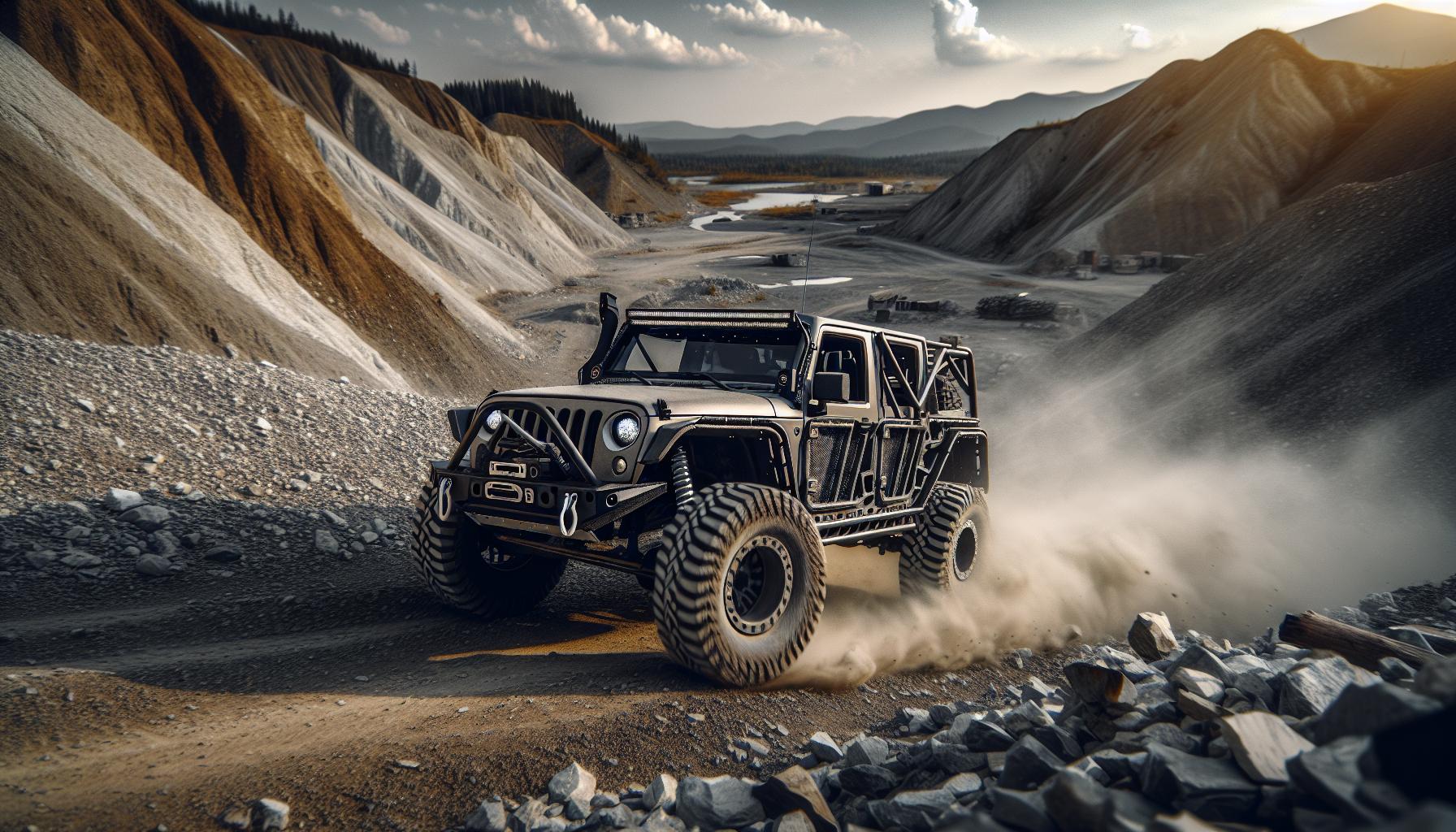
Understanding Rock Sliders and Their Importance
Creating rock sliders for your off-road vehicle is not just about style; it’s about giving your rig the armor it needs against nature’s obstacles. Imagine cruising over rocky trails and feeling confident that your vehicle is protected from scrapes and dents. Rock sliders serve as a robust barrier, safeguarding the undercarriage and allowing you to navigate challenging terrain without the fear of damaging your vehicle. They’re an essential upgrade that can drastically enhance your off-roading experience.
What Exactly Are Rock Sliders?
Rock sliders are essentially protective rails mounted along the sides of your off-road vehicle. They’re designed to take the hit when you encounter rocks, stumps, or other rugged features. Instead of your tires or undercarriage absorbing the impact, the rock sliders take on the punishment. This not only preserves your vehicle but also gives you a smooth ride when rugged off-road paths would otherwise leave you worried about potential damage.
Why You Need Them
Aside from protecting the integrity of your vehicle, rock sliders enhance your off-roading capabilities. They allow you to adventure into more challenging areas without worrying about bottoming out or getting stuck. Think of them as your vehicle’s first line of defense, turning potentially damaging hits into surface-level bumps. Plus, they can add a custom, rugged look to your rig, making it uniquely yours while providing necessary functionality.
Building your own rock sliders can be an incredibly rewarding project. Armed with the right materials-like heavy-duty steel or aluminum-and some basic tools, you can craft a pair of sliders tailored to your vehicle’s specifications. It’s a hands-on process that gives you the satisfaction of building functional components that boost both performance and aesthetics. Plus, with the right guidance, it’s achievable no matter your skill level. Remember, you can do this! The journey of crafting your rock sliders not only protects your rig but also adds to your skill set as a DIY enthusiast.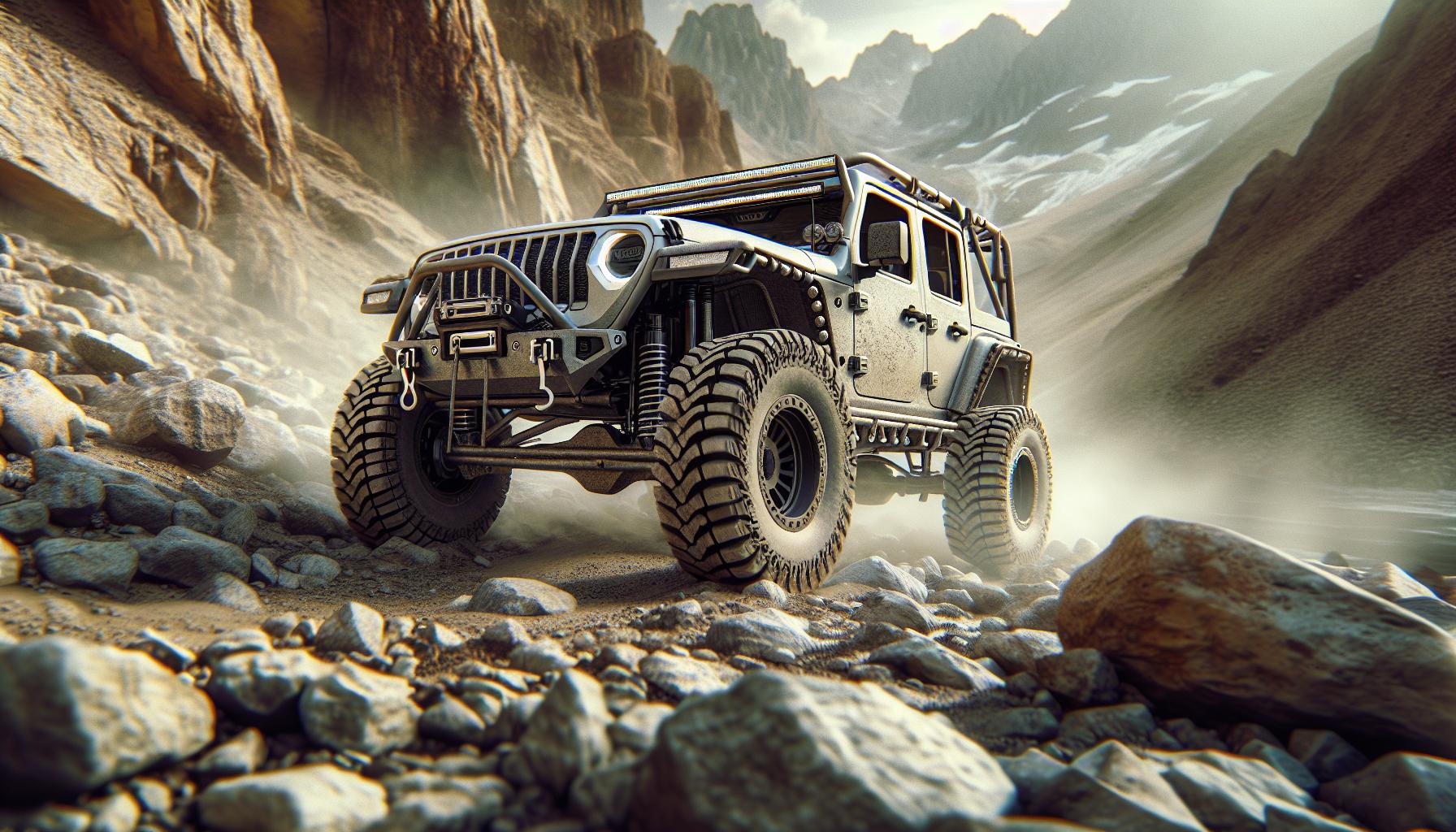
Key Materials for DIY Rock Sliders
To build sturdy and reliable rock sliders, the right materials are key. Choosing the appropriate components not only influences the durability and performance of your sliders but also impacts how well they protect your vehicle during off-road adventures. So, let’s dive into what you’ll need to get started on this exciting DIY project.
Begin with high-strength steel or aluminum. These materials are commonly used in rock slider construction due to their excellent strength-to-weight ratios. For most DIY adventures, 3/16-inch thick steel is a popular choice because it offers great protection against impacts while still being manageable to work with. If you want to keep weight down for better fuel efficiency or have a lighter vehicle, 6061 aluminum is a fantastic alternative. Not only is it resistant to rust, but it’s also easy to fabricate and manipulate, making it great for DIY projects.
Next, think about the mounting hardware. You’ll need grade 8 bolts, washers, and lock nuts to ensure everything stays securely in place. It’s essential that the sliders are firmly attached to the vehicle’s frame to withstand the rigors of off-road terrain. Make sure your hardware matches the weight and dimension specifications for the materials you choose.
Moreover, don’t forget about finishings. Applying a protective coating such as powder coating or rust-resistant paint is crucial, especially for steel sliders, as it helps shield them from the elements. This not only prolongs their life but also gives your sliders a polished look.
Lastly, consider any additional features you may want, like welded-on skid plates for extra protection, or angle iron or tubing to reinforce the structure. These components can enhance the effectiveness of your rock sliders while customizing them to fit your off-roading style and needs.
By carefully selecting these materials, you’re not just building protective gear for your vehicle; you’re crafting components that reflect your skills and personal style. Remember, this is your project, and you can do this-each step brings you closer to a perfect set of rock sliders that will elevate your off-roading experience!
Step-by-Step Guide: Building Your Rock Sliders
Building your own rock sliders is an empowering project that not only enhances your off-road rig’s protection but also fosters a deep connection with your vehicle. Imagine navigating rugged trails with confidence, knowing that you’ve crafted robust armor for your adventure machine. Let’s dive into the step-by-step process of bringing this vital protection to life.
First up, gather your materials. You’ll need high-strength steel or aluminum for the frame, grade 8 bolts for mounting, and essential finishing supplies like rust-resistant paint. Depending on your skill level, plan to spend about 8 to 12 hours on this project, including design and fabrication time.
Step 1: Measure and Design
Begin with precise measurements of your vehicle’s width and frame. Sketch a design that accommodates the mounting points you’ll be using. You’ll want a slider that extends the length of your rocker panel and is low enough to protect your vehicle but high enough not to impede ground clearance.
Step 2: Cut the Metal
Using your measurements, cut your steel or aluminum to size. If you’ve chosen steel, a plasma cutter or a bandsaw works well, while aluminum can be cut with a miter saw equipped with a metal cutting blade. Remember, precision here is key, so take your time and ensure your cuts are clean and straight.
Step 3: Prepare the Mounting Points
Next, prepare the mounting points. Mark where each slider will attach to the vehicle’s frame, ensuring that it is aligned properly. Drill holes through your rock sliders and the corresponding points on your vehicle. Using a good drill bit designed for metal will ensure a clean hole.
Step 4: Assemble and Weld
With everything cut and drilled, it’s time to assemble. If your sliders have multiple pieces, now is the time to weld them together. Be sure to use a sturdy welding technique to ensure everything holds up under pressure. If welding isn’t in your skill set, you can use heavy-duty bolts for assembly.
Step 5: Finish and Install
Finally, finish your rock sliders with a protective coating. If you’ve used steel, powder coating or rust-resistant paint will be essential to protect against the elements. Once dried, you can install them on your rig using the previously drilled holes, securing everything tightly with your grade 8 bolts.
This is your DIY journey, and adapting your sliders to your specific vehicle and style is part of the fun. Take pride in your craftsmanship, knowing that these rock sliders were made by your hands, offering your vehicle the protection it deserves on every trail! Remember, you can do this-each phase is a step towards safety and adventure.
Choosing the Right Design for Your Vehicle
Choosing the right design for your rock sliders is crucial for maximizing their effectiveness and ensuring they integrate seamlessly with your off-road vehicle. One key consideration is the type of terrain you’ll be tackling. For example, if you’ll be driving over rocky trails, you’ll want a design that offers adequate ground clearance while being robust enough to withstand impacts. A slider that hugs close to the vehicle might work well in tight, technical environments, while a more protruding design can be beneficial for navigating boulders without damaging your rocker panels.
When sketching your design, think about the materials you’ve chosen. Heavy-duty steel can provide maximum impact resistance, but it’s also heavier, which may affect your vehicle’s performance. Conversely, lighter materials like aluminum are easier to install and can enhance your vehicle’s agility but might not offer the same level of protection. Your design should reflect a balance between weight, strength, and the specific challenges of your driving style. For instance, many enthusiasts prefer a hybrid design-using steel for the sliders but aluminum for brackets-to optimize weight while retaining strength where it counts.
Another important factor is customization for your vehicle’s specific make and model. Each vehicle has unique mounting points and chassis geometry that you’ll need to accommodate in your design. It’s helpful to physically measure your vehicle before finalizing any designs. This ensures that your sliders won’t interfere with other components or affect the vehicle’s off-road capabilities. Use templates or breakdown diagrams from other DIY projects relevant to your vehicle type; they can be a fantastic starting point and prevent common misalignments.
Keep in mind the aesthetics as well. DIY rock sliders provide an opportunity to express your personal style. You can choose new finishes or accent colors that match your rig or incorporate design elements that reflect your personality. Whether you prefer a rugged industrial look or something more sleek and polished, this is your chance to make your rock sliders a true extension of your vehicle. Remember, combining protection with style is completely achievable-you just have to get creative and confident in your choices!
Tools You Need for Rock Slider Installation
When it comes to installing rock sliders, having the right tools is crucial for ensuring a smooth and successful project. You don’t need to be a seasoned mechanic to tackle this task, but equipping yourself with the proper gear will make all the difference in your DIY experience. Not only will you work more efficiently, but you’ll also have more fun sculpting protection for your rig!
First on your toolkit list is a solid set of hand tools. You’ll want wrenches and sockets in various sizes, especially metric if you’re working on international vehicles. A ratchet set can speed up your process significantly. Additionally, grab a good-quality drill with metal drill bits; you’ll likely need to drill into your vehicle’s frame for mounting. A cutting tool such as a hacksaw or reciprocating saw is also handy for trimming your material to the right length if necessary.
Don’t forget about safety gear-it’s essential to protect yourself while you work. Invest in a pair of safety glasses, gloves, and a dust mask, particularly when you’re cutting or grinding metal, as those particles can get airborne. You may also consider a pair of knee pads for comfort; you’ll appreciate them while you’re crouched or kneeling during installation.
Organization and Measurement Tools
In addition to your hand tools, organization is key. A good toolbox or organizer can help keep everything in its place and easy to access. You’ll also need a tape measure and possibly a level to ensure everything lines up perfectly and sits flush against your vehicle. Clear markings are crucial, so consider having a marker or paint pen handy for precise measurements.
As you dive into this hands-on project, remember that you can do this! With the right tools and a confident mindset, you’ll not only protect your vehicle but also enjoy the rewarding experience of creating something yourself. Just picture yourself hitting those trails, knowing your DIY rock sliders are there, keeping your rig safe from harm!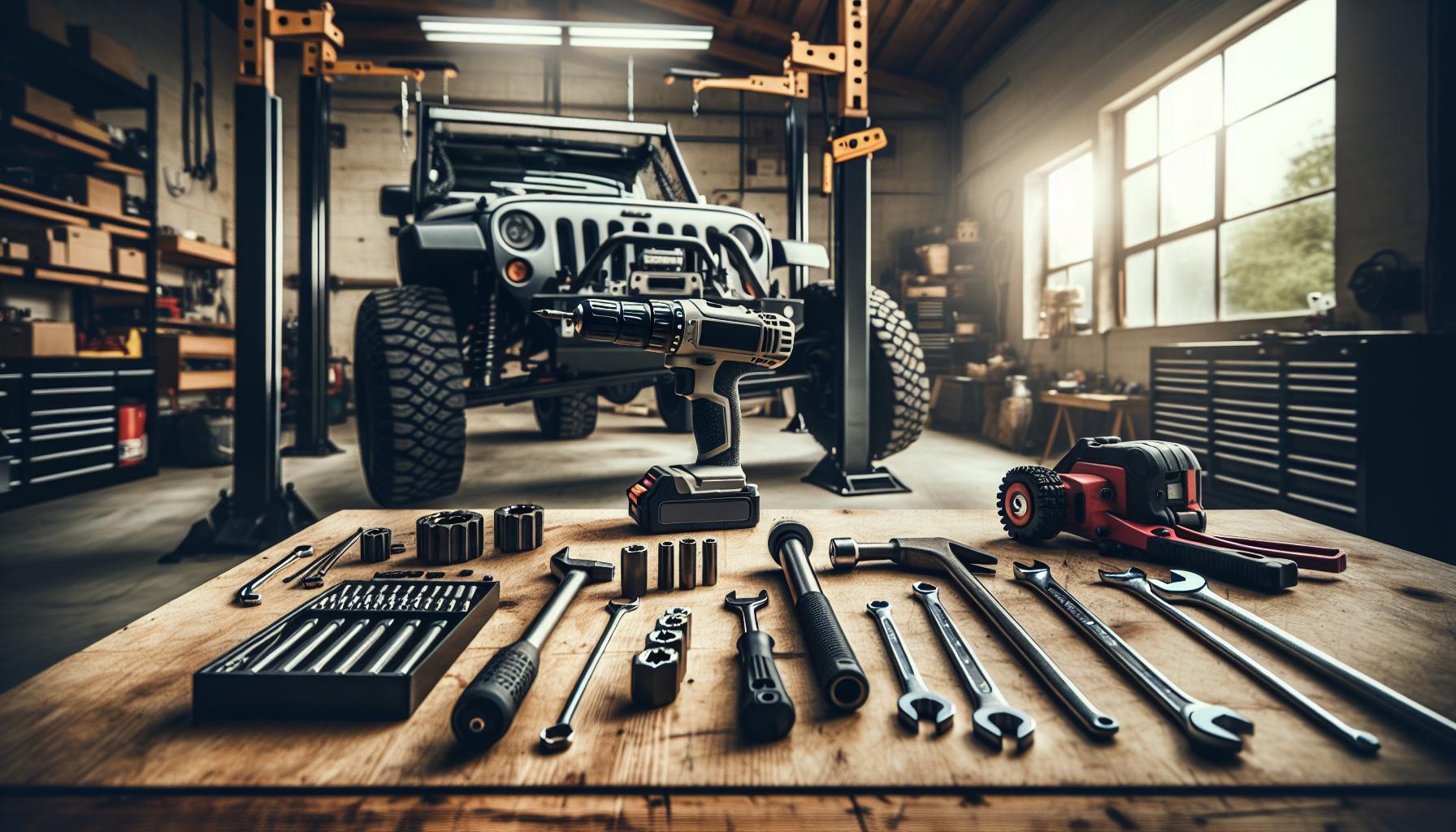
Safety Precautions During Your Build
When tackling a DIY project like building rock sliders, ensuring your safety should be your top priority. Working with metal and heavy tools presents inherent risks, but by following some essential precautions, you can create a safer environment for yourself. Remember, a little planning goes a long way in preventing accidents, so let’s dive into some practical safety tips that will help keep you secure while you craft your rock sliders.
First and foremost, protective gear is your best friend. Always wear safety goggles to shield your eyes from flying metal shavings and debris. A pair of heavy-duty gloves is crucial, especially when handling sharp metal edges. Additionally, consider wearing a dust mask to prevent inhalation of fine dust particles generated during cutting and grinding. If you’re working in a poorly ventilated space, a respirator might be even better. Eye health and lung protection are paramount-never underestimate their importance.
Equally crucial is maintaining a tidy workspace. A clutter-free area minimizes the risk of tripping or accidently knocking tools or materials over. Before you begin, take a moment to clear away any unnecessary items from your workspace. Make sure you have enough room to maneuver and that your tools are organized and easy to reach. This won’t just keep you safe; it will help you work more efficiently too.
Another smart idea is to have a first aid kit handy. While we hope it won’t be needed, having one on hand can make all the difference in case of minor injuries. Ensure everyone in your workspace knows where it is located and how to use the items within it. If you’ve got a buddy helping, it’s also wise to discuss the plan before you start working, so that everyone is on the same page about safety measures.
Lastly, don’t forget to work smart. If you’re feeling tired or distracted, it’s best to postpone your project for another day. Rushing can lead to mistakes and accidents, so take your time and stay alert. Building your own rock sliders should be an enjoyable experience, and with these safety precautions in place, you can focus on the fun of creating something that will protect your rig on all your off-road adventures!
Customizing Rock Sliders for Maximum Protection
Customizing your rock sliders isn’t just about aesthetics; it’s about enhancing their functionality and ensuring your off-road adventures are safe and enjoyable. The beauty of DIY rock sliders is that you can tailor them to your specific needs and vehicle type-making them not only stronger but more suited to the off-road challenges you face. A well-customized rock slider can provide maximum protection against impacts, scrapes, and other hazards along the trail.
One popular method for maximizing protection is to integrate skid plates into your rock sliders. These plates can shield the underside and critical components of your vehicle, like your fuel tank and transmission, from terrain-related damage. When you’re welding or bolting these plates in, ensure that they are made of durable materials-like high-strength steel-to withstand intense impacts. Additionally, consider incorporating a wider design. A wider slider not only provides more surface area for rub but also benefits stability when traversing uneven surfaces, giving you added peace of mind.
Another fun way to customize your sliders is through color and finish. Opting for a powder-coated finish not only adds a personal touch but also enhances the durability of the sliders by providing resistance against rust and other environmental elements. When selecting your finish, think about both style and functionality. High-visibility colors can also help in identifying damage during inspections or maintenance-do consider going bold!
Don’t forget about the attachment points. Adding hooks or bolts for gear and accessories can come in handy on the trail. For instance, you could create space for jerrycan holders or mounting platforms for additional tools. Make sure that any additions maintain the strength and integrity of the sliders themselves. Finally, always remember to test your sliders through various terrains after customization to ensure they perform as expected.
Personalizing your rock sliders is a chance to express your creativity while enhancing your vehicle’s protection. With these tips in hand, you can create a set of rock sliders that not only looks great but performs exceptionally, keeping you ready for any adventure that lies ahead!
Installing Rock Sliders: A Complete Walkthrough
Getting your DIY rock sliders installed is an exciting step toward ensuring your off-road rig is ready for anything. With just a little preparation and the right guidance, you can tackle this project and elevate your vehicle’s protection. Installing rock sliders can vary in difficulty, typically spanning from moderate to challenging, depending on your vehicle and your skill level. Plan for a few hours, especially if you take the time to customize your installation process to match your setup. Let’s dive into the steps!
Preparation is Key
Before you get started, gather all your materials and read through the instructions specific to your rock sliders. Generally, you’ll need:
- Rock sliders (purchased or DIY)
- Mounting brackets (if not included)
- Bolts and nuts
- Tools: wrench set, socket set, impact driver or drill, safety glasses, and gloves
- Level and tape measure for accurate placement
Once you have everything, park your vehicle on a level surface. This ensures your rock sliders align properly during installation. If needed, raise your vehicle using jack stands for better access to the frame. Safety first! Always use jack stands instead of relying solely on a hydraulic jack.
Step-by-Step Installation Process
Now, let’s get down to the nitty-gritty of the installation process:
- Position the Rock Sliders: Hold the rock sliders up against the vehicle frame to check for proper fitment. Ideally, they should sit flush against the underside of the vehicle.
- Mark the Mounting Points: Once you’ve found the right position, use a marker to outline where the mounting brackets will go on the frame. This helps in drilling holes accurately.
- Drill Holes: If required, drill holes according to your mount bracket specifications. Be careful with this step; ensure you’re drilling into the vehicle’s frame and not damaging any components.
- Attach the Mounting Brackets: Securely bolt the mounting brackets to the vehicle’s frame using the appropriate bolts. Make sure everything is tight and aligned; a snug fit improves stability.
- Secure the Rock Sliders: With the brackets in place, attach the rock sliders. Ensure they sit squarely against the vehicle and fasten them using the remaining bolts.
- Final Checks: After everything is installed, give it a thorough check. Look for any loose bolts and ensure that the rock sliders have the right clearance from the ground.
- Test the Setup: Once installed, take your vehicle for a short drive on varied terrain to see how the sliders perform. Listen for any unusual noises and visually inspect the installation afterward.
Once the rock sliders are in place, you can feel proud of your work and rest assured that your vehicle is now better equipped for off-roading adventures. Remember, the key is to take your time and not rush through any of the steps. DIY projects are all about the journey, and with each task completed, you’re honing your skills and gaining confidence for your next automotive adventure. You’ve got this!
Common Mistakes to Avoid When DIYing Rock Sliders
When it comes to creating your own rock sliders, it’s essential to approach the project with care to avoid a few common pitfalls that could affect functionality and safety. One major mistake is not taking the time to measure accurately. A snug fit is vital for rock sliders, as even slight misalignments can lead to rattling during off-road adventures or lessen the protective capability of the sliders themselves. Always double-check your measurements against the vehicle’s frame before drilling any holes. This attention to detail can save you time and potential frustration down the road.
Another frequent error is skimping on materials. Opting for subpar equipment, such as weak mounting brackets or lesser-quality bolts, can jeopardize the strength and integrity of your sliders. Instead, invest in robust materials-your rock sliders are your vehicle’s first line of defense against rocks and obstacles. For instance, using high-strength steel for the sliders and heavy-duty bolts rated for off-road use will ensure they withstand the rigors of your trails.
Additionally, many DIY enthusiasts forget the importance of thorough installation. Rushing through the mounting process can lead to loose bolts and brackets, which can result in a dangerous failure while you’re out on the trails. After securing the rock sliders, take a moment for final inspections-tighten every bolt and ensure everything is perfectly aligned. Performing a test drive on varied terrain allows you to listen for any unusual noises that could indicate problems and reassess your installation if necessary.
Lastly, a common oversight is neglecting to maintain the rock sliders once they’ve been installed. They will take a beating, so regularly inspect for any signs of damage or wear. By keeping up with maintenance, you preserve their effectiveness and enhance the longevity of your DIY project. Remember, this is not just about building; it’s about creating a lasting solution that empowers your off-road adventures. You can absolutely do this!
Maintaining Your Rock Sliders for Longevity
To keep your DIY rock sliders in top shape, regular maintenance is key. Think of them as your vehicle’s armor, taking hits every time you venture off-road. The better care you provide, the longer they’ll serve you. Simple inspections after each off-road trip can catch small issues before they turn into significant repairs. Check for signs of rust, especially if you’ve been through muddy or salty environments. A good scrub and a touch of rust-proof paint can go a long way.
Routine Inspection Checklist
Staying on top of maintenance doesn’t have to be complicated. Here’s a straightforward checklist to make it easy:
- Visual Inspection: Look for dents, scrapes, or signs of wear.
- Rust Check: Inspect all surfaces and bolts for rust.
- Fasteners: Ensure all bolts and nuts are tight; retighten them if needed.
- Alignment: Confirm that the sliders are still properly aligned with the vehicle frame.
- Cleaning: Remove dirt and debris to prevent buildup that can trap moisture.
Taking just a few minutes after your adventures allows you to identify problems early. Also, consider applying a fresh coat of paint or protective finish periodically to shield the metal from the elements. Doing this not only maintains their appearance but also extends their lifespan.
Long-Term Care
Maintaining rock sliders is also about learning as you go. For example, if you find that certain areas tend to accumulate mud or debris more than others, think about how to modify your approach, possibly by changing your driving route or implementing protective coverings. And if you often face harsh conditions, consider investing in upgrades with heavier-duty materials that can withstand increased wear and tear.
Ultimately, while DIY projects like these are about functionality, they also reflect your personal touch and commitment to your rig. Celebrate the fact that you’ve crafted something robust and practical; keep caring for it, and it will keep taking care of you on those thrilling trails. Remember, with every inspection and maintenance task, you’re not just preserving your rock sliders-you’re investing in your next great adventure. You can do this!
Real-Life Stories: DIY Rock Sliders in Action
Every off-road adventure tells a story, and the decisions made along the way shape those tales. One of the most impactful choices for any off-roading enthusiast is equipping their rig with robust rock sliders. You might find it fascinating that many drivers have crafted their own rock sliders, not only for protection but also as a bonding experience with fellow adventurers. Here are some inspiring and practical stories from DIY rock slider creators who have faced the challenge head-on and emerged with success.
A local Jeep community recently held a weekend workshop where members gathered to build and install rock sliders for their vehicles. Several participants shared their experiences navigating rugged trails, where hitting rocks and boulders is inevitable. One member, Sarah, recounted her first trip after installing her homemade rock sliders. “I was so nervous going over a particularly rocky section,” she said. “But as I heard that satisfying ‘thud’ instead of the dreaded crunch, I knew I had done the right thing! It felt empowering realizing that I had built something that truly protected my vehicle.” Such testimonies encourage many DIYers to take the plunge, knowing they can create something valuable and functional.
Another compelling story comes from Mike, who turned his rock slider project into a family affair. He involved his two kids, teaching them welding basics while guiding them through the build. “They loved it! It was our way of spending time together, and now we have a tough and reliable set of sliders ready for our weekend trails,” Mike explained. This personal touch not only reinforced their bond but also instilled valuable skills in the next generation. Celebrating moments like these-where creativity meets family time-can inspire newcomers to engage in DIY projects without feeling overwhelmed.
Remember, your rock sliders are more than just pieces of metal welded together; they represent your dedication to crafting something unique. Each scratch and dent tells a story of adventure. Whether you’re a seasoned off-roader or just starting, take pride in knowing others have walked the same path and thrived. Building your rock sliders is entirely within reach-you can do this! Embrace the challenge, share it with loved ones, and head out on the trails with confidence in your creation.
Upgrading Your Off-Road Rig with Rock Sliders
isn’t just about adding some metal to your vehicle; it’s a transformative step that can enhance both performance and safety on rugged terrains. Rock sliders act as a protective barrier, allowing you to navigate rocky trails without the worry of damaging your vehicle’s undercarriage. They provide stability while tackling challenging obstacles, ensuring that you and your rig are well-protected on your adventures. Plus, they can significantly improve your vehicle’s looks, adding a rugged edge that tells the world you’re ready for anything the wilderness throws at you.
To start this upgrade, consider the materials you’ll use for your DIY rock sliders. Steel is a popular choice due to its strength and durability, although aluminum can be lighter and more rust-resistant. Whichever material you choose, ensure it can withstand the knocks and scrapes of off-roading. Many DIYers find that a tubular design not only provides excellent protection but is also relatively straightforward to fabricate. This design can be customized to fit any vehicle, so take measurements and sketch out your plan before diving in.
When it comes to the installation process, preparation is key. Make sure you have the right tools, such as a welder, grinder, and drill. Here’s a simple outline of the installation steps:
- Preparation: Clean the mounting area on your vehicle to ensure a solid attachment.
- Alignment: Position the rock sliders and mark the drilling points.
- Drilling: Carefully drill holes into your vehicle’s frame, ensuring they’re clean and accurate.
- Welding: If your design requires welding, secure the sliders in place and weld for a strong bond. (If you’re not comfortable welding, consider bolting them on instead.)
- Finishing Touches: After installation, paint or coat the sliders to protect against rust.
You can do this! And don’t forget that every scratch tells a story. As you embark on this project, you’re not just upgrading your vehicle-you’re enhancing your off-road experience, empowering yourself with new skills, and paving the way for countless adventures ahead. So grab those tools, gather your friends or family, and make it a memorable project that strengthens bonds while preparing for the trails. Your upgraded rig awaits!
Frequently asked questions
Q: What tools are essential for building DIY rock sliders?
A: Key tools for building DIY rock sliders include a welding machine, angle grinder, and drill. Additionally, you’ll need safety gear like gloves and goggles, along with measuring tools such as a tape measure and level. These tools ensure accurate cuts and secure installations.
Q: How do I choose the best material for my DIY rock sliders?
A: Choose materials like heavy-gauge steel or aluminum for durability and weight considerations. Steel offers higher resistance and protection, while aluminum is lighter and easier to maneuver. Check the thickness and ensure it can withstand off-road impacts for effective protection.
Q: What are the benefits of customizing rock sliders for my vehicle?
A: Customizing rock sliders can enhance fitment, improve functionality, and provide added protection unique to your vehicle’s design. Tailoring them to follow the vehicle’s lines can also improve aesthetics while ensuring they meet your specific off-road needs.
Q: How often should I inspect and maintain my rock sliders?
A: Inspect your rock sliders regularly, ideally after each off-road trip, looking for dents, rust, or loose bolts. Maintenance every few months-such as cleaning and applying protective coatings-will prolong their life and effectiveness, ensuring your rig stays protected.
Q: Can I install rock sliders myself, or should I hire a professional?
A: You can install rock sliders yourself if you have basic welding and mechanical skills. Following a step-by-step guide makes it achievable, but ensure you have the right tools and materials. If unsure, consulting a professional can save time and prevent mistakes.
Q: What is the average time required to build and install DIY rock sliders?
A: Building and installing DIY rock sliders typically takes 6 to 8 hours, depending on your skill level and design complexity. Allow extra time for preparation, potentially including sourcing materials and setting up your workspace effectively.
Q: Are there any safety precautions I should take when building rock sliders?
A: Absolutely! Always wear safety gear such as gloves, goggles, and steel-toed boots when building rock sliders. Make sure your workspace is clean and organized to prevent accidents. Be cautious when using power tools, and if welding, ensure proper ventilation to avoid inhaling fumes.
Q: What are the most common mistakes when DIYing rock sliders?
A: Common mistakes include poor measurements leading to ill-fitting sliders, inadequate material choice, and neglecting safety precautions. Always double-check dimensions, select appropriate materials, and follow safety guidelines during the building process to avoid these pitfalls.
Key Takeaways
You’ve just learned how to build your own DIY rock sliders, a crucial upgrade to safeguard your rig on every adventure. Remember, taking on this project is not only about protecting your vehicle but also about enhancing your off-road experience. By investing a little time and effort, you can create sturdy rock sliders that will stand up to the toughest trails-so don’t hesitate to start today!
If you found these tips helpful, explore our guides on choosing the right materials for DIY projects and check out our step-by-step tutorials for other essential off-road modifications. Have questions, or need further insights? Join our community in the comments below-share your experiences, ask for tips, or connect with fellow DIY enthusiasts.
Don’t forget to subscribe for more valuable DIY content, and keep exploring our site for the latest projects and ideas to enhance your outdoor adventures. With the right tools and a bit of creativity, you can tackle any challenge. Happy crafting!
Get our latest guides, news, and insights highlighted in your Google Search & AI Overviews.