

Did you know that maintaining your retainer can be just as crucial as wearing it? Neglecting to clean your retainer not only impacts your oral hygiene but can also lead to unpleasant odors or tastes. Fortunately, you can easily create an effective retainer cleaner using simple ingredients you likely already have at home. With just a few straightforward steps, you’ll ensure your retainer stays fresh and ready for daily use, making your smile even brighter. Whether you’re a busy student or a dedicated professional, this DIY approach not only saves you money but also empowers you to take charge of your dental care routine. Get ready to dive into an easy, cost-effective solution that enhances your smile without breaking the bank!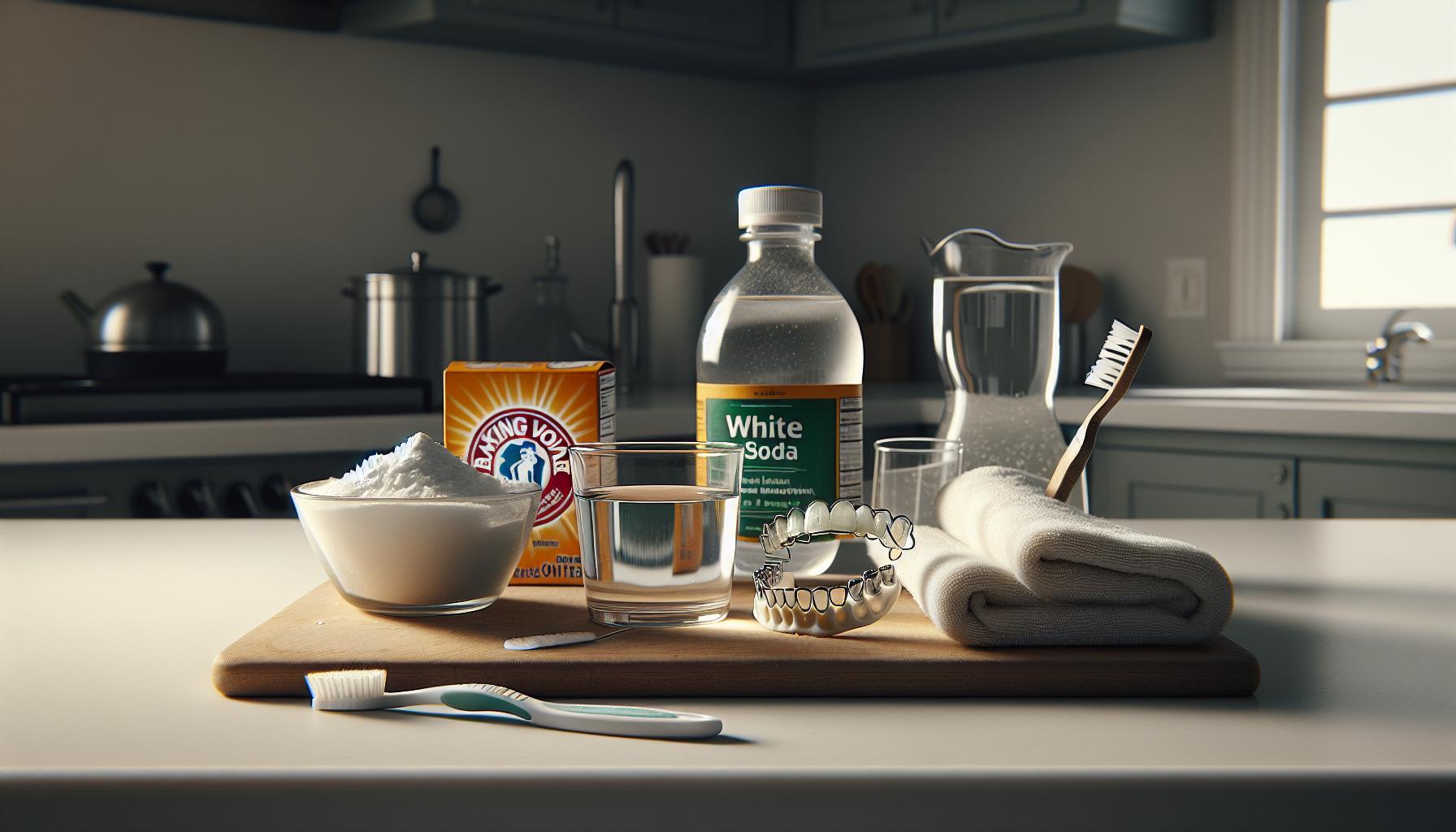
Essential Ingredients for an Effective DIY Retainer Cleaner
Creating your own retainer cleaner is not only a fun DIY project but also a practical way to maintain your oral hygiene on a budget. With just a few simple ingredients, you can whip up a cleaner that tackles bacteria and plaque without the harsh chemicals found in commercial products. Let’s dive into the essential ingredients that will help you achieve a sparkling clean retainer.
The heart of any good DIY cleaner starts with baking soda. This powerhouse ingredient acts as a gentle abrasive, effectively removing stains and surface grime without damaging your retainer. Additionally, its natural deodorizing properties help combat any unpleasant odors. Pairing baking soda with white vinegar creates a fizzy reaction that enhances cleaning power. The acidity of vinegar assists in dissolving mineral deposits and bacteria that can accumulate over time.
Incorporating hydrogen peroxide is another excellent option. Not only does it help to sanitize your retainer, but it also has the unique ability to whiten, which can be particularly beneficial for clear retainers that can become discolored. For a refreshing touch, consider adding essential oils like peppermint or tea tree oil. These not only impart a pleasant scent but also offer antibacterial properties, making your retainer cleaner both effective and enjoyable to use.
By mixing these ingredients, you’re not just cleaning your retainer-you’re crafting a solution tailored to your needs. This approach not only ensures that your retainer is safe and clean but also empowers you to take charge of your dental care routine. So roll up your sleeves, gather these ingredients, and embrace the satisfaction of making your very own retainer cleaner!
Step-by-Step Guide to Making Your Own Cleaner
Making your own retainer cleaner is not just an economical choice; it’s also a fun and rewarding project that can make your dental care routine feel more personalized. Whether you’re a seasoned DIY enthusiast or trying this for the first time, crafting a custom retainer cleaner empowers you to take control of your oral hygiene with ingredients you trust. With minimal effort and time, you can create a solution that effectively fights plaque and keeps your retainer fresh and odor-free.
To get started, gather a few simple ingredients from your kitchen. You’ll need:
- Baking soda: 1 tablespoon
- White vinegar: 1 tablespoon
- Hydrogen peroxide: 1 tablespoon
- Warm water: 1 cup
- Essential oils: Optional, a few drops of your favorite scent
Now, let’s move on to the creation process, which is all about mixing and matching these components for a sparkling clean retainer.
Step 1: Mix the Baking Soda and Water
In a bowl, combine the baking soda with warm water until it dissolves. This will create a thick paste that acts as a gentle abrasive, helping lift stains and grime without scratching your retainer.
Step 2: Add Vinegar and Hydrogen Peroxide
Next, carefully stir in the white vinegar and hydrogen peroxide. This will create a fizzy reaction that boosts cleaning power. The acidity from the vinegar will help to break down any mineral deposits that have built up on your retainer.
Step 3: Incorporate Essential Oils
If you want to add a refreshing scent, now’s the time to mix in a few drops of essential oil. Peppermint or tea tree oil can offer a pleasing aroma while also lending their antibacterial properties to your cleaner.
Step 4: Use Your Cleaner
After your mixture is ready, soak your retainer in the solution for about 15-20 minutes. This soak time allows all the ingredients to work their magic, sanitizing and deodorizing your retainer. After soaking, rinse your retainer under cool water before putting it back in your mouth.
With this simple, straightforward guide, you’re well on your way to crafting an effective retainer cleaner that not only saves you money but also ensures your smile stays fresh and bright. You got this! Enjoy the process of making something that’s both practical and personal, and celebrate your DIY success with a healthier, happier smile.
Top Benefits of Using DIY Retainer Cleaners
Using a DIY retainer cleaner not only keeps your orthodontic device sparkling but also strengthens your connection to your dental care routine. The blend of simplicity and efficacy in these homemade solutions brings multiple benefits. First and foremost, crafting your own cleaner is typically far more economical than purchasing commercial products. With just a few household ingredients, you can whip up a powerful cleaning solution that effectively tackles plaque without breaking the bank.
Another significant advantage is the peace of mind that comes from knowing exactly what goes into your cleaning solution. Many commercial cleaners include harsh chemicals and artificial fragrances that can irritate sensitive mouths or cause allergic reactions. By making your own cleaner, you’re essentially choosing gentle, natural alternatives, such as baking soda and vinegar, that are safe and effective. Plus, this way, you can customize the ingredients to cater to your specific needs, whether that means adding a touch of essential oils for freshness or tweaking the proportions for maximum cleaning power.
Maintaining your retainer with DIY cleaners also translates into a more enjoyable user experience. The act of creating personal solutions fosters a sense of ownership over your dental health. Engaging in this process can be as therapeutic as it is practical. You might find that incorporating the care of your retainer into your daily routine becomes a mindful practice. Crafting your cleaner can be a fulfilling ritual that not only keeps your retainer clean but also reminds you to prioritize self-care.
Moreover, regular use of a DIY cleaner can lead to long-term savings on dental products and professional cleanings. As you consistently maintain your retainer with your homemade solution, you might notice a reduction in issues like discoloration and odors that often arise from neglected oral care. Adopting this proactive approach can keep your smile bright and your dental appointments focused on other vital areas, ensuring that you make the most of your time and money at the dentist’s office. Embrace this empowering DIY journey and enjoy the fresh, confident smile that comes with it!
Comparison: DIY vs. Commercial Retainer Cleaners
Creating your own retainer cleaner can be a fun and rewarding experience. Not only does it enable you to control the ingredients, but it also often results in savings and a gentler touch on your mouth compared to commercial options. While both DIY and commercial cleaners aim to keep your retainers fresh and healthy, they cater to different needs and preferences.
When comparing these two types of cleaners, it’s crucial to consider ingredients. Commercial cleaners often contain proprietary formulas that may include harsh chemicals for intensive cleaning. While they can be highly effective, some individuals may find these ingredients irritating or questionable in terms of safety-especially if they have sensitive gums or allergies. On the other hand, DIY cleaners typically rely on common household items like baking soda, vinegar, and hydrogen peroxide. This not only makes them safer but also customizable. You can experiment with different ratios or add natural flavorings and essential oils to suit your taste while ensuring your cleaning solution is free from unwanted additives.
The cost-effectiveness of DIY cleaners also cannot be overlooked. A commercial retainer cleaner can rack up costs over time, especially if you require frequent cleaning. In contrast, making your own cleaner is often significantly cheaper, as the ingredients are usually already in your pantry or can be purchased in bulk. You can whip up a fresh batch anytime, ensuring that you always have a solution ready without the recurring expenses. For instance, a simple mixture of baking soda and water can be made in moments and costs just a few cents per use.
Finally, consider the experience of cleaning itself. Many people find that the act of making their own cleaner is satisfying and offers a sense of accomplishment. Mixing your ingredients can become a part of your daily routine, turning a mundane task into a mindful practice. With commercial cleaners, you often just spray and rinse, but with DIY options, you engage more deeply, knowing exactly what you’re using and potentially even enjoying a lovely scent from your custom blends.
In summary, creating your own retainer cleaner is not only accessible and economical, but it also allows for a personal touch that commercial products can’t offer. Embrace this DIY approach, and you’ll likely find it enhances your overall dental care journey!
Common Mistakes to Avoid When Cleaning Retainers
Cleaning your retainer might seem straightforward, but several common missteps can impact its care and your oral hygiene. Let’s explore the pitfalls to avoid, ensuring your DIY retainer cleaning routine is as effective as possible.
One major mistake is neglecting to soak your retainer regularly. Skipping this step can lead to the buildup of plaque and bacteria, resulting in unpleasant odors and potential harm to your teeth and gums. A simple remedy is to create a soaking solution with ingredients like baking soda and warm water or a mix of vinegar and water. Aim for a soak of at least 15-30 minutes once a day to keep your retainer fresh.
Another frequent error is using harsh chemicals or abrasive materials for cleaning. While it’s tempting to reach for whatever’s available, cleaning your retainer with bleach, strong detergents, or stiff brushes can damage it. Stick to gentle, natural ingredients found in your kitchen-think baking soda, vinegar, or hydrogen peroxide-and always use a soft toothbrush for scrubbing to ensure you maintain the integrity of your retainer.
Additionally, many forget to rinse their retainers thoroughly after cleaning. Failing to do so can leave residues that may irritate your mouth or even give your retainer an odd taste. After cleaning or soaking, make sure to rinse it under warm running water, allowing any leftover cleaning solution to wash away. This step is simple yet crucial for ensuring a pleasant and safe fit.
Finally, be mindful of where you store your retainer when it’s not in use. Leaving it exposed on surfaces can attract dust or germs. Consider investing in a storage case that offers proper ventilation. Not only will this protect your retainer, but it will also keep it hygienic and ready for use whenever you need it. Remember, achieving that fresh smile is all about consistency and care!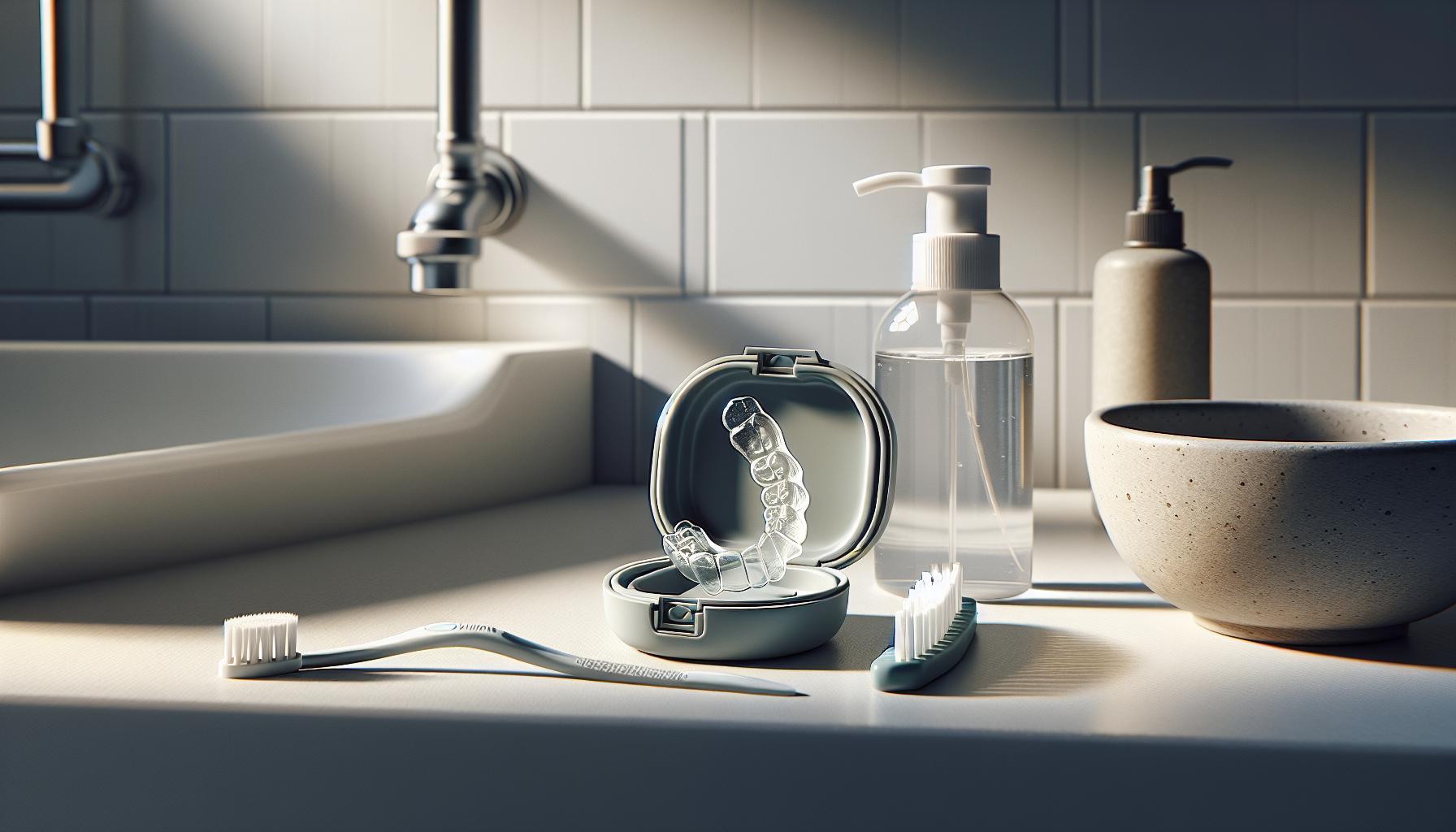
How Often Should You Clean Your Retainer?
To keep your retainer in optimal condition, regular cleaning is essential. This habit not only maintains its clarity and integrity but also protects your oral health. Ideally, you should clean your retainer after every meal to prevent food particles from sticking and to minimize plaque buildup. Just think about it-every time you snack or sip something, your retainer can harbor bacteria and debris, which can lead to unwanted odors and potential dental issues.
In addition to your post-meal routine, a deeper cleaning should be done at least once a day. This is where the DIY cleaning solutions come into play! Whether you choose a gentle baking soda paste or a simple vinegar-water mix, soaking your retainer for about 15 to 30 minutes will help dislodge stubborn bacteria and tartar. If you’re feeling ambitious, you can also include a weekly thorough cleanse for a deeper refresh-this might involve soaking overnight in your favorite DIY solution.
To make it easier to remember, consider setting a cleaning schedule. Attach it to your daily rituals, like brushing your teeth. You can even create a fun chart or checklist to track your cleaning sessions. Remember, your retainer deserves just as much care as your teeth. A sparkling clean retainer means a fresher smile for you, so embrace this easy yet impactful habit on your journey to dental health!
Tips for Maintaining a Fresh Smile Daily
Maintaining a fresh smile daily doesn’t have to feel like a chore! With a few easy practices, you can keep your retainer-and your mouth-feeling clean and odor-free. Start by incorporating a few simple routines into your daily life. After all, a refreshing smile is just a habit away!
One effective approach is to design a cleaning schedule that aligns with your existing routines. For instance, brush your teeth right after meals-a perfect time to rinse your retainer too. Consider setting an alarm or reminder on your phone. When the time comes, simply rinse your retainer with warm water to dislodge any food particles. After that, you can soak it in your favorite DIY cleaner for a deeper clean. Choose something like a baking soda mixture or a vinegar-water solution and let it soak for 15-30 minutes. This way, you will have a routine that’s effortless and effective.
Another tip is to make it fun! Create a chart where you track each time you clean your retainer, or reward yourself after sticking to your cleaning schedule for a week. Each little victory helps build a habit. Engaging in this small but impactful practice keeps your retainer sparkling and your smile bright. Remember, every step you take towards maintaining your retainer contributes to lasting oral health and fresh breath.
Lastly, don’t underestimate the power of hydration. Drinking plenty of water throughout the day helps keep your mouth moist and reduces the amount of bacteria that can cling to your retainer. Plus, water plays a key role in flushing out food particles-killing two birds with one stone! With these tips, you’re not only ensuring your retainer stays clean but also enhancing your overall dental health. Embrace the simplicity and joy of these daily practices; you can do this!
Understanding Retainer Care: Dos and Don’ts
Understanding how to care for your retainer can make a big difference in your oral health and overall comfort. If you’re using a DIY cleaner, knowing the dos and don’ts of retainer care will help you maintain that fresh smile and avoid common pitfalls. It’s all about finding a balance to ensure your retainer stays clean, clear of bacteria, and in good shape.
One of the key dos of retainer care is to clean your retainer regularly, ideally daily. This prevents plaque buildup and keeps odors at bay. It’s simple: after meals, give your retainer a quick rinse with warm (not hot!) water to remove food particles. For a deeper clean, soak it in your DIY cleaner, like a baking soda and water mix, for 15-30 minutes, then rinse again. This routine won’t just keep your retainer sparkling; it will also extend its lifespan.
On the other hand, there are some essential don’ts to be aware of. Never use abrasive toothbrushes or cleaners that can scratch your retainer. Similarly, avoid harsh chemicals or products not specifically designed for dental items, as they can damage the material and cause health concerns. Additionally, don’t leave your retainer stored in water for long periods, as this can warp its shape. When not in use, always keep your retainer in its case to protect it from damage and contamination.
Remember, you can do this! Caring for your retainer is a straightforward process that supports your overall dental hygiene. Stick to these simple dos and don’ts, and you’ll enjoy a clean, fresh retainer and a smile that beams confidence. Keep it simple, and don’t forget, a little diligence goes a long way in oral care!
Flavoring Your Cleaner: Adding Fresh Scents Safely
Adding a refreshing scent to your DIY retainer cleaner can elevate your oral hygiene routine and make the process more enjoyable. A pleasant aroma can help you look forward to cleaning your retainer while also leaving your mouth feeling fresh and invigorated. However, it’s essential to choose safe and effective flavoring options that won’t harm the retainer or your health. Here’s how you can safely add fresh scents to your homemade cleaner.
To kick off, consider using natural extracts like peppermint, lemon, or vanilla. Not only do these provide a delightful fragrance, but they’re also typically safe for dental materials. Here’s a simple step-by-step approach to incorporating these scents into your cleaner:
- Select Your Base Ingredients: Start with a basic DIY cleaner, such as a mixture of baking soda and water.
- Choose Your Extract: Pick your favorite flavoring extract. About 1 teaspoon is often enough to impart a pleasant scent.
- Mix Well: Combine your baking soda and water, then add the extract. Stir gently to avoid creating too many bubbles.
- Test the Mixture: Before soaking your retainer, dip a cotton swab into the cleaner to ensure the scent is to your liking.
While adding scents, it’s crucial to remember that less is more. Too much flavoring can lead to residue buildup on your retainer, which counteracts the cleaning effect. Always ensure the extracts you use are free from sugars and additives, which can lead to unwanted bacteria growth.
Lastly, creating your own scented cleaner isn’t just about functionality; it’s a fun way to personalize your dental care routine. As you experiment, you might discover which scents bring you the most joy, turning a mundane task into a refreshing experience. Go ahead-get creative with your DIY retainer cleaner, and enjoy the benefits of a fresher smile!
Eco-Friendly Alternatives for Retainer Cleaning
Using eco-friendly alternatives for cleaning your retainer is not just wise for the planet; it’s also a great way to ensure you’re not exposing yourself to harsh chemicals while maintaining great oral hygiene. Embracing natural ingredients can make your DIY cleaning process simple, effective, and sustainable-so let’s dive into some fantastic options!
One of the simplest and most effective ingredients for an eco-friendly cleaner is baking soda. It naturally fights odors and has gentle abrasive qualities that can help scrub away any unwanted buildup on your retainer. To create a basic baking soda cleaner, mix two tablespoons of baking soda with about a cup of warm water. This mixture can help neutralize odors and keep your retainer sparkling clean without the worry of harmful residues.
Another natural powerhouse is white vinegar. Known for its disinfecting properties, vinegar can help dissolve plaque and food particles. Combine equal parts of vinegar and water for a quick soak solution. Just remember to rinse your retainer thoroughly afterward to avoid any lingering vinegar taste. For a refreshing kick, consider adding a few drops of lemon juice to this solution. The citric acid not only enhances the cleaning effect but also leaves a fresh scent!
Using these eco-friendly alternatives doesn’t need to feel daunting. Gather your ingredients, mix them up, and soak your retainer for about 15-30 minutes. Rinse it well after soaking, and you’ll not only help the environment but also maintain a fresh smile. These natural ingredients are effective, easy to access, and cost-efficient, making them perfect for anyone looking to switch to a more sustainable cleaning routine. You’ve got this-cleaning your retainer naturally is just a few steps away!
Troubleshooting: What to Do When Cleaners Fail
Sometimes, despite your best efforts, a DIY retainer cleaner might not deliver the results you expected. Whether it’s stubborn stains, persistent odors, or just an unsatisfactory shine, don’t fret! This troubleshooting guide aims to help you identify issues and refine your cleaning routine so that you can enjoy a fresh, clean retainer every time.
First, if your cleaner isn’t effectively removing stains or odors, you might need to adjust your method or ingredients. For example, if baking soda isn’t doing the trick, you could try increasing its concentration. Instead of just two tablespoons, use three, and mix it with warm water for better scrubbing power. Let your retainer soak for a longer duration, ideally 30 to 60 minutes if stains are particularly tough. Alternatively, if vinegar isn’t cutting through plaque, consider using it alongside bicarbonate of soda to create a fizzing reaction that can help lift debris. Just remember to rinse your retainer thoroughly afterward to avoid any vinegar aftertaste.
In the case that your cleaner seems to work but not consistently, evaluate your cleaning routine. It might help to develop a regular schedule for soaking your retainer. Aim to clean it daily if you can, or at least every other day. Many enthusiasts find a quick daily rinse after meals helps prevent the buildup that requires heavier cleaning later. If you’re only cleaning weekly, you might find buildup accumulating too much, and the ingredients won’t be as effective at a larger task.
Remember, if all else fails, don’t hesitate to combine multiple cleaning methods. You can alternate between baking soda, vinegar, and even a bit of hydrogen peroxide-mixing them up can give you a testing ground to discover what works best for your retainer. It’s all about finding your rhythm and refining your approach. With a little persistence and creativity, you’ll have a routine that leaves your retainer sparkling clean and your smile fresh!
Frequently Asked Questions About Retainer Cleaning
When it comes to oral hygiene, one of the most common yet overlooked tasks is cleaning your retainer. You might have questions that pop up frequently, especially as you start your DIY retainer cleaning journey. Let’s tackle some of those queries so you can keep that smile super fresh without feeling overwhelmed!
Many people wonder how often they should clean their retainers. The short answer? Daily is best! A quick rinse after meals can help prevent plaque buildup, but aim for a thorough cleaning every day. If you have particularly stubborn stains or odors, soaking your retainer in your DIY cleaner for up to 60 minutes can do wonders. And don’t worry-it’s all about finding a routine that fits your lifestyle, so feel free to tweak as needed.
Another popular question revolves around what ingredients work best in a homemade cleaner. A simple mixture of baking soda and water can create an effective cleaning paste. Vinegar is also a fantastic option due to its natural disinfecting properties. Some folks even like to combine these ingredients for a fizzing reaction that might just brighten up your retainer. Remember, the goal is to experiment and discover what method makes your retainer shine while still being gentle on the material.
For those curious about specific cleaning scenarios, such as dealing with stubborn stains, you’re not alone! If a cleaner isn’t doing the job, consider increasing the concentration of your ingredients or trying a different method altogether. Mixing baking soda with a bit of hydrogen peroxide can also help lift tough stains. Just be sure to rinse thoroughly afterward to avoid any lingering taste.
Cleaning your retainer doesn’t have to be a chore; think of it as a personal ritual that keeps your smile bright! Embrace the DIY journey with these tips, and you’ll not only master your cleaner but also enjoy a fresh, confident smile every day. You’ve got this!
Frequently asked questions
Q: What are the best natural ingredients for a DIY retainer cleaner?
A: The best natural ingredients for a DIY retainer cleaner include baking soda, white vinegar, and hydrogen peroxide. These ingredients effectively remove stains and kill bacteria, promoting a fresh smile. You can mix equal parts of baking soda and water to form a paste for scrubbing, while vinegar can be used for soaking.
Q: How can I safely store my DIY retainer cleaner?
A: Store your DIY retainer cleaner in a sealed container in a cool, dry place. Consider using a glass jar or plastic bottle with a label, and keep it out of direct sunlight to maintain its effectiveness. Make small batches to ensure freshness.
Q: How often should I use a DIY retainer cleaner?
A: You should clean your retainer using a DIY cleaner daily or at least every other day. This helps prevent the buildup of bacteria and tartar, ensuring your retainer remains fresh and effective. Regular maintenance is essential for your oral hygiene.
Q: Can I use essential oils in my DIY retainer cleaner?
A: Yes, you can safely add a few drops of essential oils like peppermint or tea tree oil to your DIY retainer cleaner for a pleasant scent and added antibacterial properties. Make sure to choose oils that are food safe and use them sparingly to avoid irritation.
Q: What should I avoid when making a DIY retainer cleaner?
A: Avoid using bleach or strong chemicals in your DIY retainer cleaner, as they can damage the material of the retainer and irritate your gums. Stick to natural ingredients like baking soda and vinegar, which are safe and effective for cleaning.
Q: Are there any precautions I should take when cleaning my retainer?
A: Always ensure your retainer is free of any food particles before cleaning. Use a soft-bristled toothbrush or cloth to gently scrub, avoiding harsh scrubbing that could scratch the surface. Rinse thoroughly with water afterward to remove any residue.
Q: What’s the difference between DIY and commercial retainer cleaners?
A: DIY retainers cleaners are often made from natural ingredients and can be more cost-effective and eco-friendly. In contrast, commercial cleaners may contain strong chemicals designed for rapid cleaning but can sometimes cause irritation. Each option has benefits depending on your needs.
Q: How can I prevent my retainer from getting stained?
A: To prevent staining, avoid colored beverages like coffee and soda while wearing your retainer. Additionally, ensure regular cleaning with your DIY solution and consider soaking your retainer in vinegar occasionally to help remove any buildup.
To Wrap It Up
Now that you know how to create your very own DIY retainer cleaner using simple ingredients, it’s time to put that knowledge to work! A fresh, clean smile is just a few easy steps away. Remember, consistency is key-make this cleaning routine part of your weekly habit to keep your retainers in top shape.
If you enjoyed this DIY project, check out our guides on making your own natural toothpaste and tips for oral health maintenance. Got questions or want to share your experience? Leave a comment below-we love hearing from you! Don’t forget to subscribe to our newsletter for more handy DIY tips, and explore our site for additional resources to help you on your crafting journey.
You’ve got this, and your smile will thank you! Keep exploring, crafting, and smiling-every step you take is part of the fun of making things yourself!
Get our latest guides, news, and insights highlighted in your Google Search & AI Overviews.