
Did you know that mastering basic suturing techniques can significantly enhance your medical skills? Creating your own DIY incision suture pad is not just a fun project; it’s an essential practice tool for anyone pursuing a career in healthcare. Whether you’re a nursing student, a medical professional, or simply someone interested in emergency preparedness, honing your suturing techniques can boost your confidence and competence.
This guide will walk you through easy steps to craft a realistic suture pad that feels authentic and is versatile enough for various stitching scenarios. You’ll find that this project is approachable for all skill levels-you can do this, regardless of your prior experience! By investing a little time and effort, you’re not only creating a valuable resource for practice but also enriching your understanding of essential medical procedures. So, let’s dive into the materials and steps needed to perfect your skills and ensure you’re prepared when it matters most!
Understanding the Importance of Suture Practice Pads
Creating your own suture practice pad is not just a fun project; it’s a pivotal step towards mastering suturing techniques essential for medical professionals. For anyone on the path to becoming a doctor, nurse, or any healthcare provider, the opportunity to practice in a low-stakes environment is invaluable. A suture pad allows you to refine your skills without the pressure of a real-life situation, enhancing both your confidence and your abilities. When you have a tangible, hands-on way to practice, the learning process becomes not only effective but also enjoyable.
What makes suture practice pads important is their versatility in teaching various techniques-whether it’s basic interrupted sutures or complex layered closures. They simulate realistic skin textures, allowing you to become attuned to how sutures interact with tissue. This experience is crucial, as it bridges the gap between theory and practice. Plus, with customization options, you can create pads that suit your specific learning goals, experimenting with different materials and thread types to see what works best for you.
Investing the time to create a DIY suture pad also instills a sense of ownership over your learning process. By gathering materials like silicone, foam, or even simple sponges, you can tailor your practice pad to mimic the conditions you’ll face in real medical scenarios. The joy of crafting something that directly contributes to your education not only motivates your practice but also builds a solid foundation for your future medical career. So grab your materials and start crafting-because you can do this!
### Key Benefits of Suture Practice Pads
- Hands-On Learning: Engage with realistic simulations that enhance your muscle memory.
- Skill Diversification: Practice a variety of techniques from basic to advanced suturing.
- Cost-Effective: Make your own materials instead of purchasing expensive training kits.
- Personalized Experience: Tailor your learning tools to address your specific needs or focus areas.
Essential Materials for Your DIY Suture Pad
Crafting your own suture practice pad is not just about following instructions; it’s a fun and fulfilling way to dive into the world of suturing. The materials you choose play a significant role in the efficacy of your practice. You don’t need to break the bank or have a garage full of fancy supplies. In fact, starting with everyday items can bring your DIY suture pad to life while giving you a hands-on learning experience.
To create an effective suture pad, gather these essential materials:
- Base Material: Silicone sheets or foam are excellent choices for mimicking skin texture. Silicone is particularly favorable because it can simulate skin elasticity and provide varied resistance. Alternatively, a thick piece of sponge can work in a pinch, offering a softer surface for beginners.
- Fabric: A layer of fabric such as muslin or felt can add a realistic touch. This can represent the outer layer of skin and provide an additional challenge as you practice suturing through two materials.
- Filling Material: Consider using gel or additional foam padding underneath the fabric to create a layered feel. This simulates the depth you encounter in actual suturing.
- Thread and Needles: Use thick sewing thread or, if you prefer an even closer match, look for medical-grade suture material. Make sure to have needles that are appropriate for the thickness of the thread you choose, as the right tools make all the difference.
Once you have your materials ready, you can start assembling! The excitement of creating something that will enhance your medical skills is a tremendous motivator. Remember, the joy of DIY is all about experimenting-so don’t hesitate to modify your pad as you discover what works best for you. Each layer you add and every stitch you practice will contribute not just to your skills but also to your confidence. You can do this!
Step-by-Step Guide: How to Make a Suture Pad
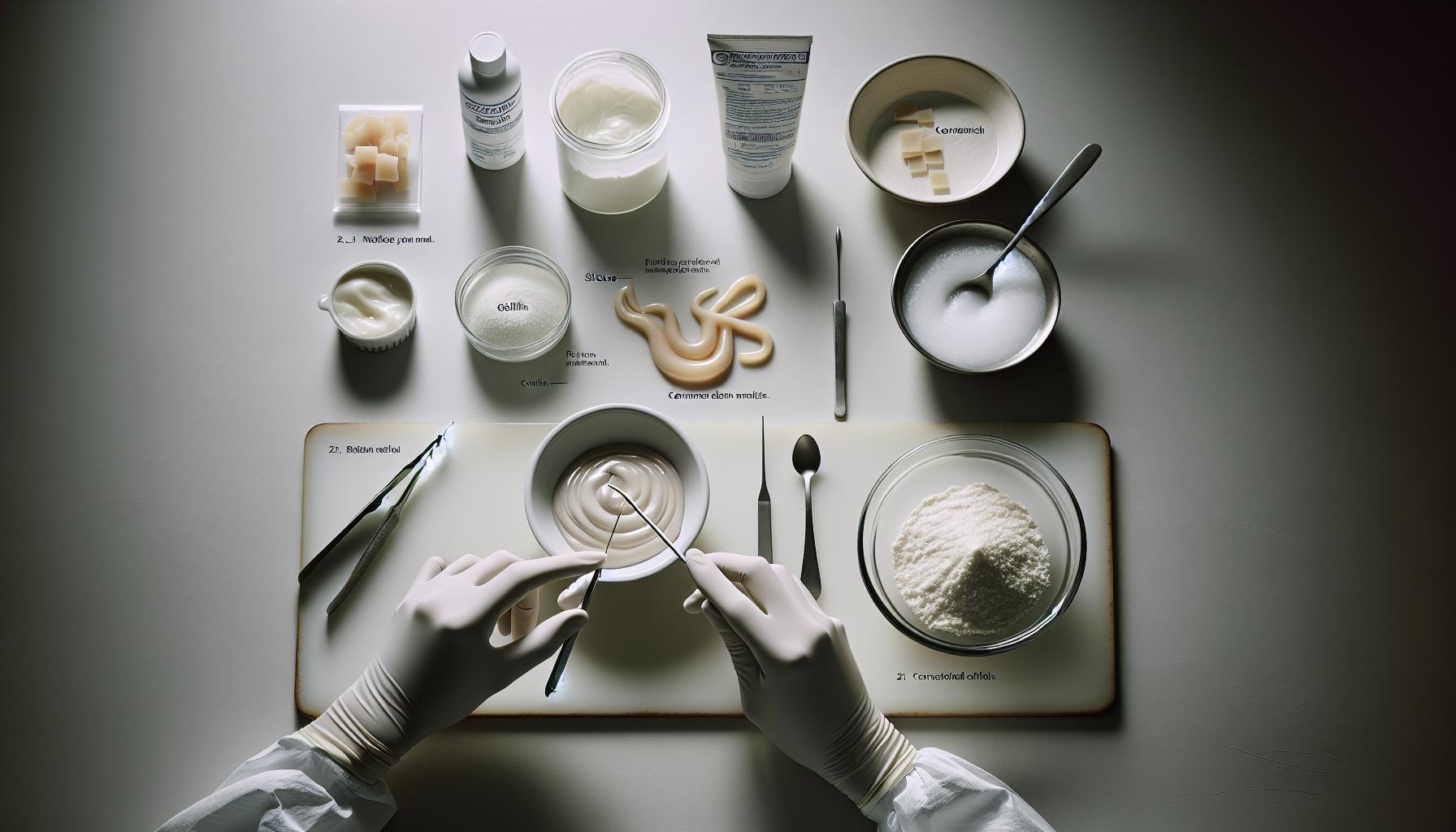
Creating your own suture practice pad can be a rewarding project, combining creativity with practical medical training. This DIY suture pad will equip you with a hands-on tool to practice your suturing techniques, all while being fully customizable to suit your learning style. With just a few materials and some straightforward steps, you can craft a functional and effective practice pad.
Start by gathering your materials. You’ll need a base material like silicone or thick foam, which will closely resemble human skin in texture and elasticity. Fabric layers (such as muslin or felt) can simulate the outer skin, adding realism and complexity to your practice. To create depth, incorporate a filling material like gel or additional foam. Don’t forget about the thread and needles; using medical-grade sutures is ideal, but sewing thread will work for initial practice.
Once your materials are ready, follow these steps:
- Cut the Base Material: Measure and cut your silicone or foam into the desired pad size (about 10×10 inches is a good start). This will form the main part of your suture pad.
- Add the Layering Fabric: Cut a piece of fabric to match the base size and place it on top. This adds an extra layer for more challenging suturing.
- Incorporate the Filling: If you’re using gel or thicker foam, cut it to slightly smaller dimensions than your base, layering it underneath the fabric to give your pad a realistic feel.
- Secure the Layers: Use a strong adhesive or double-sided tape to secure the fabric layer to the base and the filling material. Make sure everything is tightly adhered to prevent any shifting during practice.
- Prepare for Suturing: Thread your needle with your chosen thread or suture material, and you’re ready! Mark lines or areas on your pad where you can practice different kinds of sutures-vertical, horizontal, or even decorative stitches to add creativity.
The beauty of this project lies in its flexibility. You can try different materials and techniques to see what works best for your practice needs. Remember, this is a learning process, so embrace the trial and error. With each stitch, you’re building not just a pad, but your confidence and skills too. You can do this!
Different Techniques for Practicing Sutures
Practicing sutures on your DIY pad opens up a world of techniques that not only enhance your skills but also build your confidence as you progress. Each method has its nuances and applications, making it essential to explore various techniques. Whether you’re just starting or looking to refine your dexterity, there are plenty of approaches to boost your suturing repertoire.
One fundamental technique is the simple interrupted suture, which consists of individual stitches placed at even intervals. To practice this technique, start by marking a straight line on your pad, then proceed to create evenly spaced stitches along this line. This technique is great for learning how to handle your instruments and gauge tension while maintaining uniform spacing. Another crucial method is the continuous suture, where a single thread is used to create a series of stitches along a wound, minimizing the risk of gaps. You can practice this by marking a longer line and stitching from one end to t
Enhancing Your Skills: Tips from Medical Professionals
When it comes to honing your suturing skills, drawing on expert advice can elevate your practice to new heights. Medical professionals emphasize the importance of consistent repetition and patience in mastering various suturing techniques. It’s vital to set aside dedicated time for practice, enabling you to build muscle memory and confidence in your suturing abilities. Aim to create a routine where you practice several techniques, like the simple interrupted suture or the continuous suture, for at least 30 minutes a few times a week.
Utilize Feedback Loops
An invaluable tip from seasoned practitioners is to engage in peer review. Partnering with fellow students or colleagues for joint practice sessions allows you to exchange constructive feedback. This collaborative environment not only helps you refine your techniques but also exposes you to different styles and methods. Record your practice sessions if possible; reviewing your technique will help identify areas for improvement.
Stay Curious and Explore Resources
Don’t hesitate to go beyond your DIY suture pad. Incorporate online tutorials and instructional videos into your practice. Platforms like YouTube host a wealth of demonstrations from professionals that resonate with different learning styles. By following along with these experts, you can visualize and adopt best practices. Additionally, consider deepening your knowledge by engaging with online forums or study groups where you can discuss challenges and share experiences.
Practice Mindfulness
Finally, approach your practice sessions with mindfulness. Create a conducive environment, free from distractions, which allows you to fully concentrate on your techniques. Practicing with a focused mindset not only enhances skill acquisition but also teaches you to manage the stress and pressure often felt in clinical environments. Remember, the art of suturing is as much about precision and skill as it is about maintaining a calm demeanor.
Incorporating these tips into your practice will not only help refine your suturing techniques but also instill a sense of confidence that is crucial in medical settings. Celebrate each small success along the way; with determination and resourcefulness, you will undoubtedly make significant strides in your suturing journey.
Creative Customizations for Your Suture Pad
When it comes to perfecting your suturing skills, customizing your suture pad can make your practice sessions not only more effective but also more enjoyable. By adding unique features and materials, you can simulate various surgical scenarios and really challenge yourself. Don’t be afraid to get creative-your suture pad can become a versatile tool in your learning arsenal!
One popular customization is to create simulated skin layers using different materials. Consider using various fabrics like heavy duty felt, silicone, or even layers of foam. These materials can mimic the texture and resistance of human skin, giving you a more realistic experience. You might even sew or glue on additional layers with varying thicknesses to represent different tissues. A great idea is to layer a few different colors of fabric to practice recognizing and suturing through different tissue types, enhancing your ability to visualize anatomy while you suture.
Another way to personalize your suture pad is to incorporate strategic incisions. Instead of making random cuts, think about simulating specific procedures. For instance, create a series of linear and circular incisions to practice different suturing techniques such as interrupted, running, or subcuticular sutures. You can even print or draw anatomical landmarks onto your pad to help you recall where to place your incisions-this visual aid will sharpen your skills and improve your memory of critical anatomy.
Lastly, consider using color-coding for your sutures! By categorizing different colors of thread for various techniques or suture strengths, you can easily track your progress and style choices while practicing. This method also makes it fun and visually engaging. Capture your journey by taking photos of your creations, documenting what you’ve learned with each practice session-it’s a fantastic way to see how far you’ve come and keeps motivation high.
With these creative customizations, you’re not only preparing yourself for real-life scenarios but also ensuring each practice session is fresh and engaging. Remember, you can absolutely do this, and every bit of practice brings you closer to mastering your suturing skills!
Using Your Suture Pad for Simulation Training
Using a suture pad for simulation training can transform your practice sessions into highly productive and enjoyable experiences. Think of your suture pad as a canvas where you can experiment, learn, and refine your skills in a low-pressure environment. By practicing a variety of techniques on a customized surface, you can quickly build your confidence and competence, which are essential for any aspiring medical professional.
To get started, gather your materials. You’ll need your DIY suture pad, different types of suture threads (consider options like nylon or polyester), and a selection of suturing tools. Spend some time creating various incisions in your pad that mirror real-life scenarios-try making straight lines, curves, and even complex patterns. Incorporating a variety of textures can also enhance your training. Using different fabric types to represent skin, fat, and muscle can give you a better feel for the resistance you’ll encounter during actual procedures.
When you’re ready to practice, set clear objectives for each session. Focus on specific techniques like interrupted stitches, running sutures, or subcuticular closures. Start out slowly, ensuring you understand the proper techniques, then gradually increase your speed and complexity. Don’t forget to take notes on what worked well and what didn’t-this is crucial for your learning! You might also schedule regular peer reviews where you and your study group critique each other’s techniques, providing constructive feedback that can boost everyone’s skills.
Lastly, ensure that your practice routine is diverse. Introduce new challenges each week by simulating different surgical scenarios, such as stitching around corners or dealing with awkward angles. Remember to keep the experience enjoyable; celebrate each small victory and improvement! Your suture pad is not just a practice item; it’s a tool that will help you visualize and master essential surgical techniques. You are well on your way to developing the proficiency you need-keep pushing your limits, and remember, every stitch counts!
Common Mistakes When Using a Suture Pad
When diving into the world of suturing practice, it’s easy to overlook some common pitfalls that can hinder your progress. Understanding these mistakes will not only make your practice more effective but also enhance your confidence as you refine your skills. One of the most frequent issues is not creating realistic incisions in your suture pad. If the cuts you make don’t mimic the variety of wounds you might encounter in a clinical setting-like angled, curved, or jagged edges-you may not be fully prepared for real-life scenarios. To avoid this, take time to craft a range of incision types, challenging yourself to replicate realistic conditions.
Another frequent oversight is rushing through practice sessions. While it’s important to develop speed, beginners often sacrifice technique for haste. This can lead to poor suturing habits or increased frustration with the process. Focus instead on mastering each stitch before moving on to faster techniques. Set a pace that allows you to prioritize precision and form. Consider starting each session with a warm-up, where you execute simple stitches methodically before tackling more complex patterns. This will build muscle memory and reinforce good practices.
It’s also essential to pay attention to the choice of materials. Using inappropriate threads or pads can give you a false sense of skill. For instance, overly stretchy or delicate materials might lead to a lack of proper tension, affecting your suturing technique. Stick to materials that accurately simulate human skin, such as silicone or thick fabric, and use suture threads that reflect what you would use in real procedures, like nylon or silk. Each element of your setup plays a critical role in your learning experience.
Lastly, don’t neglect the power of feedback. Many learners practice in isolation, missing out on valuable critiques from peers or mentors. Engaging with others during practice not only exposes you to different techniques but also opens up discussions about what to improve. Schedule regular skill-sharing sessions with classmates where everyone can demonstrate their techniques and offer constructive criticism. Remember, building your skills in a supportive environment makes the learning journey more enjoyable and effective. Celebrate small victories and keep encouraging yourself-you’re crafting the skills you need to excel!
Innovative Ideas for Advanced Practice

Creating your own suture practice pad isn’t just about functionality; it can be a fantastic opportunity to explore creativity while honing your medical skills. With a little ingenuity, you can transform a basic DIY pad into an advanced training tool that replicates real-world scenarios, preparing you for what lies ahead in clinical practice.
One innovative approach is to incorporate varying textures. Use different materials such as foam, fabric, and synthetic skin to mimic the feel of human skin. Each type can present unique challenges and can enhance your adaptability as a practitioner. You can even use textures to simulate scar tissue or wounds at varying healing stages. This variation not only diversifies your practice but also keeps the experience engaging and educational.
Moreover, consider integrating a color-coded system for the suturing techniques you’ll be practicing. For instance, designate one color for interrupted sutures and another for continuous sutures. You can even add small indicators on your pad that require specific techniques to be used on different sections. This method reinforces learning by encouraging you to think critically about each stitch you make. Here’s an example of how you might structure your sessions:
- Pad Section 1: Continuous sutures (Green Thread)
- Pad Section 2: Interrupted sutures (Blue Thread)
- Pad Section 3: Mattress sutures (Red Thread)
Make your practice sessions more dynamic by incorporating timed drills. Set a timer and challenge yourself to complete a series of stitches within a specific timeframe. This not only builds speed but also simulates the pressure of real-life scenarios. Pairing this with fellow practitioners can add a layer of friendly competition and increase the learning curve as you can share techniques and tips.
These ideas not only enhance the effectiveness of your practice but also foster a community spirit among peers who share your passion for learning. Embrace these creative methods-your dedication to refining your suturing skills will set you apart in your medical journey. You’ve got this!
Resources and Tools for Further Learning
Looking to deepen your understanding and skills in suturing? You’re in luck! Numerous resources and tools can enhance your DIY Suture Pad project, making it an effective training tool, whether you’re a medical student, a nursing professional, or just eager to refine your skills. From online platforms to physical materials, let’s explore how to elevate your suturing practice and learning journey.
One fantastic resource is online courses dedicated to suturing techniques. Platforms like Coursera and Udemy offer courses where medical professionals share insights and demonstrate various suturing methods. These courses often include videos, quizzes, and community forums, allowing you to interact and ask questions. Also, consider joining online forums or social media groups focused on medical training. They can provide invaluable tips and allow you to connect with others passionate about suturing.
For practical materials, investing in quality suturing kits can be a game-changer. Look for kits that include assorted suture types and needles, such as the 3-0 Sterile Sutures Thread featured on Amazon, ideal for practice situations[1]. Alongside sutures, consider adding specialized tools like suture removal scissors, which can enhance your training by simulating a more realistic clinical environment[2].
Lastly, don’t underestimate the value of books and articles on surgical techniques. Many textbooks cover suturing in-depth, providing images and step-by-step guides that can be referenced during your practice sessions. Websites like the AAPC Knowledge Center offer valuable coding insights and guidance on best practices for suture removal, which can be enlightening as you navigate medical protocols[3].
By leveraging these resources, you can create a rich learning environment that boosts your suturing abilities and confidence. Remember, practice makes perfect, and you’ve got the tools to succeed. Happy crafting!
FAQ
Q: What materials do I need to create a DIY incision suture pad?
A: To create a DIY incision suture pad, you will need materials like silicone or rubber for a realistic texture, fabric for outer covering, foam for padding, and scissors, adhesive, and thread. For more detailed instructions, refer to the “Essential Materials for Your DIY Suture Pad” section in the article.
Q: How can I improve my suturing technique using a DIY pad?
A: You can improve your suturing technique by practicing different suture patterns on your DIY pad. Start with basic techniques like the simple interrupted suture and progress to advanced techniques like figure-eight sutures. Regular practice will enhance your skills and confidence.
Q: Can a DIY incision suture pad be used for medical simulation training?
A: Yes, a DIY incision suture pad is ideal for medical simulation training. It provides a realistic environment for practicing incisions and sutures, helping you to simulate actual surgical scenarios effectively. For simulation tips, see the “Using Your Suture Pad for Simulation Training” section.
Q: What common mistakes should I avoid when using a suture pad?
A: Common mistakes include using too much force when suturing, neglecting to secure the pad properly, and not practicing a range of suture types. Avoid these by following the steps outlined in the “Common Mistakes When Using a Suture Pad” section for better outcomes.
Q: How long does it take to make a DIY suture pad?
A: Creating a DIY suture pad typically takes about 1 to 2 hours, depending on your skill level and the materials used. Following the “Step-by-Step Guide: How to Make a Suture Pad” will ensure you remain efficient during the process.
Q: What are the benefits of using a DIY suture pad for medical training?
A: Using a DIY suture pad allows for cost-effective practice, customization to suit various techniques, and repeated use without the expense of professional training tools. This hands-on practice enhances muscle memory and skill acquisition.
Q: Are there creative customizations I can add to my suture pad?
A: Yes, you can customize your suture pad by incorporating varied skin textures or adding anatomical landmarks. This enhances realism and helps you practice specific skills. Check the “Creative Customizations for Your Suture Pad” section for more ideas.
Q: How can I find more resources for practicing suturing skills?
A: You can find additional resources by exploring medical textbooks, online courses, or instructional videos that cover suturing techniques. The “Resources and Tools for Further Learning” section in the article also provides valuable links to enhance your learning.
Key Takeaways
Ready to take your medical skills to the next level? The DIY Incision Suture Pad is your ultimate tool for practice and mastery. You’ve learned how to create this essential resource for honing your techniques-now it’s time to put it to use! Whether you’re a student or a seasoned practitioner, this pad offers a practical way to boost your confidence and proficiency in suturing.
Don’t miss out-start crafting your own suture pad today and see the difference it makes in your training. If you’re curious about expanding your skills, check out our guides on Suturing Techniques and Essential Medical Tools. Want to stay updated with the latest DIY tips? Sign up for our newsletter and join a community of makers just like you!
Join the conversation in the comments below-share your experiences or ask questions. Remember, whether you’re a newbie or have some expertise, making is for everyone. You can absolutely do this! Happy crafting!
Get our latest guides, news, and insights highlighted in your Google Search & AI Overviews.