
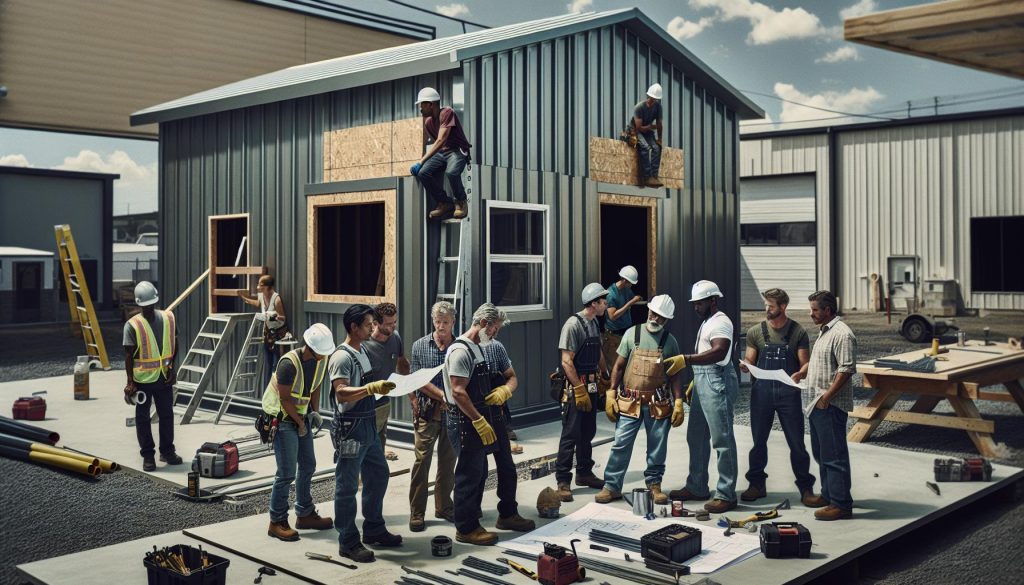
Have you ever considered building your own metal shop? It’s an incredible DIY project that can save you thousands while giving you the perfect space for your tools and projects. Constructing a metal building not only provides durability and low maintenance but also allows you to customize the size and layout to fit your specific needs. Whether you’re a hobbyist or a serious craftsman, having a dedicated area for your work can drastically improve your efficiency and enjoyment. Plus, the satisfaction of completing the project yourself is unmatched! In this guide, we will walk you through the step-by-step process of planning, choosing materials, and constructing your own metal building, making the seemingly daunting task feel achievable no matter your skill level. You can do this, and soon you’ll be on your way to creating a space that truly reflects your passion and creativity. Let’s dive in and discover how you can transform your vision into reality!
Understanding the Benefits of DIY Metal Buildings
Building your own metal structure can be a highly rewarding endeavor, offering you not just a functional space but also a sense of achievement and independence. One of the most significant benefits of DIY metal buildings is the cost savings. By taking on the project yourself, you can save thousands of dollars that would otherwise go to contractor fees. Moreover, metal buildings are renowned for their durability and longevity, making them a smart investment in the long run. With some essential tools and materials, you can create a strong, secure space tailored to your specific needs.
The versatility of metal buildings is another significant advantage. Whether you’re considering a workshop, storage shed, or even a home office, the customizable nature of these structures allows you to design a space that perfectly aligns with your vision. For example, you can choose the size, layout, and additional features like insulation or windows during the planning stage, ensuring that the final result meets your functional and aesthetic requirements. Flexibility in design means you’re not bound by predefined structures, unlike traditional buildings.
A DIY approach also empowers you with a hands-on experience where you can learn new skills such as framing, welding, or general construction techniques. This can be a great confidence booster and can lead to a deeper understanding of construction as a whole. Plus, engaging in such projects offers a unique opportunity to bond with friends or family members who might assist you, creating lasting memories along the way. The sense of accomplishment you feel upon completion not only enhances your personal space but also instills a deep pride in your DIY capabilities. You can absolutely do this!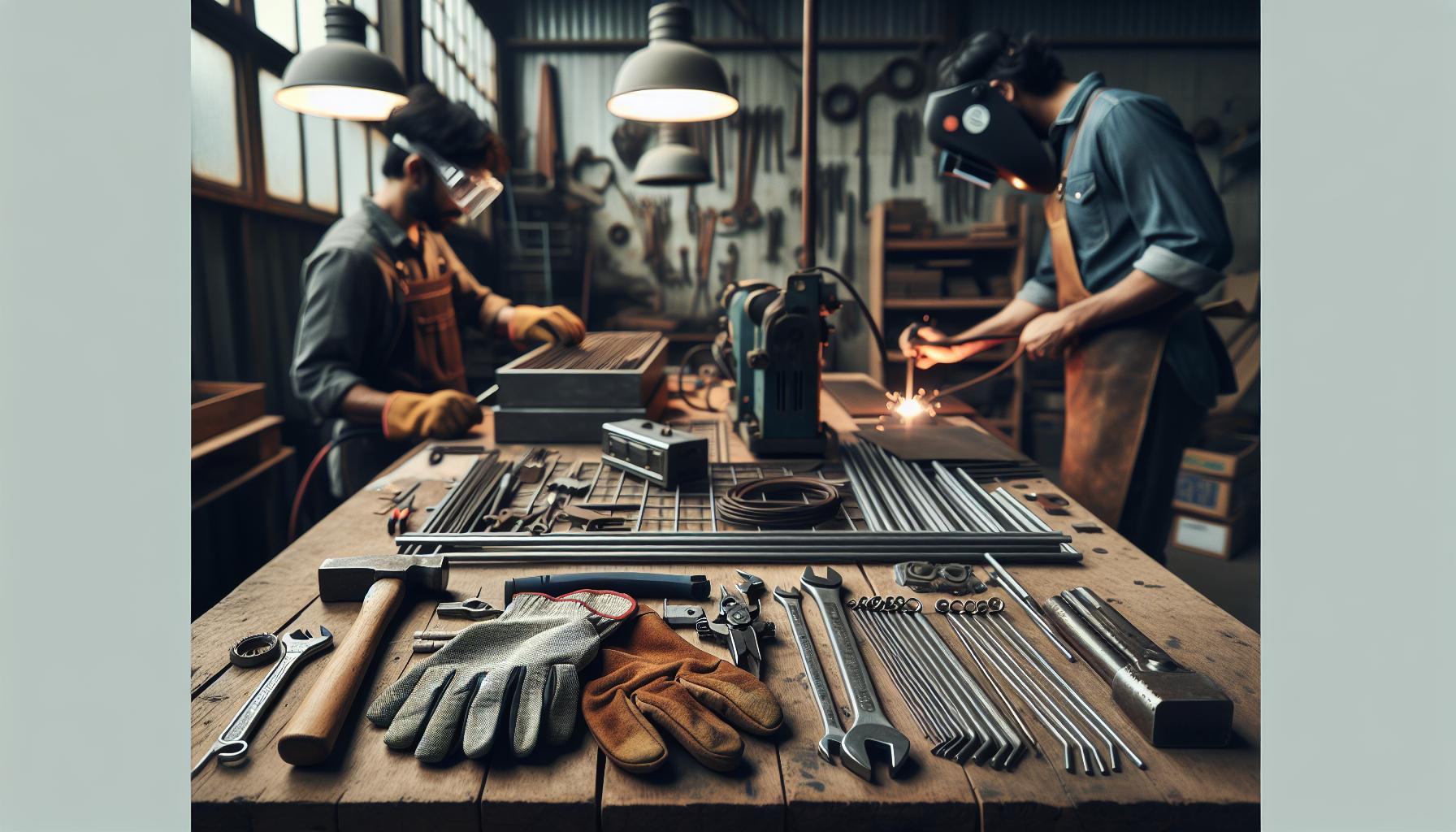
Essential Materials for Your Metal Shop Project
When embarking on the exciting journey of constructing your own metal shop, the right materials can make all the difference. Choosing quality materials not only ensures the durability of your structure but also streamlines the building process, making it a rewarding experience. Here’s what you’ll need to get started on this satisfying project.
To build a sturdy metal shop, you’ll require core components such as metal framing or steel studs, roofing panels, siding materials, and a solid foundation. Here’s a closer look at these essentials:
- Metal Framing: Typically made of galvanized steel, metal framing provides strength and resilience, capable of withstanding harsh weather conditions.
- Roofing Panels: Opt for metal roofing panels like corrugated steel for longevity and efficient rain runoff. These panels not only protect against elements but can also be insulated.
- Siding Materials: Choose materials like pre-painted galvanized steel for the exterior to enhance aesthetics and prevent rust.
- Foundation Materials: A concrete slab is the most common choice. Ensure it’s adequately treated to handle the weight of your metal structure.
Besides these structural components, don’t overlook interior elements that can enhance functionality. Consider insulation, electrical wiring, and strong flooring options to make your shop more versatile. It’s also wise to think about doors and windows; they not only provide accessibility but can bring in natural light and ventilation, keeping your workspace bright and airy.
As you gather your materials, it helps to outline a shopping list tailored to your specific design. Here’s a simple way to structure your list:
| Material | Purpose | Estimated Quantity |
|---|---|---|
| Steel Framing | Structure | As required |
| Roofing Panels | Weather protection | Measure area |
| Concrete | Foundation | Area size |
| Windows and Doors | Access and light | Based on design |
Remember, you can do this! No matter your skill level, assembling your metal shop can be an incredible learning experience. The satisfaction of seeing your project come to life using your own hands is unmatched. As you select your materials, stay excited and inspired-you’re crafting a space that reflects your vision and serves your needs beautifully!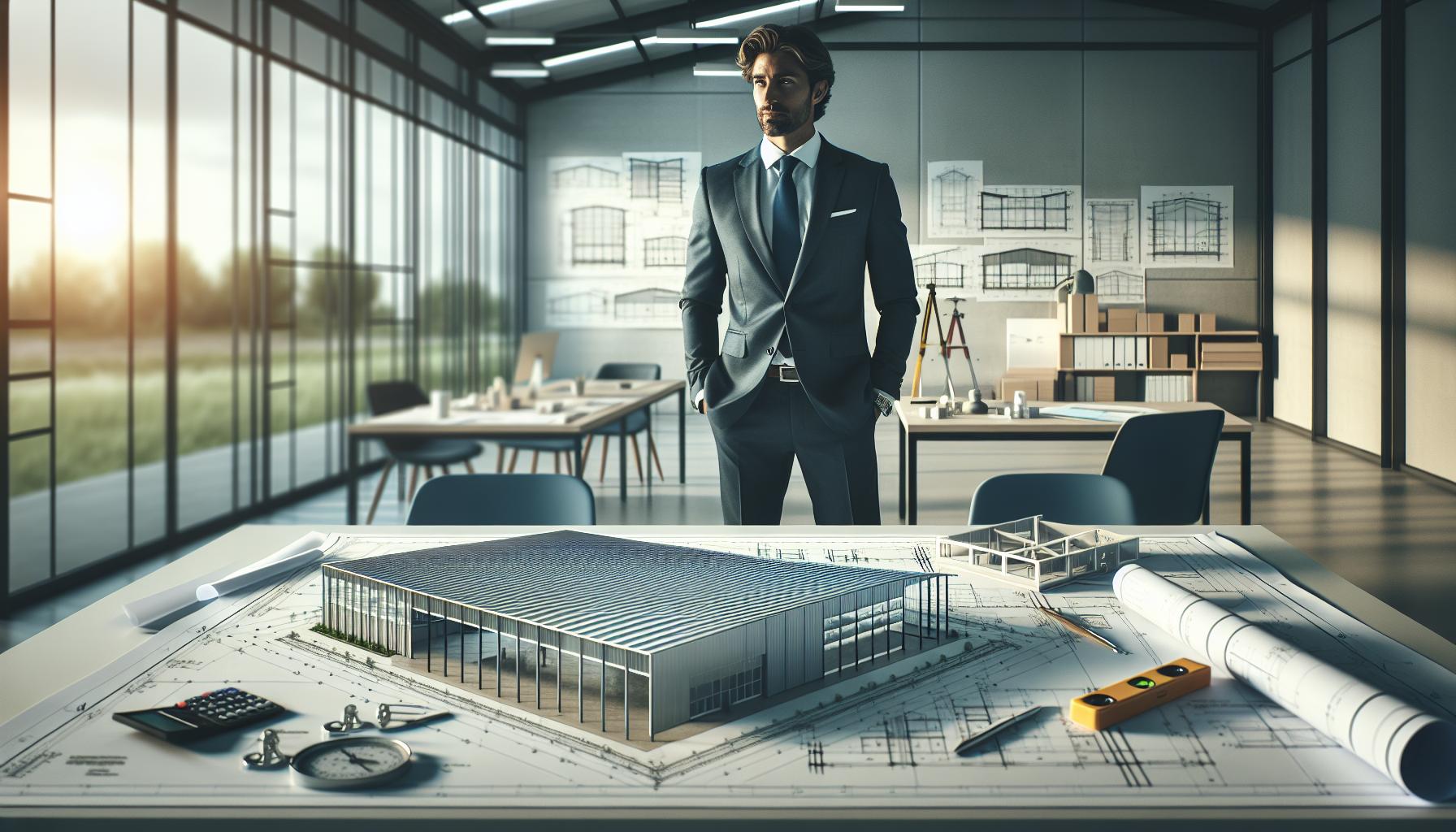
Step-by-Step Guide to Planning Your Metal Building
Planning your metal building can be an exciting adventure, filled with the promise of creating a custom shop that meets your unique needs. The key to a successful project is a well-thought-out plan that lays the groundwork for every stage of construction. Let’s dive into a step-by-step process that can help you map out your journey and ensure you’re on the right track to build your dream workspace.
Start by determining the purpose of your metal building. Will it be a workshop, a storage space, or even a hobby area? Identifying the primary functions will help guide your decisions down the road. Next, consider the location of your building. Take note of the local zoning laws, utility access, and the terrain. Setting up your shop in an area with good drainage will save you headaches later, especially when it rains. It’s also a good idea to check if any permits are required before you start your build.
The next phase is designing your space. Create a rough blueprint that outlines the dimensions and layout of your building. Consider including sections for equipment storage, workspace, and possibly a small office area. Think about how you may want to arrange your tools and machinery for the most efficient workflow. Don’t forget to include windows and doors; they can enhance both accessibility and natural lighting-making your work environment more pleasant.
Material Sourcing
Once your design is ready, it’s time to compile a list of essential materials. Create a detailed shopping list based on your plan, which may include components like metal framing, roofing materials, and insulation. Evaluate local suppliers and consider bulk purchases for cost savings. Building a relationship with suppliers can also net you discounts or advice for your specific project type.
Time Management
Finally, establishing a timeline is crucial. Break your project into phases and set realistic deadlines for each stage. This approach will keep you motivated and provide a roadmap for your progress. Whether you’re tackling it solo or with friends, having a clear structure will help manage expectations and ensure you stay on track.
With these steps in mind, you’re well on your way to making your DIY metal building a reality. Remember, you can do this! Each phase is an opportunity to learn and grow, whether you’re handling it all yourself or collaborating with others. Approaching your project with enthusiasm and a thoughtful plan transforms the daunting task of building into an empowering experience. Happy building!
Choosing the Right Design for Your Needs
Choosing the right design for your metal building can feel like a daunting task, but it’s all about aligning your vision with practical needs. Did you know that the design you choose can dictate not only the functionality of your space but also the overall cost? A well-thought-out design maximizes efficiency and comfort while minimizing potential setbacks. Let’s break this down to make it approachable and fun!
First, think about how you plan to use your space. Will it primarily serve as a workshop, a garage, or a place for recreational activities? Each use requires different features. For instance, a workshop will benefit from high ceilings and ample shelving for tools, while a garage may prioritize vehicle access and storage. Make a list of essential elements you’ll need, then visualize how much space each area will require. This is your chance to experiment and let your creativity flow. Sketching out a few layout options can be incredibly helpful; you don’t have to get it perfect on the first try-this is a fun, iterative process!
Next, consider the structure’s exterior design. Metal buildings come in various styles, from traditional gable roofs to modern flat designs. Your choice should reflect both your personal aesthetic and practical requirements like durability and weather resilience. If you live in an area with heavy snowfall, a steeper roof angle might be more beneficial to prevent snow buildup. Look into different color options, too-selected finishes can enhance the appearance of your building and even provide additional benefits like heat reflection.
Finally, think about future growth. Does your project have the potential to expand as your needs change? Planning for future additions can save you time and money later. Perhaps you’ll need room for new machinery or additional storage down the line. Build flexibility into your design, allowing for modifications without major overhauls. Remember, this project is about bringing your ideas to life and creating a space that feels uniquely yours. Embrace the process, and don’t hesitate to seek advice or inspiration from others who’ve built their dream metal shops. You can do this! Happy designing!
Tools You’ll Need for Metal Building Construction
When embarking on the journey of constructing a DIY metal building, having the right tools at your fingertips can make all the difference. You may be surprised at how some simple equipment can transform an overwhelming project into a manageable one. Investing in quality tools not only enhances your efficiency but also boosts your confidence as you dive into this exciting adventure. Here’s a breakdown of essential tools you’ll need to set up that fantastic shop.
Basic Hand Tools
Start with some foundational hand tools that are indispensable for any metal building project. These will help you tackle a variety of tasks with ease:
- Measuring Tape: Precision is key! A durable and flexible measuring tape ensures your cuts and installations are accurate.
- Level: Ensuring that your walls and roof are level is crucial for structural integrity.
- Screwdrivers: A set of both flat-head and Phillips screwdrivers will allow you to fasten components securely.
- Wrenches: Adjustable wrenches or a comprehensive wrench set are perfect for tightening bolts and nuts.
Power Tools
Next up, you’ll want to invest in some power tools to expedite your work. These tools can handle tougher materials and make your construction process more efficient:
- Cordless Drill: This tool is vital for drilling holes and driving screws. Opt for a model with multiple speed settings!
- Angle Grinder: Perfect for cutting and grinding metal, this tool is invaluable for shaping materials as needed.
- Metal Saw: A good metal cutting saw or band saw cuts through steel sheets with precision.
Safety Gear
Don’t forget about safety! Protecting yourself while working with metal is paramount:
- Safety Glasses: Essential for protecting your eyes from metal shavings and debris.
- Gloves: Heavy-duty gloves will protect your hands from sharp edges and heat.
- Ear Protection: Noise from drills and saws can be damaging, so quality ear protection is a smart addition.
Miscellaneous Items
Lastly, a few additional items can smooth out your workflow:
- Toolbox: Organize your tools neatly for easy access.
- Clamps: Keeping your metal pieces securely in place while you work is crucial; clamps are your best friend here!
- Workbench: A sturdy surface for cutting, assembling, and general project management cannot be understated.
Equipped with these tools, you’ll feel ready to tackle your DIY metal building project with enthusiasm and confidence. Remember, every big construction endeavor starts with the right foundation, and in this case, that’s your toolkit. You can do this! Embrace the process, enjoy the transformation, and let your creativity shine as you create a space that’s truly yours.
Budgeting Tips: How to Save Thousands
When taking on a DIY metal building project, one of the most exciting aspects is the potential for significant savings. With some smart strategies, you can keep costs down and still achieve the workshop of your dreams. By planning carefully and thinking creatively, you can trim your budget while maximizing quality and functionality. Here’s how to make your DIY metal building experience more affordable.
Start by researching your materials-this could be a game changer for your budget. Explore different suppliers and compare prices for metal sheets, fasteners, insulation, and other essentials. Consider purchasing second-hand materials or surplus stock, which is often much cheaper than brand new items. Also, aim to buy in bulk when possible, as many suppliers offer discounts for larger orders. Another tip is to look for sales or seasonal promotions to stock up on the items you need. Additionally, joining local community groups or forums can lead to valuable insights about where to find materials for less.
Labor costs can add up quickly if you hire out all the work. Why not roll up your sleeves and tackle as much of the project yourself as possible? If you’re not experienced, start with simple tasks and gradually take on more complex jobs as your confidence builds. Plenty of online resources, including tutorials and guides, can walk you through each step. Don’t be afraid to ask friends or family for help-they might enjoy participating in your project, making it a fun and rewarding group effort!
Plan Effectively
Creating a detailed plan can save money by reducing waste and ensuring efficient use of materials. Outline your building’s design, size, and layout before you start purchasing anything. Knowing exactly what you need helps avoid costly last-minute changes. Consider using software or apps specifically geared toward DIY builders to visualize your project and spot potential budget-busting issues early on.
Lastly, think about how you can enhance your building with features that offer long-term savings. Investing in good insulation, for example, might add upfront costs, but it can significantly decrease your heating and cooling expenses in the long run. Choose energy-efficient lighting and appliances, and consider solar panels if your location allows it. By making thoughtful decisions today, you’ll ensure that your DIY metal building is not only cost-effective now but also a money-saver for years to come.
You can do this! Embrace the journey of building your own space, knowing that with each step, you’re crafting something unique while saving money along the way. Enjoy the process, celebrate your victories, and relish the satisfaction of seeing your hard work come to life.
Common Mistakes to Avoid When Building
Building your own metal structure can be an exciting journey, but it’s easy to slip into common pitfalls that can turn your project from a dream into a headache. Many DIY enthusiasts underestimate the importance of planning and research, leading to overspending or unexpected frustrations during construction. Here are some essential mistakes to avoid that can help you navigate your metal building project smoothly and efficiently.
One of the biggest missteps is neglecting to measure properly. It might seem simple, but inaccurate measurements can throw off your entire project. Always double-check dimensions before purchasing materials or cutting anything. A tip from seasoned builders is to use a measuring tape and create a detailed blueprint of your building’s layout. This not only helps in ensuring that all your materials fit perfectly but also prevents costly errors that could arise from miscalculations. As a rule of thumb, measure twice and cut once!
Another trap is underestimating the weather impact during construction. Different climates can significantly affect your timeline and chosen materials. If you’re in an area with extreme weather, such as heavy rain, snow, or high winds, take this into account in your building schedule. It’s wise to choose materials that can withstand your local conditions-this might mean selecting thicker metal or additional insulation, which could save you maintenance headaches later on. Also, if possible, try to time your work for milder weather to avoid disruptions.
Lastly, overlooking the importance of ventilation and insulation can lead to long-term discomfort inside your metal building. Many DIYers focus purely on the metal structure itself and forget that efficient air circulation and temperature management are critical for a comfortable workspace. Installing proper insulation and ventilation systems may require planning and some additional budget, but these investments will pay off in the form of energy savings and a more pleasant work environment. Think ahead: consider features like windows or roof vents that can help maintain ideal temperatures and air quality throughout the year.
By steering clear of these common mistakes, you can keep your DIY metal building project on track and ensure that your hard work yields a space you can be proud of. Embrace each step, knowing that every decision moves you closer to enjoying your custom-built workshop!
Enhancing Your Shop: Essential Features and Additions
Building your own metal shop is not just about constructing a sturdy structure; it’s also about creating a space that enhances your productivity and meets your needs. One of the best parts of DIY projects is the ability to customize every detail to fit your unique workflow, so let’s explore some essential features and additions that can transform your metal building into a well-equipped workshop.
Maximizing Functionality with Smart Layout
A well-thought-out layout can make all the difference in your shop’s efficiency. Begin by designating specific areas for different activities-such as storage, workspace, and assembly. Use movable workbenches and modular shelving to optimize the space. For example, if you plan to do woodworking and metalworking, consider placing these stations in a U-shape, allowing easy access to tools and materials without cross-contamination of sawdust and metal shavings.
Tool and Material Storage Solutions
Investing in smart storage solutions is crucial for keeping your shop organized. Wall-mounted pegboards and magnetic strips are fantastic for displaying tools where they’re easily accessible. Additionally, consider rolling tool chests or cabinets-these provide not only storage but can also serve as additional workspace when needed. Try this: Install overhead storage racks for seasonal items or infrequently used tools to free up floor space.
Lighting and Ventilation
Good lighting is vital for a productive and safe workspace. Installing bright LED fixtures will help illuminate every corner of your shop. Moreover, consider task lighting, such as under-cabinet lights for workbenches. Equally important is proper ventilation to ensure a comfortable working environment. This can be achieved by installing windows, roof vents, or even incorporating a small exhaust fan to remove fumes and heat during more intensive projects.
Utility Connections
Don’t forget the importance of electrical outlets and utility connections. Plan your electrical layout in advance, ensuring plenty of outlets near workstations for power tools and equipment. Consider installing dedicated circuits for high-demand tools to prevent overloading. Additionally, running water and drainage can be beneficial if your work involves cleaning tools or materials.
By focusing on these enhancements, you’re not just creating a workspace; you’re crafting an environment that inspires creativity and efficiency. Remember, every addition should reflect your personal workflow, making this space truly yours. With careful planning and the right features, you’ll find that your DIY metal shop will be a source of pride and productivity for years to come!
Maintaining Your Metal Building: Long-Term Care Tips
The longevity and functionality of your metal building largely depend on the attention and care you provide throughout its life. Regular maintenance can not only preserve its appearance but also prevent costly repairs down the line. With just a handful of straightforward practices, you can ensure that your DIY metal shop remains a reliable and enjoyable workspace for years to come.
One of the foremost maintenance tasks is to perform a thorough inspection of your building at least twice a year. Look for signs of rust, especially in areas where moisture tends to accumulate. If you spot any corrosion, address it immediately with a rust-inhibiting primer followed by a durable exterior paint. Additionally, check the seams and fasteners for tightness to prevent the elements from infiltrating your space. Make it a point to clean your building’s exterior regularly, removing dirt and debris that can trap moisture.
Roof and Gutters Maintenance
Your roof is your first line of defense against water damage, so it deserves special attention. Look for debris that may have collected in gutters and downspouts; clear these out to ensure proper drainage. A roof inspection can help identify small issues, like loose panels or signs of wear, before they balloon into bigger problems. If you live in a region with heavy snowfall, ensure snow is cleared off your roof as needed to prevent excessive weight that could lead to structural damage.
Climate Considerations
Depending on your local climate, your maintenance routine may require adjustments. In areas prone to heavy rain, you might need to check seals and caulking more frequently. Conversely, in hot and dry climates, inspect for fading paint and heat-related stress on metal surfaces. Remember to apply heat-resistant coatings or sun shades if needed, preserving the structural integrity of your building and keeping it comfortable inside.
With a bit of consistent care and attention, your DIY metal shop can thrive, becoming a central hub for your projects and creativity. You’ve put in the hard work to build it, so keep it running smoothly with these easy-to-follow maintenance practices. Enjoy your crafting journey while knowing your space is in great shape!
Real-Life Success Stories: DIY Metal Building Projects
Building your own metal shop might seem daunting, but real-life success stories can prove that this rewarding journey is totally within your reach. Take Tom, for example, an enthusiastic DIYer who transformed a neglected corner of his backyard into a stunning metal workshop. With a cost-saving approach, Tom not only saved thousands compared to hiring professionals but also gained a space tailored to his specific needs. After a short three-month build period, he had a fully functional shop equipped for woodworking and metal fabrication, showcasing the incredible potential of DIY projects.
One of the most inspiring projects comes from Sarah, who enlisted her family to help build a versatile metal shop. They began with a simple design that allowed them to customize as they went. Instead of getting overwhelmed, they tackled the construction in manageable weekend sessions. With a focus on teamwork, they created a space not only for crafts but also for family bonding. Sarah used recycled materials for insulation and storage, demonstrating how creativity can lead to cost-effective solutions.
If you’re wondering about the time commitment, consider James’s approach. He committed to just a few hours each weekend over six weeks, and his patience paid off spectacularly. His project evolved from a basic frame to a comprehensive metal workshop with custom shelves and workbenches. He documented the process with photos and shared them online, inspiring others to dive into their metal building projects.
Incorporating your own personality into a metal building project can enhance its appeal. For example, Laura added personal touches like customized shelving and an outdoor workbench that doubles as an entertaining area for friends. This not only made her shop functional but also a place of enjoyment. With some creativity and determination, your metal building could become more than just a workspace-it can be a sanctuary for creativity and exploration.
So get ready, gather your materials, and embrace the challenge! These projects remind us that the key to success is to take the plunge, use your resources wisely, and most importantly, enjoy every step of the process. You can do this; countless DIYers have paved the way, and now it’s your turn to add your story to the mix.
Frequently Asked Questions About DIY Metal Buildings
Building your own metal shop can be a thrilling adventure, but it’s normal to have questions along the way. From planning to practical tips, here’s a run-down of frequently asked questions that can help guide you through your DIY metal building project.
What materials do I need to get started?
Before diving into your project, having the right materials is essential. Depending on your design, you’ll typically need:
- Steel or aluminum panels: These will form the structure of your building.
- Frame supports: Heavy-duty steel or wooden beams for a strong foundation.
- Insulation: If you’re in a colder climate, consider adding insulation for comfort.
- Roofing material: Metal roofing is both durable and cost-effective.
Select materials that fit your climate, budget, and desired aesthetics. Local suppliers can often provide recommendations tailored to your specific project.
How long will the project take?
Timing varies greatly based on the complexity of your design and your level of experience. Some DIYers, like Tom, have built their shops in as little as three months, while others may take longer. A solid estimate might look like this:
- Planning and design: 1-2 weeks.
- Site preparation: 1 week.
- Constructing the frame: 2-4 weeks.
- Finishing touches: 1-2 weeks.
Create a weekend commitment plan, and remember that community and shared effort can speed up the process!
What should I avoid during construction?
Common pitfalls can derail your project if you’re not careful. Here are a few key mistakes to steer clear of:
- Ignoring local codes: Always check regulations and get necessary permits.
- Rushing the foundation: A solid base is crucial for the longevity of your building.
- Underestimating costs: Make a detailed budget, including all materials and unforeseen expenses.
- Not planning for utilities: If you want electricity or plumbing, plan these installations early.
Learning from others’ experiences can save you time and money.
Can I customize my metal building?
Absolutely! Personal touches can make your shop more functional and enjoyable. For example, Laura incorporated outdoor workbenches and customized shelves to suit her hobbies. Start with a foundational design, then think about enhancements like:
- Additional storage: Shelving or loft areas for organization.
- Workspace layout: Dedicated areas for specific tasks, like woodworking or metalworking.
- Personal decor: Paint, signage, and arrangements that turn your shop into a space you love.
The goal is to create a functional yet enjoyable environment, reflecting your personality and creativity.
Armed with answers to these common queries, you’re well on your way to constructing a DIY metal shop that not only meets your needs but also saves you a significant amount of money. Remember, every DIY project is a learning opportunity, and you definitely have what it takes to succeed!
Resources for Further Learning and Inspiration
Building your own metal shop opens up a world of possibilities-both creatively and practically. Whether you’re a seasoned DIY enthusiast or just dipping your toes into the crafting waters, you’ll definitely want to gather some inspiring resources to help guide you along the way. Luckily, there are numerous books, websites, and community forums dedicated to DIY metal buildings and metalworking that can boost your confidence and creativity.
To start off, consider diving into books like “Metal Fabrication: Techniques and Tips for Beginners” by John Doe, which covers everything from basic techniques to advanced skills. This resource demystifies common metalworking methods and offers step-by-step projects that can help you gradually build your skills. Online platforms such as YouTube are also fantastic; channels like “DIY Metal Shop” showcase real-time builds, offering visual guidance that can inspire your own design choices.
Another great way to foster your creativity is by engaging with community forums such as Reddit’s r/Metalworking or dedicated Facebook groups. Here, you can share your progress, ask questions, and exchange tips with fellow makers who have tackled similar DIY projects. The collective knowledge found in these communities can be invaluable, especially when facing challenges specific to metal construction.
When you’re in need of specific materials or inspiration for your shop, do not hesitate to visit local suppliers. Many of them hold workshops and seminars that allow hands-on experience with tools and materials you’ll use in your building process. Additionally, websites like Instructables provide a wealth of user-generated tutorials that guide you through unique projects, igniting your creativity and giving you a practical roadmap to follow.
As you embark on your DIY metal shop journey, remember that the joy of creation lies in the process. You don’t have to know everything upfront-every step you take brings you closer to your vision. Embrace learning by doing, and soon enough, you’ll be sharing your own tips and tricks!
Q&A
Q: What are the cost-saving benefits of building a DIY metal shop?
A: Building a DIY metal shop can save thousands compared to hiring contractors. You can choose affordable materials, avoid markup costs, and customize your design without professional fees. Additionally, using your skills can help you manage labor costs significantly. For budgeting tips, see the section on Budgeting Tips: How to Save Thousands.
Q: How long does it take to build a DIY metal building?
A: The time to build a DIY metal building varies based on size and complexity, typically ranging from a few days to a couple of weeks. Consider preparing a detailed plan and schedule to allocate time efficiently. For a step-by-step guide, refer to the Step-by-Step Guide to Planning Your Metal Building.
Q: What is the best foundation for a DIY metal building?
A: A concrete slab is often the best foundation for a DIY metal building due to its durability and support for heavy structures. Ensure proper drainage and leveling during installation. For essential materials, check the Essential Materials for Your Metal Shop Project section.
Q: Can I build a DIY metal shop without prior construction experience?
A: Yes, you can build a DIY metal shop without prior experience! Many resources and guides are designed for beginners, providing step-by-step instructions. Start with simpler projects to build confidence. For tips on common mistakes, see Common Mistakes to Avoid When Building.
Q: How do I ensure my DIY metal building meets local codes?
A: To ensure compliance with local codes, check with your local building authority about zoning regulations and building permits. Research specific requirements for metal buildings in your area before starting construction. For more details, the Resources for Further Learning and Inspiration section may be helpful.
Q: What common tools do I need for constructing a metal building?
A: Essential tools for constructing a metal building include a drill, welder, level, measuring tape, and safety gear like gloves and goggles. Having the right tools simplifies the process and improves accuracy. For more on tools, visit the Tools You’ll Need for Metal Building Construction.
Q: Are there specific maintenance tips for metal buildings?
A: Yes, routine maintenance such as checking for rust, cleaning gutters, and inspecting seals helps extend your building’s life. Regular upkeep prevents larger issues and maintains the aesthetics of your shop. For more maintenance tips, see Maintaining Your Metal Building: Long-Term Care Tips.
Q: What features can enhance my DIY metal shop?
A: Enhancing your DIY metal shop can include adding insulation, ventilation systems, lighting, and storage solutions. Consider features like windows for natural light and sturdy shelving for organization. For a deeper dive, refer to Enhancing Your Shop: Essential Features and Additions.
The Way Forward
Now that you’ve learned how to construct your own DIY metal building, imagine the satisfaction of saving thousands while crafting a space tailored just for you. Whether you’re setting up a workshop or a hobby shop, your vision is within reach, and remember: you can do this! Don’t let any doubts hold you back-grab your tools and get started!
For more inspiring projects, check out our guides on DIY renovations and home improvement tips. If you’re looking for materials and tools to kickstart your build, explore our product recommendations. And don’t forget to join our newsletter for updates and tips to make every DIY project a success. Let’s keep the excitement going-share your thoughts or questions in the comments below, and let’s build your dream together!
Get our latest guides, news, and insights highlighted in your Google Search & AI Overviews.