

Have you ever stepped outside in the summer, only to be swarmed by pesky flies? Unfortunately, commercial bug sprays often contain harsh chemicals that can be harmful to you and the environment. That’s where our DIY fly spray comes in! Using simple, natural ingredients you probably already have at home, you can create an effective bug repellent that’s safe for your loved ones and the planet. This guide is not only about crafting a solution to your bug woes but also about empowering you to take control of your home environment. Whether you’re a seasoned DIY enthusiast or just starting out, making your own fly spray is a fun and rewarding project. So, roll up your sleeves and let’s dive into crafting a natural insect repellent that truly works!
Natural Insect Repellent Ingredients to Try
Many natural ingredients can form the foundation of effective insect repellents that not only keep bugs at bay but also provide a safer alternative to chemical sprays. Here’s a look at some tried-and-true ingredients you can easily incorporate into your DIY fly spray.
Citrus Peels
Citrus peels, particularly those from lemons and oranges, are known for their fresh scent and bug-repelling qualities. The natural oils in the peels can deter flies and other pests. Simply steep peels in water for a few hours, strain, and use the infused water as a base for your spray.
Vinegar
This common kitchen staple is effective against flies and works well as a cleaning agent too! Mix equal parts vinegar and water in a spray bottle. The strong scent of vinegar will repel flies while also disinfecting surfaces. You can even enhance the mix by adding a few drops of essential oils like eucalyptus or mint.
Essential Oils
Essential oils are not just aromatic; they offer potent pest-repelling properties. Consider oils such as:
- Peppermint Oil: Its strong scent confuses insects.
- Lavender Oil: Not only is it pleasant to smell, but it effectively deters a variety of bugs.
- Eucalyptus Oil: This acts as a natural mosquito repellent, making it a versatile option.
Mix about 10-15 drops of your chosen essential oil with water in a spray bottle for a refreshing, bug-repelling mist.
Garlic
Another powerful ingredient is garlic. Its strong odor is off-putting to many flying insects. To use, blend garlic cloves with water, let it sit overnight, strain, and pour into a spray bottle. A little goes a long way, so start with a small amount to see how effective it is in your environment.
By experimenting with these natural ingredients, you can create a fly spray that not only works effectively but also aligns with a healthier, eco-friendly lifestyle. Enjoy the process of making it and feel proud to have crafted a solution that’s safe for your family and pets!
Step-by-Step Guide to Making Fly Spray
Making your own fly spray can be both fun and rewarding! With just a few natural ingredients, you can whip up a solution that effectively keeps pesky flies at bay without relying on harsh chemicals. Plus, it allows you to customize the scent and strength to your liking. Here’s how you can create your very own DIY fly spray in a simple step-by-step process.
Start by gathering your materials. You’ll need a clean spray bottle (either a new one or a repurposed bottle from another product), water, and some primary ingredients like vinegar or citrus peels. If you’re opting for essential oils, gather your favorites, such as peppermint, lavender, or eucalyptus. These ingredients are often found in your kitchen or local store, making this project both accessible and affordable.
Step-by-Step Instructions
- Choose Your Base: Decide whether you want to use vinegar or an infusion of citrus peels as your base. For vinegar, simply combine equal parts of water and vinegar in your spray bottle. If you’re going the citrus route, steep a handful of peels in boiling water, let it cool, then strain it into the bottle.
- Add Essential Oils: If you’d like to enhance the formula, add 10-15 drops of your chosen essential oil. Peppermint oil is great for its strong scent and fly-repelling properties, while lavender adds a pleasing aroma.
- Shake and Test: Before heading out to spray, give the bottle a good shake to mix everything well. Test your spray on a small area first to ensure there’s no adverse reaction on surfaces.
- Application: Spray your mixture around areas where flies tend to linger, like doorways or windowsills. Make sure to reapply every few days or after rain for maximum effectiveness.
By following these steps, you can create a natural fly spray that’s easy to make and incredibly effective. Remember, the joy of crafting your little home remedy not only empowers you but can also contribute to a healthier environment for your family and pets. Enjoy the process, and don’t hesitate to experiment with different ingredients to find the mix that works best for you!
Tips for Effectiveness and Longevity

Creating your own fly spray is not just a way to keep pesky bugs at bay; it’s also about enhancing its effectiveness and longevity. One of the simplest but most effective tips involves the application method. When you spray, do so in a sweeping motion, allowing the mixture to coat surfaces evenly. This helps to increase the area of coverage and provides better protection. Additionally, targeting specific fly-prone areas, such as doorways, windows, and picnic spots, will make your spray much more effective.
Another key factor to prolonging the life of your DIY fly spray is storage. Keep it in a cool, dark place to prevent the essential oils from degrading. If you’ve chosen to use citrus peels, note that they can spoil, so a good rule of thumb is to make small batches that you can use up within a week. If you notice any strange smells or changes in appearance, it’s time for a fresh batch!
Utilizing natural preservatives can also work wonders. By adding a few drops of vitamin E oil or witch hazel, you can help extend the spray’s shelf life while boosting its bug-repelling power. These ingredients not only preserve the mixture but can enhance its effectiveness against common flies.
Finally, don’t be afraid to experiment! Keeping a journal of your spraying sessions can help you track what works best in different conditions. Did it rain after you sprayed? Did you notice a particular essential oil was more effective during the daytime? Documenting these observations will empower you to fine-tune your recipe, ensuring that your DIY fly spray is always ready to battle those uninvited guests. Remember, every little tweak brings you closer to your perfect bug solution!
How to Test Your Fly Spray Effectiveness
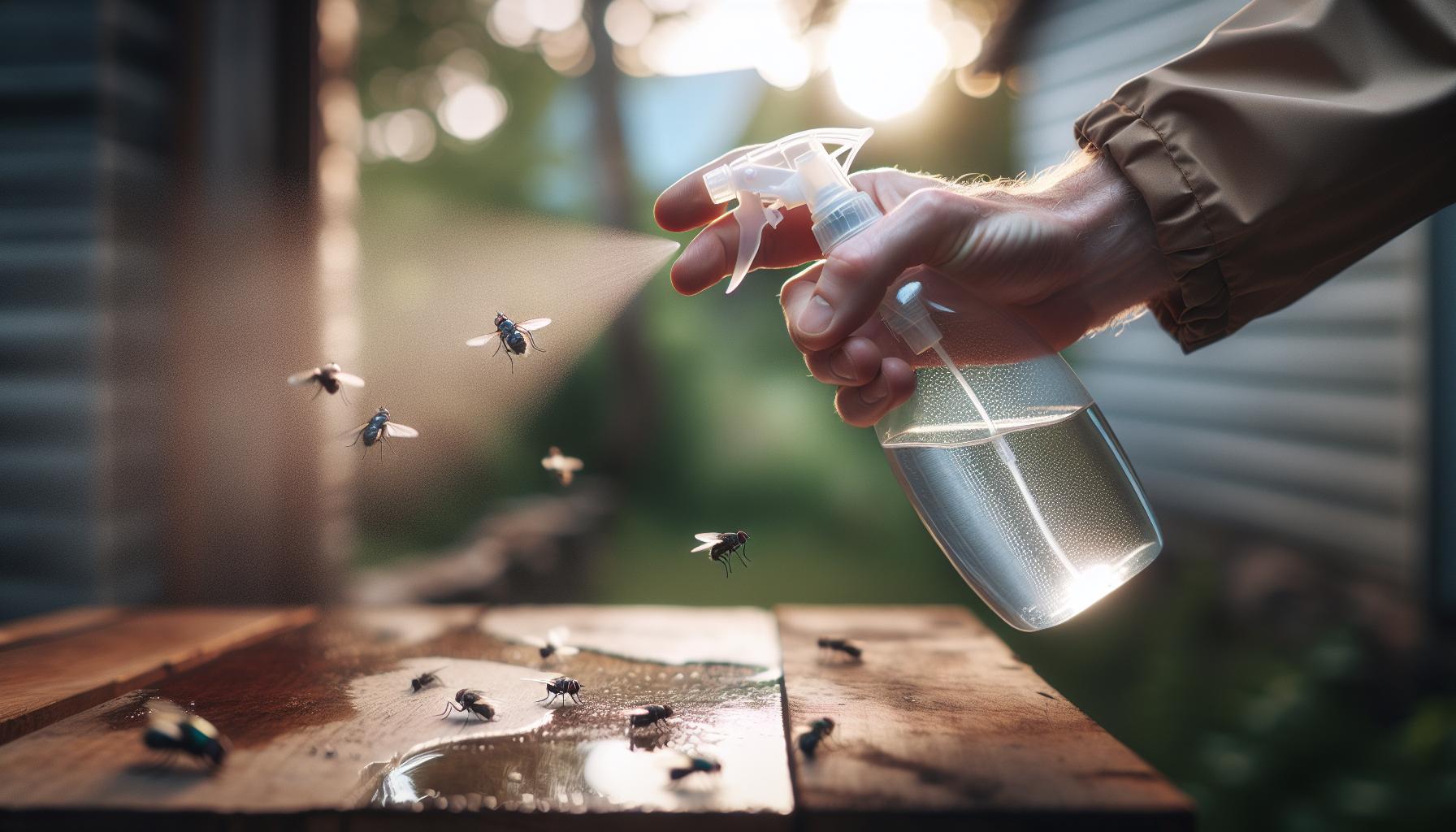
Testing your homemade fly spray is an essential step to ensure it’s working effectively. After all, the last thing you want is to spray a concoction that flies are simply ignoring! Start by applying your fly spray in a space notorious for flies, such as a kitchen or dining area. Watch for about 15 minutes to see how the flies react. If they seem to change their behavior-like moving away or being less active-you know you’re on the right track. A spray that forces them to retreat indicates it’s doing its job.
For a more structured approach, consider creating a test zone. Pick two identical areas: spray one with your DIY solution and leave the other untreated. Observe the fly activity in both spaces over the course of a day. This can help you determine the effectiveness of your spray and allow you to tweak the recipe if needed. Mark your test points and take notes on the number of flies you see before and after spraying to have a clear comparison.
Another fun method is to use a sticky trap nearby. You can place traps in areas where you’ve applied your homemade spray and monitor how many flies get caught versus areas without your homemade spray. If there’s a noticeable decrease in the catch rate near the sprayed area, it’s a strong indicator that your fly spray is working!
Lastly, remember that environmental factors can affect efficacy too. Wind, humidity, and even the type of surface you’re spraying on can influence how well your DIY fly spray performs. Keep a log of your test conditions alongside your observations. The combination of personal insights and consistent testing will help you refine your formula 🔍📝 and boost your bug-fighting confidence! You’ve got this!
Comparing DIY Fly Sprays to Store-Bought Options
When it comes to choosing between homemade fly sprays and their store-bought counterparts, the decision often hinges on several factors including effectiveness, cost, ingredients, and personal values such as sustainability and safety. DIY fly sprays can deliver impressive results with the right natural ingredients, often proving to be just as effective-if not more so-than commercial options. Plus, crafting your own solution allows you to avoid harsh chemicals that can pose risks to your family and pets while also being kinder to the environment.
One major advantage of DIY fly spray is the customization factor. You can tailor your mixture to suit your specific needs or preferences, adjusting the scents and active components. For instance, if you find citronella particularly effective in your home environment, you can increase its concentration or pair it with other essential oils like peppermint or lavender to enhance its efficacy. Store-bought sprays, while convenient, often contain a set list of ingredients that might not align with your personal values or health considerations. Additionally, DIY fly sprays are typically less expensive, allowing you to make larger batches without breaking the bank.
However, it’s essential to consider the potential downsides of DIY solutions. Depending on your skill level and familiarity with natural ingredients, there may be a learning curve when perfecting your recipe. Store-bought sprays have the advantage of being tested for consistent performance and usually come with clear instructions and safety warnings. On the flip side, with DIY options, you have the joy of experimentation, which not only enhances your crafting skills but also connects you to your environment in a meaningful way. Ultimately, whether you choose to create your own fly spray or opt for a store-bought option, know that both paths can lead to effective bug control tailored to fit your lifestyle. You can confidently transform your space into a fly-free haven, no matter which route you take!
Eco-Friendly Practices for Safe Bug Control
Creating your own fly spray can be a delightful way to embrace eco-friendly practices while effectively managing pests. Did you know that many common ingredients used in natural sprays come straight from your kitchen or garden? This means you can effectively repurpose items that would otherwise go to waste while taking a stand against harmful chemicals. Making your bug control personal and sustainable not only protects your family and pets but also supports a healthier planet.
Start by gathering natural ingredients that are known for their insect-repelling properties. For instance, essential oils like lavender, peppermint, and eucalyptus are not only delightful to smell but also effective at keeping flies at bay. To whip up a simple spray, mix these oils with water and a bit of witch hazel or vinegar to enhance potency. Use a dark glass spray bottle to protect the oils from light degradation. Remember to label your concoctions clearly-this adds a touch of elegance and makes it easy to keep track of your creations!
While using natural ingredients is a fantastic start, consider the overall impact of your bug control efforts. Aim to practice minimal waste methods. After you use herbs or essential oils, think about how you can reuse or compost them. For example, leftover herbs can enrich your compost bin or spice up your next meal. Plus, when you store your sprays, try to use reusable containers or repurpose used household products, such as empty spray bottles. This approach champions sustainability in every step of the process.
Sharing these eco-friendly practices doesn’t just stop at DIY sprays; it opens the door for discussions with friends and community members about the benefits of natural solutions. Host a fun bug-repellent crafting party where participants can mix their own sprays using an array of oils, or simply swap recipes! Empower others to take action in their homes, creating a ripple effect of environmentally responsible choices that enhance the health of our communities. You’ve got this-digging into DIY truly transforms the way we tackle pest control!
Troubleshooting Common Issues with DIY Bug Sprays
Creating your own fly spray is an exciting venture, but sometimes things don’t go as planned. Whether the spray isn’t working as effectively as you hoped or you’re noticing unwanted side effects, troubleshooting common issues can help you refine your DIY recipe into a powerful insect deterrent. Let’s dive into some challenges you might encounter and how to overcome them.
One common issue is ineffective repelling. If you find flies are still buzzing around after using your spray, it may be that your oil-to-water ratio isn’t strong enough. A good starting point is using about 10-15 drops of essential oil per ounce of water. If you’ve already mixed your spray but need a boost, simply add a few more drops of essential oil. Additionally, make sure the oils you’re using are known for their insect-repellent properties-oils like citronella, tea tree, or peppermint are great choices. Remember, sprays need to be applied frequently, especially after rain or heavy winds, as natural ingredients can dissipate quickly.
Another issue can be skin irritation or allergic reactions from the essential oils used. Always conduct a patch test before widespread application, especially if you’re using the spray around pets or small children. If you notice any irritation, dilute the spray further with more water or witch hazel. Consider using gentler oils like lavender or chamomile, which are less likely to cause reactions.
Finally, storage can affect the longevity and effectiveness of your spray. Natural ingredients can degrade over time, especially when exposed to light and heat. Store your concoction in a dark glass bottle in a cool, dark place to protect its potency. If you notice a change in color or smell, it’s best to discard the mixture and whip up a fresh batch. Keeping notes on your formulations can also help you track what works best, so you’ll always have a go-to recipe at the ready.
By being mindful of these troubleshooting tips, you’ll enhance your DIY fly spray experience and enjoy the satisfaction of mastering this eco-friendly solution. Remember, every misstep is just another step on your learning journey-embrace the process and keep experimenting!
Essential Oils for Enhanced Bug Protection
Creating a fly spray that effectively wards off pesky insects can be even more successful with the right essential oils. These natural extracts not only enhance the scent of your spray but are also packed with insect-repelling properties. Imagine mingling delightful aromas like lemon or eucalyptus in your home while keeping flies at bay-what’s not to love?
When it comes to choosing essential oils for your DIY fly spray, some stand out for their proven efficacy against flying insects. Here are a few marvelous options to consider:
- Citronella: This oil is a classic choice, known for its ability to deter mosquitoes and flies. It has a fresh, lemony scent that many find appealing.
- Tea Tree Oil: With its strong antibacterial and antiviral properties, tea tree oil is excellent for repelling a variety of insects. Its earthy aroma adds a nice touch to your spray.
- Peppermint: The sharp, stimulating fragrance of peppermint not only freshens the air but also acts as a natural pest deterrent. Its cooling sensation is very pleasant when used in sprays.
- Lavender: Renowned for its calming properties, lavender oil can drive away flies and other pests while providing a soothing scent for your home.
- Eucalyptus: This oil’s strong scent can mask other odors that attract flies, making it a great addition for a more potent mixture.
To incorporate these oils into your fly spray, a good rule of thumb is to use about 10-15 drops of essential oil per ounce of your spray base, which could be water or witch hazel. Mix well, and give it a good shake before each use! Remember, essential oils are potent, so start with smaller amounts and adjust according to your preferences and needs.
It’s also essential to keep safety in mind. Some oils can cause irritation; always do a patch test if you’re applying the spray on your skin, and consider the sensitivity of pets or kids in the vicinity. With these magical natural oils in your DIY arsenal, you can craft a fly spray that not only works wonders but also smells fantastic, bringing joy as you tackle household pests! You can do this-experiment and find the perfect blend that works for you, transforming pest control into a delightful, aromatic experience. Happy crafting!
Storing and Diluting Fly Sprays Safely
To keep your DIY fly spray effective and safe, proper storage and dilution are key. Did you know that the potency of essential oils can diminish when exposed to light and air? This means how and where you store your homemade creations can make all the difference in their effectiveness. Using dark, glass spray bottles is ideal for preserving the integrity of the oils and preventing degradation. Aim for an amber or cobalt blue bottle to protect the contents from UV rays.
When it comes to dilution, achieving the right balance is crucial for both safety and effectiveness. Generally, a good rule is to mix around 10-15 drops of essential oil per ounce of your base-this could be water, witch hazel, or even alcohol. To stay on the safe side, start with a lower concentration and test it out. If you find the spray is less potent than you’d like, you can gradually increase the amount of essential oil in your next batch. Always remember your sensitive companions, like pets and children; adjusting the concentration can lead to a safe solution that works for your household.
In terms of longevity, your spray can typically last for about 1-2 weeks at room temperature, but if you want to extend its shelf life, consider putting it in the fridge. Plus, giving the bottle a gentle shake before use helps recombine any separated ingredients, ensuring it’s ready to tackle those pesky flies. And here’s a pro tip: label your bottles with the date and ingredients used, so you can keep track of your creations and any adjustments you make over time.
Ultimately, you can have fun experimenting with your formulations. Don’t hesitate to try different essential oils or combinations! Each batch can be a new adventure in natural bug control. Just remember: safe storage and proper dilution not only enhance performance but also let you enjoy the process as you craft your homemade fly spray. Happy spraying!
Benefits of DIY Fly Spray Beyond Bug Control
Creating your own fly spray brings with it a world of advantages that stretch beyond mere insect control. One of the first benefits you’ll notice is cost-effectiveness. Store-bought insect sprays often carry a hefty price tag, especially those branded as “natural” or “organic.” By making your own, you can significantly cut down on expenses. Most ingredients can be found in your kitchen or at local health stores, making DIY sprays not just a budget-friendly option but also a fun project for anyone looking to experiment with essential oils and natural remedies.
Moreover, crafting your natural fly spray allows you to customize ingredients to suit your own preferences or sensitivities. Many commercial sprays contain synthetic chemicals that can be harsh or even harmful. When you make your own, you have complete control over what goes into it. This means you can choose allergen-free formulas for households with sensitive individuals or pets, ensuring a safer environment. You can also tailor scents to your liking, combining different essential oils for a pleasant aroma that can double as a home refresher.
Environmental Impact
Using DIY fly spray is also a step towards eco-friendliness. Many commercial products come in non-recyclable packaging and may contribute to chemical pollution in our environment. By opting for homemade solutions in reusable glass bottles, you’re minimizing waste and supporting sustainable practices. Furthermore, essential oils used in DIY sprays, like peppermint or lavender, often have beneficial properties that go beyond repelling flies; they can also enhance air quality or provide calming effects. This adds another layer of value, as your fly spray can contribute positively to your living space.
Another perk of making your own fly spray is the joy of experimentation. Each batch provides an opportunity to mix and match ingredients based on your personal experiences and preferences. If a particular oil works wonders for you, remember to note it down for future batches. This hands-on approach encourages creativity and a sense of ownership over your bug control methods. Plus, sharing your concoctions with friends can spark discussions about natural remedies, creating a sense of community amongst fellow DIY enthusiasts. So, roll up your sleeves and embrace the art of homemade fly spray; you might just find it transforms your approach to natural living!
Homemade Fly Spray Variations to Explore
Exploring different variations of homemade fly spray can turn your bug control efforts from ordinary to extraordinary! Not only can you tailor the sprays to your specific needs and preferences, but you might also discover a blend that works better than anything store-bought. Each variation leverages the natural power of essential oils and other ingredients, enhancing effectiveness while ensuring safety for your environment.
One popular variation includes adding lemon eucalyptus oil, known for its insect-repelling properties. To create this blend, mix equal parts of water and vinegar (an excellent base that flies dislike) and add about 10-15 drops of lemon eucalyptus oil. This mixture can be put into a spray bottle and applied directly to areas where flies tend to congregate. The refreshing scent adds a pleasant touch while keeping those pesky bugs at bay.
Another interesting approach is using witch hazel as your base. It acts as a natural astringent and can help with skin irritations, making your spray beneficial for both repelling insects and soothing minor bugs bites. Combine 1 cup of witch hazel with 15-20 drops of peppermint and lavender essential oils. This fragrant concoction not only repels flies but can also refresh your space with its calming aroma, perfect for outdoor gatherings or indoor use.
For those looking for a stronger deterrent, consider creating a garlic-infused fly spray. Simply blend a whole bulb of garlic with water and let it steep for at least 24 hours. Strain the mixture and pour it into a spray bottle. Flies are known to stay away from garlic’s pungent scent, making this spray a harsh but effective option. You can also add a few drops of essential oils such as tea tree oil for an added punch and beautiful aroma.
Remember to always test your sprays on a small area first, especially if you’re using them on your plants or furniture. With these variations, the possibilities are endless, and you might even inspire friends to join your DIY journey. So get mixing and enjoy the process of crafting your perfect fly repellent!
User Success Stories: Effective DIY Solutions
User success stories showcase how easy and effective creating your own fly spray can be. Many have turned to DIY methods not just for the satisfaction of crafting their own solutions, but also for the noticeable results they achieve-it’s empowering to know that you can tackle pests naturally and safely!
One inspiring example comes from Sarah, a homeowner who lives on a small farm. Battling pesky flies during the summer can be challenging, especially with livestock around. She decided to try a lemon eucalyptus spray after reading about its repellent properties. Mixing one cup of water with one cup of vinegar and 15 drops of lemon eucalyptus oil in a spray bottle, she was thrilled to find it not only worked like a charm but also smelled refreshing. Now, she shares her recipe with neighbors, and they’ve collectively reported significantly fewer flies at their gatherings!
Another story comes from James, a DIY enthusiast who enjoys having friends over for barbecues. With flies always a nuisance during outdoor parties, he whipped up a garlic-infused spray. By blending one bulb of garlic with a quart of water, letting it steep overnight, and straining it into a spray bottle, he created a strong deterrent. After applying it around his outdoor seating area, guests began to notice fewer flying pests buzzing around their plates. James proudly cites that this method not only kept the flies away but also sparked fun conversations about natural pest control among his friends.
These user experiences highlight how effective DIY fly spray can be. The process is simple, with accessible ingredients that many already have at home. Whether you’re looking for something gentle like witch hazel and essential oils or a potent garlic spray, experimenting leads to success stories that inspire others to try their hand at crafting their own bug control solutions. Embrace your inner maker; you can create a natural fly repellent that not only works but also fits your personal style and preferences!
Frequently Asked Questions
Q: What natural ingredients can I use for a DIY fly spray?
A: You can use natural ingredients such as essential oils (like peppermint, lavender, or eucalyptus), vinegar, citronella, and dish soap to create an effective DIY fly spray. These ingredients are safe and help repel flies naturally.
Q: How long does homemade fly spray last?
A: Homemade fly spray can last anywhere from 1 to 2 weeks if stored in the refrigerator. For longer shelf life, consider using preservatives or making smaller batches to ensure freshness and effectiveness.
Q: Can I use fly spray on food plants?
A: It’s essential to avoid using fly spray directly on edible plants. Always check the ingredient safety, and if necessary, apply the spray away from harvesting areas or rinse the plants before use to ensure they’re safe for consumption.
Q: How can I enhance the effectiveness of my DIY fly spray?
A: To enhance effectiveness, use a combination of essential oils and a soap emulsifier to help the spray adhere to surfaces. Regular application and reapplication after rain or extensive use will also maximize its effectiveness.
Q: Is DIY fly spray safe for pets and children?
A: Yes, if made with non-toxic, natural ingredients, DIY fly sprays are generally safe for pets and children. However, always test a small area before widespread application and supervise pets during use to ensure safety.
Q: How do I test my DIY fly spray for effectiveness?
A: To test your DIY fly spray, apply it in a targeted area and observe the fly activity over a few hours. If flies are noticeably repelled, your spray is effective. Make adjustments to the recipe if necessary for better results.
Q: Where should I store my homemade fly spray?
A: Store your homemade fly spray in a cool, dark place, ideally in a glass or dark plastic container to preserve the potency of natural ingredients. Refrigeration is recommended for longer shelf life.
Q: Can I mix different essential oils in my fly spray?
A: Absolutely! Mixing different essential oils like lemongrass, tea tree, and lavender can create a more attractive scent while enhancing the repellent effect. Experiment to find the blend that works best for you!
In Retrospect
Congratulations on taking the first step towards creating your own natural fly spray! By using simple, readily available ingredients, you can protect your space from pesky bugs without relying on harsh chemicals. Remember, with just a few easy steps, you can make a solution that is both effective and safe for your family and pets. Now that you’ve mastered this DIY fly spray, consider exploring other natural remedies like our guides on Homemade Mosquito Repellent or All-Natural Ant Barriers to keep your home bug-free.
Don’t let the flies win! Take action today by making your first batch. If you have questions or want to share your results, drop a comment below-we’d love to hear from you! Plus, sign up for our newsletter to receive tips, new recipes, and exclusive DIY projects straight to your inbox. Every time you craft something yourself, you’re not just creating; you’re building a healthier environment for you and your loved ones. Happy crafting!
Get our latest guides, news, and insights highlighted in your Google Search & AI Overviews.