
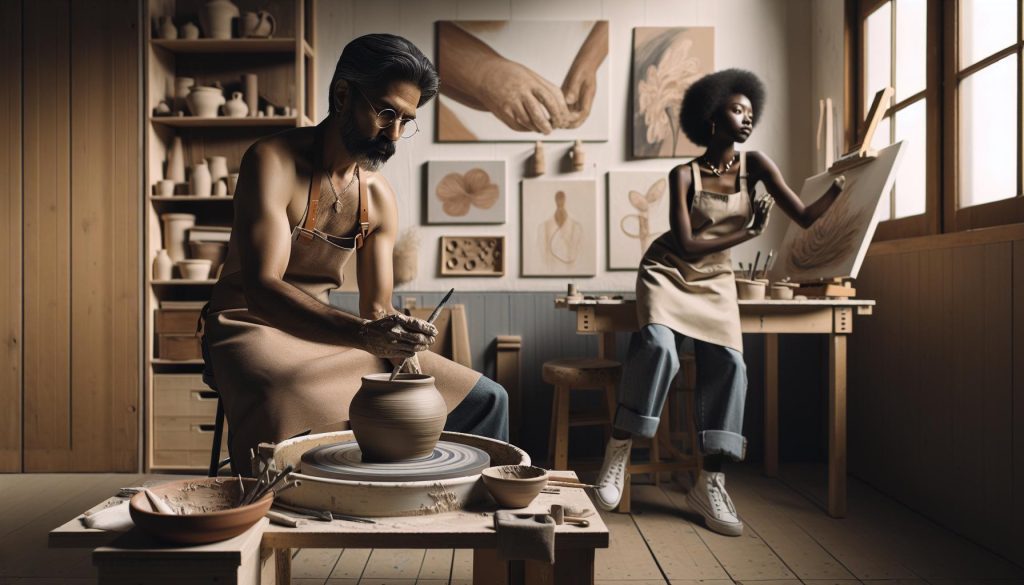
Have you ever wondered why some creations are classified as art while others fall into the realm of craft? This distinction can shape how we appreciate and engage with various forms of creativity. At its core, art is often seen as a medium for expression and thought, whereas craft emphasizes skill and functionality. Understanding the difference can enhance your appreciation for both, sparking your creativity in various projects. Whether you’re a budding artist or a passionate crafter, grasping these concepts is key to exploring your creative journey. Dive in with us as we unpack the nuances between art and craft, helping you connect more deeply with the joys of making and creating!
What Defines Art and Craft: Key Characteristics
Art and craft are two realms that, while often overlapping, have distinct characteristics that set them apart. Art is typically driven by personal expression and innovation, focusing on evoking emotions or provoking thought. It encompasses a wide range of mediums such as painting, sculpture, and performance, often emphasizing aesthetics over functionality. On the other hand, craft tends to be more utilitarian, rooted in skill and technique. Craft involves the creation of functional objects, often with the intention of making something valuable or useful, such as pottery, knitting, or woodworking. The key lies in the intention: art seeks to express ideas and feelings, while craft aims to produce tangible items that can be used or appreciated in everyday life.
To further explore these definitions, consider the materials involved. Art is frequently created with the aim of pushing boundaries, using various media that may include unconventional materials. For instance, street art often utilizes spray paint and found objects to transform public spaces into canvases of personal and political expression. In contrast, craft uses specific materials chosen for their practical properties. For example, a skilled woodworker might choose oak for its durability and beauty when creating furniture. While both realms celebrate creativity and making, the paths they take – the motivations behind the work and the materials chosen – often differ significantly.
The emotional and cultural context also plays a crucial role in distinguishing art from craft. Art is often influenced by the artist’s personal experiences and the socio-political landscape, inviting viewers to engage with the work on both aesthetic and intellectual levels. For instance, pieces created during specific historical moments may comment on the conditions of that time, fostering a deeper connection with the audience. Craft, however, heavily reflects the traditions and skills passed down through generations, often highlighting cultural heritage. A handmade quilt can represent not only the maker’s skill but also the community’s values and stories woven into each stitch. Thus, one can see that while art tends to focus on individual expression, craft embodies collective cultural narratives.
Overall, whether you’re creating a stunning painting or a beautiful handmade vase, both art and craft provide profound avenues for exploration, self-expression, and connection to the world around us – and the best part? You can dive into either realm, regardless of your skill level, and discover the joy of creating something uniquely yours.
The Historical Evolution of Art and Craft
Throughout history, the evolution of art and craft has been as dynamic as the cultures that shaped them. From ancient civilizations to modern-day practices, the lines between art and craft have blurred, yet they maintain distinct identities rooted in purpose and expression. How did we arrive at this complex relationship? Let’s break it down.
In ancient times, art and craft were often inseparable. The production of functional objects such as pottery or textiles was not merely a craft; it was a means of expression and cultural storytelling. Early pottery, adorned with intricate designs, illustrated not just utility but also aesthetic sensibilities. Craftsmen were revered for their skills, often working within communal settings where knowledge and techniques were passed down through generations. This tradition continues today, as seen in community workshops where artisans share their expertise, making art and craft a collective experience.
As society progressed, particularly during the Renaissance, the distinction between art and craft became clearer. Artists began to gain individual recognition, and fine art emerged as a field defined by personal expression and innovation. The period emphasized the concept of the “artist” as a visionary, creating works that were often separated from daily life and utility. Meanwhile, crafts remained linked to functionality, with artisans focused on producing goods that satisfied practical needs without the same emphasis on individual expression.
Today, the resurgence of interest in handmade and artisanal products signifies a renewed appreciation for the craft, blending it with the tenets of fine art. Projects like DIY home decor not only beautify spaces but also reflect personal style, revealing how traditional crafts can evolve while still holding value in a contemporary context. Whether you’re learning pottery or weaving, embracing skillful making fosters a connection to both the historical practices of artisans and the modern interpretations of art.
By understanding this historical backdrop, you can appreciate your creative endeavors more deeply. Art and craft are not merely about the final product but about the journey of creation. So, roll up your sleeves, whether you’re diving into painting or trying your hand at pottery. Remember, with each stroke or stitch, you’re partaking in an age-old tradition of making-something uniquely yours!
Exploring Different Mediums: Art vs. Craft
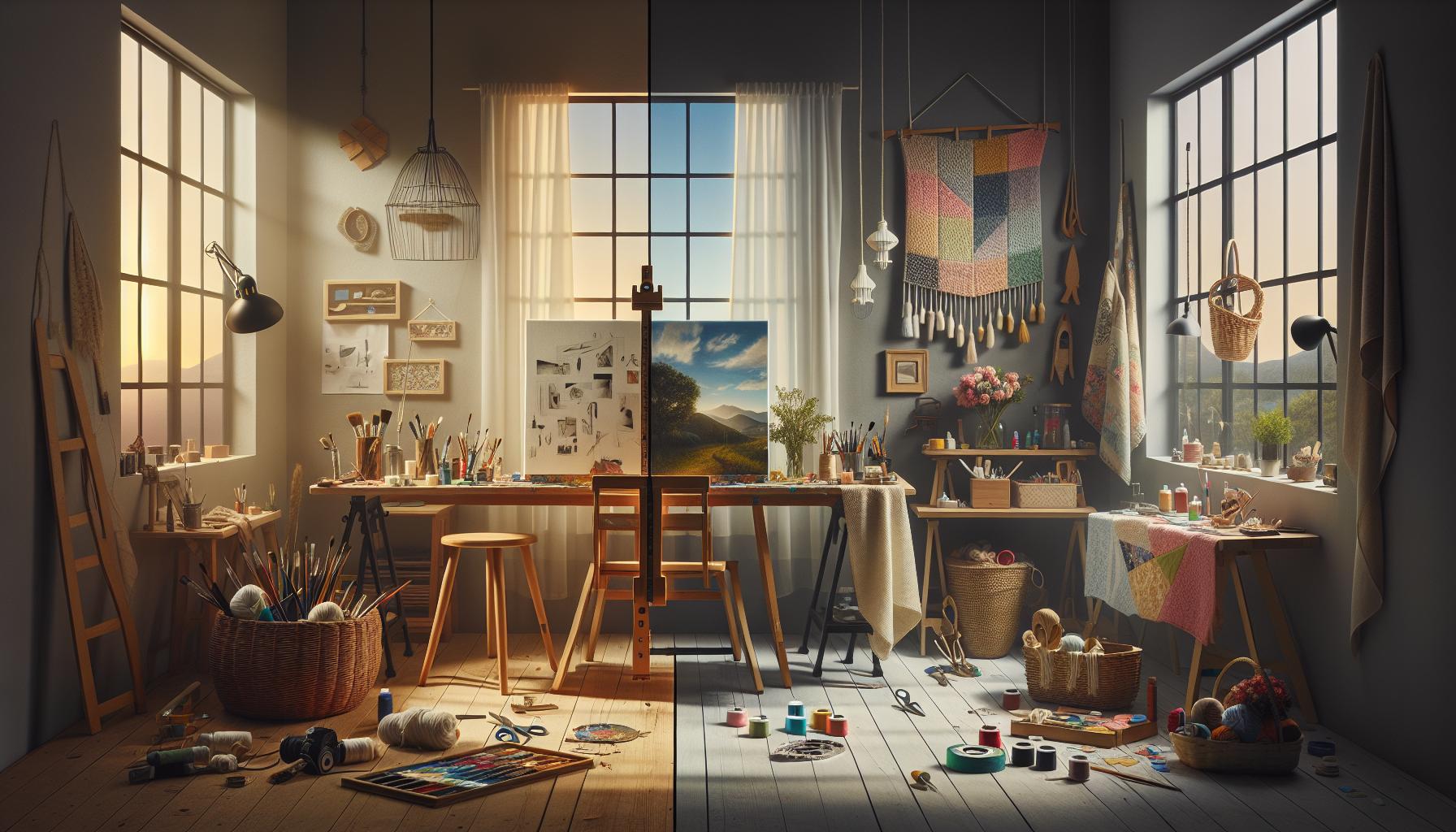
Exploring different mediums opens up a world of creativity, and understanding the distinctions between art and craft is key to unlocking your potential as a maker. Art typically emphasizes personal expression, emotional depth, and aesthetic innovation, while craft often focuses on skill, functionality, and the mastery of techniques. But don’t let these definitions box you in! Many projects blur the lines, allowing you to experiment and embrace both realms.
When diving into art, think about mediums like painting, sculpture, or digital design. Each presents its own challenges and opportunities for expression. For instance, if you’re painting with acrylics, you might be captivated by their vibrant colors and quick drying time, which allows for layering techniques that enhance depth and texture in your work. There’s no wrong way to express yourself! With just a few brushes and a canvas, you can explore abstract expressions, landscapes, or even portraiture. And remember, art doesn’t have to be perfect; it’s about conveying emotion and ideas.
On the craft side, mediums like knitting, pottery, or woodworking bring a different satisfaction. The beauty of craft lies in creating tangible, functional items-from cozy scarves to sturdy furniture. For example, if you’re new to crochet, start with a simple pattern for a dishcloth. Gather your materials: cotton yarn, a hook, and a pair of scissors. Here’s a quick guide:
- Chain 30 (or desired size).
- Make double crochets in the third chain from the hook.
- Continue across, turning at the end of each row until the square is complete.
Crafting can be meditative and fulfilling, allowing you to see your skills improve with each project. Plus, it’s rewarding to create something that serves a purpose or can be gifted to others.
No matter your choice of medium, the journey of creation is where the real joy lies. Embrace experimentation, and don’t be afraid to meld techniques from both art and craft. Maybe you’ll paint on handmade pottery or incorporate textiles into a painting. The possibilities are endless, and with a supportive community cheering you on, you’ll find that exploring these mediums can lead to wonderful, unexpected creations!
Understanding Skill Levels: Beginner to Expert

As you embark on your creative journey, it’s essential to recognize that skill levels in art and craft are as diverse as the creations themselves. Whether you’re picking up a brush for the first time or refining your technique after years of practice, every maker starts somewhere. The beauty of this journey is that it’s filled with opportunities to grow, experiment, and celebrate the joy of making things yourself.
Beginner Wisdom
For those just starting out, the world of art and craft can be a bit overwhelming. But don’t be intimidated! Focus on simple projects that allow you to grasp the basic techniques. If you’re curious about painting, start with a basic acrylic painting. Grab some acrylic paints, a few brushes, and a canvas. Begin with a simple landscape: Paint the sky a broad wash of blue, then add green for the hills. Not only will you enjoy the process, but you’ll also see immediate results that will fuel your motivation to continue.
In craft, something like knitting a scarf is excellent for beginners. All you need is yarn and knitting needles. Start with a simple garter stitch by knitting every row. As you master that basic stitch, you can begin to explore new patterns and techniques, gradually increasing the complexity of your projects.
Intermediate Exploration
Once you’re comfortable with the basics, it’s time to dive deeper! Intermediate crafters and artists should challenge themselves with projects that push their skills. Try layering techniques in painting, where you add colors in multiple layers to create depth. For instance, after your base layer dries, you can apply a lighter shade to the top to highlight areas, creating dimension.
In terms of crafting, consider taking on a DIY home decor project, like creating a decorative wooden sign. This project will involve measuring, cutting, and painting, giving you a chance to utilize various skills. You can find templates online or create your own design, which allows for personal expression while honing your craftsmanship.
Advanced Mastery
For those at an advanced level, the focus should shift towards personal style and innovation. Here, the challenge lies in pushing the boundaries of your medium. As an advanced painter, you might experiment with mixed media, combining acrylics with collage elements. This not only showcases your skills but also allows for unique artistic expression.
Craft-wise, consider starting a small business to sell your handmade items. This could involve creating intricate jewelry or high-quality home goods. Running your own shop isn’t just about the craft; it’s also an opportunity to learn essential skills like marketing and customer service-valuable lessons that enhance your craft journey.
No matter your skill level, remember that each project is a stepping stone to improvement. Celebrate the progress you make along the way! Embrace mistakes as part of the learning process, and most importantly, enjoy every moment spent creating. You can do this, and the community of makers is here to support you every step of the way!
The Role of Intent: Creating vs. Crafting
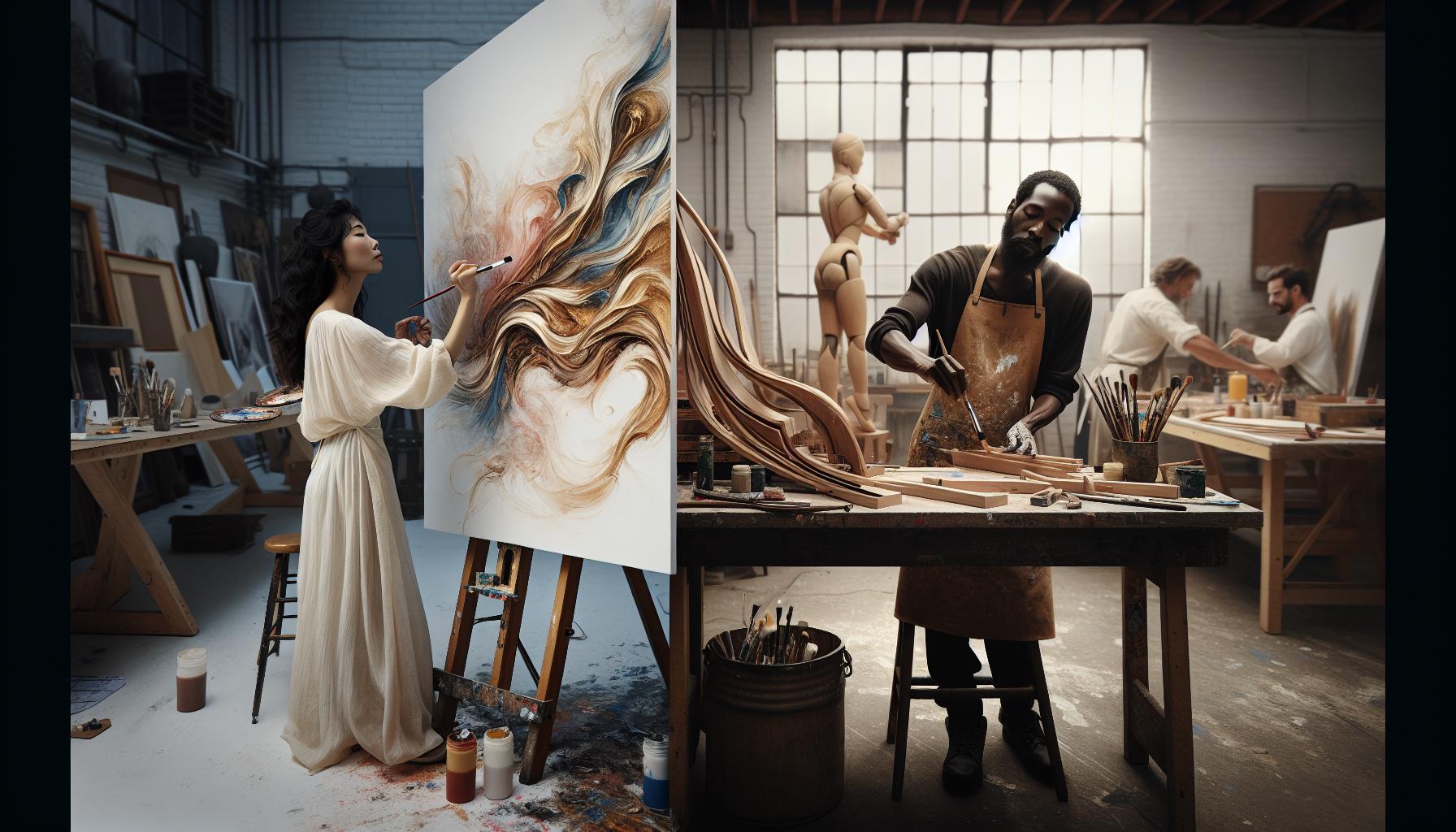
When diving into the world of art and craft, one of the most significant factors that separates the two practices is the intention behind the creation. This intent shapes not only the process but also the final product. Artists often set out to express emotions, ideas, or commentary on the world around them, while crafters may focus more on the functionality, aesthetics, or personal satisfaction derived from making something tangible. Understanding this difference can deepen your appreciation for both disciplines and enhance your approach to your own projects.
Consider a painter who meticulously chooses colors and techniques to convey a specific feeling or tell a story. This intent to evoke an emotional response transforms the act of painting from mere application of pigments to an expressive dialogue between the artist and the viewer. On the other hand, a crafter making a quilt might have the primary goal of creating a warm, functional piece for a home. The joy of crafting often lies in the process and the practicality of the end result, with intent focused on utility and personal connection rather than emotional expression alone.
Balancing Intent in Your Projects
As you embark on your creative journey, reflect on your own intent for each project. Starting with a clear idea of what you hope to achieve can significantly affect your process. Ask yourself:
- What emotion or message do I want to express?
- Is my goal to create something that is functional, decorative, or both?
- Am I seeking personal fulfillment, or do I want to share my work with others?
These questions can guide you through both artistic and crafting endeavors. For instance, if you’re painting a mural, envision what statement it will make in your community. If you’re knitting a sweater, consider the recipient’s style and needs. By aligning your intent with your actions, you’ll find more joy and satisfaction in your creative pursuits.
Regardless of whether you identify more with art or craft, remember that both practices are valuable paths of self-expression. Embrace your intention, experiment freely, and don’t hesitate to blend the boundaries-after all, creativity often thrives in the spaces where these two worlds collide. You can do this, and with every project, you’re not just making something; you’re adding your unique voice to the tapestry of art and craft.
How Cultural Context Influences Art and Craft
Cultural context plays a pivotal role in shaping both art and craft, influencing the themes, techniques, and materials used by creators. Every society has its own traditions, values, and historical narratives that inform how individuals engage in artistic expression or crafting. For example, Indigenous cultures often incorporate local materials and symbolism into their craft, resulting in unique textiles, pottery, and jewelry that tell stories of heritage and identity. When you look at the intricate beadwork of Native American artisans or the vibrant patterns of West African textiles, you’re not just seeing craftsmanship-you’re witnessing a rich history and cultural significance embedded in each piece.
This cultural backdrop also affects the tools and methods used in creating art and craft. For instance, in Japan, the art of ceramics is deeply rooted in the principles of harmony and simplicity, leading to designs like Raku, which come with both aesthetic and spiritual considerations. On the other hand, contemporary urban artists often draw from graffiti culture, using spray paint not just to beautify spaces but to claim social and political narratives. Understanding these contexts adds depth to our appreciation of what we see; it transforms a pretty piece of pottery into a conversational entry point into a culture’s story.
Moreover, the accessibility and availability of materials influenced by geography and resources contribute to the diversity of artistic expressions. In areas where certain materials are abundant, you might find that the craft evolves to adapt to what is available locally. For example, Scandinavian artisans might use woodwork techniques developed over centuries, while craftsmen from arid regions may use clay and textiles that reflect desert conditions. As you explore different cultural crafts, consider how these elements come together in your own projects.
Being aware of your own cultural context can enrich your crafting and artistic pursuits. When creating something, ask yourself what stories or traditions you want to weave into your work. You can bring elements of your cultural heritage into your crafts, or even mix them with influences from other cultures you admire. This blend can result in unique pieces that reflect a diverse creative vision, making your art or craft not only a personal expression but also a celebration of the cultural tapestry that surrounds us. Remember, you can do this-your individual voice contributes to the broader conversation of art and craft, allowing you to honor traditions while innovating anew.
The Emotional Impact of Art Versus Craft
Creating something with your own hands can evoke a powerful emotional response, whether you identify more with art or craft. The emotional impact of these two practices is unique, shaped by intent, execution, and viewer interaction. Art often seeks to express deep emotions or provoke thought, while craft may bring joy and satisfaction through tangible creation and utility.
Art typically tells a story or conveys complex feelings, inviting viewers into the artist’s innermost thoughts. For example, consider a striking painting that evokes feelings of sadness or joy. Viewers may connect with that emotion on a personal level, leading to a sense of shared experience. The artist’s intention is often to resonate emotionally, spark discussions, or challenge perceptions. When you create art, you’re tapping into something profound and personal that can leave a lasting impact on others.
On the other hand, crafting often centers around the joy of creation and the tactile experience involved. Think about the simple pleasure of knitting a scarf. Each stitch carries a sense of accomplishment, and the finished piece becomes a gift filled with care. This emotional satisfaction comes not just from the object itself but from the process-selecting colors, choosing patterns, and dedicating time to make something special. Crafting can also foster community, whether through shared projects, workshops, or online groups where makers celebrate each other’s work.
Both art and craft hold distinct emotional values; understanding what drives you can elevate your creative process. Whether you gravitate towards the expressive methods of art or the fulfilling nature of craft, embracing your journey is essential. Remember, you can create with emotion, skill, and love-regardless of the label you choose to define your work. Dive in, enjoy the process, and find joy in the emotional connection your creations bring to both you and others.
Commercial Value: Art as Investment vs. Craft as Utility
Art and craft serve distinct yet intertwined roles in our cultural landscape, especially when we consider their commercial value. While art often transcends the boundaries of mere aesthetics to become an investment opportunity, craft is more frequently viewed through the lens of utility and personal expression. This creates a dynamic conversation about the worth of human creativity in both personal and financial terms.
When it comes to art, its commercial value is often tied to factors such as the creator’s reputation, rarity, and potential for appreciation over time. Art buyers tend to look for pieces that will not only enhance their living spaces but could also yield a return on investment. This was evident during a recent auction where a painting sold for millions, underscoring how collectors view certain works as financial assets in addition to cherished items. If you’re thinking of purchasing art, consider factors like provenance (the artwork’s history of ownership), market trends, and how the piece resonates with you personally.
In contrast, craft typically emphasizes function and personal fulfillment. Craft items like handmade pottery or knitted goods may not have the same investment potential but offer significant value in everyday life. They bring joy through their practical use or as heartfelt gifts, making them highly valued in a different context. Many crafters find joy in selling their creations at local craft fairs or through online platforms. If you’re interested in selling your crafts, focus on quality, story, and connection with your audience. Whether it’s a beautifully knit scarf or a uniquely designed wooden toy, share the inspiration behind each piece, and you’ll likely find a market that connects with your work.
Ultimately, both art and craft hold valuable places in our lives. Art invites us to consider, reflect, and invest while craft encourages us to create, share, and utilize. Embrace what you love – whether it’s creating a stunning painting or crafting a functional piece out of wood – and remember, your creativity has immense value, both personally and commercially.
Blurring the Lines: Contemporary Trends in Art and Craft
The lines between art and craft are blurrier than ever, streaming into a colorful fusion that celebrates creativity without strict boundaries. Today, you might find a painter incorporating textile elements into their canvas or a potter designing functional pieces that double as artistic installations. This evolving landscape invites all creators-whether you wield a knitting needle or a paintbrush-to explore hybrid approaches that reflect personal style and innovation.
Contemporary trends often highlight this blending, showcasing artists who harness traditional crafting techniques within fine art contexts. Think about artists like Nick Cave, whose “Soundsuits” combine sculpture, fashion, and performance, transforming everyday materials into provocative statements. Similarly, the rise of mixed media art allows for an imaginative interplay of craft techniques-beyond just paint and canvas, fibers, ceramics, and found objects create multi-dimensional experiences. This is your opportunity to think outside the box!
If you’re feeling inspired to bridge these worlds, start by experimenting with projects that mix mediums. Here’s a quick guide to help you dive in:
- Project Idea: Create a mixed media wall hanging.
- Materials: Canvas, yarn, fabric scraps, beads, paint.
- Difficulty: Beginner to intermediate.
- Time: 2-4 hours, depending on drying time.
Steps to Create Your Own Mixed Media Piece
- Prepare Your Base: Start with a canvas or sturdy cardboard. Paint it to set the background color.
- Layer Textiles: Cut fabric scraps into interesting shapes and glue them onto the base. Mix textures for an appealing visual effect.
- Add Decorative Elements: Use yarn or twine to create patterns or shapes. You can even stitch if you feel adventurous!
- Finish with Details: Embellish with beads, buttons, or any found objects to add extra depth and personality.
This approach not only fosters creativity but also builds confidence. Remember, it’s not about precision; it’s about expression. Celebrate the imperfections; after all, that’s what makes your creation uniquely yours!
As you explore these contemporary trends, embrace the joy of making. Whether you classify yourself as an artist or a crafter, this vibrant interplay can enhance your creative journey. Trust in your ability to blend techniques and mediums-by doing so, you expand the horizons of what you can create!
Practice and Technique: Mastering Your Chosen Medium
To truly master your chosen medium, whether it’s painting, knitting, or pottery, it’s crucial to embrace both practice and the joy of experimentation. Each medium has its unique attributes and challenges, but with commitment and curiosity, you can cultivate your skills and inventiveness. The best part? You can start right away with simple projects that suit your current level, while also allowing room for growth as you gain confidence.
Let’s take painting as an example. This medium can range from traditional oil techniques to vibrant watercolors. A perfect beginner project is creating a simple landscape. Gather your supplies-watercolor paints, brushes, and thick paper. Most importantly, don’t fret if it doesn’t look perfect on your first try. Here’s a quick outline to help you create your landscape masterpiece:
Watercolor Landscape Project
- Difficulty: Beginner
- Materials: Watercolor paints, brushes, thick paper, water cup, paper towels
- Time: 1-2 hours depending on drying time
Steps to Create Your Landscape
- Choose Your Scene: Look outside or find a photo for inspiration. It can be mountains, a beach, or a simple field.
- Sketch Lightly: Use a pencil to outline your basic shapes. Don’t worry about details yet; focus on the major areas.
- Start with Washes: Wet your brush, pick your colors, and apply a wash to your sky. Go light; you can always add more later!
- Add Layers: Once the background is dry, build up colors for the foreground. Use different brushes for texture.
- Final Touches: Add details to your landscape after everything is dry, like highlights or shadows to give depth.
With every brush stroke, you not only learn about color and technique but also about your artistic voice. Remember, there’s no rush; the joy is in the making. Even a simple project like this can help you figure out what techniques you enjoy the most or where you’d like to improve.
The same foundational approach works for any medium-be it crochet, woodworking, or digital art. By setting achievable goals and enjoying the process, you turn potential frustrations into moments of learning and growth. Don’t hesitate to try new things; some of the best techniques often come from happy accidents or from blending approaches. Don’t forget: you can absolutely do this! Each project, no matter how small, contributes to your mastery and expands your creative horizons.
Art and Craft in Education: Learning and Development
Engaging with art and craft in an educational setting opens doors to creativity, critical thinking, and personal expression. Introducing children and adults alike to the world of making empowers them to connect with their inner creativity and develop valuable skills. Whether in a classroom, community center, or at home, embracing the joy of creation fosters a love for learning that lasts a lifetime. The beauty of arts and crafts education lies in its ability to cater to all skill levels, making it ideal for anyone looking to explore their creative potential.
When it comes to practical projects, consider starting with simple activities that build confidence. For example, a beginner-friendly sewing project can be making a fabric bookmark. It requires basic sewing skills and introduces concepts such as measuring, cutting fabric, and using a sewing machine. Here’s how you can get started:
Fabric Bookmark Project
- Difficulty: Beginner
- Materials: Fabric scraps, scissors, sewing machine or needle and thread, ruler, pins
- Time: 1 hour
Steps to Create Your Bookmark
- Choose Your Fabric: Select two contrasting pieces of fabric, about 2 inches by 6 inches each.
- Prepare the Pieces: Place the fabric pieces right sides together and pin them to secure.
- Sewing: Sew around the edges, leaving a small opening to turn it inside out.
- Turn It: Carefully pull the fabric through the opening so the right side is out.
- Final Touch: Iron it flat and sew the opening closed. You can also add decorative stitches or embellishments!
This project not only teaches basic sewing techniques but also nurtures problem-solving skills and encourages students to express their styles. By gradually increasing project complexity, educators can guide learners from simple tasks to more intricate crafts, like quilting or making garments, aligning with the notion that every creative journey starts with a single step.
Integrating art and craft into education promotes holistic development-students learn patience, precision, and innovation while gaining confidence in their abilities. Encouragement during the learning process is key. Remind them, “You can do this!” Each completed project contributes to a greater understanding of artistic concepts and techniques, allowing individuals to discover their unique voices in the world of creativity. So grab your supplies and let the adventure begin!
Personal Expression: Finding Your Unique Voice in Art and Craft
Finding your unique voice in art and craft is like embarking on a thrilling adventure. It offers a gateway to deep personal expression that can be both fulfilling and empowering. Each time you create, whether it’s a vibrant painting or an intricately woven tapestry, you’re not just making something; you’re sharing a piece of who you are with the world. This personal connection makes your work more authentic and meaningful.
To help you discover this voice, start by experimenting with various mediums and techniques. Try your hand at painting, sculpting, or crafting with textiles-whatever sparks your interest! Gather materials that resonate with you, such as colorful fabrics, diverse paint palettes, or natural finds from a walk in the park. As you create, pay attention to what excites you. Perhaps it’s the fluidity of paint across a canvas or the texture of clay in your hands. The more you explore, the clearer your preferences and voice will become.
Your unique style will evolve as you engage with different projects, but it’s also shaped by your experiences and emotions. Incorporate elements of your life into your creations-be it your favorite colors, themes that resonate with you, or methods you find exciting. If you’re feeling joyful, let that energy infuse your work. If you’re processing a challenging experience, use your craft as a therapeutic outlet. Remember, every masterpiece begins with a single stroke, so don’t hesitate to dive in and express yourself!
Finally, share your creations! Whether through social media, local craft fairs, or galleries, letting others see your work can enrich the journey of self-discovery. Feedback can be invaluable, not only for growth but also for connecting with a community of like-minded creators. Celebrate every milestone-big or small-along your creative path and remember, “You can do this!” Your personal voice will blossom with practice, patience, and a touch of courage. So grab your tools and unleash your creativity-your unique artistic journey awaits!
Frequently Asked Questions
Q: What are the main differences between art and craft?
A: The main differences lie in intent and purpose. Art is typically created for aesthetic appreciation or to convey emotions, while craft focuses on creating functional items. Additionally, art often encourages individual expression, whereas craft skills are often perfected through repetitive techniques.
Q: Can art and craft overlap in practice?
A: Yes, they can overlap significantly. Many contemporary artists incorporate craft techniques in their work, using traditional material handling to create unique art pieces. This blurring of boundaries allows for diverse expression and challenges the definitions of both art and craft.
Q: How does cultural context influence art and craft?
A: Cultural context plays a vital role in shaping both art and craft. It influences themes, techniques, and materials used, reflecting societal values and traditions. Understanding these contexts can enhance appreciation of the nuances between artistic and crafted creations in different cultures.
Q: Why is skill level important in distinguishing art from craft?
A: Skill level can help differentiate the two, as crafts often require honed techniques and precision for functionality. While art can also require skill, it may prioritize innovative techniques and creative expression over specific craftsmanship.
Q: What role does commercial value play in differentiating art from craft?
A: The commercial value often distinguishes art from craft. Art is frequently seen as an investment item, fetching high prices at galleries, while crafts are generally valued for their utility and mass production potential, often being sold at lower price points.
Q: How does intent impact the creation of art versus craft?
A: Intent is crucial; artists create primarily to express ideas or emotions, while crafters aim to produce usable items. This difference in purpose can lead to variations in approach, whether in technique or material choice, influencing the final product.
Q: What historical developments have influenced art and craft?
A: Historically, art and craft have developed in tandem, with movements like the Arts and Crafts Movement advocating for the merging of fine arts and crafts. Such developments highlight changing societal values that affect how we perceive and categorize creations over time.
Q: How can one enhance their skills in both art and craft?
A: To enhance skills in both areas, engage in ongoing practice and education. Consider workshops or online courses that focus on specific techniques relevant to your interests, whether it’s painting for art or knitting for craft. These learning opportunities can help refine your abilities and expand your creativity.
In Summary
As we wrap up our exploration of the differences between art and craft, it’s clear that both hold unique value and are deeply intertwined in our creative journeys. Remember, whether you’re sketching a masterpiece or crafting a functional piece, every creation is a form of expression that reflects your individuality. If you’re eager to dive deeper, check out our articles on the Top 10 Beginner Art Projects and the Essential Tools for Crafting to spark your next idea!
Ready to start making? Don’t hesitate! Gather your materials and embrace the joy of creating. Share your projects with us in the comments or join our community for more inspiration. By signing up for our newsletter, you’ll receive tips straight to your inbox to help keep your creative fire burning. Let’s keep the creativity flowing-your next project awaits!
Get our latest guides, news, and insights highlighted in your Google Search & AI Overviews.