

Are you dreaming of a sleek, modern deck without the hassle of complex renovations? DIY cable railing is your perfect solution! This stylish upgrade not only enhances your outdoor space but also maximizes your view while ensuring safety and stability. With the right materials and a little elbow grease, you can transform your deck into a beautiful retreat that reflects your personal style.
Whether you’re an experienced DIYer or just starting out, this project is both manageable and rewarding. In this guide, we’ll walk you through the essential steps, from gathering your materials to installing your cable railing system. With a bit of creativity and patience, you’ll soon see that achieving a contemporary look is well within your reach. Let’s dive in and discover just how simple your deck upgrade can be!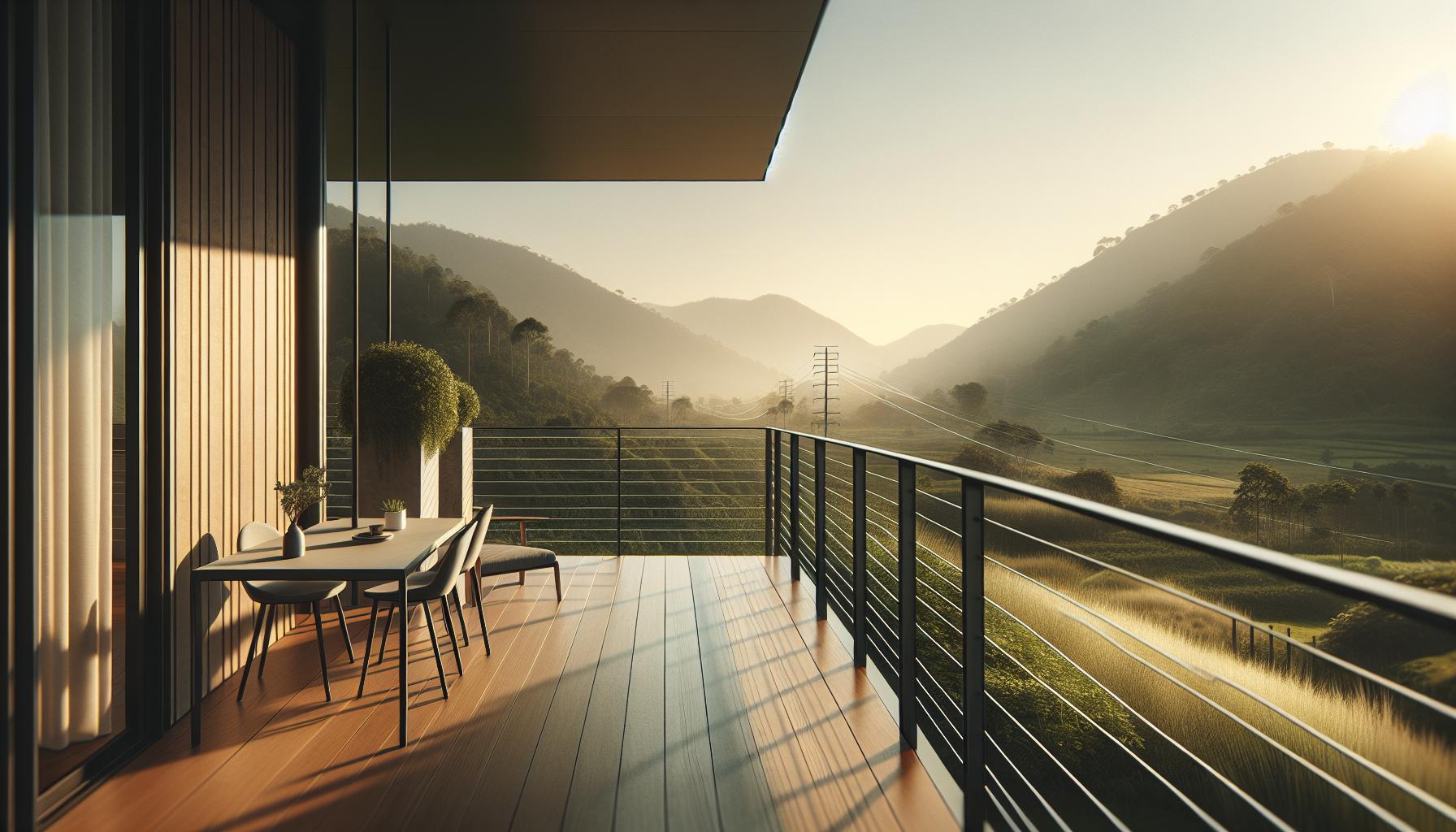
Understanding Cable Railing: Why It’s a Great Choice
Cable railing is quickly becoming a popular choice for homeowners looking to enhance their outdoor spaces with a modern touch. The sleek and minimalist design not only elevates the aesthetic appeal of your deck or patio but also provides an unobstructed view of your surroundings. Imagine sipping your morning coffee while enjoying a clear line of sight to your garden or lake – that’s the magic of cable railings! With their combination of safety and style, cable railings are a fantastic alternative to traditional wood railings.
One of the standout features of cable railings is their versatility. They can be installed in various environments, whether you’re updating a rustic cabin deck or a chic urban balcony. Made from durable materials like high-tensile stainless steel, these railings are built to withstand the elements while requiring minimal maintenance. Plus, they can be customized to fit any space, allowing you to choose from different finishes, cable spacing, and post styles that blend seamlessly with your decor.
Furthermore, the installation process is relatively straightforward, making it an achievable DIY project for those willing to roll up their sleeves. With the right tools and materials, you can transform your outdoor area into a modern haven without hiring costly contractors. This hands-on project is not only gratifying but also a perfect way to boost your home’s value and appeal. So, gather your materials, and get ready to embrace your inner maker! You can do this, and the results will be well worth your effort!
Essential Tools and Materials for DIY Cable Railing
To launch your DIY cable railing project successfully, gathering the right tools and materials is essential. Think of these components as the ingredients for a delicious dish-the better your ingredients, the more satisfying your outcome! You don’t need to be a seasoned builder to tackle this project; with a bit of preparation, you can enhance your outdoor space with confidence.
Essential Tools
Here’s what you’ll need to roll up your sleeves and start working on your cable railing:
- Measuring Tape: Accuracy is key when measuring your space for posts and cable.
- Level: Ensure that your railings are perfectly horizontal. A misaligned railing can be a major eyesore!
- Drill: You’ll need a power drill for creating holes for your posts and anchors.
- Wrench Set: For tightening cable fittings securely.
- Wire Cutters: Essential for cutting through the cable to your desired length.
- Safety Glasses and Gloves: Protect your eyes and hands as you work.
Key Materials
Now that you have your tools ready, let’s talk about the materials that will transform your vision into reality:
- Cable: Typically made from stainless steel, choose the correct diameter based on your design.
- Posts: These can be wood, metal, or composite. Select materials that complement your home’s aesthetics.
- Terminals and Fittings: These are necessary for securing the cable ends to the posts. Look for high-quality options that will withstand the elements.
- Post Caps: Add a finishing touch to your posts while also protecting them from weather damage.
- Concrete Mix (if necessary): If you’re installing posts directly into the ground, concrete will provide a strong base.
Before you start, take a moment to visualize your completed project. You can do this! Picture yourself enjoying the view from your deck once the cable railings are in place. By ensuring you have these essential tools and materials at hand, you’re setting yourself up for a rewarding and enjoyable DIY experience. Happy building!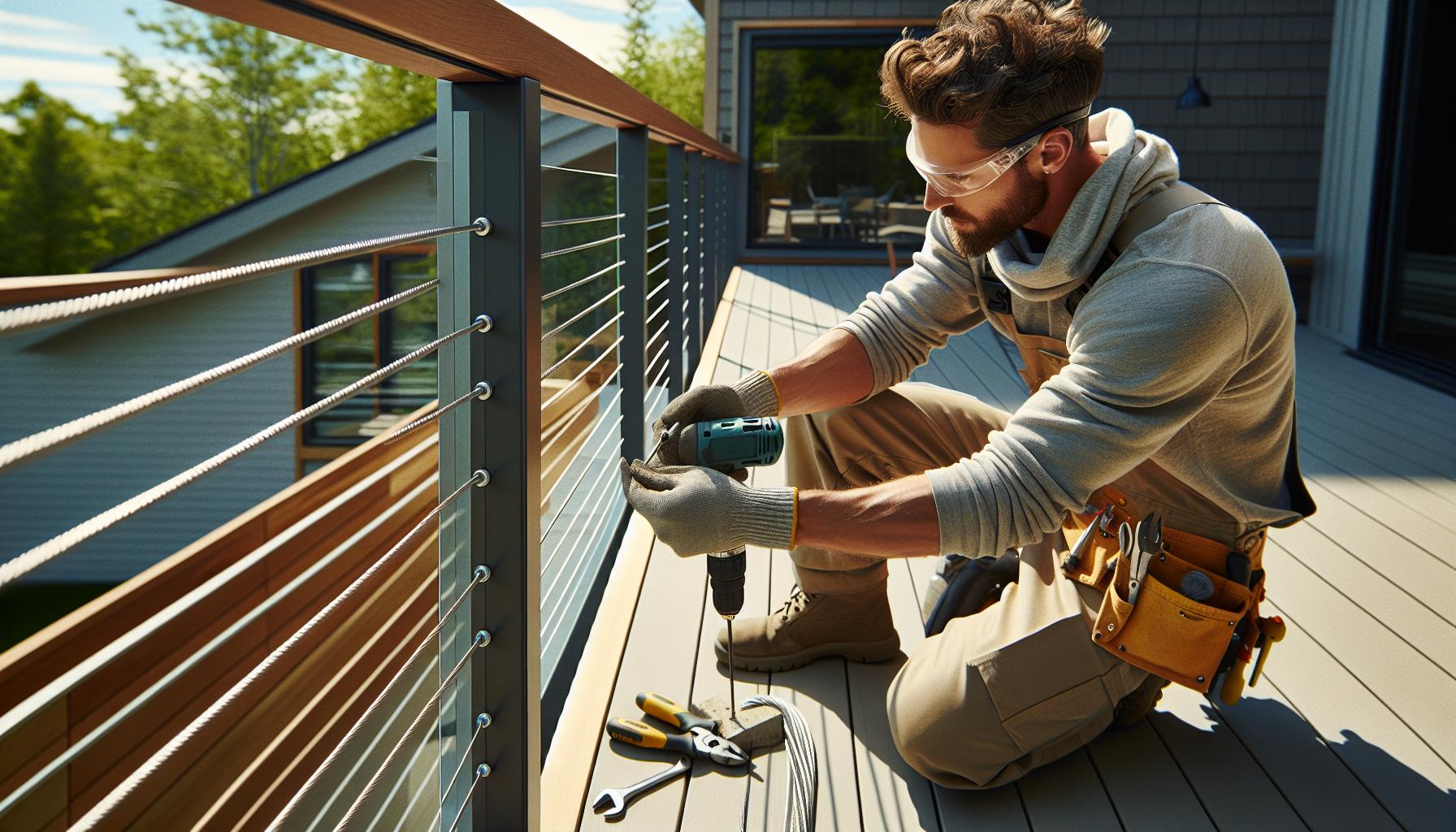
Step-by-Step Guide: Installing Your Cable Railing
Installing cable railing can feel like a game-changer for your outdoor space-bringing a modern touch while ensuring safety. Don’t worry! With a little bit of patience and the right plan in place, you can achieve a stunning finish that adds both style and functionality to your deck. Let’s break the process down into easy-to-follow steps.
1. Measure and Mark Your Space
Begin by accurately measuring the area where your cable railing will be installed. Use a measuring tape to determine where your posts will go, typically spaced no more than 5-6 feet apart. Mark these locations clearly on the ground or railing structure. Remember, a level line is essential, so use a long level to ensure everything is aligned horizontally along your planned railing height.
2. Install the Posts
For each marked spot, you’ll need to drill holes if you’re using specified anchors or directly set the posts into concrete. If your posts are wooden, ensure they are standing upright and that their bases are properly supported. Secure them with concrete mix if needed. Wait for the concrete to cure as per the manufacturer’s instructions-this usually takes about 24 hours. Give yourself time here; it’s crucial for stability!
3. Attach the Cable Fittings
Once your posts are secure, it’s time to attach the terminals and fittings. Be sure to follow the manufacturer’s guidelines for the height and spacing of the cable. Using a wrench set, tighten fittings on each post according to your predetermined layout. A tip: lay out the cable along the posts before securing it completely, just to ensure you like the overall look!
4. String the Cable
Cut your stainless-steel cable to size, adding a bit of extra length since it’s easier to cut more than to add. Start by securing one end to the terminal at the first post, then run the cable to the next post, maintaining even tension as you go. Use wire cutters to trim any excess cable at the end. It’s perfectly fine to ask for a helping hand when pulling the cable taut!
5. Final Adjustments and Post Caps
With all cables in place, check for even tension across all sections. This not only looks great but ensures maximum safety. Once you’re satisfied, install post caps on top for a polished finish and additional weather protection. Take a step back and admire your handiwork!
By following these steps, you’ve transformed your deck into a stylish and safe area. Remember, every DIY project is a learning experience, so don’t hesitate to adjust and make it your own. You can do this, and the result will be a beautiful addition to your outdoor living space!
Design Options: Customize Your Cable Railing Look
Customizing your cable railing can elevate your outdoor space from ordinary to extraordinary. The beauty of cable railings lies not only in their modern aesthetic but also in their versatility. With a few creative touches, you can make your railing uniquely yours, reflecting your personal style and enhancing the overall look of your deck or patio.
One of the first choices you’ll face is the material for your posts and frame. While stainless steel is a popular option for its durability and sleek appearance, consider experimenting with different materials such as wood or aluminum for a warmer or more contemporary vibe. Mixed materials can offer a stunning contrast. For instance, pairing natural wood posts with stainless steel cables creates a beautiful blend of warmth and modernity, ensuring that your railing feels cohesive with your home’s architecture.
Color and finish are also key aspects to consider. You might choose a natural wood stain to keep things rustic and organic or opt for a powder-coated finish to infuse a pop of color that complements your landscaping or home exterior. Don’t forget about the post caps! These small elements can add an extra flair. Whether you go with simple rounded caps or more ornate designs, they can really pull your entire look together.
Lighting is another opportunity to personalize your design. Incorporating LED strips along the top of the railing can create a soft glow for evening gatherings, while solar lights mounted on the posts can add both safety and style. You can even think about adding decorative elements like planters or artwork along the railing to create a more inviting atmosphere.
Remember, this project should reflect your creativity and personality, and with the right design options, you’re well on your way to crafting a beautiful cable railing that’s not just functional but also a true highlight of your outdoor space. So gather your materials, let your imagination roam, and let’s get started on making that dream railing a reality!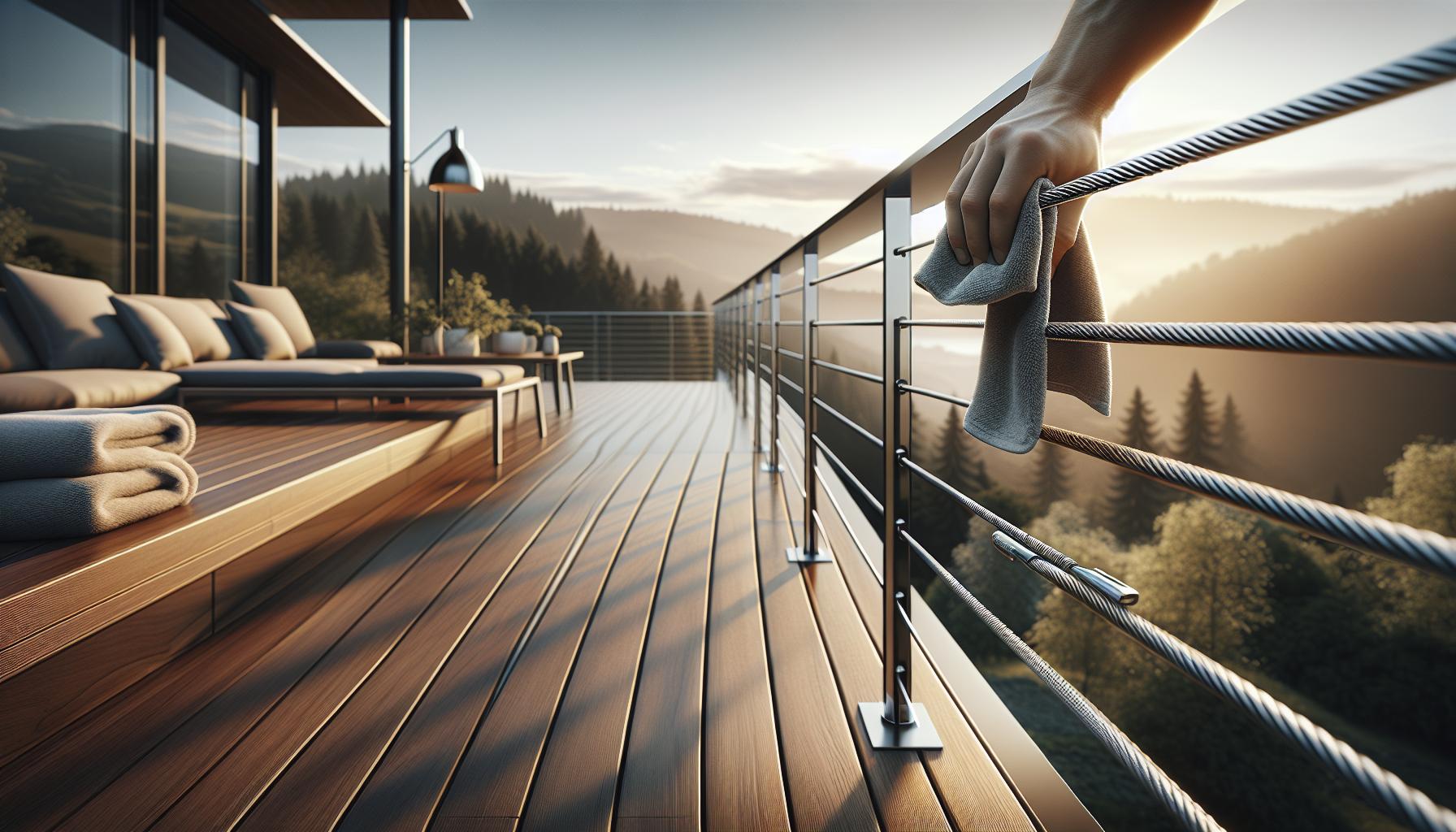
Maintenance Tips for Long-Lasting Cable Railings
Keeping your cable railings in top shape not only preserves their modern appeal but also ensures safety and longevity in your outdoor space. Regular maintenance is straightforward and incredibly rewarding, leaving you with a stunning and functional feature to enjoy for years to come. Here are some practical tips to help you maintain your cable railings, ensuring they remain beautiful and effective.
Start with a simple cleaning routine. Using a soft cloth or sponge with a solution of mild soap and warm water can effectively remove dirt and grime. It’s best to do this every few months or whenever you notice buildup. Avoid abrasive cleaners or scouring pads as they can scratch the surface of your railing, especially if it’s stainless steel. For those stubborn spots, consider a dedicated stainless steel cleaner that will help maintain the shine.
Inspect for Damage
Regular inspections are crucial. Take the time to check for any signs of wear or rust, particularly on metal components. Tightening loose cables is another important step. Over time, cables may relax, leading to a loose appearance. Use a simple torque wrench to ensure the cables are taut without over-tightening, which can damage the material.
Protect Against the Elements
If you live in an area with harsh weather conditions, consider applying a protective sealant suited for your railings, especially if they are made from wood. This will help guard against moisture and UV damage. Additionally, if you notice that any wooden elements are starting to splinter or show signs of rot, sand them down and apply a fresh coat of stain or sealant to keep the wood protected.
Incorporate these tips into your seasonal maintenance checklist, and you’ll not only prolong the life of your cable railings but also enhance their beauty. Remember, regular upkeep is like giving your outdoor space a little TLC-it’s all about creating an inviting space that showcases your creativity and hard work. So roll up your sleeves, enjoy the process, and take pride in crafting a space that’s both stylish and safe!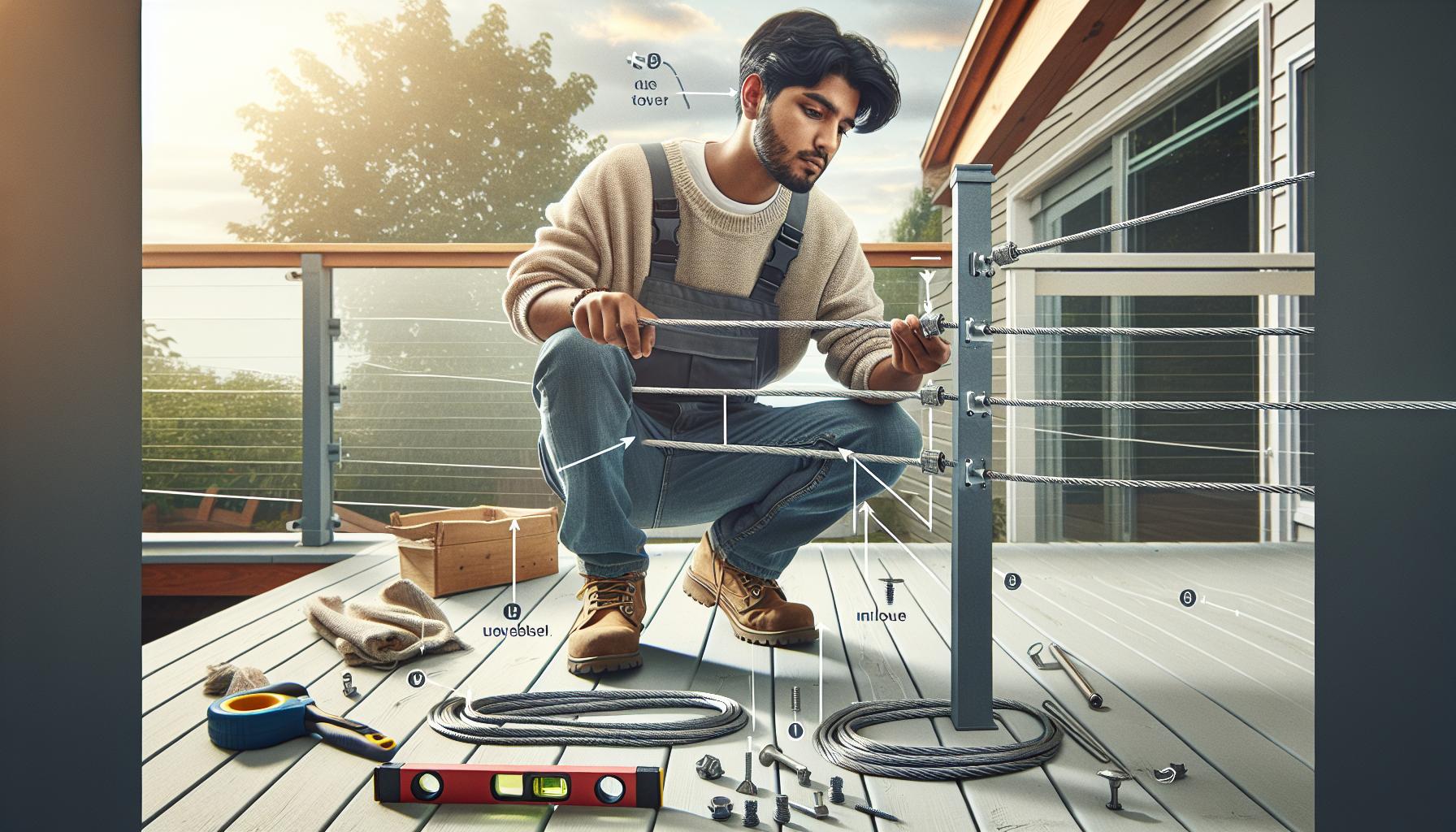
Common Mistakes to Avoid When DIYing Cable Railing
When taking on a DIY project for cable railing, it’s all about the details. Many makers get excited, dive right in, and overlook some key factors that can make a world of difference. You can do this, but let’s fine-tune your approach to avoid common pitfalls that could dampen your enthusiasm or lead to less-than-stellar results.
One significant mistake is underestimating the importance of accurate measurements. It might seem trivial, but improper measurements can lead to squashed aesthetics and functionality. Always double-check your dimensions before cutting any materials, and if you’re working with angles or corners, don’t hesitate to use a protractor or an angle finder. A real-world example: one DIYer excitedly built a cable railing only to find out after assembly that the posts were too high, resulting in a wobbly structure. Taking the time to measure carefully can save you from costly mistakes and potential safety hazards.
Another common error is simply being careless with spacing. For cable railings, the spacing between the cables is crucial for safety and appearance. Not only should it comply with local building codes, but uneven spacing can also throw off the sleek look that cable railings are known for. Aim for uniform distance-typically around 3 inches apart-to keep your project visually pleasing and secure. A helpful tip is to use a spacer block or even a simple jig to maintain consistent gaps while installing the cables.
Forgetting to consider materials’ compatibility can also set you back. If you’re using wood posts, ensure that your cables and fittings are suitable for outdoor conditions. Stainless steel is an excellent choice for cables as it resists rust, but if you’re combining materials like aluminum or wood, check their compatibility to avoid deterioration. One maker who learned this the hard way ended up with corrosion due to mismatched materials, leading to costly replacements.
Incorporating these mindful practices into your DIY cable railing project will not only enhance your confidence as a maker but also ensure your railing looks fabulous and functions safely. Remember, each detail you perfect contributes to the overall brilliance of your deck upgrade, making your hard work shine through every inch of your installation!
Cable Railing vs. Traditional Wood Railing: A Comparison
When choosing the right railing for your deck, it’s essential to weigh your options between cable railing and traditional wood railing. Each option comes with its own set of benefits and considerations that can significantly impact both aesthetic and practicality. Did you know that installing cable railing can create a more open and airy feeling on your deck, allowing for better views while still providing safety? It’s a beautiful blend of style and security that more DIY enthusiasts are embracing!
Materials and Durability
Cable railings primarily utilize stainless steel cables and posts, which inherently offer durability and resistance to the elements. This means less maintenance and a longer lifespan compared to wood, which is prone to rot, warping, and insect damage if not properly treated. For instance, if you’ve ever experienced the frustration of wood splintering or needing annual treatment and paint jobs, you’ll appreciate the low-effort upkeep that cable railings provide. Plus, stainless steel can be effortlessly integrated into modern design schemes, adding a sleek touch to your outdoor space.
Aesthetic Versatility
Visually, cable railings often win out in contemporary settings thanks to their minimalistic look. They create an unobstructed view, enhancing the visual flow of your deck and yard. On the other hand, traditional wood railings offer a classic vibe that many homeowners love. If your house has a rustic feel or a historic charm, wood can complement that beautifully. However, with cable railing, you can easily incorporate various post materials-like wood or metal-giving you flexibility in design without sacrificing the modern look you desire.
Installation Preferences
From a DIY perspective, installation ease is crucial. Wood railings often require more tools and hardware to secure the posts and balusters effectively, potentially making the installation time-consuming, especially for beginners. Conversely, many DIYers find cable railing to be less labor-intensive once they understand the spacing and tensioning process. A clear advantage here is that with cable systems, uniformity is often built into the process, allowing for faster and more consistent results.
Maintenance and Lifespan
Finally, consider the long-term view. Spending a bit more upfront on quality cable materials can save you money and headaches down the line, as you won’t be repainting or replacing rotting wood frequently. Regular tightening of cables is all you might need, making it a smart and stylish choice.
Both railing types have their merits, but if you’re leaning toward a modern, stylish update with less maintenance, cable railing may just be your best bet. You can do this! The satisfaction of completing a cable railing installation while enhancing your outdoor space is well worth the effort. Keep crafting and enjoy the joy of making your design vision come to life!
Cost Breakdown: Budgeting for Your Cable Railing Project
Planning a cable railing project can initially seem overwhelming, especially when you’re trying to figure out the costs involved. However, with the right budgeting strategies and a good understanding of your needs, you can create a beautiful railing without breaking the bank. Generally, the main costs involved include materials, tools, and optional professional help, but with a bit of guidance, you’ll find that you can tackle it all on your own!
When budgeting for your cable railing, start by estimating the overall linear footage you need. This measurement will help you determine how much cable you’ll need, which is often sold in bulk. Prices for stainless steel cable can range from $0.30 to $0.90 per foot, depending on the quality and thickness. Don’t forget to budget for the posts, tensioning hardware, and any other necessary components like brackets or connectors. Depending on materials, posts may cost around $40 to $100 each. Here’s a quick overview of possible expenses:
Estimated Cost Breakdown
| Item | Estimated Cost |
|---|---|
| Stainless Steel Cable (per foot) | $0.30 – $0.90 |
| Posts (each) | $40 – $100 |
| Tensioning Hardware (set) | $50 – $150 |
| Tools & Accessories (if needed) | $50 – $100 |
To keep your costs in check, consider sourcing some materials second-hand or shopping during sales. Local building supply stores often have discounts for overstock items, making it a great opportunity to save some cash. If you have friends or family who have tackled similar projects, they may be able to lend tools or even assist you, cutting down on labor costs and providing some companionable support!
Don’t shy away from the project because of perceived costs-embracing the challenge of crafting your own cable railing is an incredibly rewarding venture. With thoughtful planning and creativity, you can achieve a stunning railing that reflects your style while staying on budget. Remember, you can do this! Once you start gathering materials and laying out your plan, the process will become more enjoyable, and you’ll be well on your way to enhancing your outdoor space.
Safety Considerations for DIY Cable Railings
When diving into a DIY cable railing project, safety should be at the forefront of your mind. Not only does a well-installed railing enhance the look of your deck or porch, but it also ensures the safety of everyone who uses the space. Proper precautions can prevent accidents and make your building experience smooth and enjoyable.
Start by planning and preparing your workspace. Before you even pick up a tool, ensure you have a clear area to work in, free of clutter and distractions. Lay out your materials and tools where they are easily accessible. Use protective gear at all times-this means safety glasses to shield your eyes from debris, gloves to protect your hands while handling sharp cable ends, and a hard hat if you’re working in an area where falling objects might be a concern. If you’re using power tools, ear protection is advisable as well.
Next, consider the structural integrity of your installation. It’s important that your posts are securely anchored, as they will support the tension of the cables. Follow the manufacturer’s recommendations for installation, especially regarding spacing and height. Cables should be taut but not overly tight; overtightening can lead to damage over time. Regularly check the tension and the condition of your cables during maintenance to ensure they remain safe and effective.
Lastly, never underestimate the power of teamwork! Engaging a buddy for these projects can enhance safety and efficiency. They can help hold posts in place or pass you tools while you’re up on a ladder, making the entire process smoother. Plus, having a partner adds a layer of fun and motivation to your building project. Remember, safety is about being prepared and taking the right steps to protect yourself and your loved ones. With the right approach, you can tackle your DIY cable railing confidently. You can do this!
Incorporating Lighting with Your Cable Railing Design
The right lighting can transform your cable railing into a stunning feature of your outdoor space, creating ambiance and enhancing safety. Imagine hosting a dinner party on your deck as the sun sets, with a warm glow illuminating your beautiful railing and providing a welcoming atmosphere. This isn’t just a dream; with the right approach, you can achieve this look yourself!
Begin by considering the various lighting options available to you. LED strip lights are a popular choice due to their versatility and low energy consumption. These can easily be installed along the top of the railing or even in the gaps between cables for an unobtrusive glow. Another fantastic option is solar-powered post caps, which not only add height to your posts but also provide gentle illumination without the need for any wiring. If you’re looking for a more decorative touch, hanging string lights can add an enchanting feel, especially when wrapped around the railing or accentuated with planters.
Installation Tips
Setting up your lighting doesn’t have to be complicated. Here’s a quick rundown to get you started:
- Plan Your Layout: Decide where you want the lights-along the top rail, on the posts, or integrated with your decking.
- Choose Your Lights: Select LED strips, solar caps, or string lights based on your design preference and budget.
- Measure Twice: Ensure you measure your cable railing accurately to determine how much lighting you’ll need.
- Follow Instructions: Install the lights according to the manufacturer’s guidance, especially for electrical components.
- Test the Setup: Before securing everything in place, test your lighting to see if it provides the desired effect during dusk.
Don’t forget about safety! Make sure all wiring is protected from the elements if you opt for hardwired options. For those installing solar lights, ensure that they are placed in areas that receive ample sunlight during the day for optimal performance.
By incorporating lighting into your cable railing design, you elevate the overall aesthetic while improving functionality. Whether you’re looking for subtle elegance or festive flair, you can create an inviting outdoor space that’s just as functional at night as it is during the day. Remember, you can do this! Embrace the challenge, and enjoy the creative process of enhancing your DIY project.
Real Project Examples: Successful Cable Railing Installations
Many DIYers have successfully transformed their outdoor spaces by installing cable railings, showcasing a sleek, modern aesthetic that enhances both safety and functionality. These real-life examples can inspire your project and offer practical steps for your own installation. Whether you’re replacing an old railing or building a new deck, you can achieve stunning results with cable railings!
One fantastic example comes from a homeowner in Seattle who created a backyard oasis with cable railings on a multi-level deck. They chose stainless steel cables to complement their contemporary design and used pressure-treated wood for the posts. The project took about a weekend and required minimal tools-just a drill, level, and some basic hand tools. The homeowner noted how easy it was to install the railings, emphasizing the importance of measuring accurately and following the manufacturer’s installation guide. By the end of the weekend, they had transformed their space, enjoying unobstructed views of Lake Washington while hosting friends and family.
Another inspiring project took place in a sunny California backyard, where a family opted for a custom-designed cable railing system. They incorporated custom wood posts painted to match their home’s exterior, creating a cohesive look. With a little research, they sourced all materials online, finding both the cable and hardware at DecksDirect. This project not only modernized their home but also established a safe play area for their kids. With a budget of around $1,000, they completed the installation over two weekends. They shared that dividing the project into manageable sections made it less overwhelming, and they were thrilled with the finished product that seamlessly integrated into their outdoor living area.
Here are some key takeaways from these successful installations to help you with your own project:
- Plan Ahead: Measure your space and sketch your design. Visualizing your project can help avoid mistakes.
- Choose Quality Materials: Invest in durable cables and hardware. Stainless steel is often preferred for its strength and resistance to weather.
- Take Your Time: Don’t rush through the installation. Ensuring everything is level and secure will lead to safer railings.
- Celebrate Your Success: Once your project is complete, take a moment to enjoy your work! This is your space, and you made it happen!
Whether you’re a first-timer or seasoned DIYer, these examples demonstrate that you can create a beautiful, functional outdoor space with cable railings. Embrace the process, and remember-you can do this!
Faq
Q: What tools do I need to install DIY cable railing?
A: To install DIY cable railing, you will need basic tools like a drill, level, screwdriver, wrench, and tension gauge. Additionally, having a measuring tape and saw for cutting posts or spacers will make the process more precise. Refer to “Essential Tools and Materials for DIY Cable Railing” in the article for a detailed list.
Q: How much does it cost to install DIY cable railing?
A: The cost for DIY cable railing varies widely based on materials and design, typically ranging from $30 to $50 per linear foot. For a more detailed cost breakdown and budgeting tips, see the section titled “Cost Breakdown: Budgeting for Your Cable Railing Project” in the article.
Q: How do I choose the right cable railing design for my deck?
A: When choosing a cable railing design, consider the aesthetic of your home and the surrounding landscape. Look at options like stainless steel for a modern look or wood posts for a traditional feel. Explore “Design Options: Customize Your Cable Railing Look” for more insights.
Q: What are the safety regulations for DIY cable railing installations?
A: Safety regulations for cable railing include maintaining a height of at least 36 inches and ensuring cable spacing does not exceed 4 inches apart to prevent children from squeezing through. Check “Safety Considerations for DIY Cable Railings” for more detailed guidelines and best practices.
Q: How long does it take to install DIY cable railing?
A: Installing DIY cable railing typically takes 1 to 3 days, depending on the complexity and the number of posts being installed. This includes preparation, measuring, and drilling. For a comprehensive view on installation timeframes, refer to the “Step-by-Step Guide: Installing Your Cable Railing” section.
Q: Can I install cable railing on an existing deck?
A: Yes, cable railing can be installed on an existing deck, provided that the structure meets safety standards and is in good condition. Ensure to inspect the deck’s support before proceeding. For more on installation, check “Step-by-Step Guide: Installing Your Cable Railing.”
Q: What maintenance is required for cable railings?
A: Cable railings require minimal maintenance-regularly check for tension on cables, clean with mild soap and water to prevent buildup, and inspect for corrosion or damage, especially in coastal areas. See “Maintenance Tips for Long-Lasting Cable Railings” for detailed care instructions.
Q: What are common mistakes to avoid when installing cable railing?
A: Common mistakes include incorrect spacing and not properly tensioning the cables, leading to safety issues. Additionally, failing to follow manufacturer instructions can result in inadequate installation. Familiarize yourself with the section “Common Mistakes to Avoid When DIYing Cable Railing” for tips to avoid pitfalls in your project.
In Summary
Congratulations on taking the first step toward enhancing your outdoor space with DIY cable railing! This upgrade not only boosts the aesthetics of your deck but also elevates safety without compromising your view. Remember, with the right materials and a bit of patience, you can achieve professional-looking results that will impress your guests and stand the test of time.
If you’re eager to dive deeper into more DIY projects, be sure to explore our guides on building your own wooden deck and tips for selecting the perfect outdoor lighting. Want to stay updated with our latest tips and tricks? Sign up for our newsletter and never miss a moment of inspiration!
Your journey to creating a beautiful and functional outdoor area doesn’t end here. Share your project in the comments below, and connect with fellow DIY enthusiasts in our community. You’ve got this, and we’re here to support you every step of the way!
Get our latest guides, news, and insights highlighted in your Google Search & AI Overviews.